

In the United Kingdom, Royal Assent is the last approval that allows bills to become law. Royal Assent may sound traditional, but it remains a constitutionally important step today. Many people wonder if the monarch could ever refuse royal assent, resulting in the head of state asserting a conflicting authority to that of the parliamentary authority.
One must first understand what royal assent is, how it works, and whether refusal is a possibility in contemporary society.
Defining Royal Assent?
Royal Assent is the formal approval of a bill through the formal duties of the monarch. Once the bill receives formal Royal Assent, it is an Act of Parliament and has the full weight of law. Without this stage, the bill does not become a law and cannot be enforced.
This stage is fundamental to the lawmaking process in the UK and reflects both tradition and the history of law in the country.
The Monarch’s Role in Royal Assent
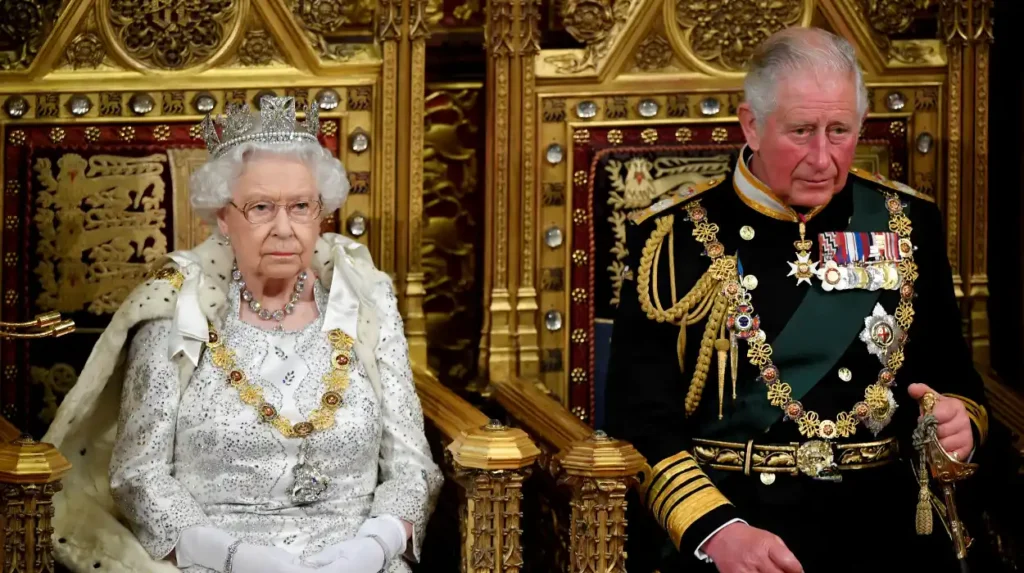
The monarch’s role in granting royal assent arguably is one of duty rather than one of political responsibility. While the bill must receive approval, it does not reflect the monarch’s own opinion on that bill. It is a duty that is completed by the monarch in accordance with constitutional conventions.
This ensures the Crown operates in a manner to respect parliamentary decisions and not dictate in political matters.
Can the Monarch Refuse Royal Assent?
The question asked is, can the monarch refuse royal assent? Technically yes, it exists in the theoretical constitution. Practically anything at this stage is not possible in a modern democracy.
Any decision to refuse Royal Assent would throw us into a constitutional crisis while attacking parliamentary sovereignty.
Why Refusal No Longer Happens
Refusal of Royal Assent would not occur anymore due to the main principles of the UK system.
Parliamentary Sovereignty
In the UK, Parliament has the supreme authority to make laws; Parliament is the ultimate law-making body, and no one can override Parliament, including the monarch.
Any refusal of Royal Assent would challenge this principle and undermine the democratic process.
Constitutional Conventions
There are unwritten rules that govern the use of political power called conventions. One of the main conventions is that Royal Assent is always granted by the monarch.
To break the rule of Royal Assent is to attack democracy and jeopardize the future of the monarchy.
Political Neutrality
The Crown must remain politically neutral at all times. If the monarch refused royal assent while the prime minister was in an executive position, it could be taken as partisan by the public and would undermine the authenticity of public confidence as well as challenge the balance between monarchy and government.
The Symbolic Nature of Royal Assent
In modern times, Royal Assent is a more ceremonial aspect of the legislative process where decision-making takes place. The monarch typically does not attend Parliament, examining a bill in detail. Royal Assent is conveyed through officials and expressed in both houses.
This situation clearly shows that royal assent remains a process steeped in tradition yet has no real political significance.
Could Refusal Ever Return?
Refusal is a technicality, but it is scarcely imaginable even in the current setup. Refusal to give assent would create chaos in the political system, even questioning the role of the monarchy in a democratic state, or calls for reform or abolition of the monarchy arise.
The question of refusal is one more concerned with history than today’s realities.
Legal view of Royal Assent
Royal Assent is a constitutional matter in UK law. It is part of matters for making law. It is impossible to reject a bill without royal assent. Since the government only sends through a bill for Royal Assent after it has gone through both houses, the role of the monarch is purely procedural rather than substantive; it cannot reconsider the bill and reject it for content purposes.
Royal Assent and Modern Democracy
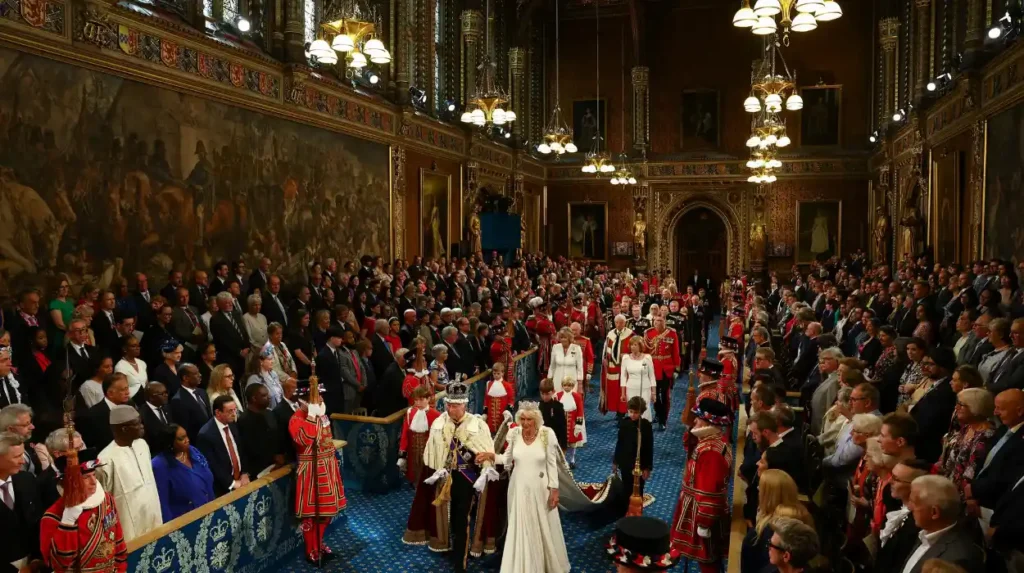
In a democracy, elected representatives act for the people. The monarch is expected to stay above partisan politics and remain a reconciliatory figure. To refuse assent undermines democracy, as Parliament would be representing the people’s will as an elected body.
This is why Royal Assent today is considered in respect for democracy, not authority over it.
The Debate Around Royal Assent
Some scholars take issue with Royal Assent, insisting that it is outdated and no longer needed in the 21st century. They claim the system could simply cease to exist and that removing it would have little effect on democracy.
On the other hand, some insist there is a symbolic tradition of importance in Royal Assent, as it formalizes the link between the monarchy and the constitution and links the past to the present. No one expects a refusal to happen.
Would Refusal Cause a Crisis?
If the monarch refused royal assent, it would cause a crisis.
- Political Implications: A refusal would be a challenge to Parliament and likely escalate to constitutional reform. It would question whether the monarchy should remain an integral part of the UK political system.
- Public Opinion: The public would likely consider refusal as undemocratic. Accepting refusal would mean a dent in support for the monarchy, protests and calls for a new republic, or otherwise abolishing the monarchy.
- Legal Ambiguities: Refusal to cause legal difficulties about acts of Parliament would still have an effect. The courts and politicians do not know where this will place the future of the constitution.
The Last Word on Refusal
The monarch could refuse royal assent, but this would never happen in practice. History, law, and convention require refusal to be impossible today. This allows the Crown to remain a symbolic institution, not a player in politics.
Royal Assent is the last part of the lawmaking process in the UK, but it does not directly involve decision-making by the monarch anymore. The old question of “Can the monarch ever refuse it?” is a convention that shows he/she can, theoretically, refuse it, but it has not been done since 1708, and a modern democracy ensures it is highly unlikely to happen again.
The monarchy symbolizes continuity and tradition only, not an impediment to Parliament. Royal Assent functions smoothly, and refusal is only a memory in the history books.
