

London, United Kingdom — March 5, 2026. The search for the safest haven to hold investments has intensified as global markets confront rising uncertainty tied to inflation, geopolitical tensions, and shifting monetary policies. Financial strategists and institutional investors are closely analyzing defensive assets as part of broader portfolio strategies designed to protect wealth during periods of instability.
According to economic analysts speaking to Parliament News, investors are increasingly evaluating traditional safe haven assets such as gold, government bonds, and the US dollar as market volatility continues to shape investment behavior in 2026.
• Investors are shifting toward defensive assets amid economic uncertainty.
• Gold, government bonds, and strong currencies remain central to wealth preservation strategies.
• The debate around the safest haven to hold investments is becoming a major topic in global finance.
As economic signals fluctuate and geopolitical risks increase, the question of where investors should place capital for stability has moved to the forefront of financial discussions.
Global Markets Enter a Period of Heightened Volatility
Financial markets worldwide are navigating a complex environment marked by rising interest rates, uneven economic growth, and persistent geopolitical tensions. Investors are becoming increasingly cautious as economic indicators suggest that global growth may slow in the coming years.
When uncertainty rises, capital often flows into defensive assets. The debate surrounding the safest haven to hold investments reflects the growing demand for financial stability during uncertain economic cycles.
In recent months, stock market volatility has increased across major global exchanges. Technology shares and emerging market assets have experienced fluctuations as investors reassess risk.
Large institutional investors, including pension funds and sovereign wealth funds, are gradually increasing allocations to assets traditionally viewed as safe havens.
Currency Strength and the Role of the US Dollar
The US dollar continues to hold a dominant position in global finance. As the primary currency used for international trade and central bank reserves, the dollar often becomes a refuge during periods of market stress.
Investors frequently shift capital toward dollar denominated assets when financial uncertainty rises. This movement strengthens the currency and reinforces its reputation as a reliable financial anchor.
Many economists argue that the dollar remains one of the safest haven to hold investments in the short term because of its liquidity and global acceptance.
However, concerns surrounding government debt levels and inflation have prompted discussions about whether the dollar can maintain this position indefinitely.
Despite these questions, the dollar’s central role in international trade ensures it remains a key component of defensive investment strategies.
Government Bonds and the Search for Stability
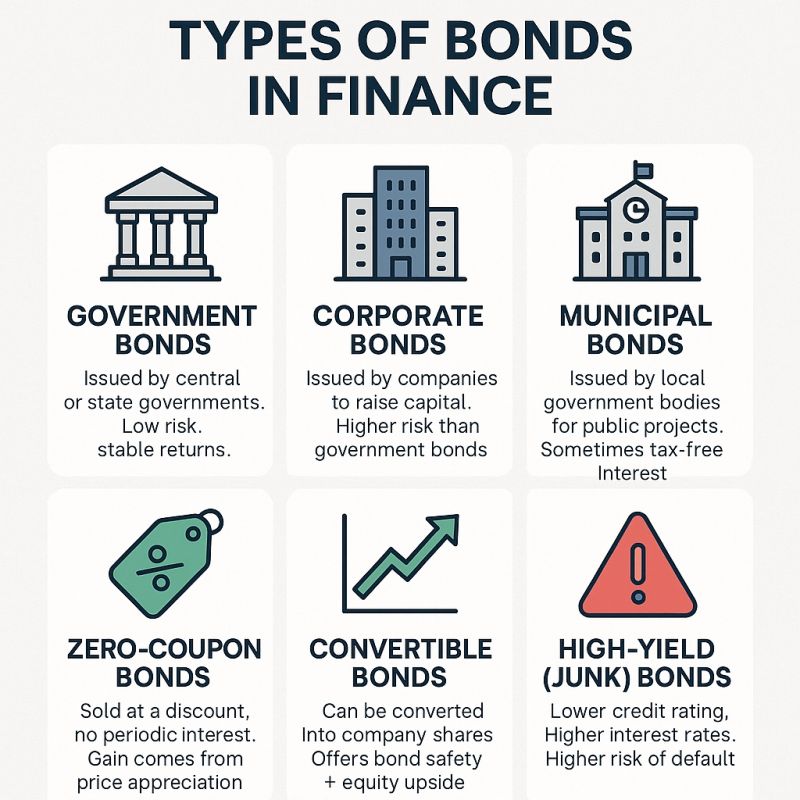
Government bonds have long been considered reliable defensive assets during economic downturns. When investors purchase bonds issued by stable governments, they receive fixed interest payments while preserving capital.
US Treasury bonds are particularly influential in global financial markets. Their reputation for reliability makes them attractive to investors seeking safety.
During periods of stock market turbulence, investors often shift money into bonds in search of stability. For many financial planners, government bonds remain a core part of the safest haven to hold investments strategy.
However, the bond market is also influenced by central bank policy. Rising interest rates can reduce the value of existing bonds, while inflation can weaken the real return investors receive from fixed interest payments.
Despite these risks, government bonds remain one of the most widely used defensive financial instruments.
Gold as a Long Term Store of Value
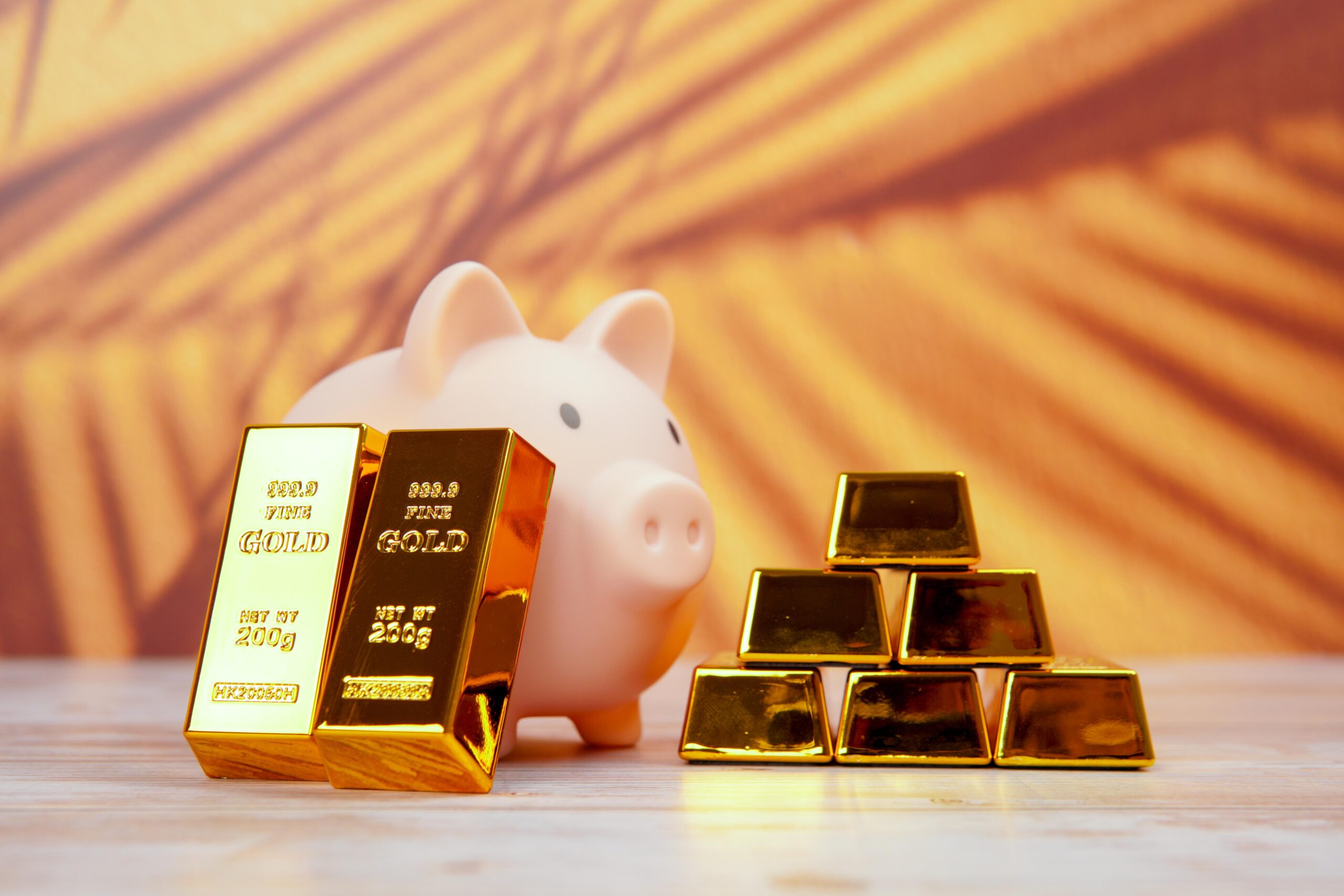
Gold has served as a store of wealth for thousands of years. Even in the modern financial system, it continues to play an important role during economic crises.
Unlike paper currencies, gold cannot be printed by governments. Its limited supply and universal acceptance contribute to its reputation as a reliable store of value.
Many analysts believe gold remains one of the safest haven to hold investments during periods of prolonged economic uncertainty.
Gold prices often rise when inflation increases or when confidence in financial institutions declines. Investors frequently turn to gold during periods of currency instability or banking crises.
However, gold does not produce income in the form of dividends or interest. Investors rely entirely on price appreciation to generate returns.
Even with this limitation, gold continues to be a central component of many defensive portfolios.

Inflation and Central Bank Policies
Inflation remains a major concern for investors around the world. Rising consumer prices reduce purchasing power and can undermine traditional savings strategies.
Central banks are attempting to manage inflation through interest rate adjustments and monetary policy changes. These policies influence currency values, bond yields, and equity markets.
As inflation pressures persist, investors are evaluating which assets provide the strongest protection. The debate about the safest haven to hold investments often centers on whether gold or interest bearing assets offer better long term stability.
Monetary policy decisions in major economies such as the United States, the European Union, and China will continue shaping investor behavior throughout 2026.
Diversification as a Defensive Investment Strategy
Financial advisors often recommend diversification when markets become volatile. Rather than relying on a single safe haven asset, investors frequently distribute capital across multiple defensive options.
Combining currency assets, government bonds, and commodities can reduce risk and provide flexibility.
For many investors, diversification represents the most effective way to build a portfolio around the safest haven to hold investments concept.
Different safe haven assets often perform well under different economic conditions. For example, gold may benefit during inflationary periods, while bonds may perform better during economic slowdowns.
This balanced approach allows investors to adapt to changing financial environments.
Historical Perspective on Safe Haven Assets
Throughout financial history, investors have repeatedly turned to certain assets during periods of crisis. The Great Depression, the global financial crisis of 2008, and more recent geopolitical disruptions all demonstrated the importance of defensive investments.
Gold prices surged during the 1970s inflation crisis and again during the global financial crisis. Government bonds experienced strong demand during recessions as investors sought stability.
The recurring pattern across decades illustrates why the safest haven to hold investments remains a critical question for both individual investors and major financial institutions.
Historical trends suggest that safe haven assets play an essential role in maintaining financial stability during turbulent economic cycles.
Expert Views From Global Financial Analysts
Financial experts emphasize that no single asset can guarantee protection under every economic scenario. Instead, successful investment strategies often rely on a combination of defensive assets.
One global investment strategist explained the challenge facing investors today.
“Markets are becoming more interconnected than ever before, which means diversification is essential for managing risk.”
Another analyst speaking to Parliament News highlighted the importance of balancing liquidity and stability.
“The safest haven to hold investments is rarely a single asset,”
the analyst said.
“A well balanced portfolio provides the strongest protection during uncertainty.”
These perspectives reflect a growing consensus within the financial community.
Geopolitical Risks and Market Reactions
Geopolitical tensions have become a significant driver of financial market behavior. Conflicts, trade disputes, and diplomatic tensions can create uncertainty that affects investor confidence.
Energy markets, supply chains, and international trade routes are often influenced by geopolitical developments.
When these events occur, financial markets frequently react quickly. Investors often move capital into defensive assets in response to rising uncertainty.
This behavior reinforces the ongoing search for the safest haven to hold investments during periods of geopolitical instability.
Technology and the Future of Safe Haven Assets
Technological innovation is also shaping the future of financial markets. Digital currencies and blockchain based assets have introduced new debates about alternative stores of value.
Some investors believe these emerging technologies may eventually compete with traditional safe haven assets. Others argue that their volatility prevents them from replacing gold or government bonds as reliable defensive investments.
Despite these discussions, traditional assets remain dominant in global finance.
Gold, government bonds, and major currencies continue to play a central role in determining the safest haven to hold investments.

The Long View of Wealth Protection
The ongoing debate about the safest haven to hold investments reflects a broader challenge faced by investors worldwide. Economic cycles, political developments, and technological changes will continue shaping financial markets.
Successful investors often focus on long term stability rather than short term speculation. Protecting wealth requires careful planning, diversification, and a clear understanding of how different assets behave during economic stress.
As global markets evolve, the search for stability will remain a defining theme in financial decision making.
Understanding how traditional safe haven assets function in modern markets may help investors navigate an increasingly complex financial landscape.