
Brussels, Belgium – March 2, 2026 — According to Parliament News, that Satellite broadband Europe is entering a decisive growth phase as telecom providers, policymakers, and space technology companies accelerate deployment of low earth orbit networks across the continent. Announcements made in Brussels this year confirm rising investment, deeper regulatory coordination, and expanded partnerships designed to strengthen digital resilience in both urban and rural regions.
Industry leaders say satellite broadband Europe has evolved from a backup connectivity solution into a strategic pillar of Europe’s digital infrastructure. With mounting demand for high speed internet across remote communities, maritime zones, transport corridors, and industrial sites, satellite networks are increasingly complementing terrestrial fiber and 5G systems.
Policy Alignment Signals Strategic Momentum
European institutions have placed digital inclusion at the center of economic planning for 2026. Satellite broadband Europe now features prominently in discussions surrounding connectivity targets, resilience planning, and cross border infrastructure coordination.
Officials in Brussels emphasize that modern economies depend on uninterrupted digital services. Satellite connectivity provides redundancy in case of terrestrial network disruptions caused by natural disasters, infrastructure failures, or geopolitical instability.
The renewed policy alignment ensures that satellite broadband Europe receives regulatory clarity regarding spectrum allocation, orbital coordination, and consumer protections. This framework has boosted investor confidence and accelerated project approvals.
Investment Flows Strengthen Deployment
Public and private capital commitments have surged throughout 2026. Telecom operators are entering long term agreements with satellite providers to integrate orbital capacity into existing networks.
Satellite broadband Europe is benefiting from structured funding mechanisms aimed at closing rural connectivity gaps. EU backed initiatives are supporting pilot programs in mountainous areas, island territories, and sparsely populated regions.
Financial institutions view satellite infrastructure as critical to sustaining Europe’s digital competitiveness. Analysts suggest that diversified connectivity models reduce risk exposure and enhance market stability.
Rural Connectivity and Social Inclusion
Large sections of rural Europe continue to face limited broadband options due to terrain and high infrastructure costs. Satellite broadband Europe offers a scalable alternative that bypasses the need for extensive trenching and fiber deployment.
In isolated communities, satellite terminals provide reliable internet directly from orbiting constellations. This approach accelerates connectivity rollout without waiting for complex construction projects.
Local authorities report that improved digital access supports remote work, tourism development, telemedicine services, and educational opportunities. By narrowing the digital divide, satellite broadband Europe strengthens economic cohesion across member states.
Economic Implications Across Industries
High speed connectivity underpins commerce, logistics, finance, and innovation. Satellite broadband Europe enables businesses in remote areas to participate in the digital economy with greater efficiency.
Agricultural enterprises adopt precision farming tools that depend on stable internet connections. Logistics firms monitor supply chains in real time. Small enterprises gain access to global markets through e commerce platforms.
The expansion of satellite broadband Europe contributes to productivity growth while fostering entrepreneurial activity beyond major metropolitan hubs.
Technological Evolution in Low Earth Orbit
The transformation of satellite connectivity stems largely from advances in low earth orbit constellations. Positioned closer to the planet than traditional geostationary satellites, these systems deliver reduced latency and higher bandwidth.
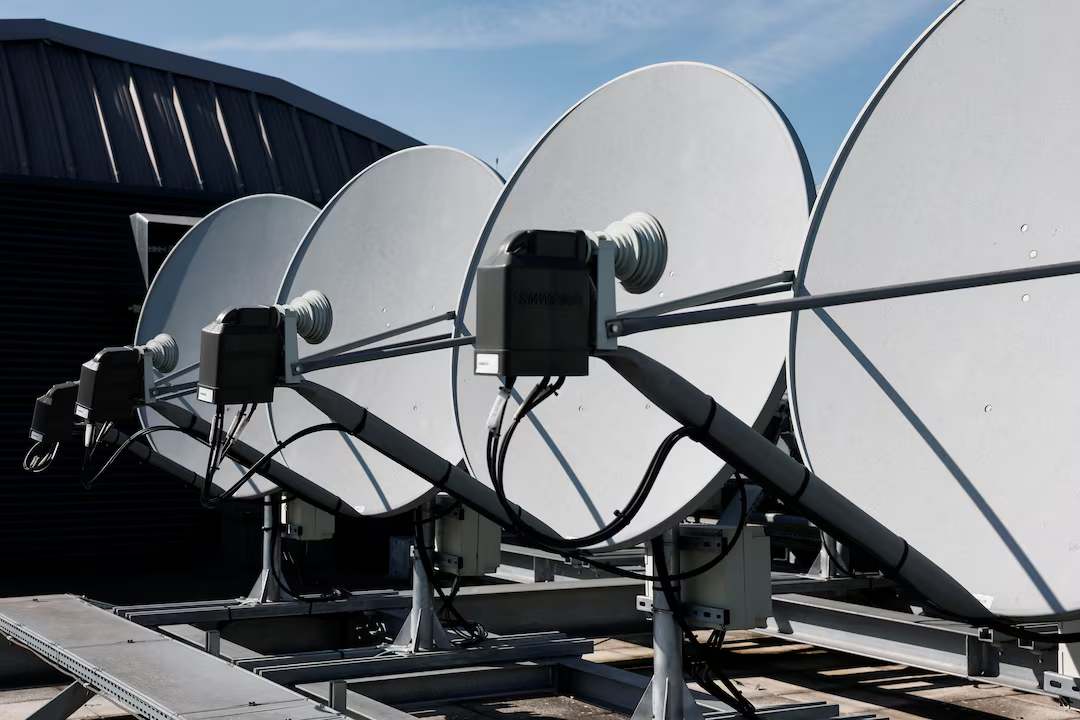
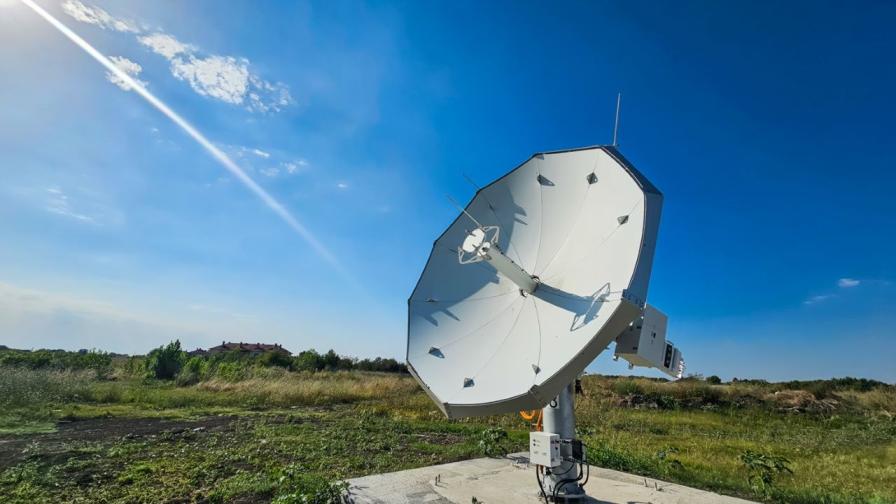
Satellite broadband Europe now supports data intensive applications such as video conferencing, streaming services, and cloud computing. Improved ground equipment and antenna design have enhanced performance and reliability.
Telecom engineers emphasize that integration between satellite and terrestrial networks is seamless, ensuring consistent user experience across platforms.
Regulatory Coordination Across Borders
Given the multinational nature of satellite coverage, harmonized regulations are essential. Satellite broadband Europe relies on coordinated spectrum management and compliance standards across member states.
Brussels has encouraged collaborative frameworks to manage orbital congestion and ensure fair competition. Licensing reforms introduced in 2026 have streamlined approval timelines without compromising safety and sustainability requirements.
Policy experts argue that regulatory predictability has been instrumental in driving expansion.
Environmental Considerations and Sustainability
As satellite constellations expand, environmental responsibility remains central. Satellite broadband Europe initiatives include debris mitigation protocols and responsible satellite disposal procedures.
Ground terminals increasingly operate on renewable energy sources, aligning with EU climate commitments. Reduced reliance on physical infrastructure in remote areas can also limit environmental disruption.
Environmental groups continue to monitor orbital traffic, emphasizing the need for sustainable growth models.
Competitive Landscape and Market Dynamics
The global satellite industry has become highly competitive, with providers racing to secure market share across continents. Satellite broadband Europe competes alongside international networks while benefiting from strong regulatory institutions.
European companies are pursuing partnerships to optimize capacity and manage operational costs. Industry analysts suggest that cooperative frameworks may define the next phase of growth.
Maintaining affordability remains crucial to widespread consumer adoption.
Historical Comparison: From Submarine Cables to Space Networks
The rise of satellite broadband Europe echoes earlier transformative moments in communication history. In the nineteenth century, submarine telegraph cables revolutionized international connectivity by linking continents beneath the ocean. Later, fiber optic cables reshaped global data transmission, enabling the internet age.
Today, satellite networks represent the next evolutionary step. Just as submarine cables once reduced communication times from weeks to minutes, orbital constellations now eliminate geographic barriers that previously limited digital access. The shift reflects a broader pattern in which technological innovation consistently redefines connectivity boundaries.
Industry Perspective
A senior telecommunications executive in Brussels remarked,
“Satellite broadband Europe ensures that geography no longer dictates opportunity, bringing digital access to communities once considered unreachable.”
The statement underscores the human centered dimension of this technological expansion.
Integration With 5G and Future Networks
Satellite systems increasingly complement terrestrial 5G infrastructure. In regions where fiber deployment is impractical, satellites provide backhaul support for mobile masts.
Satellite broadband Europe enhances network resilience by offering redundancy and rapid deployment capabilities. Hybrid models that integrate space based and ground networks are becoming standard practice.
Looking ahead, industry researchers anticipate integration with emerging 6G technologies, further expanding connectivity potential.
Infrastructure Resilience and Security
Resilience has emerged as a central theme in 2026. Satellite broadband Europe contributes to national security by diversifying connectivity pathways.
In crisis scenarios, satellite systems can restore communications when terrestrial networks fail. Governments across Europe are incorporating satellite capacity into emergency response planning.
Security experts emphasize the importance of encrypted communications and robust cybersecurity measures to protect expanding digital infrastructure.

Financial Outlook and Long Term Projections
Market forecasts indicate steady expansion in satellite connectivity capacity over the next decade. Satellite broadband Europe is expected to capture increasing market share in rural broadband segments.
Revenue growth may also stem from enterprise contracts and government service agreements. While capital expenditure requirements remain high, declining launch costs have improved financial viability.
Analysts predict that sustained innovation and cost management will determine long term profitability.
Human Impact and Community Transformation
Beyond market metrics, satellite broadband Europe reshapes daily life. Students in remote villages access digital classrooms. Healthcare providers conduct telemedicine consultations. Families maintain communication across distances.
Entrepreneurs launch online ventures from rural settings, expanding economic opportunity. The social implications extend far beyond infrastructure statistics.
Digital inclusion fosters participation, empowerment, and community resilience.
A Defining Year for Europe’s Digital Infrastructure
The developments unfolding in Brussels in 2026 demonstrate that satellite broadband Europe has transitioned from experimental deployment to essential infrastructure. Investment momentum, regulatory clarity, and technological maturity have converged.
As Europe advances its digital transformation agenda, satellite connectivity stands alongside fiber and mobile networks as a core pillar. Policymakers emphasize that balanced integration ensures resilience and inclusivity.
The trajectory suggests sustained growth as orbital constellations expand capacity and reach.
When Earth and Orbit Converge
In 2026, Brussels serves as a focal point for digital policy and innovation. Satellite broadband Europe symbolizes a broader commitment to connectivity that transcends geography.
As satellites circle above and communities connect below, Europe’s digital ambitions take tangible form. The convergence of terrestrial and orbital systems marks a new chapter in communications history.
The expansion underway signals not only technological progress but also a reaffirmation of Europe’s dedication to inclusive growth, resilience, and innovation in an increasingly interconnected world.