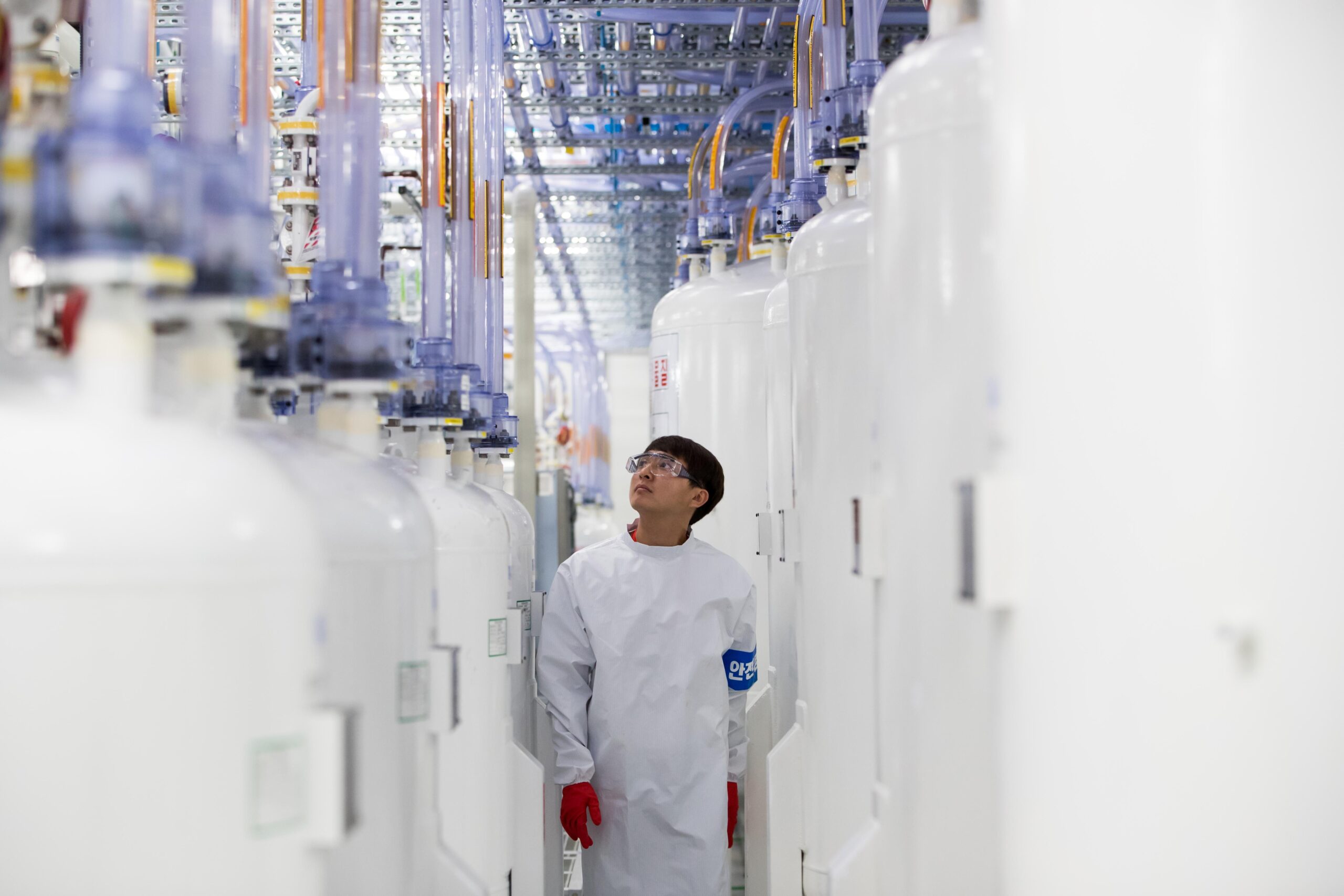
Samsung Electronics and labor unions are holding urgent talks as semiconductor industry growth accelerates worldwide in 2026.
Rising AI infrastructure demand is increasing pressure on global chip production and semiconductor supply chains.
Analysts warn disruptions involving major chipmakers could impact electronics manufacturing and technology markets globally.
Seoul, South Korea (Parliament Politics Magazine) semiconductor industry growth remains at the center of global technology and financial markets as Samsung Electronics and labor union representatives continue last-minute negotiations aimed at avoiding a strike that could disrupt chip manufacturing operations worldwide. The talks are being closely monitored by investors, governments, and technology companies because Samsung plays a major role in global semiconductor production.
The semiconductor sector has become one of the most strategically important industries in the modern global economy due to rising demand for artificial intelligence systems, cloud computing infrastructure, smartphones, electric vehicles, and advanced electronics.
Analysts say disruptions involving major semiconductor manufacturers now carry significant economic consequences because global industries rely heavily on advanced chips and memory products.
Semiconductor Industry Growth Data Snapshot
| Category | Key Information |
|---|---|
| Company | Samsung Electronics |
| Industry | Semiconductor Manufacturing |
| Main Issue | Labor Negotiations |
| Key Market Driver | AI Infrastructure Demand |
| Global Concern | Chip Supply Stability |
| Year | 2026 |
AI Infrastructure Continues Driving Chip Demand
Artificial intelligence infrastructure expansion has become one of the strongest drivers behind rising semiconductor demand globally.
Technology companies are investing billions into:
- AI data centers
- Cloud computing systems
- High-performance processors
- Advanced memory chips
- Server infrastructure
- Automation technologies
Experts say semiconductor industry growth is accelerating because modern AI applications require enormous computing power and advanced chip architectures.
The rapid expansion of AI systems has increased pressure on semiconductor manufacturers to expand production capacity while maintaining stable supply chains.
A technology analyst based in Singapore said:
“Artificial intelligence has fundamentally changed the long-term outlook for semiconductor markets worldwide.”
That trend has strengthened investor interest in semiconductor-related industries during 2026.
Samsung’s Role in Global Semiconductor Markets
Samsung remains one of the world’s largest producers of memory chips and advanced semiconductor technologies.
The company supplies components used in:
- Smartphones
- AI systems
- Enterprise servers
- Consumer electronics
- Cloud computing infrastructure
- Automotive technologies
Analysts warn that semiconductor industry growth has increased the strategic importance of major manufacturers like Samsung because production capacity remains concentrated among a limited number of global firms.
Any operational disruption involving Samsung could affect multiple industries dependent on semiconductor supply networks.
Technology markets are therefore closely monitoring the outcome of the labor negotiations.

Semiconductor Supply Chains Remain Highly Sensitive
Global semiconductor supply chains continue recovering from earlier disruptions that affected automotive manufacturing, electronics production, and industrial operations worldwide.
Experts say semiconductor industry growth has also increased pressure on supply networks because rising demand continues stretching production capacity.
Governments and corporations are now investing heavily in supply chain diversification strategies designed to reduce future vulnerabilities.
However, semiconductor manufacturing remains one of the most technically complex industries in the world, requiring:
- Massive capital investment
- Specialized engineering talent
- Advanced manufacturing facilities
- Sophisticated supply chains
That complexity limits how quickly new production capacity can be added.
A Seoul-based economist stated:
“Semiconductors are no longer simply technology products. They are critical infrastructure for the global economy.”
That reality explains why financial markets react strongly to developments involving major semiconductor producers.
Labor Stability Becoming More Important
Labor negotiations within advanced manufacturing industries are becoming increasingly important as companies expand operations and face rising workforce expectations.
Reports suggest Samsung and labor unions are discussing issues involving wages, benefits, and working conditions.
Industry observers say semiconductor industry growth may increase labor pressures because highly skilled semiconductor workers remain in strong demand globally.
Technology manufacturers are competing aggressively to secure experienced engineers and production specialists capable of operating advanced chip fabrication facilities.
As semiconductor investments expand worldwide, labor relations may become a more important factor influencing operational stability.
Historical Cycles of Semiconductor Expansion
The semiconductor industry has historically experienced major growth cycles tied to technological innovation and rising computing demand.
Historical Cycles Table
| Period | Industry Trend | Market Impact |
|---|---|---|
| 2000–2005 | PC Expansion Era | Memory chip demand rises |
| 2006–2012 | Smartphone Revolution | Semiconductor production surges |
| 2013–2018 | Cloud Computing Growth | Data center investment accelerates |
| 2019–2024 | Global Chip Shortages | Supply chain disruptions emerge |
| 2025–2026 | AI Computing Expansion | Semiconductor demand strengthens globally |
Industry analysts believe the current AI-driven phase could become one of the most transformative periods in semiconductor industry history.
Governments Expand Semiconductor Investments
Governments worldwide continue increasing investment in semiconductor manufacturing due to national security and economic concerns.
The United States, China, South Korea, Japan, Taiwan, and European nations are all attempting to strengthen domestic semiconductor ecosystems.
Experts say semiconductor industry growth has intensified geopolitical competition because advanced chips now influence artificial intelligence, telecommunications, defense systems, and industrial automation.
Several countries are offering subsidies and industrial incentives to attract semiconductor manufacturing projects.
Global competition for semiconductor leadership is expected to remain intense throughout the decade.
Financial Markets Closely Monitor Semiconductor Trends
Technology investors continue monitoring semiconductor markets because chips remain essential to modern digital infrastructure.
Analysts believe semiconductor industry growth could remain one of the strongest drivers influencing technology sector performance during 2026 and beyond.
Many institutional investors view semiconductor manufacturers as critical participants in the artificial intelligence expansion cycle.
At the same time, concerns about labor disruptions, geopolitical tensions, and supply chain risks continue creating volatility within technology markets.

AI Expansion Reshaping the Global Economy
Artificial intelligence is increasingly reshaping industries including healthcare, finance, logistics, manufacturing, telecommunications, and transportation.
As AI systems become more advanced, demand for high-performance semiconductors continues increasing rapidly.
Industry experts believe semiconductor industry growth is directly connected to the long-term expansion of AI infrastructure worldwide.
That relationship may continue driving investment activity across semiconductor markets for many years.