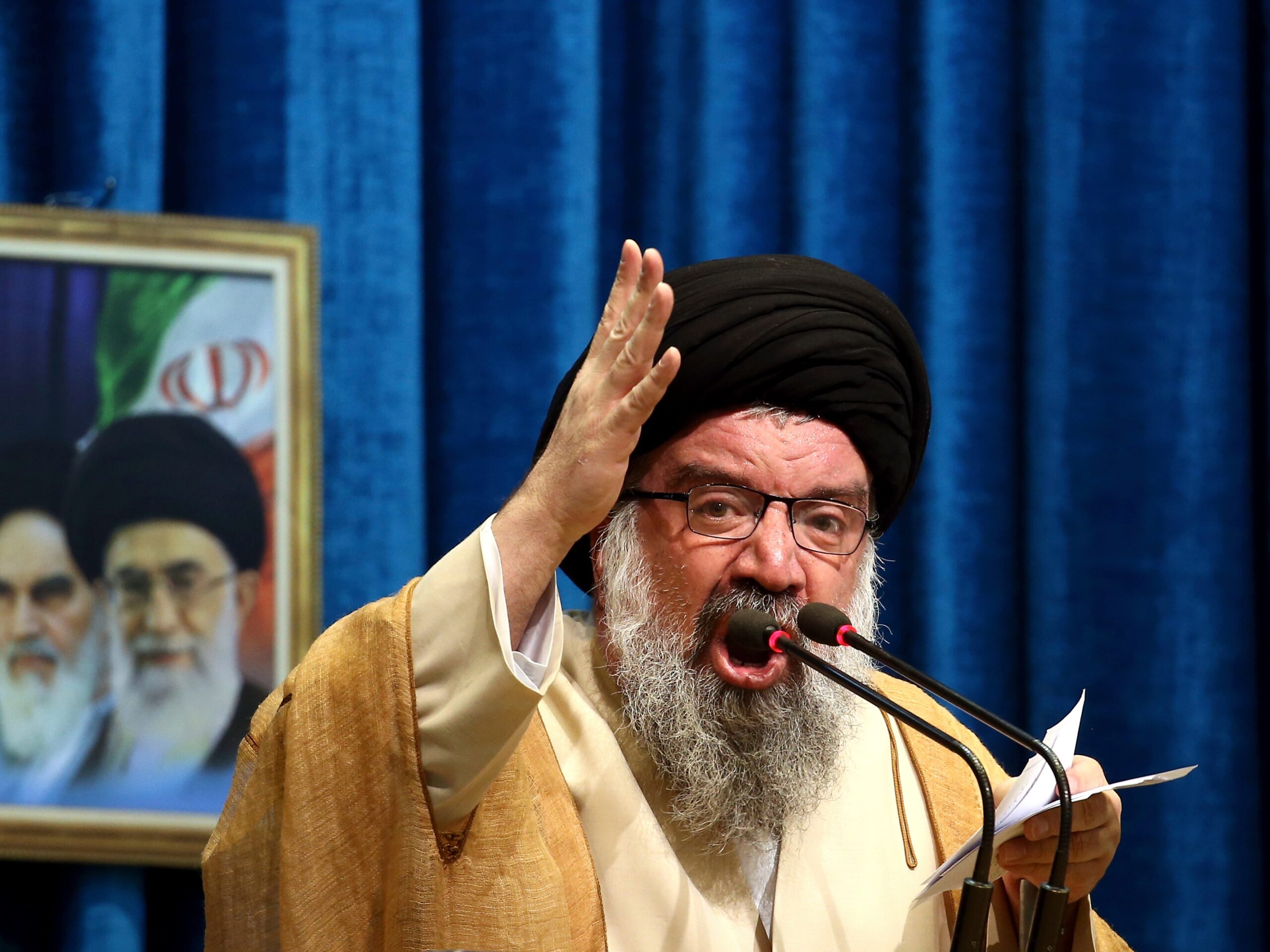
Tehran, Iran — March 5, 2026 — Parliament News — A Senior Iranian cleric calls for Trump’s blood during a speech addressing rising tensions between Iran and the United States following a naval confrontation at sea. The statement quickly attracted global attention as analysts, diplomats, and security experts began evaluating its implications for regional stability and international relations.
The speech occurred during a gathering where the cleric discussed recent military developments involving American and Iranian forces.
• Cleric statement sparks global political reaction
• Speech linked to rising US Iran military tensions
• International observers monitoring developments
The remarks quickly spread across international media channels and political discussions worldwide.
Speech Delivered During Heightened Political Climate
During a public gathering in Tehran, a Senior Iranian cleric calls for Trump’s blood while addressing supporters about what he described as escalating tensions with the United States.
The speech focused heavily on national sovereignty and recent military developments in the region.
Political speeches delivered during periods of international tension often carry strong emotional language designed to resonate with domestic audiences.
Observers say the cleric’s remarks were framed within a broader narrative of national frustration following reports of a naval incident involving American forces.
Security analysts note that speeches from influential religious leaders often attract attention because of their political influence within Iranian society.
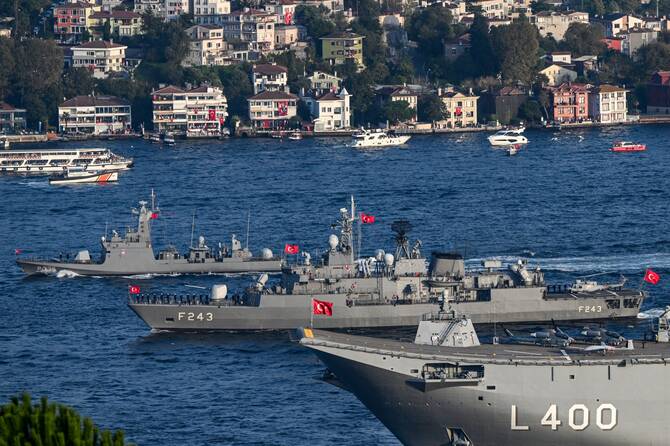
Naval Confrontation Triggers Political Reaction
The remarks followed news of a naval encounter involving American and Iranian forces. Shortly after those developments, a Senior Iranian cleric calls for Trump’s blood, linking the statement directly to the confrontation.
Naval incidents in strategic waters have historically triggered political reactions across multiple levels of leadership.
Military analysts say encounters between naval forces can quickly become symbolic events used by political figures to express broader geopolitical concerns.
Although detailed information about the maritime encounter remains limited, the political reaction has already become a significant talking point in regional media discussions.
Experts say maritime confrontations often serve as catalysts for rhetorical responses from political leaders.
International Governments Respond to the Rhetoric
When a Senior Iranian cleric calls for Trump’s blood, the statement immediately becomes a topic of discussion among governments and diplomatic institutions around the world.
Several officials from European and Asian nations emphasized the importance of restraint and diplomatic dialogue.
Statements from political and religious figures can influence global perceptions, particularly during periods of geopolitical tension.
Diplomatic observers say the international community continues monitoring developments while encouraging constructive communication between nations.
Political analysts believe that strong rhetoric often reflects emotional responses to military developments rather than immediate policy decisions.
Influence of Religious Leadership in Iranian Politics
The moment a Senior Iranian cleric calls for Trump’s blood illustrates the significant role religious figures play in Iran’s political and social environment.
Clerics often serve as influential voices capable of shaping public discourse on political issues.
Their statements can resonate strongly with supporters and influence how national events are interpreted domestically.
However, analysts emphasize that remarks delivered during speeches do not necessarily represent official government policy.
Understanding the difference between rhetorical messaging and official diplomatic positions is essential when analyzing such statements.
Experts say political speeches in Iran frequently blend religious symbolism with commentary on international events.
Strategic Messaging and Domestic Audiences
When a Senior Iranian cleric calls for Trump’s blood, analysts often interpret the statement as part of broader strategic messaging.
Political language delivered during times of conflict can serve multiple purposes.
Speeches may aim to express national solidarity, demonstrate political resolve, or communicate frustration following military incidents.
Security experts say rhetoric directed at foreign leaders can sometimes be intended primarily for domestic audiences rather than international confrontation.
Nevertheless, such statements can still influence diplomatic discussions and media narratives.
Governments and observers often analyze political speeches carefully to understand their broader context.
Media Coverage and Global Public Reaction
Once a Senior Iranian cleric calls for Trump’s blood, the statement quickly spreads across international news platforms and social media.
Media organizations around the world analyze the remarks while placing them within the broader geopolitical landscape.
Public reactions vary depending on political viewpoints, cultural perspectives, and interpretations of the speech.
Some observers see such statements as symbolic expressions of political frustration.
Others argue that rhetoric involving threats can intensify tensions between nations.
Media coverage plays an important role in shaping how the public understands and interprets these developments.
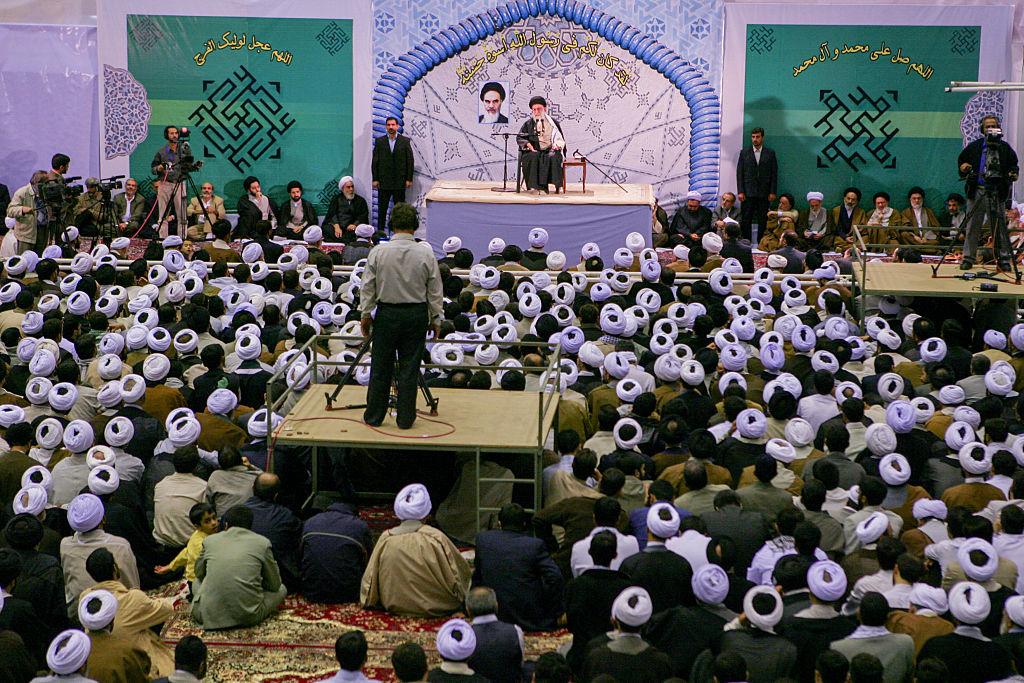
Diplomatic Channels Continue Quiet Communication
After a Senior Iranian cleric calls for Trump’s blood, diplomatic experts often emphasize the importance of maintaining communication between governments.
Even when public rhetoric becomes heated, diplomatic discussions frequently continue through formal and informal channels.
Diplomats work behind the scenes to prevent misunderstandings and reduce the risk of escalation.
International organizations often encourage dialogue and negotiation as a means of resolving disputes.
Political leaders across several countries have urged calm while encouraging diplomatic engagement.
These efforts aim to maintain stability during periods of heightened political tension.
History of US Iran Political Tensions
Understanding the significance of the moment when a Senior Iranian cleric calls for Trump’s blood requires examining the long history of strained relations between the United States and Iran.
The relationship between the two countries has experienced decades of political disagreements, economic sanctions, and strategic rivalry.
Events such as the 1979 Iranian revolution, nuclear negotiations, and regional conflicts have contributed to ongoing tensions.
Political rhetoric has frequently accompanied these developments.
Statements made during periods of conflict often reflect the broader historical narrative shaping relations between the two nations.
Analysts say understanding this historical context helps explain why political speeches receive such intense international attention.
Security Experts Evaluate Possible Consequences
When a Senior Iranian cleric calls for Trump’s blood, security analysts begin examining how such rhetoric might influence diplomatic relations and public perception.
Statements from influential figures can shape discussions surrounding military developments and international diplomacy.
However, experts emphasize that rhetoric alone does not necessarily translate into concrete action.
Governments typically rely on structured decision making processes when responding to international events.
Security specialists say careful analysis is required to separate emotional political language from official strategic policy.
One geopolitical analyst offered perspective on the situation.
“Political rhetoric during moments of tension often reflects emotion and symbolism rather than formal policy decisions.”
The Role of Language in International Politics
The moment a Senior Iranian cleric calls for Trump’s blood highlights the power of language in shaping global political discussions.
Words spoken during public speeches can quickly spread across international media networks.
In an interconnected world, political rhetoric often becomes part of a broader narrative that influences diplomacy and public perception.
Governments, analysts, and journalists carefully examine statements from influential figures to understand their broader meaning.
The impact of political language can extend far beyond the immediate audience of a speech.
Understanding these dynamics helps explain how international relations are shaped not only by actions but also by words.
When Political Words Echo Across the World
For observers around the globe, the moment a Senior Iranian cleric calls for Trump’s blood illustrates how statements delivered in one country can resonate internationally.
Political speeches often become symbolic moments within broader geopolitical narratives.
While tensions between Iran and the United States remain complex, analysts emphasize that diplomatic engagement continues alongside public rhetoric.
Experts say maintaining communication between nations remains essential for preventing misunderstandings and reducing the risk of escalation.
The episode serves as a reminder that in international politics, language can influence perceptions just as strongly as military developments.