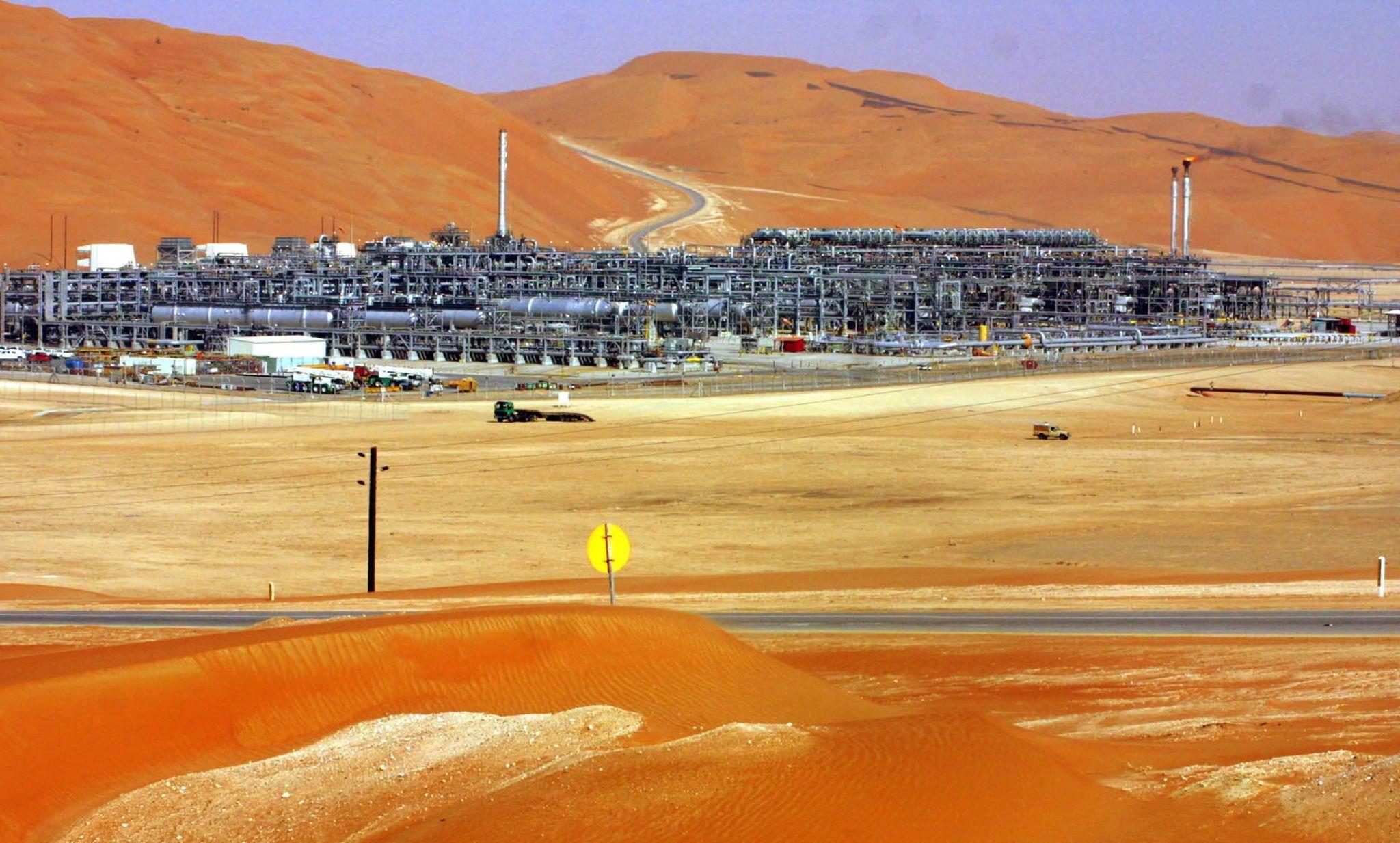
Saudi Arabia – March 12, 2026 — Parliament Politics Magazine — Saudi defense systems intercepted a drone approaching one of the kingdom’s most important oil installations, preventing what officials described as a potential Shaybah oil field attack. Military radar systems detected the unmanned aircraft before it entered restricted airspace surrounding the desert oil complex.
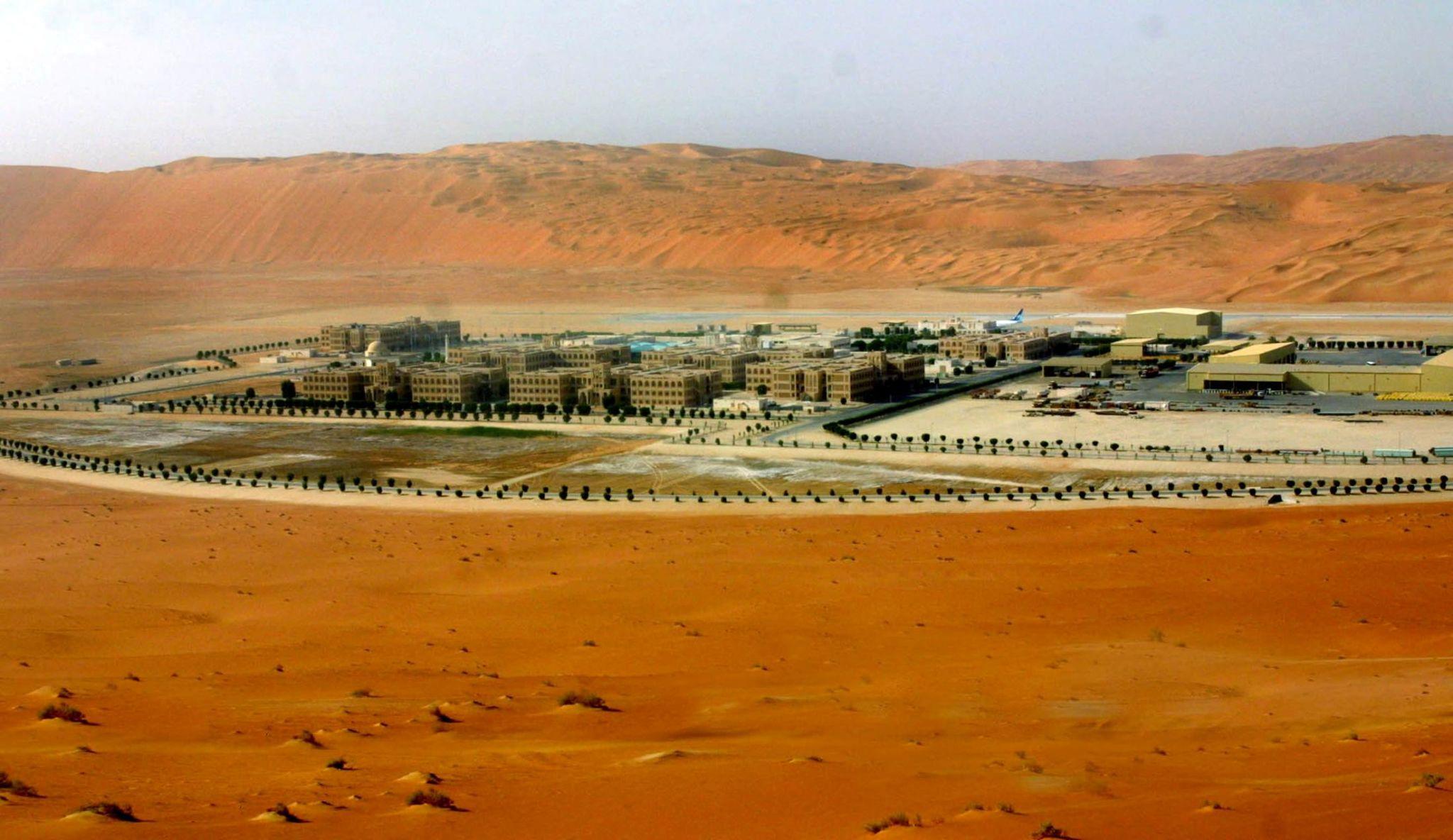
The Shaybah oil field is located deep within the Empty Quarter desert and plays a significant role in Saudi Arabia’s oil production network. Defense officials confirmed the drone was neutralized safely before it could reach critical infrastructure.
Energy analysts say incidents involving large oil facilities are closely monitored by global markets because disruptions could affect international oil supply.
The attempted Shaybah oil field attack quickly drew attention from security experts who note that drone technology has increasingly been used in regional conflicts.
Strategic Importance of the Shaybah Oil Field
The Shaybah oil field is one of Saudi Arabia’s largest and most technologically advanced oil production sites. Operated by Saudi Aramco, the facility produces significant volumes of crude oil that contribute to global energy supply.
Because of its economic importance, the region is protected by sophisticated radar networks and air defense systems. These systems are designed to identify aerial threats such as drones, missiles, or other aircraft approaching restricted zones.
Officials emphasized that the interception prevented the Shaybah oil field attack from disrupting production or damaging infrastructure.
Global energy markets rely heavily on stable production from the Middle East, making protection of facilities like Shaybah a major priority.
Historical Comparison of Oil Infrastructure Attacks
Attempts targeting energy facilities are not new in the region. Over the past decade, several oil installations across the Middle East have faced threats from drones and missiles.
Security experts often compare incidents like the Shaybah oil field attack attempt to earlier attacks on oil infrastructure that temporarily disrupted production and triggered spikes in global oil prices.
These historical events demonstrate how vulnerable energy infrastructure can be during periods of geopolitical tension.
Because of those past incidents, many countries including Saudi Arabia have strengthened their defense systems around major energy assets.
Expert Reaction to the Incident
Security analysts believe the incident shows how rapidly evolving technology is reshaping modern security challenges.
One regional defense analyst explained the situation by saying, “Protecting critical oil infrastructure is now a top national priority because even a small drone can threaten facilities that supply energy to the world.”
The attempted Shaybah oil field attack highlights the growing need for advanced monitoring systems capable of detecting small unmanned aircraft before they reach sensitive areas.
Saudi Arabia has expanded its defensive capabilities significantly in recent years to counter these types of threats.
Energy Markets Monitoring the Situation
Events involving oil infrastructure often influence investor confidence and global energy markets. Even when attacks fail, the possibility of disruptions can create volatility.
The interception that prevented the Shaybah oil field attack helped reassure markets that Saudi oil production remains secure.
Energy traders frequently monitor geopolitical developments in the Middle East because the region plays a major role in supplying crude oil worldwide.
Maintaining uninterrupted production is essential not only for Saudi Arabia’s economy but also for global energy stability.
What the Shaybah Incident Means for Energy Security
The attempted Shaybah oil field attack underscores the growing importance of protecting critical energy infrastructure in an era where drone technology is widely available.
Saudi Arabia’s successful interception demonstrates how modern air defense systems can prevent potential threats before they reach vital facilities.
As geopolitical tensions and technological risks continue to evolve, energy producing nations will likely continue strengthening security around major oil fields.
The Shaybah incident serves as a reminder that safeguarding global energy supply remains a critical challenge for governments and energy companies alike.
Key Takeaways From the Incident
The Shaybah oil field attack attempt in 2026 Saudi Arabia illustrates the ongoing security challenges facing global energy infrastructure. Saudi defense forces detected and intercepted a drone before it could reach the oil facility, preventing potential disruption to one of the kingdom’s most important production sites.
The incident reflects growing concerns about drone threats, the strategic importance of protecting oil infrastructure, and the continued need for advanced defense systems to maintain stability in global energy markets.