


South Africa power strategy is evolving with a strong push toward renewable energy.
Eskom and South32 are transforming industrial power supply at Hillside smelter.
The move signals a major shift in energy policy and economic direction.
Richards Bay, April 28, 2026 (Parliament Politics Magazine) South Africa power strategy is gaining momentum in Richards Bay, April 2026, as state utility Eskom and mining giant South32 collaborate to deliver renewable power to the Hillside aluminium smelter. The initiative highlights a critical transition in how the country powers its industrial backbone while addressing long-standing energy challenges.
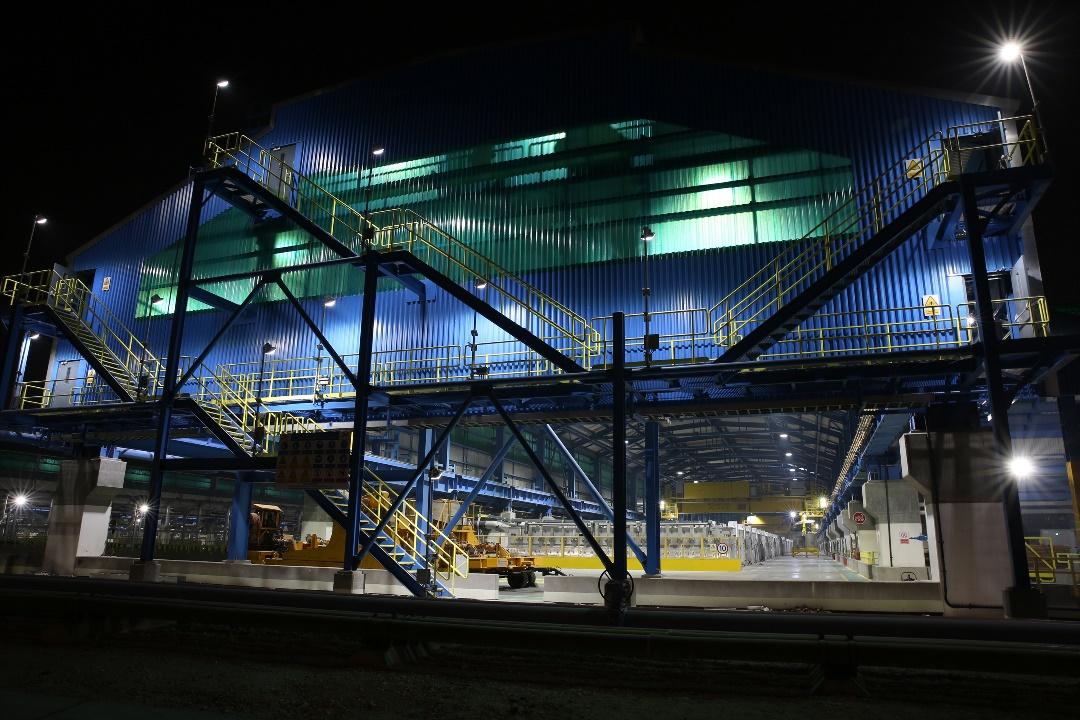
The Hillside smelter, one of the largest in the world, requires vast amounts of electricity. Integrating renewable sources such as solar and wind into its supply chain represents a significant step toward reducing emissions and stabilizing long-term energy costs.
A senior energy official stated,
“This partnership reflects a turning point in how we approach energy security and sustainability.”
Industrial Energy Demand Drives Policy Transformation
The need to support energy-intensive industries has been a central driver of policy changes. Aluminium production, in particular, requires consistent and large-scale power supply, making it a focal point for innovation.
South Africa power strategy is increasingly centered on ensuring reliable electricity for industries while reducing dependency on fossil fuels. The Eskom–South32 collaboration illustrates how public-private partnerships can address both economic and environmental priorities.
Experts suggest that industrial demand will continue to shape energy policy decisions in the coming years.
Renewable Energy Integration Gains Momentum
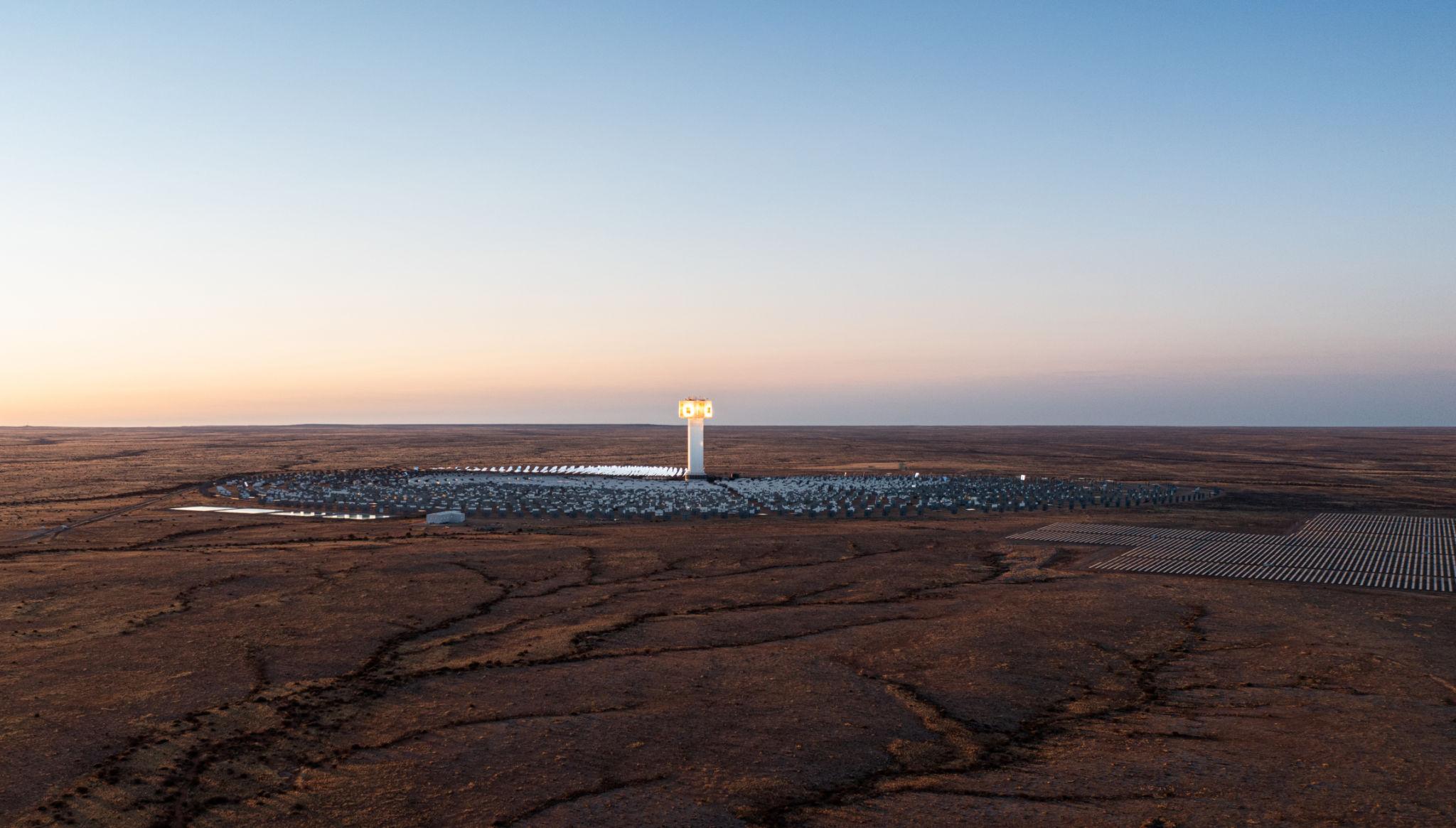
The integration of renewable energy into industrial operations is becoming a defining feature of the country’s energy transition. Solar farms and wind projects are being developed to support large-scale facilities like Hillside.
South Africa power strategy reflects a broader commitment to sustainability, aligning with global efforts to reduce carbon emissions. Renewable energy not only lowers environmental impact but also offers potential cost advantages over traditional power sources.
A renewable energy analyst commented,
“The economics of renewables are improving rapidly, making them a viable option for heavy industry.”
Economic Impact Extends Beyond Energy Sector
The shift toward renewable energy is expected to have wide-ranging economic implications. Investment in infrastructure, job creation, and technological innovation are key benefits of the transition.
South Africa power strategy aims to strengthen the country’s competitiveness by reducing energy costs and improving reliability. This could enhance the attractiveness of the industrial sector to both domestic and international investors.
The ripple effects of these developments are likely to influence multiple sectors, including manufacturing and logistics.
Grid Stability and Infrastructure Challenges Remain
Despite the progress, challenges remain in ensuring grid stability and managing the integration of renewable energy. Intermittent power generation from solar and wind sources requires advanced systems for storage and distribution.
South Africa power strategy must address these technical hurdles to achieve long-term success. Investments in grid modernization and energy storage technologies will be critical.
A power systems expert noted,
“Balancing supply and demand in a renewable-heavy grid is complex but achievable with the right investments.”
Private Sector Collaboration Becomes Key Driver
The involvement of private companies is playing an increasingly important role in the energy transition. Partnerships between utilities and industrial firms are enabling faster implementation of new technologies.
South Africa power strategy benefits from these collaborations, which bring together resources, expertise, and innovation. The Eskom–South32 deal serves as a model for future projects.
Such partnerships are expected to expand as the demand for sustainable energy solutions grows.
Global Context of Energy Transition
South Africa’s efforts are part of a broader global movement toward cleaner energy. Countries worldwide are investing in renewable technologies to meet climate goals and ensure energy security.
South Africa power strategy positions the country within this global context, demonstrating its commitment to modernizing its energy infrastructure. The success of these initiatives could influence other nations facing similar challenges.
Historical Context of South Africa’s Energy Evolution
Historically, South Africa’s energy system has relied heavily on coal-based power generation. While this approach provided stability for decades, it also contributed to environmental concerns and infrastructure strain.
South Africa power strategy represents a shift from traditional energy models toward a more diversified and sustainable approach. The transition reflects both necessity and opportunity in addressing long-term challenges.
Future Outlook for Industrial Energy Projects
Looking ahead, the integration of renewable energy into industrial operations is expected to accelerate. Companies are recognizing the benefits of sustainable practices, both economically and environmentally.
South Africa power strategy is likely to evolve as new technologies emerge and investments increase. Continued innovation will be essential for maintaining momentum and achieving long-term goals.
Key Developments
- Location: Richards Bay, South Africa
- Year: 2026
- Focus Keyword: South Africa power strategy
- Key Players: Eskom, South32
- Project: Renewable energy for Hillside smelter
- Primary Goal: Reduce emissions and ensure energy stability
- Challenges: Grid infrastructure and integration
- Global Impact: Aligns with worldwide energy transition
Key Takeaways: Energy Policy Enters New Phase
South Africa power strategy is entering a transformative phase, driven by the need for sustainability and reliability. The Eskom–South32 partnership highlights how innovation and collaboration can reshape the energy landscape.
The success of these efforts will depend on effective implementation, investment, and continued policy support.