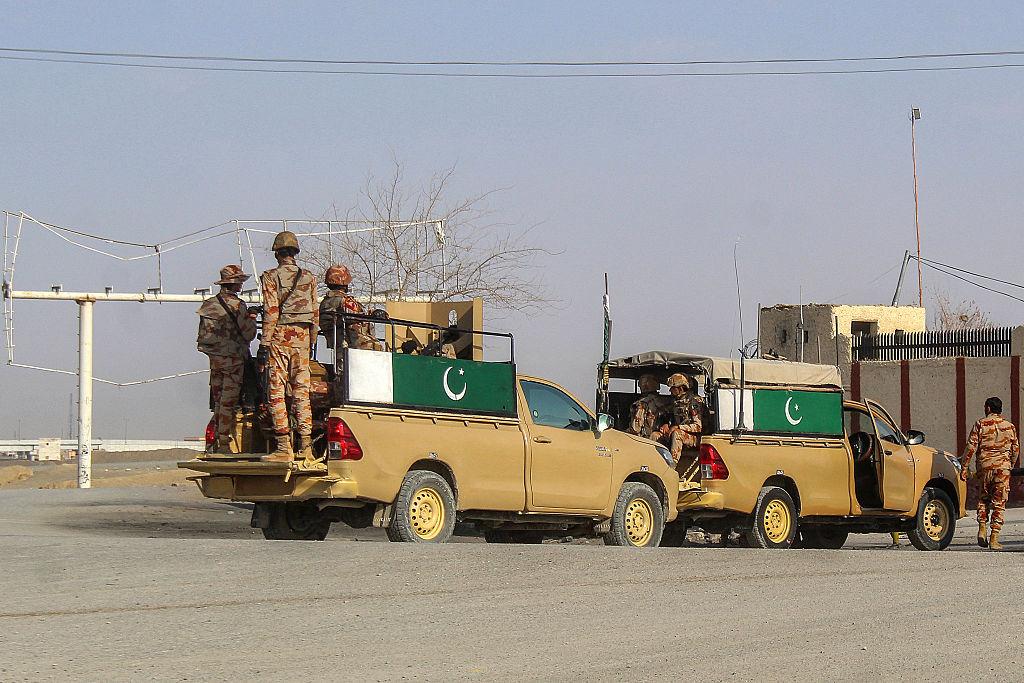
South Asia tensions intensified in 2026 following cross border security developments in Islamabad.
Regional leaders urged restraint amid growing diplomatic strain.
Analysts warn prolonged instability could reshape the security landscape.
ISLAMABAD, February 27, 2026 — According to Parliament News, that South Asia tensions have escalated sharply following a series of security developments that have drawn regional and global attention. Officials in Islamabad confirmed heightened military readiness and expanded border monitoring, while neighboring governments responded with diplomatic protests and urgent calls for dialogue. The unfolding situation has placed South Asia tensions at the forefront of international policy discussions during a year already marked by geopolitical uncertainty.
The escalation comes amid longstanding disagreements over border security, militant activity, and political mistrust. Although direct confrontation remains limited, the rhetoric and visible military positioning have created a volatile atmosphere. Diplomats caution that without careful management, South Asia tensions could evolve into a broader regional crisis affecting economic corridors and political alliances.
Immediate Security Developments
Pakistani authorities announced targeted defensive measures in response to intelligence indicating potential cross border threats. Security officials emphasized that operations were designed to prevent attacks and protect civilian populations within national territory. Nevertheless, the actions triggered swift condemnation from Kabul, where officials described the measures as excessive and destabilizing.
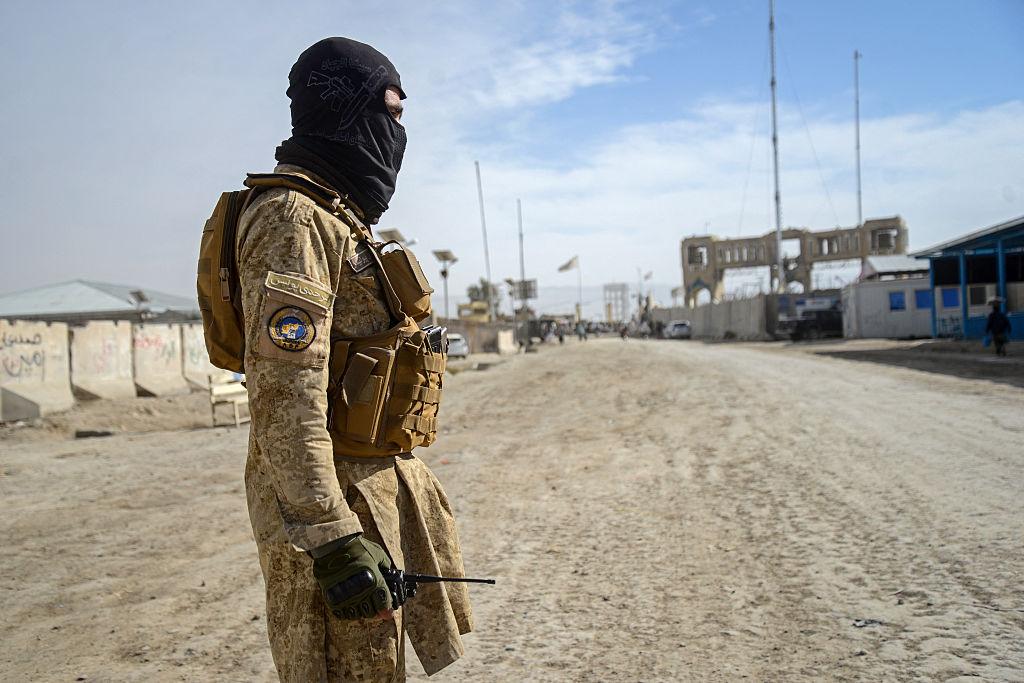
Border regions experienced increased patrols and surveillance. Residents reported checkpoints, road inspections, and restricted access to certain transit points. While authorities stressed that precautions were temporary, the visible security presence underscored the seriousness of the moment.
Analysts suggest that South Asia tensions have been building quietly for months. Diplomatic engagement had slowed, and trust deficits widened amid unresolved political questions. The latest developments, therefore, did not emerge in isolation but rather from accumulated friction.
Diplomatic Reactions Across Capitals
Foreign ministries across the region issued formal statements urging restraint. Several governments expressed concern that the current trajectory could undermine regional economic cooperation and infrastructure initiatives. Multilateral organizations echoed these appeals, emphasizing dialogue over confrontation.
South Asia tensions have historically drawn global attention because of the region’s strategic significance. Energy transit routes, trade corridors, and major population centers intersect across borders. Any sustained instability risks broader disruption beyond immediate conflict zones.
In Islamabad, officials indicated openness to diplomatic engagement provided national security concerns are addressed. Kabul likewise called for third party facilitation to ease mistrust. The parallel appeals for dialogue offer cautious optimism despite hardened rhetoric.
Impact on Border Communities
For civilians living near contested areas, uncertainty remains the most immediate consequence. Families have adjusted daily routines, limiting travel and monitoring official advisories closely. Schools in certain districts shifted to flexible schedules, and local businesses reduced operating hours as precautionary measures.
Humanitarian organizations began contingency planning, though large scale displacement has not been confirmed. Aid agencies remain concerned that prolonged South Asia tensions could strain already limited resources in vulnerable regions.
Local leaders emphasize shared cultural and economic ties between communities across borders. They warn that extended instability would harm livelihoods dependent on cross border trade and seasonal labor movement.
Political Pressures and Domestic Narratives
National leaders face domestic expectations to demonstrate resolve during crises. Public opinion, shaped by media coverage and social commentary, often pushes governments toward assertive messaging. Political analysts note that domestic pressure can narrow diplomatic flexibility, making compromise more difficult.
In Islamabad, officials framed security actions as necessary defense measures. In Kabul, leaders portrayed the situation as an infringement requiring international attention. Such framing contributes to the perception that South Asia tensions represent more than isolated incidents.
Political rhetoric has been amplified by rapid digital communication. Social media platforms circulate unverified reports alongside official statements, increasing the challenge of maintaining calm. Governments are working to manage information flow while emphasizing transparency.
Economic Consequences and Market Sensitivity
Financial markets reacted cautiously to the escalation. Regional currencies and equities experienced modest fluctuations as investors assessed potential risk exposure. Trade analysts warned that sustained South Asia tensions could disrupt supply chains linking Central and South Asia.
Energy transit infrastructure and logistics corridors remain critical components of regional economic strategy. Even temporary instability can affect insurance costs, shipping schedules, and investor confidence. Economic planners are therefore closely monitoring diplomatic developments.
Despite concerns, economists suggest that diversified trade networks may buffer immediate shocks. However, prolonged uncertainty could alter long term investment patterns in infrastructure and manufacturing sectors.
International Mediation Efforts
Major global capitals have engaged in quiet diplomacy aimed at reducing misunderstandings. Diplomatic sources confirm ongoing communication between senior officials across borders. The United Nations reiterated support for peaceful dispute resolution and offered facilitation mechanisms.
South Asia tensions are often managed through layered diplomacy combining formal negotiations with informal backchannel engagement. Military hotlines, intelligence coordination, and third party mediation have historically prevented escalation beyond manageable limits.
Observers believe that sustained engagement over the coming weeks will determine whether rhetoric subsides. Diplomatic momentum must be maintained to prevent isolated incidents from triggering broader confrontations.
Security Calculations and Strategic Posture
Military analysts describe the current posture as calibrated signaling rather than preparation for extended conflict. Increased readiness serves both deterrent and defensive functions. Nevertheless, visible mobilization can heighten misinterpretation risks.
South Asia tensions involve complex strategic considerations. Leaders must balance deterrence with restraint while maintaining credibility domestically and internationally. Strategic ambiguity may sometimes serve de escalation, but it can also create uncertainty.
Defense experts emphasize the importance of communication channels between armed forces. Even during heightened alert, coordination mechanisms reduce accidental escalation and miscalculation.
Humanitarian Dimensions
Beyond geopolitics, the human dimension remains paramount. Healthcare facilities near border areas have reviewed emergency preparedness plans. Community organizations are providing counseling services to residents experiencing anxiety.
Prolonged South Asia tensions could affect education, healthcare access, and employment opportunities. Development agencies stress that protecting civilian welfare must remain central to any resolution strategy.
Religious and civic leaders have issued joint appeals encouraging calm and dialogue. Their involvement underscores the social responsibility shared by non governmental actors in times of crisis.
Media Coverage and Information Management
Global media outlets have provided extensive coverage, highlighting both official statements and on the ground developments. Headlines referencing South Asia tensions reflect international concern over potential escalation.
Information accuracy remains critical. Authorities urge media organizations to verify reports carefully to avoid amplifying rumors. Transparent communication helps prevent panic and maintain public trust.
Public perception influences diplomatic flexibility. Governments are therefore balancing firm messaging with assurances that dialogue remains possible.
Historic Comparison
Throughout modern history, regional crises in this part of Asia have followed recognizable patterns. Periods of heightened rhetoric and military signaling were often followed by diplomatic engagement and gradual stabilization. The 1990s and early 2000s saw several moments when mistrust threatened broader instability, yet structured negotiations and international facilitation helped avert sustained confrontation.
In comparison, today’s environment differs due to faster communication and greater economic interdependence. While South Asia tensions echo earlier episodes of friction, the stakes now involve larger trade networks and more integrated financial systems. Historical precedent suggests that de escalation is achievable, but it requires disciplined diplomacy and sustained political will.
Voices Calling for Restraint
Regional scholars and policy experts have emphasized the need for measured responses. One senior analyst stated,
“Escalation may generate short term political gains, but long term stability depends on sustained dialogue and mutual recognition of security concerns.”
The remark reflects a broader consensus among observers that strategic patience is essential during volatile periods.
Such perspectives reinforce the idea that South Asia tensions must be managed carefully to prevent unintended consequences. Diplomacy remains the most reliable path toward stability.
Strategic Alliances and Broader Implications
The region’s interconnected alliances add complexity to crisis management. Neighboring states maintain varied defense and economic partnerships, creating overlapping interests. International stakeholders are therefore assessing how evolving South Asia tensions could influence broader strategic alignments.
Infrastructure initiatives linking Central Asia to maritime trade routes depend on predictable security conditions. Policymakers recognize that instability could delay long planned development projects.
Nevertheless, many analysts argue that shared economic interests create incentives for compromise. Economic interdependence can function as a stabilizing force during political disputes.
Prospects for Dialogue
Diplomatic meetings may occur in neutral venues in the coming weeks. Preliminary discussions reportedly focus on confidence building measures and improved communication protocols. Officials have indicated willingness to explore mechanisms that address immediate concerns while laying groundwork for longer term cooperation.
South Asia tensions often ease when structured dialogue replaces reactive rhetoric. Trust building requires incremental progress rather than sweeping agreements. Confidence building steps such as joint monitoring initiatives and coordinated humanitarian efforts could reduce mistrust.
The coming period will test the resilience of diplomatic institutions across the region.
The Broader Regional Context
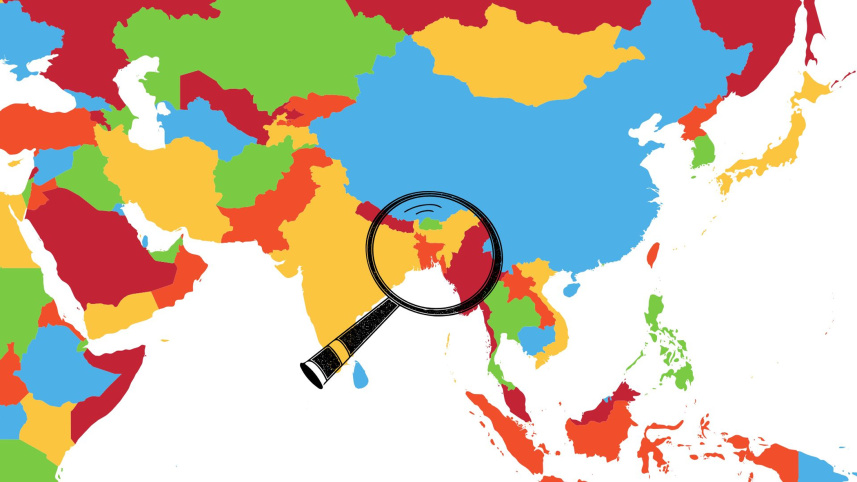
South Asia encompasses diverse political systems and economic priorities. Stability in one area influences prosperity across borders. Consequently, managing South Asia tensions is not solely a bilateral matter but a regional imperative.
Economic growth projections for 2026 depend partly on predictable security conditions. Regional development banks and trade organizations are therefore monitoring developments closely.
Civic groups emphasize that peace benefits ordinary citizens most directly. Sustained calm enables education, healthcare access, and economic mobility.
Looking Ahead to 2026 and Beyond
As 2026 progresses, policymakers face a pivotal choice. Continued escalation risks eroding trust and economic opportunity. Measured diplomacy offers a path toward restoring stability.
South Asia tensions represent both challenge and opportunity. The challenge lies in overcoming entrenched mistrust. The opportunity emerges in reaffirming commitment to peaceful resolution mechanisms that have historically prevented prolonged conflict.
The world watches carefully as Islamabad and neighboring capitals navigate this delicate moment. Leaders must weigh domestic pressures against regional responsibilities.
Beyond the Breaking Point A Test of Regional Resilience
Crises reveal the strength of institutions and the maturity of leadership. South Asia tensions have reached a point requiring deliberate and thoughtful engagement. Stability will depend not only on military calculations but also on sustained diplomatic courage.
The region stands at a crossroads. Decisions made today will shape economic prospects, security frameworks, and public confidence for years to come. While uncertainty persists, dialogue remains possible. History demonstrates that cooperation can prevail even in moments of strain.
In the final analysis, resilience will determine the outcome. Whether this chapter becomes a brief escalation or a prolonged confrontation depends on the commitment of leaders to prioritize peace over pride.