


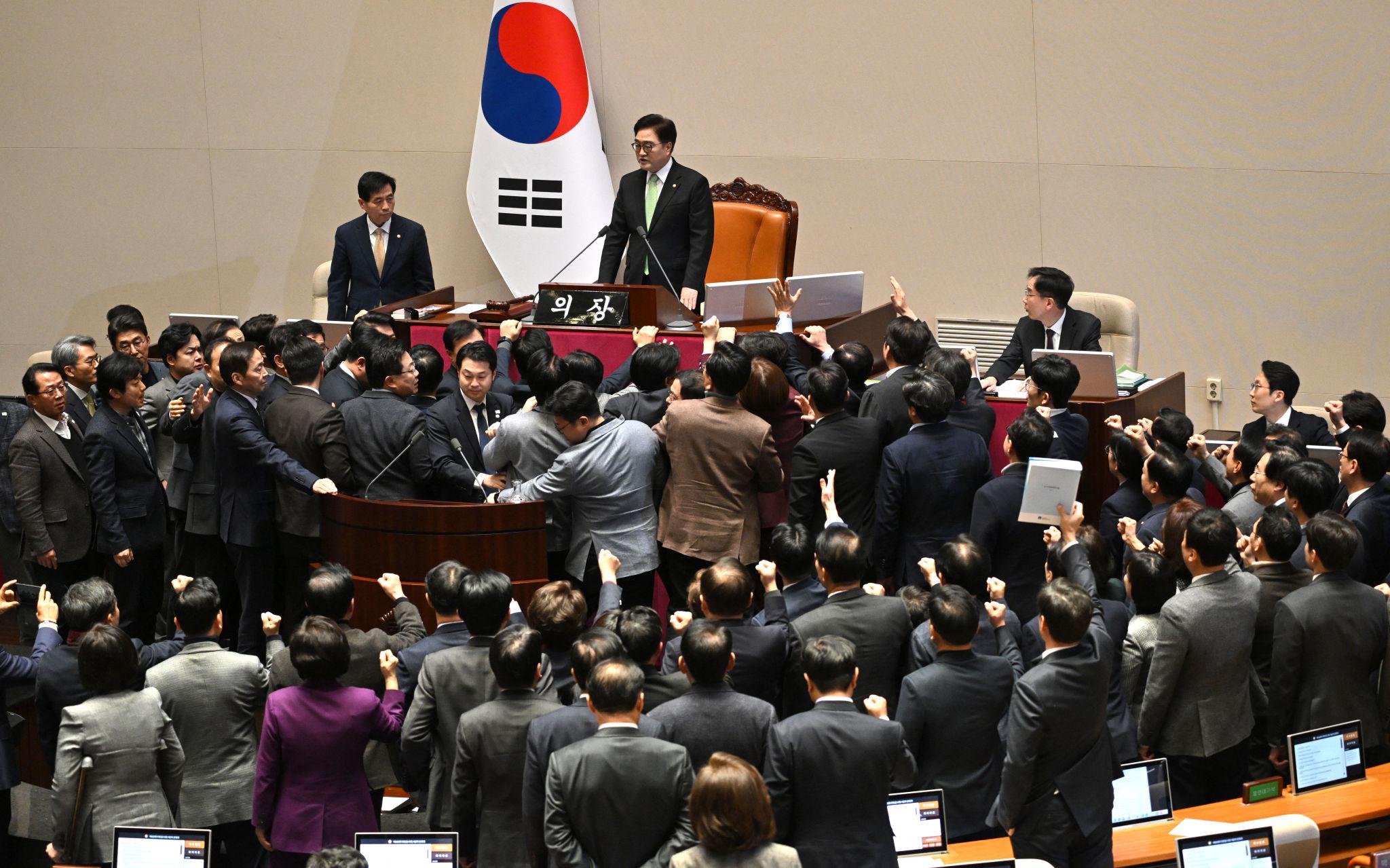
Seoul, South Korea — March 4, 2026 — According to Parliament News, that The future of South Korea US trade relations is drawing intense attention as lawmakers in Seoul prepare to debate a new investment framework that could influence economic cooperation between the two countries for years to come. The discussion comes during a period of global economic uncertainty, rising tariff pressure, and shifting supply chains that are reshaping how nations approach international trade.
Officials in South Korea’s National Assembly confirmed that the upcoming vote will address policies affecting foreign investment, technology partnerships, and long term economic collaboration with the United States. Analysts say the debate highlights how central South Korea US trade relations have become to the stability of global markets and the economic future of both nations.
For decades, the United States and South Korea have built one of the most significant economic partnerships in the Asia Pacific region. That partnership now stands at a turning point as policymakers attempt to balance economic growth, technological leadership, and national security concerns.
A Pivotal Moment for Economic Policy
South Korea’s National Assembly is preparing for what many observers believe could become one of the most important economic policy debates of the year. Legislators are examining proposals designed to guide foreign investment while strengthening the economic partnership with Washington.
The discussions reflect the growing importance of South Korea US trade relations in shaping global trade dynamics. Supporters of the proposed legislation argue that strengthening economic cooperation with the United States will create new opportunities for investment and innovation.
Critics, however, caution that increased foreign investment must be carefully managed to ensure that strategic industries remain protected. Lawmakers are therefore attempting to strike a balance between encouraging economic growth and safeguarding national interests.
The debate has become particularly significant because both countries play major roles in global technology production, manufacturing, and international supply chains.
Global Supply Chains and Strategic Industries
Modern trade relationships are no longer limited to the exchange of goods. They now involve complex networks of technology development, supply chain management, and international investment.
Because of this reality, South Korea US trade relations are deeply connected to industries that shape the global economy. Semiconductor manufacturing, electric vehicles, artificial intelligence, and advanced electronics are just a few sectors where cooperation between the two nations has become essential.
South Korea is home to some of the world’s most influential technology companies, many of which maintain close partnerships with American firms. These partnerships allow both countries to remain competitive in industries where innovation moves rapidly.
Economic analysts say the ongoing debate in Seoul could determine how these partnerships evolve in the coming decade.
Tariff Pressure Influences Political Debate
Tariffs and trade restrictions have become increasingly important factors in global economic policy. Governments around the world are reexamining how tariffs affect domestic industries and international commerce.
In this environment, maintaining strong South Korea US trade relations has become a priority for policymakers seeking to protect economic stability.
South Korean exporters rely heavily on global markets, and the United States remains one of their most important destinations. Any disruption in trade policy could therefore have significant consequences for businesses and workers in both countries.
Lawmakers debating the investment bill are carefully evaluating whether the proposed policies will help reduce uncertainty caused by tariffs and shifting global trade conditions.
Investment Opportunities and Economic Growth
Supporters of the proposed legislation believe it could unlock new investment opportunities and strengthen economic cooperation between American and South Korean companies.
They argue that deeper South Korea US trade relations will encourage cross border investment, support job creation, and accelerate technological innovation.
For example, several multinational corporations have already announced plans to expand semiconductor manufacturing and research facilities in South Korea. These investments are often supported by partnerships with American technology companies.
By strengthening investment frameworks, policymakers hope to ensure that both countries remain leaders in emerging industries such as advanced computing, biotechnology, and renewable energy.
Concerns About Economic Sovereignty
Despite the potential benefits of increased investment, some lawmakers have expressed concern about the long term implications of foreign influence in strategic sectors.
These concerns are part of the broader debate surrounding South Korea US trade relations and how governments should manage international economic partnerships.
Critics of the proposed legislation argue that South Korea must maintain control over critical industries, particularly those related to national security and technological innovation.
They believe additional safeguards should be included in the legislation to ensure that domestic companies retain ownership of key technologies and intellectual property.
The debate reflects a global trend in which governments are attempting to balance economic openness with national security considerations.
Financial Markets Watching Closely
The outcome of the parliamentary debate is being closely monitored by investors across Asia, Europe, and North America.
Financial institutions believe that developments affecting South Korea US trade relations could influence currency markets, stock exchanges, and long term investment strategies.
Multinational corporations operating in both countries are particularly interested in how new policies might affect regulatory frameworks and partnership opportunities.
Some analysts say the vote could also send a signal to other governments considering similar economic reforms.
Historical Comparison of Bilateral Cooperation
The modern partnership between the United States and South Korea has roots that extend back to the aftermath of the Korean War. In the decades that followed, economic cooperation between the two countries played a major role in transforming South Korea from a war damaged nation into one of the world’s leading industrial economies.
During the late twentieth century, trade agreements and strategic alliances gradually strengthened South Korea US trade relations, allowing businesses in both countries to expand into new markets. One of the most significant milestones occurred when the Korea United States Free Trade Agreement came into force, dramatically increasing trade volumes and investment opportunities.
Today’s debates in Seoul echo earlier periods when policymakers sought to adapt economic partnerships to changing global conditions. Just as previous generations of leaders worked to strengthen cooperation, today’s policymakers are attempting to modernize the relationship for a new economic era defined by digital trade, technological competition, and global supply chain challenges.
Quote From an Economic Analyst
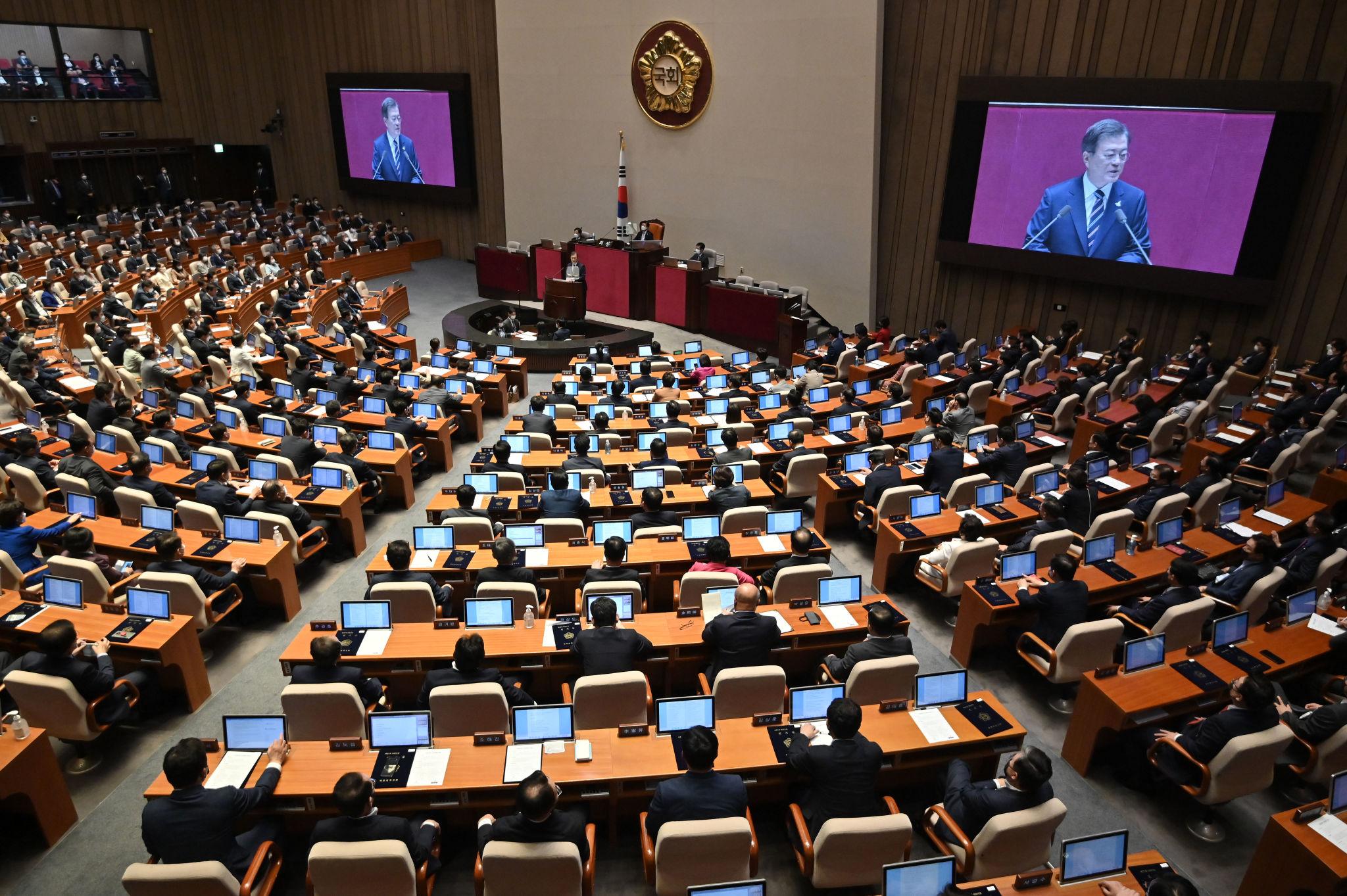
A regional economic policy analyst described the importance of the current debate by saying,
“Strong partnerships between major economic allies create stability in global markets. The decisions being made in Seoul about South Korea US trade relations will shape investment patterns and supply chains for years to come.”
Diplomacy and Economic Strategy
As lawmakers continue debating the investment framework in Seoul, diplomatic engagement between the United States and South Korea remains active through economic forums, policy meetings, and bilateral discussions. These conversations are aimed at strengthening South Korea US trade relations and ensuring both governments remain aligned on key economic priorities.
Officials from both countries have repeatedly emphasized that stable South Korea US trade relations are essential for maintaining economic growth, protecting supply chains, and encouraging international investment. The partnership is widely viewed as one of the most important economic alliances in the Asia Pacific region.
Diplomatic cooperation also plays a vital role in managing disagreements related to tariffs, technology regulations, and investment policies. By working through established diplomatic channels, leaders seek to ensure that South Korea US trade relations remain resilient even when policy differences arise.
Economic dialogue between Washington and Seoul frequently focuses on innovation, technology development, and global market stability. These discussions allow policymakers to coordinate strategies that reinforce South Korea US trade relations while supporting industries that depend on cross border collaboration.
Regular consultations between trade officials also provide opportunities to resolve emerging disputes early. This proactive approach helps prevent misunderstandings from escalating into larger economic conflicts that could weaken South Korea US trade relations.
Through sustained diplomatic engagement, both governments aim to maintain open communication and ensure that South Korea US trade relations continue to evolve in ways that benefit businesses, workers, and consumers in both nations.
Ultimately, continued cooperation in trade policy and economic planning helps reinforce the long term stability of South Korea US trade relations, which remain a cornerstone of the broader partnership between the two countries.
In an increasingly complex global economy, policymakers believe that strong diplomacy will remain essential for preserving South Korea US trade relations and supporting sustainable international growth.
Regional Implications for Asia Pacific Economies
The economic relationship between South Korea and the United States extends far beyond bilateral trade. It also influences economic policy across the wider Asia Pacific region.
Neighboring economies often adjust their strategies in response to developments affecting South Korea US trade relations, particularly when those developments involve technology supply chains or major investment projects.
Because both countries play significant roles in global manufacturing and technology production, their partnership can influence trade patterns across multiple continents.
Economic cooperation between Seoul and Washington therefore remains an important factor in maintaining stability in international markets.
Technology Competition and Future Innovation
The race to develop advanced technologies is becoming one of the most important drivers of international economic policy.
Artificial intelligence, semiconductor manufacturing, renewable energy, and advanced communications infrastructure are all areas where cooperation between the United States and South Korea could shape the future of global innovation.
Maintaining strong South Korea US trade relations will likely be essential for ensuring that both countries remain competitive in these rapidly evolving industries.
Industry leaders believe that collaboration between American research institutions and South Korean technology companies could accelerate breakthroughs in several fields.

Looking Ahead to the Future of Economic Partnership
As policymakers continue debating the investment framework, many observers believe the coming months will determine the next phase of economic cooperation between Seoul and Washington.
The evolving structure of South Korea US trade relations will likely depend on how governments balance economic openness with strategic protection of key industries.
Businesses, investors, and policymakers around the world will be watching closely to see how the debate unfolds.
A Partnership That Continues to Shape Global Commerce
Few international economic partnerships have had as much influence on the Asia Pacific region as the relationship between South Korea and the United States.
Over decades, trade agreements, investment flows, and technological cooperation have strengthened South Korea US trade relations and helped drive economic growth in both countries.
As global trade continues to evolve, the decisions made by policymakers in Seoul and Washington will play a critical role in shaping the future of international commerce.
For now, the world is watching closely as South Korea prepares to determine how its economic partnership with the United States will move forward in the years ahead.