

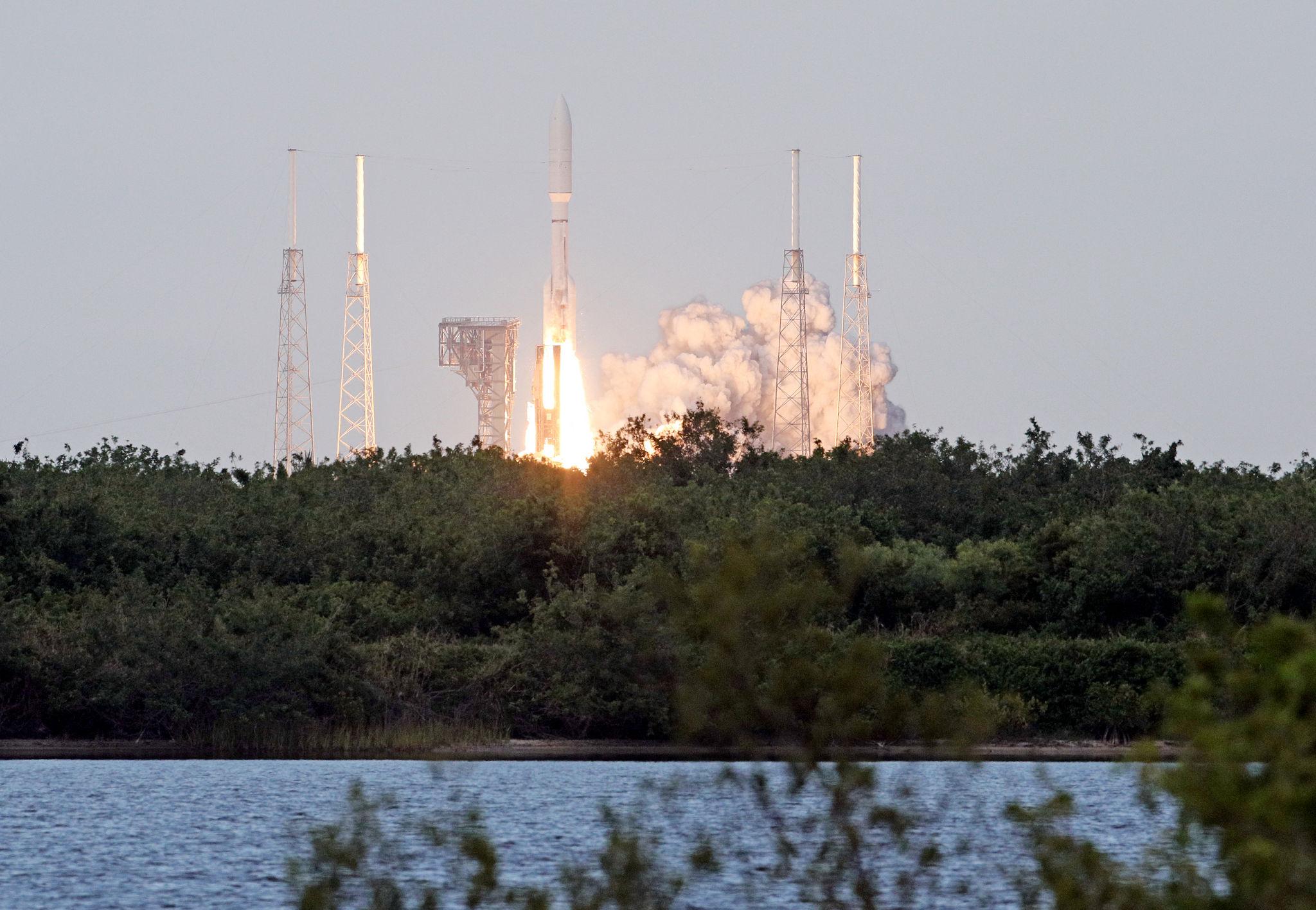
United States, February 5, 2026 — According to Parliament News, that SpaceX Starlink services are playing an increasingly central role in reshaping the American communications landscape, as satellite-based broadband expands deeper into rural regions and new connectivity capabilities move closer to deployment. What began as a supplemental internet option has matured into a nationwide infrastructure layer that policymakers, businesses, and consumers now consider strategically significant.
Operated by SpaceX, the satellite network has grown rapidly in scale, with thousands of low Earth orbit satellites providing coverage across most of the continental United States. The expansion reflects a broader shift in how internet access is delivered in regions where traditional fiber and cable networks remain limited or economically unviable.
Nationwide Expansion Gains Momentum
Throughout 2026, federal data and independent broadband reports indicate a steady increase in satellite internet subscriptions, particularly in underserved communities. SpaceX Starlink services have been adopted by households, small businesses, farms, and remote work hubs seeking consistent connectivity where terrestrial networks struggle to reach.
Industry analysts note that satellite broadband is no longer viewed as a temporary solution. Instead, it is increasingly integrated into long-term connectivity planning, especially in areas vulnerable to extreme weather or infrastructure disruption.
Strategic Importance for SpaceX
The continued growth of SpaceX Starlink services has strengthened SpaceX’s financial resilience, providing recurring revenue outside its traditional launch business. While SpaceX does not release detailed subscriber or revenue figures, analysts estimate that satellite internet subscriptions now contribute a substantial portion of the company’s annual income.
This financial diversification has allowed SpaceX to maintain an aggressive launch schedule, invest in next-generation satellite technology, and pursue long-term exploration goals without relying solely on government and commercial launch contracts.
Impact on Rural and Remote Communities
Access to reliable internet remains uneven across the United States. In many rural counties, broadband speeds lag far behind urban averages. SpaceX Starlink services have become a practical alternative for residents who previously depended on slow DSL or costly wireless solutions.
Educators and healthcare providers report improved access to online tools, telemedicine platforms, and digital learning resources. Local officials in several states have also integrated satellite internet into emergency preparedness plans, citing its reliability during power outages and natural disasters.

Business and Enterprise Adoption
Commercial demand for SpaceX Starlink services has expanded beyond residential users. Construction companies, energy firms, maritime operators, and aviation providers are increasingly deploying satellite connectivity to support mobile and remote operations.
Enterprise-grade service tiers offer higher bandwidth and prioritized traffic, making satellite broadband a viable option for mission-critical applications. Analysts say this diversification of use cases signals the network’s transition from consumer-focused service to core infrastructure.
Satellite-to-Phone Connectivity Developments
One of the most closely watched initiatives in 2026 is the development of direct satellite-to-phone communication. SpaceX has confirmed testing designed to enable standard smartphones to connect directly to satellites for basic messaging and emergency communication.
If deployed at scale, SpaceX Starlink services could reduce reliance on traditional cellular towers in remote and disaster-prone areas. Telecommunications experts caution that widespread adoption will require regulatory approval and spectrum coordination, but acknowledge the potential significance of the technology.
Financial Analysts Assess Long-Term Viability
Market analysts tracking private aerospace firms view SpaceX Starlink services as a long-term stabilizing asset. Unlike launch contracts, which can fluctuate year to year, subscription-based satellite internet provides predictable cash flow.
One satellite industry analyst said,
“The Starlink network has fundamentally altered SpaceX’s business profile, turning it into both an aerospace and telecommunications company.”
Regulatory and Policy Considerations
As satellite constellations grow, regulators continue to examine issues related to orbital congestion, spectrum allocation, and space debris mitigation. SpaceX has committed to deorbiting satellites at the end of their operational life and coordinating with international agencies.
Federal communications officials have acknowledged the role SpaceX Starlink services play in expanding broadband access, while emphasizing the need for ongoing oversight as satellite traffic increases.

Environmental and Orbital Sustainability
Environmental groups and astronomers have raised concerns about the visual and orbital impact of large satellite constellations. SpaceX has introduced design changes aimed at reducing reflectivity and improving tracking transparency.
Company officials say sustainability measures are essential to ensuring SpaceX Starlink services can continue expanding without compromising the long-term usability of low Earth orbit.
International Implications
Although the United States remains a primary market, international demand continues to rise. Several countries have approved expanded operations, while others are evaluating regulatory frameworks to accommodate satellite-based internet.
The global expansion of SpaceX Starlink services positions SpaceX as a major player in international telecommunications, particularly in regions lacking extensive ground infrastructure.
Digital Inclusion and Economic Effects
Economists studying broadband access note a strong correlation between connectivity and economic participation. Expanded satellite internet access has supported small business growth, remote employment, and access to digital government services.
By reducing connectivity gaps, SpaceX Starlink services contribute to broader efforts aimed at closing the digital divide, particularly in geographically isolated communities.
Technological Evolution of the Network
SpaceX continues launching upgraded satellites with enhanced capacity and improved performance. Newer generations are designed to handle higher traffic volumes and support additional services, including mobile connectivity.
These upgrades are expected to strengthen SpaceX Starlink services as data demand continues to rise across consumer and enterprise markets.
History of Starlink’s Development
The Starlink project was first announced in the mid-2010s as a way to fund SpaceX’s long-term exploration goals while addressing global internet access gaps. Initial test satellites launched quietly, followed by rapid constellation deployment once performance benchmarks were met.
Over time, SpaceX Starlink services evolved from experimental trials into commercial offerings, driven by falling launch costs and advances in satellite manufacturing. The project’s scale expanded quickly, reshaping expectations for satellite broadband worldwide.

Competition in the Satellite Broadband Sector
Rival satellite operators are investing heavily in next-generation constellations, seeking to challenge SpaceX’s early lead. However, SpaceX’s control over launch capabilities provides a cost and deployment advantage.
Industry observers note that SpaceX Starlink services benefit from faster iteration cycles, allowing improvements to be rolled out more rapidly than competitors can match.
Government and Emergency Use Cases
Federal and state agencies have increasingly relied on satellite internet during emergencies, including hurricanes, wildfires, and infrastructure failures. Portable terminals can be deployed quickly, restoring connectivity when ground networks are damaged.
These real-world applications reinforce the perception of SpaceX Starlink services as critical infrastructure rather than optional connectivity.
Challenges Ahead
Despite strong growth, challenges remain. Network congestion in high-demand areas, regulatory delays, and geopolitical considerations could affect expansion timelines.
Maintaining service quality while scaling globally will be essential to preserving confidence in SpaceX Starlink services over the long term.
The Road Ahead
As 2026 progresses, SpaceX is expected to continue refining its satellite network, expanding coverage, and exploring new service offerings. Analysts believe satellite internet will remain a central pillar of the company’s strategy.
With continued investment and regulatory cooperation, SpaceX Starlink services are positioned to remain a defining feature of the evolving global connectivity landscape.
A Defining Shift in Internet Infrastructure
The rise of satellite-based broadband marks a structural change in how connectivity is delivered. By operating at scale and integrating launch, manufacturing, and service delivery, SpaceX has challenged long-standing assumptions about internet infrastructure.
As digital access becomes increasingly essential, SpaceX Starlink services represent a shift toward more flexible, resilient, and geographically inclusive connectivity models.