

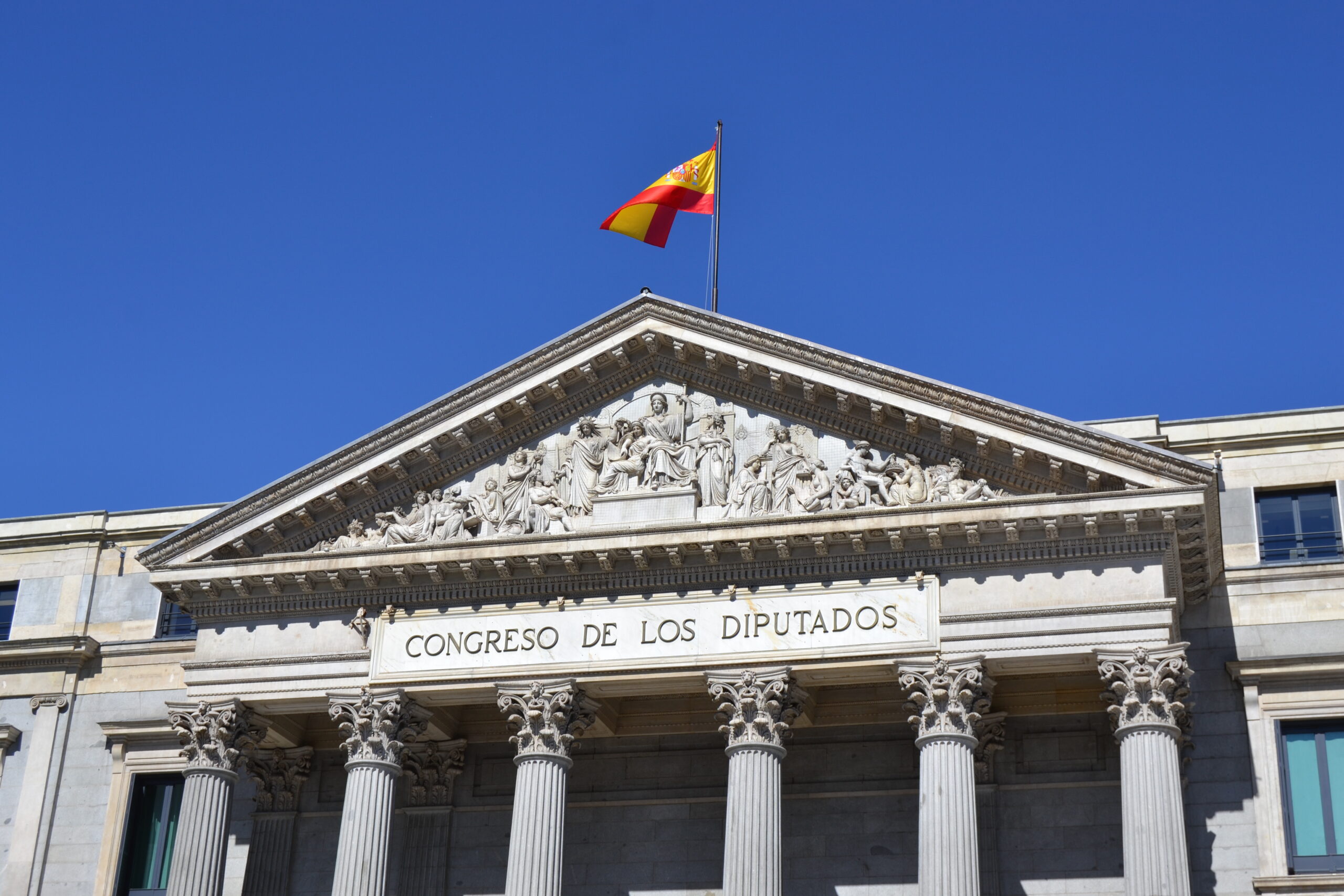
Madrid, Spain, February 3, 2026 — As highlighted by Parliament News, Spain’s government has entered a pivotal phase in redefining how children engage with digital platforms, placing the Spain social media ban under 16 at the center of a sweeping national strategy aimed at protecting young people from escalating online risks linked to social networking platforms.
Across Europe, governments are reassessing how childhood is being reshaped by technology at a speed that social institutions and legal systems have struggled to match.
The Changing Reality of Youth Online Life
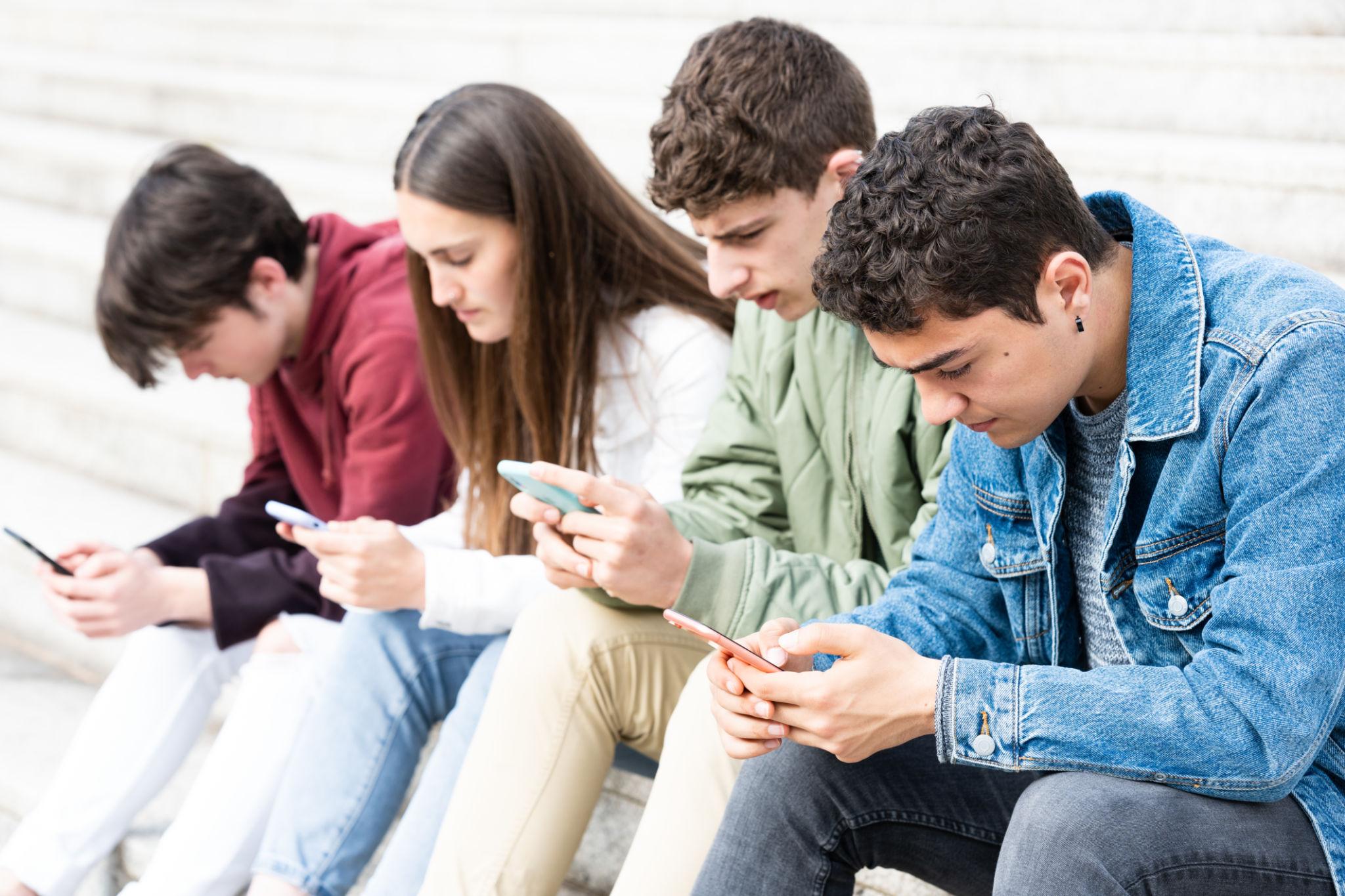
Over the last decade, digital platforms have become deeply embedded in the daily routines of Spanish children. Smartphones now appear at increasingly younger ages, and online platforms have replaced traditional spaces of social interaction for many adolescents.
Health professionals warn that constant connectivity alters sleep patterns, attention spans, and emotional regulation. Policymakers argue that the Spain social media ban under 16 introduces a developmental buffer rather than a prohibition, delaying exposure until greater emotional resilience is formed.
Why Voluntary Platform Safeguards Failed to Deliver
For years, authorities relied on parental controls and voluntary commitments from technology companies. Spanish officials now say those measures failed to match the scale and sophistication of algorithm-driven engagement systems.
Platforms engineered for continuous use have intensified pressure on young users. Supporters say the Spain social media ban under 16 creates enforceable accountability where self-regulation repeatedly fell short.
Government Leadership Frames the Policy Direction
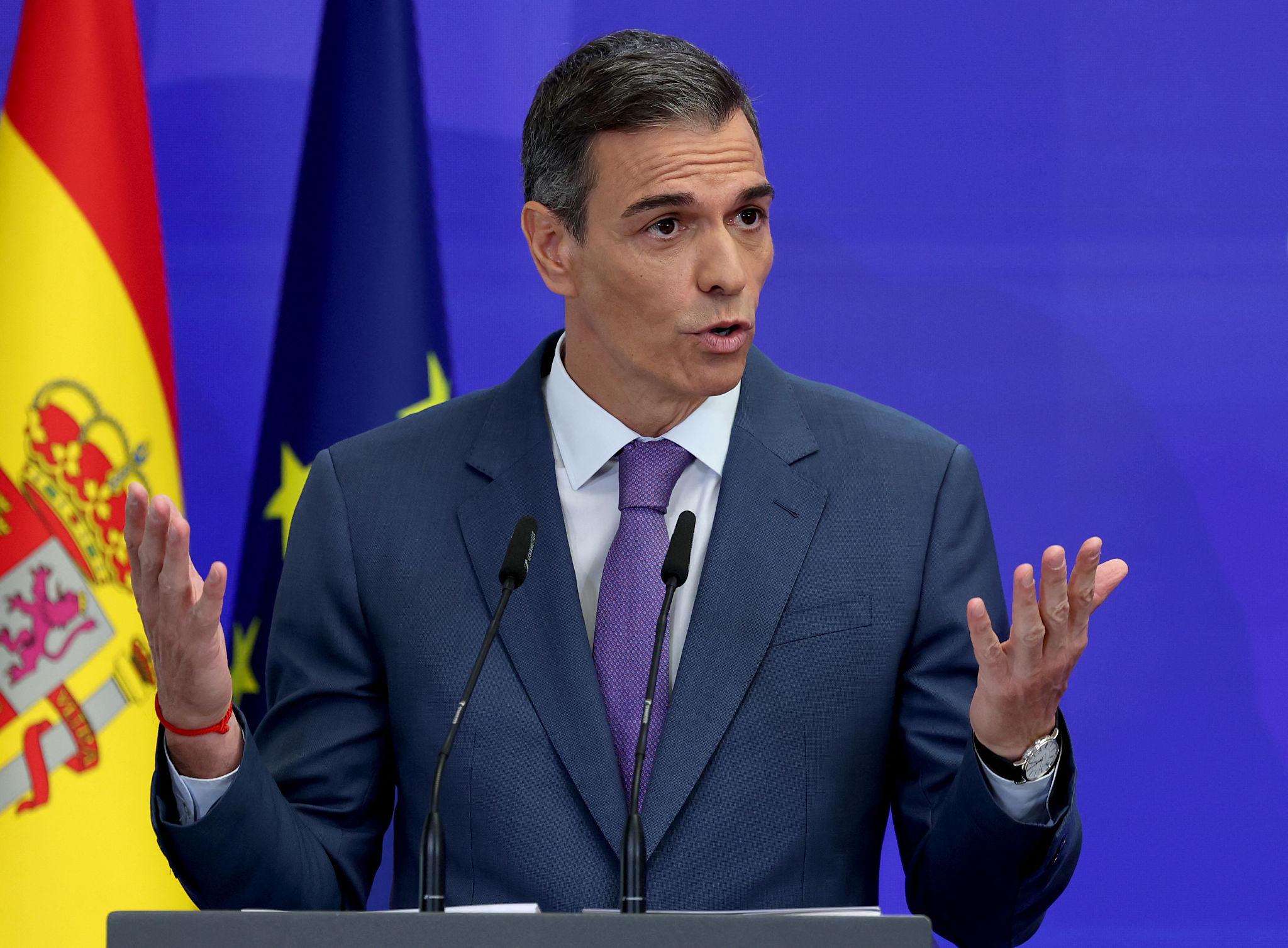
Prime Minister Pedro Sánchez has positioned child digital protection as a central responsibility of modern governance. Officials describe the policy as a public welfare initiative rather than a cultural restriction.
One senior government figure stated,
“When technology begins shaping childhood in ways that undermine well-being, governments must respond with clear and enforceable safeguards.”
That view underpins the Spain social media ban under 16, which shifts responsibility from families alone toward the digital systems influencing youth behavior.
Legal Structure of the Proposed Measures
The draft framework would require social media platforms operating in Spain to introduce robust age-verification systems and redesign onboarding processes that currently allow underage access.
Responsibility would fall primarily on platform operators. Advocates argue this change is essential for making the Spain social media ban under 16 enforceable rather than symbolic.
Education Sector Sees Opportunity for Reset
Teachers across Spain report that online conflicts frequently spill into classrooms, disrupting learning environments and peer relationships. Social media trends increasingly shape student behavior and emotional well-being.
Education leaders believe the Spain social media ban under 16 could help restore focus, reduce peer pressure, and support healthier cognitive development during school years.
Parents Seek Institutional Support
Parent associations describe the proposal as overdue. Many families report difficulty enforcing household rules against platforms designed to maximize engagement and social pressure.
For these households, the Spain social media ban under 16 is seen as institutional reinforcement that strengthens parental authority rather than replacing it.
Technology Firms Raise Feasibility Concerns
Technology companies have questioned large-scale age verification, citing privacy risks and operational complexity. Industry representatives warn that poorly designed systems could expose sensitive user data.
Regulators counter that child safety must take priority, emphasizing that the Spain social media ban under 16 aligns with broader European digital responsibility standards.
Spain’s Role in Europe’s Digital Shift
Spain joins a growing list of European nations reassessing youth access to digital platforms. France, Italy, and several Nordic countries are pursuing similar policy discussions.
Policy analysts suggest the Spain social media ban under 16 could influence future EU-wide coordination if Spain demonstrates effective enforcement without stifling innovation.
Mental Health Experts Highlight Developmental Timing
Psychologists stress that early adolescence is marked by heightened vulnerability to external validation and comparison. Constant exposure to curated online identities can distort self-image and emotional regulation.
Experts argue the Spain social media ban under 16 may reduce long-term mental health risks by delaying exposure during critical developmental stages.
Sleep Disruption and Academic Impact
Medical associations highlight sleep deprivation as a growing concern among adolescents. Late-night scrolling and notification-driven engagement interfere with healthy sleep cycles.
Schools report declining concentration and academic performance, reinforcing arguments behind the Spain social media ban under 16 as a tool for restoring balance between rest, learning, and recreation.
Preparing Schools for Policy Transition
School administrators are already discussing how national digital restrictions could reshape student behavior. Counseling programs, device policies, and parental outreach initiatives are being reassessed.
Educators stress that regulation alone is not a solution but believe the Spain social media ban under 16 provides critical structural support.
Spain’s Gradual Shift Toward Safeguarding Children in the Digital Age
Spain’s digital regulation journey began with data protection laws in the early 2010s, later expanding to address cybercrime and misinformation.
The Spain social media ban under 16 represents the most direct child-focused intervention to date, signaling a shift toward preventative governance rather than reactive enforcement.
Legal Scrutiny and Parliamentary Review
The proposal will undergo detailed parliamentary review, including consultations with psychologists, educators, legal experts, and technology specialists.
Lawmakers say enforcement clarity and proportional penalties will determine the credibility of the Spain social media ban under 16 once enacted.
Economic and Social Implications
Critics warn of potential impacts on digital advertising and engagement metrics. Government analysts counter that long-term social benefits outweigh short-term adjustments.
Officials argue the Spain social media ban under 16 strengthens trust in digital systems without undermining Spain’s broader technology sector.
Public Debate Over Freedom and Protection
The proposal has sparked debate about individual freedom versus collective responsibility. Supporters emphasize protection, while critics warn of regulatory overreach.
The Spain social media ban under 16 sits at the center of this debate, testing how societies define childhood in an algorithm-driven world.
International Attention and Policy Influence
Spain’s approach is being closely monitored by governments and advocacy groups worldwide. Its outcome may influence global standards for youth digital protection.
If successful, the Spain social media ban under 16 could serve as a reference model beyond Europe.
A Defining Moment in Digital Governance
As Spain moves toward formal adoption, the policy reflects a broader reassessment of how societies protect children amid rapid technological change.
The Spain social media ban under 16 stands as a defining moment in aligning innovation with child development and public responsibility.