


New York City, February 8, 2026, According to Parliament News, that once again became the focal point of global finance as stock market volatility intensified across major exchanges. From the opening bell on Wall Street, traders faced sharp price swings that reflected deep uncertainty about economic growth, interest rates, and geopolitical risks. The atmosphere inside trading floors was tense, marked by rapid decision-making and cautious positioning as investors reacted to shifting signals throughout the day.
Market analysts noted that the early months of the year set a challenging tone, with sudden reversals becoming more frequent. Investors accustomed to prolonged rallies found themselves adjusting expectations as unpredictable movements replaced steady upward trends.
Economic uncertainty drives uneven trading patterns
Economic data releases have played a central role in shaping daily market behavior. Mixed signals on inflation, employment, and consumer demand have made it difficult for investors to form clear expectations about the direction of the economy. As a result, stock market volatility has remained elevated, driven by reactions to each new data point rather than long-term conviction.
Central bank policy continues to loom large. Even small changes in language from policymakers have triggered swift responses in equities, bonds, and currencies. Traders say the lack of clear forward guidance has amplified uncertainty, contributing to rapid intraday swings.
Technology stocks lose momentum
Technology shares, long seen as market leaders, have faced persistent pressure. High valuations combined with slower growth forecasts have prompted investors to reassess exposure to the sector. Selling in major tech names has often spilled over into broader indices, reinforcing stock market volatility during periods of heavy trading.
Analysts caution that this shift does not signal the end of innovation-led growth, but rather a recalibration of expectations. In the short term, however, technology’s sensitivity to interest rates has made the sector a key source of instability.
Rotation toward defensive sectors
As uncertainty grows, many investors have rotated toward sectors viewed as more resilient. Utilities, healthcare, and consumer staples have attracted interest due to stable demand and predictable cash flows. This defensive positioning has helped offset losses elsewhere but has not eliminated broader stock market volatility.
Portfolio managers say the trend reflects a desire to preserve capital rather than chase aggressive returns. The emphasis has shifted toward balance sheets, dividends, and earnings reliability.
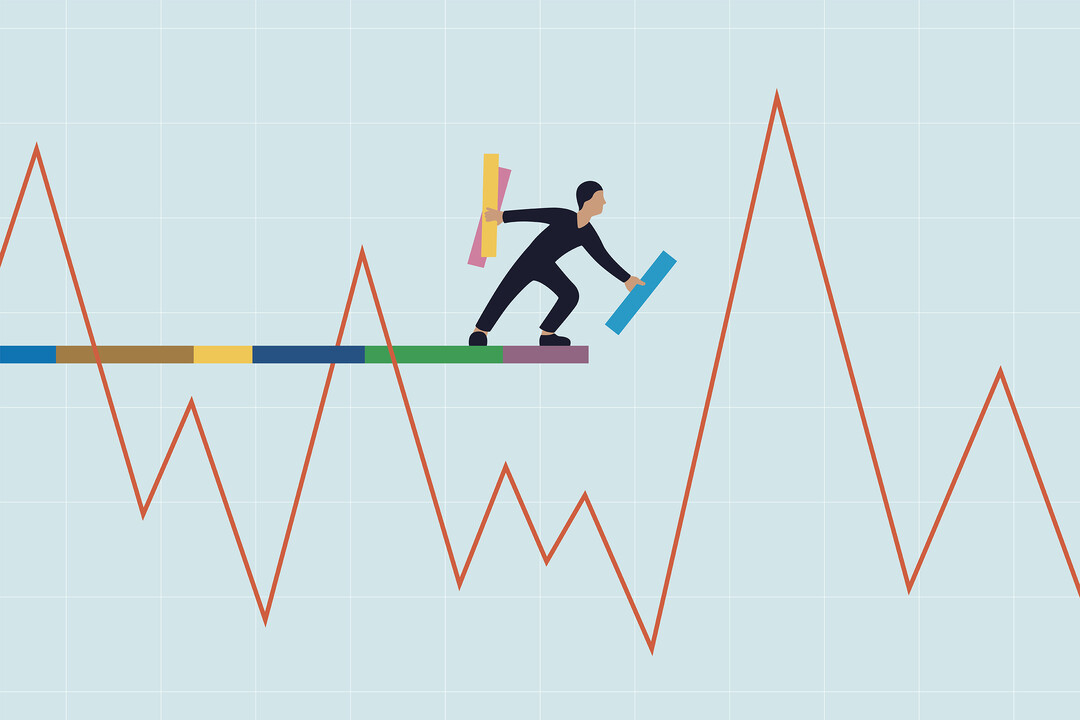
Small and mid-sized companies draw attention
Beyond defensive sectors, smaller companies with domestic exposure have also gained favor. These firms are often less affected by global trade disruptions and currency fluctuations. Their relative insulation has made them appealing during periods of stock market volatility, particularly for investors seeking diversification.
Market data shows increased inflows into funds focused on small and mid-cap stocks, suggesting a gradual broadening of market leadership.
Retail investors navigate choppy conditions
Retail participation has remained high despite turbulent conditions. Online trading platforms report steady activity, though behavior has become more cautious. Many individual investors have reduced position sizes or shifted toward diversified funds to manage risk.
Financial advisers warn that stock market volatility can test emotional discipline. Sudden price swings may tempt investors to react impulsively, potentially locking in losses. Education and long-term planning remain critical during uncertain periods.
Global developments amplify domestic swings
International events have added another layer of complexity. Slower growth in major economies, ongoing geopolitical tensions, and shifting trade relationships have all influenced sentiment in New York. Global market reactions often feed directly into U.S. trading sessions, intensifying stock market volatility.
This interconnectedness means that developments thousands of miles away can quickly affect domestic asset prices, reinforcing the need for global awareness among investors.
Liquidity and market structure concerns
Market structure has also come under scrutiny. The growing role of algorithmic and high-frequency trading has increased the speed at which prices move. While these systems improve efficiency, they can exacerbate short-term swings when sentiment turns negative.
Some analysts argue that modern trading dynamics contribute to stock market volatility by amplifying momentum, particularly during periods of stress. Regulators continue to monitor these effects closely.
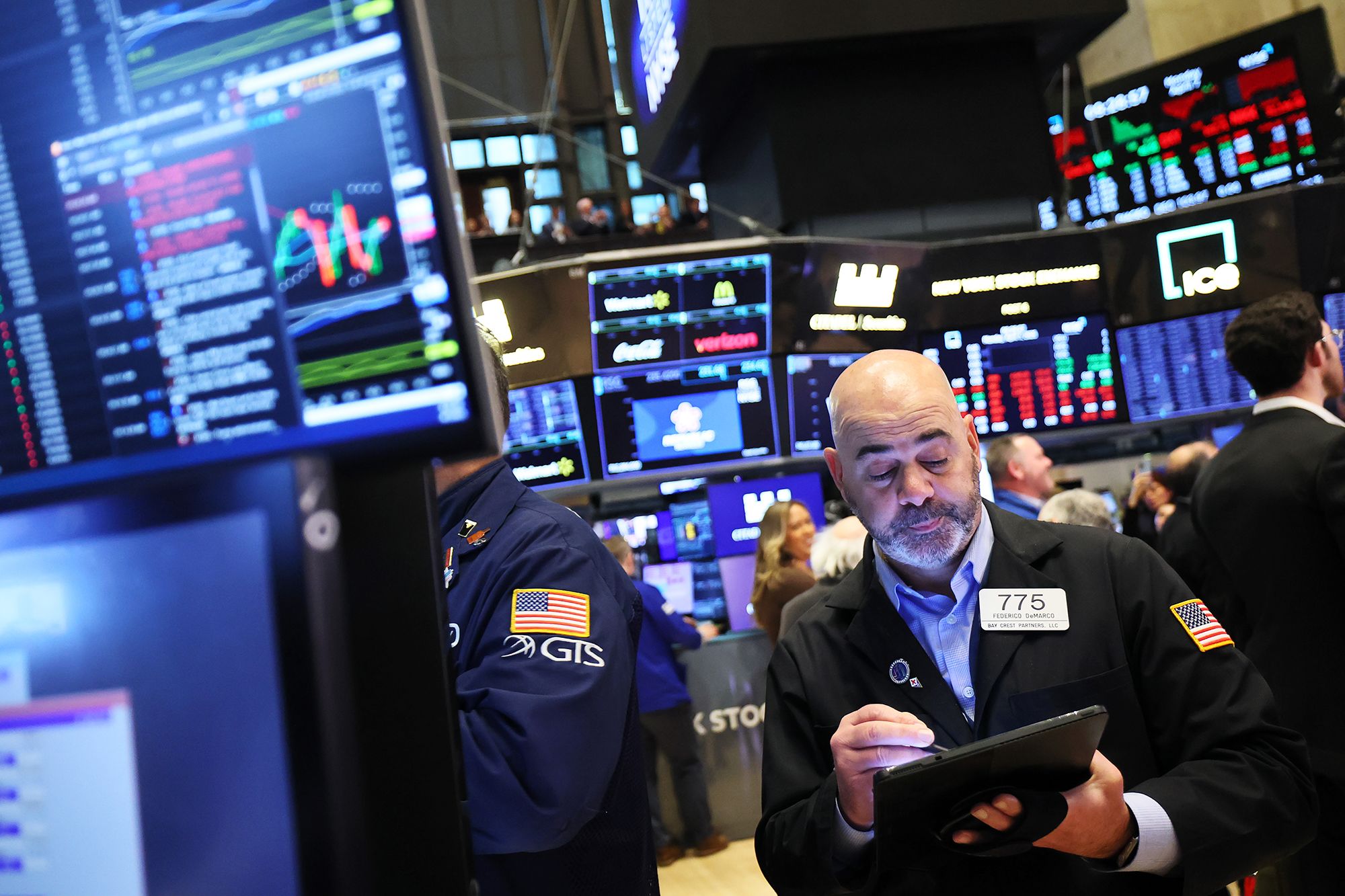
Historic comparison: how today’s swings measure up
Periods of sharp market swings are not unprecedented. Previous decades have seen similar episodes during economic transitions, financial crises, and geopolitical shocks. What distinguishes the current environment is the pace and frequency of movements.
Compared with earlier eras, information now travels instantly, and trades are executed in milliseconds. This structural shift has made stock market volatility more visible and immediate, even when underlying economic conditions change gradually.
Voices from the market
“One headline can erase a week of gains in minutes, and that forces everyone to stay defensive,”
said a veteran equity strategist based in New York, summarizing the cautious mood among professional investors
Institutional strategies evolve
Large institutional investors have adjusted strategies to cope with ongoing uncertainty. Many have increased allocations to cash and short-term instruments while employing hedging techniques to limit downside risk.
Risk management teams are paying closer attention to correlations between asset classes, as traditional diversification has proven less effective during periods of synchronized selling linked to stock market volatility.
Impact on corporate decision-making
Market instability has also influenced corporate behavior. Companies considering public offerings or major acquisitions have delayed decisions, citing unfavorable conditions. Volatile equity prices complicate valuation and financing, leading executives to adopt a wait-and-see approach.
This hesitation reflects broader caution across the business landscape as stock market volatility affects not only investors but also corporate planning.
Media and public perception
Financial news coverage has intensified, with markets dominating headlines and broadcasts. Continuous updates and commentary have increased public awareness but may also contribute to anxiety among less experienced investors.
Experts note that constant exposure to market swings can exaggerate the psychological impact of stock market volatility, even when long-term fundamentals remain intact.
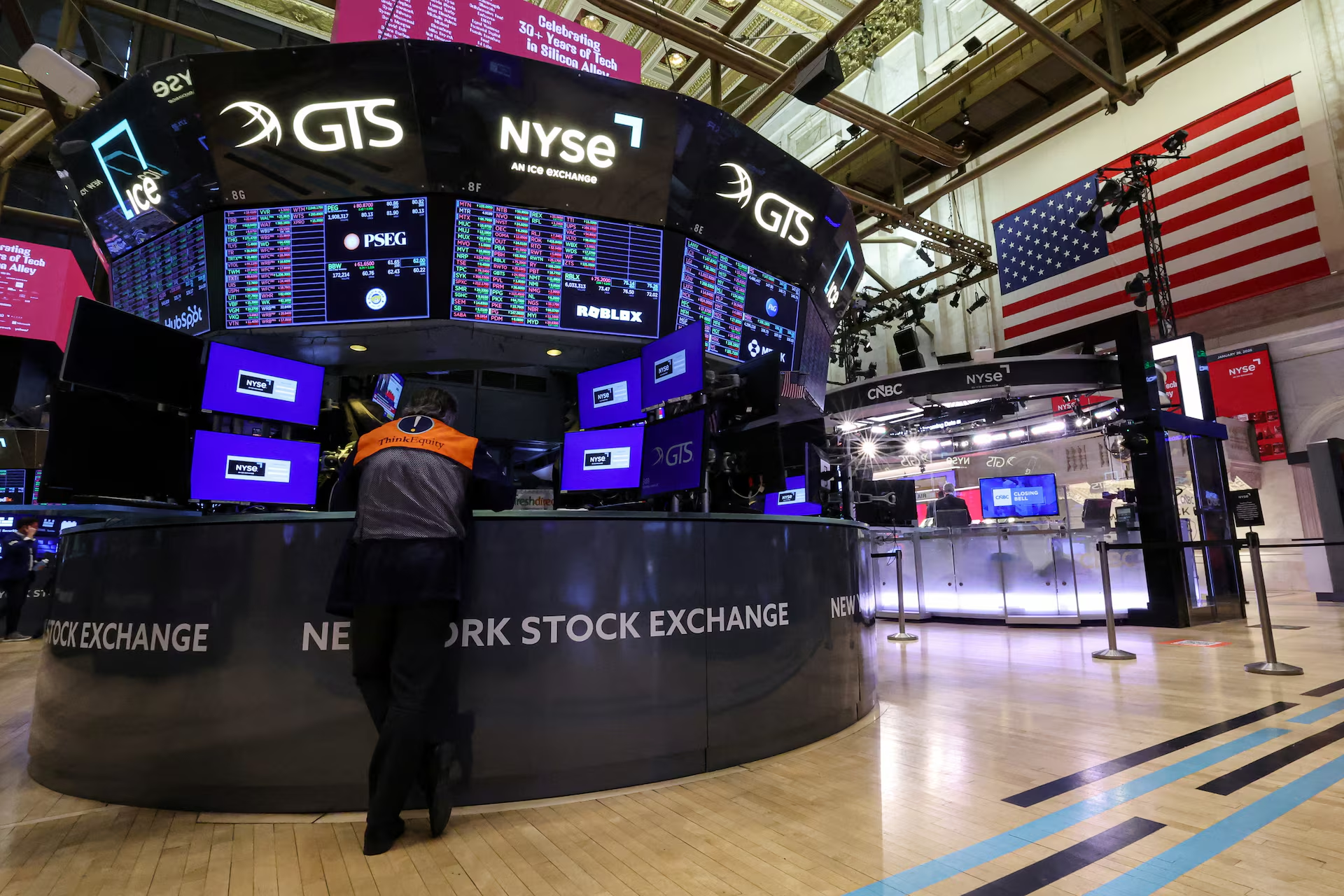
Policy signals and investor interpretation
Policymakers’ communications have taken on outsized importance. Investors scrutinize every statement for clues about future actions, often reacting before concrete measures are announced.
This heightened sensitivity means stock market volatility is frequently driven by interpretation rather than policy itself, leading to rapid but sometimes short-lived moves.
Long-term investors stay focused
Despite near-term turbulence, long-term investors continue to emphasize fundamentals. Pension funds and endowments, with extended time horizons, have largely maintained strategic allocations, viewing current conditions as part of a broader cycle.
History suggests that disciplined approaches can weather periods of stock market volatility, though patience is required.
Outlook for the remainder of the year
Looking ahead, analysts expect uncertainty to persist through much of 2026. Economic data, central bank decisions, and geopolitical developments will continue to influence market direction.
While conditions may stabilize at times, few expect a complete return to calm in the near term. Stock market volatility is likely to remain a defining feature of the investment landscape this year.
Lessons for a changing market environment
The current period underscores the importance of adaptability. Investors are being challenged to reassess assumptions, manage risk proactively, and remain flexible in the face of rapid change.
As markets evolve, the experience gained during this phase of stock market volatility may shape investment strategies well beyond 2026.
When stability eventually returns
Although uncertainty dominates today’s environment, history shows that markets eventually adjust. Periods of turbulence often give way to renewed confidence once economic conditions clarify and expectations realign.
When stability does return, the lessons learned during this extended phase of stock market volatility are likely to remain central to how investors approach risk, diversification, and long-term planning.