GENEVA, SWITZERLAND — March 8, 2026 — Parliament News — The Switzerland Iran strikes statement has drawn international attention after Swiss officials publicly criticized recent military strikes on Iran carried out by the United States and Israel. The comments from Switzerland, a country widely recognized for its diplomatic neutrality and commitment to international law, have intensified debate about the legality of military actions conducted across national borders.
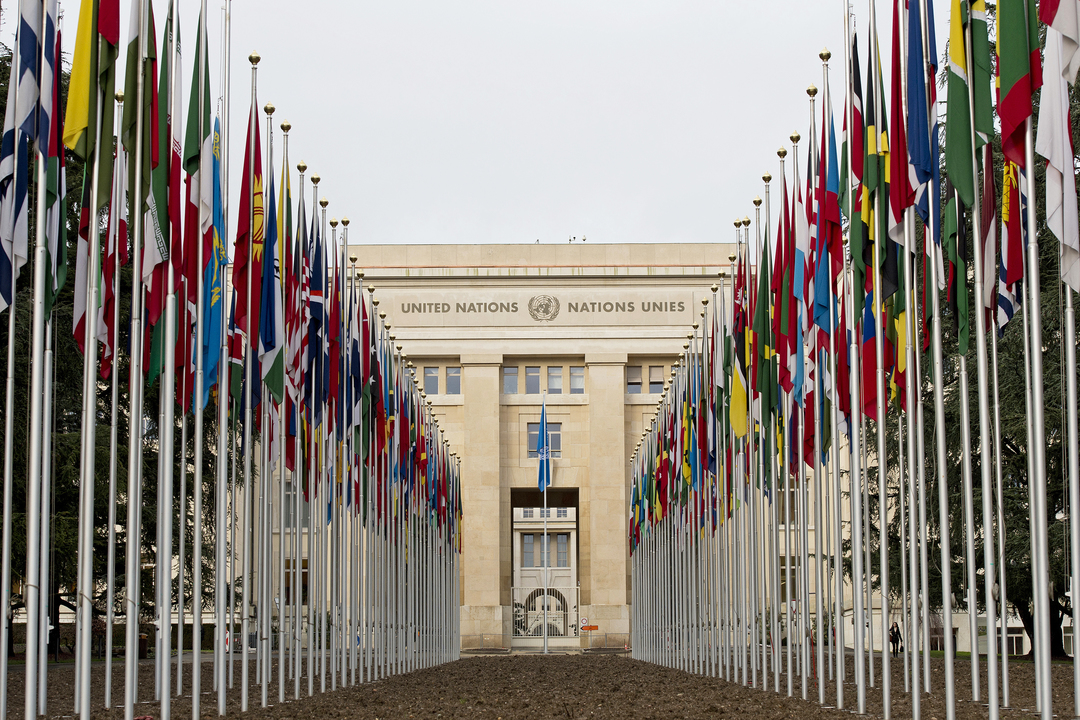
Swiss authorities indicated that the attacks may represent a violation of international legal principles governing the use of force. By issuing the Switzerland Iran strikes statement, officials emphasized the importance of respecting international agreements designed to prevent conflicts from escalating into wider wars. Switzerland hosts many global diplomatic institutions in Geneva, which makes its voice particularly influential in discussions about international law.
The statement quickly circulated through diplomatic channels and international media, prompting responses from governments and policy experts across Europe and the Middle East.
International Law Debate Intensifies
The Switzerland Iran strikes statement has fueled a broader legal debate regarding how international law should apply in modern military conflicts. Under the United Nations Charter, countries have the right to defend themselves if they face an imminent threat. However, defining what qualifies as an imminent threat remains one of the most contested issues in international law.
Supporters of the strikes argue that security concerns justify military action in regions where missile threats and proxy conflicts continue to destabilize governments. Critics say such actions risk weakening global legal frameworks if they are conducted without international authorization or a clear defensive necessity.
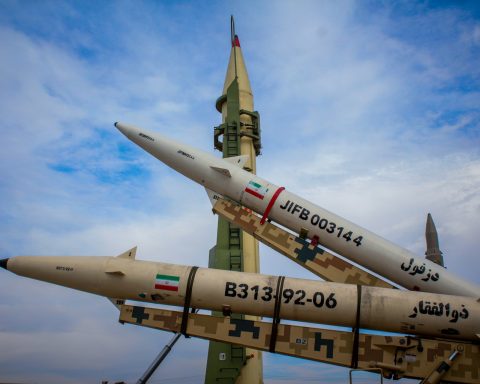
Legal scholars say the Switzerland Iran strikes statement highlights how technological advancements, including long range missiles and cyber operations, are challenging traditional interpretations of warfare and international legal standards.
Switzerland’s Diplomatic Role
Switzerland has historically positioned itself as a neutral mediator in international disputes. Geneva hosts major diplomatic organizations and conferences where global leaders negotiate humanitarian law and peace agreements.
The Switzerland Iran strikes statement reflects the country’s longstanding belief that international stability depends on respect for legal frameworks. Swiss officials often encourage diplomatic dialogue rather than military confrontation as a means of resolving geopolitical disputes.
Because Switzerland frequently serves as a meeting ground for international negotiations, statements issued by its government often carry symbolic and diplomatic significance beyond the immediate issue being discussed.
Global Reactions to the Swiss Position
Governments around the world have reacted cautiously to the Switzerland Iran strikes statement. Some countries have expressed support for Switzerland’s emphasis on international law, arguing that global legal norms must remain central to maintaining stability between nations.
Other governments have defended the strikes as necessary measures to counter security threats in a volatile region. These contrasting reactions demonstrate the ongoing tension between legal frameworks and national security strategies.
Diplomatic observers say the Switzerland Iran strikes statement may encourage deeper discussions within international organizations about how existing laws should be interpreted during complex military conflicts.
Historical Comparison Shows Similar Patterns
The controversy surrounding the Switzerland Iran strikes statement reflects patterns seen in previous geopolitical conflicts. Throughout modern history, military actions conducted across borders have frequently sparked debates about legality under international law. Similar disputes emerged during conflicts in the Middle East and other regions when governments justified military operations as self defense while critics argued the actions violated established legal norms.
In many cases, these disagreements led to diplomatic negotiations and reviews by international institutions. The historical record shows that debates about legality often accompany periods of heightened geopolitical tension, particularly when multiple nations are involved in a conflict.
Experts Warn About Escalation Risks
Security analysts caution that disputes involving legal accusations can sometimes complicate diplomatic efforts aimed at reducing tensions. When military actions become the subject of international law debates, governments may face additional political pressure both domestically and internationally.
The Switzerland Iran strikes statement has therefore become more than a legal observation; it is also part of a larger diplomatic conversation about how conflicts should be managed in the modern era.
One international relations expert summarized the issue by saying,
“Respect for international law remains one of the few safeguards preventing regional conflicts from expanding into global crises.”
A Diplomatic Message to the World
Ultimately, the Switzerland Iran strikes statement represents a reminder that international law continues to play an important role in shaping global security discussions. Switzerland’s intervention highlights concerns that the rules governing military engagement must remain respected even during periods of heightened geopolitical tension.
As governments continue to analyze the implications of the strikes and the legal debate surrounding them, the situation demonstrates how diplomatic voices can influence the broader conversation about conflict resolution.
While the future trajectory of the dispute remains uncertain, the Switzerland Iran strikes statement has already reinforced the importance of accountability and legal responsibility in international relations.