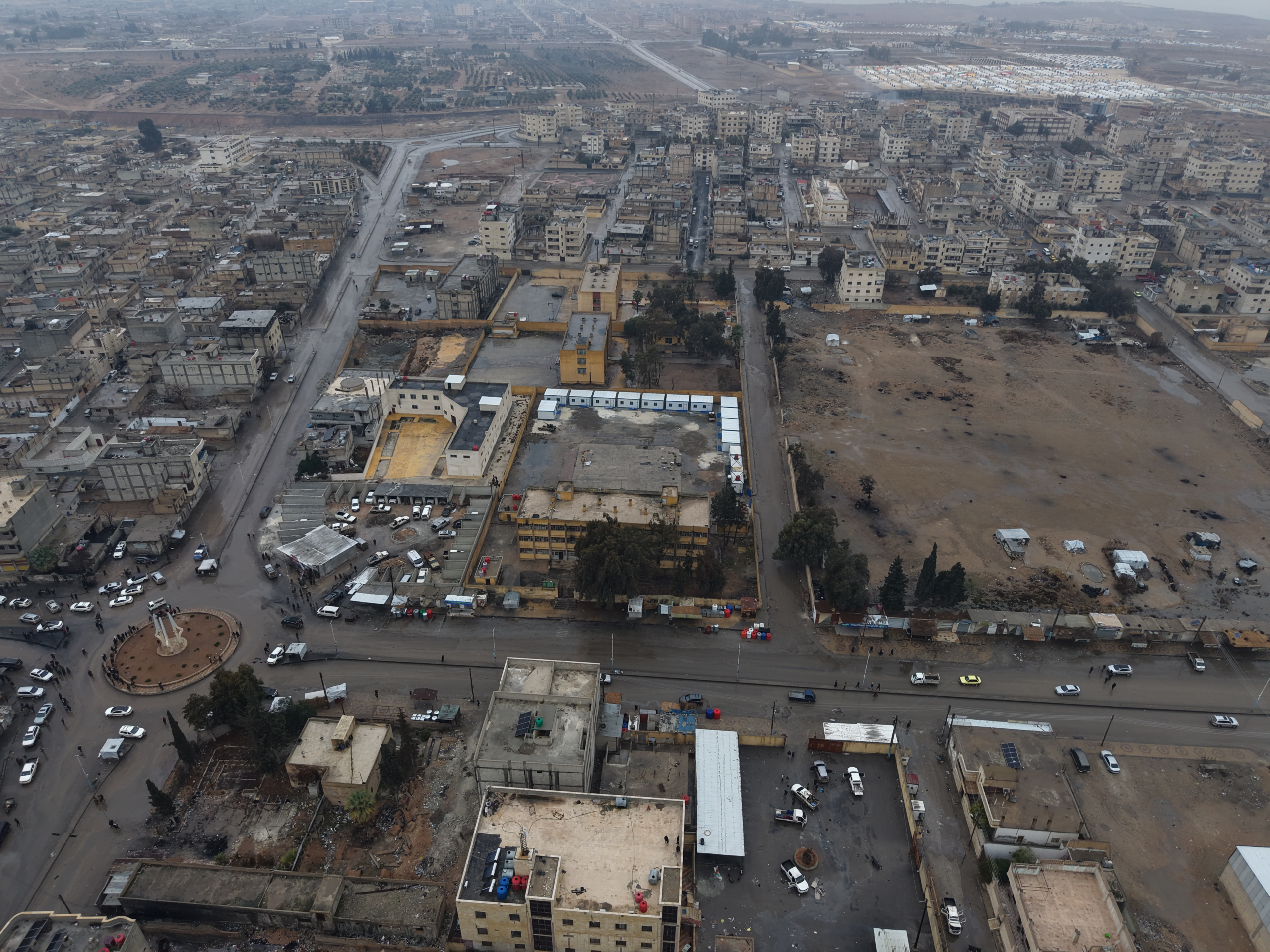
Syria – January 2026. According to parliament news, that the city of Raqqa has entered a defining chapter as Syria military control consolidates authority in one of the country’s most symbolically charged urban centers. The development comes after years of fractured governance, shifting power arrangements, and persistent insecurity that shaped daily life for residents across northern Syria. Local streets now reflect a different rhythm as security deployments stabilize movement and administrative offices reopen under centralized oversight.
This transition is unfolding at a moment when Syria’s broader political and social landscape remains fragile. The situation in Raqqa is therefore being closely observed not only for its local consequences but also for what it suggests about the country’s evolving trajectory after more than a decade of conflict.
Raqqa’s Long Road Through Conflict
Raqqa’s modern history has been defined by upheaval. Once a provincial hub known for agriculture and trade, the city became a focal point of conflict as national institutions collapsed in the early years of the war. Control shifted multiple times, leaving deep scars on infrastructure and the social fabric.
The return of state authority now reflects a wider trend across Syria, where contested territories are gradually being reintegrated. Analysts argue that Syria military control in Raqqa represents not a single event but the culmination of prolonged strategic recalibration by Damascus, aimed at restoring continuity across the country’s northern corridor.
Strategic Importance of Raqqa
Geography has always magnified Raqqa’s importance. Situated near the Euphrates River and key transit routes, the city connects eastern agricultural regions with western urban centers. Control over Raqqa allows oversight of supply lines, trade corridors, and population movement.
Military strategists say Syria military control of the city reduces operational space for armed groups and enhances coordination across neighboring provinces. Symbolically, Raqqa’s reintegration reinforces the narrative of territorial unity, a cornerstone of the government’s messaging in recent years.
Process of Reasserting Authority
The transition in Raqqa did not unfold through a single decisive confrontation. Instead, it emerged from a layered process involving negotiations, security guarantees, and phased deployments. Officials emphasized minimizing civilian disruption while securing strategic installations.
Government buildings, transport nodes, and communication infrastructure were prioritized. Residents describe a noticeable increase in organization compared to earlier periods of uncertainty. According to observers, Syria military control was established through calculated steps designed to avoid the widespread destruction seen in earlier urban campaigns.
Security Measures Across the City
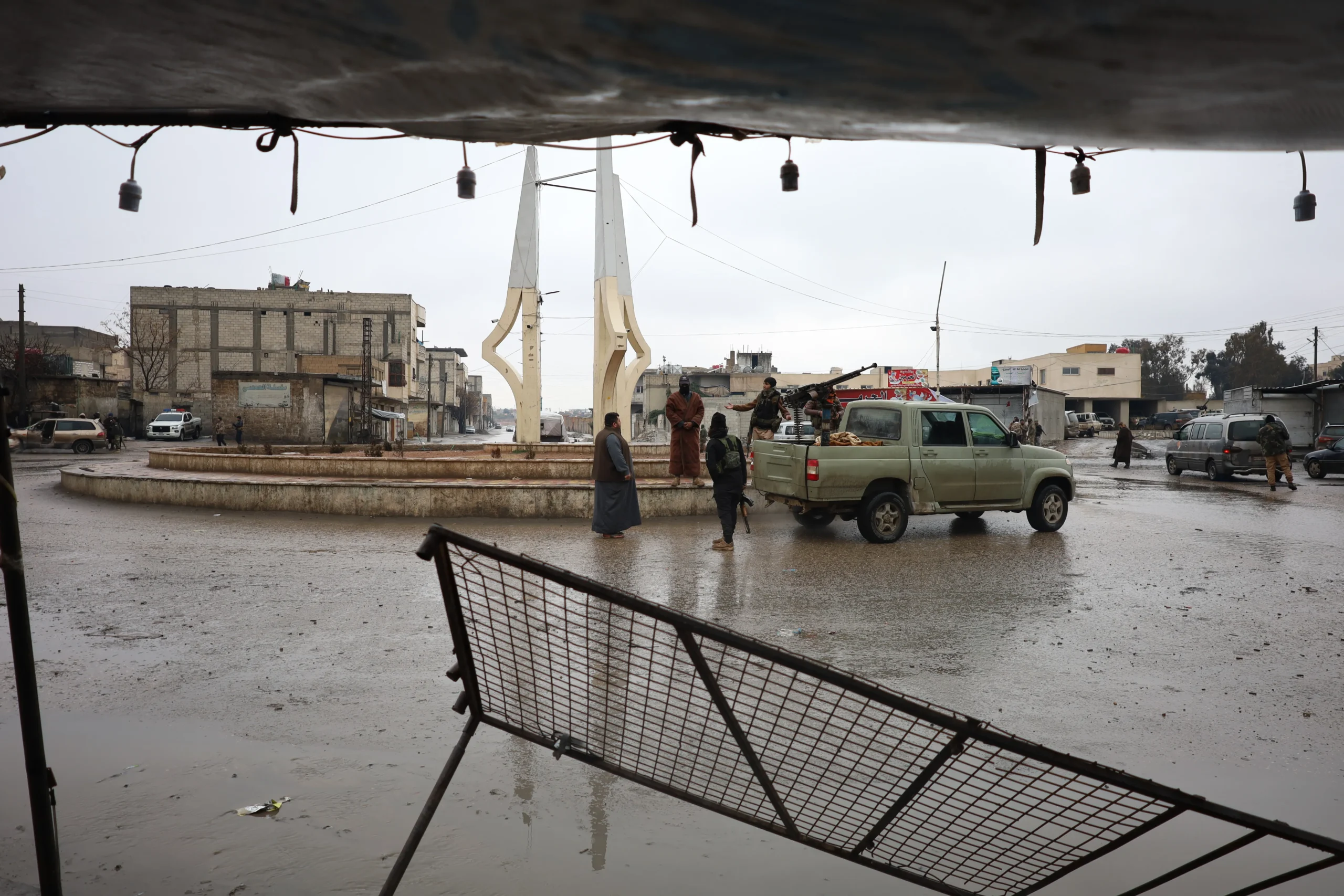
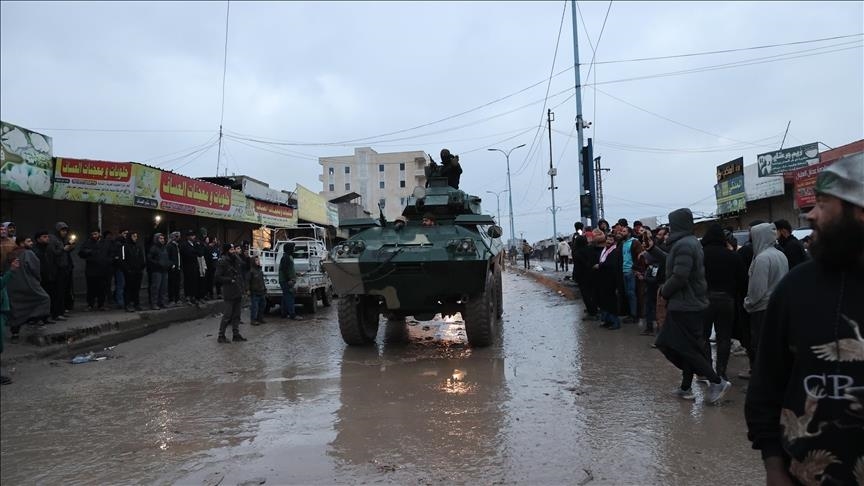
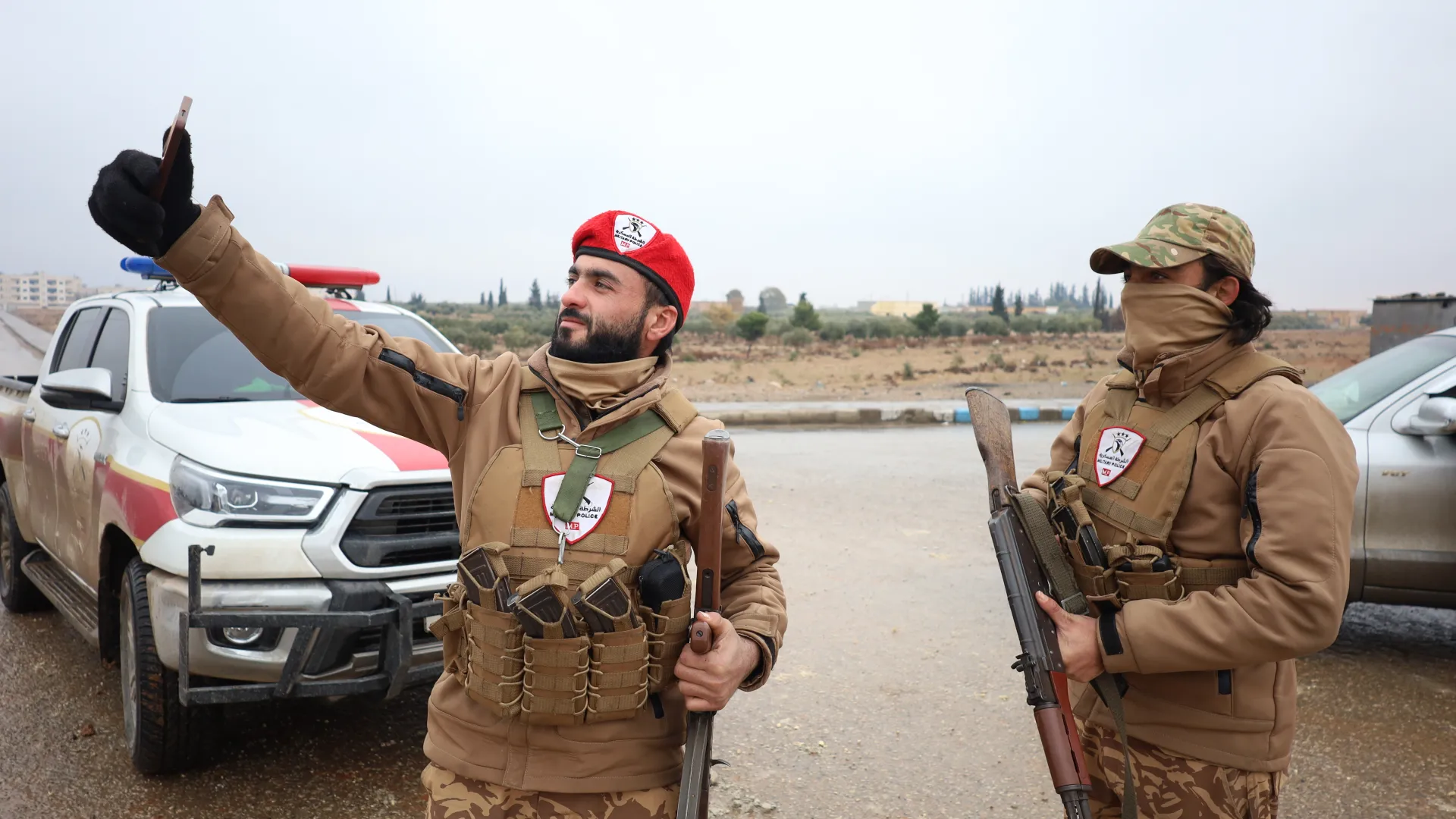
In the weeks following the shift, checkpoints and patrols became a common sight across Raqqa’s main arteries. Authorities describe these measures as temporary stabilization steps, aimed at preventing sabotage and addressing residual threats.
Explosive remnants of war remain a pressing concern, particularly in outlying neighborhoods. Clearance teams are operating alongside municipal workers to reopen roads and public spaces. Security officials stress that Syria military control requires sustained vigilance to prevent destabilization during this sensitive phase.
Civilian Life and Daily Adjustments
For many residents, the immediate impact has been psychological. The predictability of movement and governance has reduced the pervasive uncertainty that characterized daily life for years. Shops are reopening under new regulations, and schools are beginning phased returns.
However, economic hardship remains widespread. Families displaced multiple times face challenges reclaiming property and livelihoods. Community leaders note that Syria military control has improved baseline security, but lasting stability will depend on employment opportunities and service restoration.
Humanitarian Landscape
Humanitarian organizations continue operating in Raqqa, coordinating with local authorities to ensure aid delivery. Access has improved in some districts, though funding constraints limit the scale of assistance.
Aid workers caution that Syria military control alone cannot address deep humanitarian needs. Years of trauma, interrupted education, and healthcare shortages have left lasting effects, particularly among children and elderly residents. Sustainable recovery will require long term investment beyond emergency relief.
Regional and International Attention
Raqqa’s transition has drawn attention from regional capitals and international institutions. Some actors view the consolidation as a stabilizing step that could reduce cross border insecurity. Others emphasize the importance of inclusive governance and accountability.
Diplomatic sources suggest that Syria military control in Raqqa may influence discussions around sanctions relief, reconstruction funding, and refugee return policies. The city’s experience could shape international perceptions of Syria’s readiness for broader engagement.
Political Implications for Damascus
Domestically, the development strengthens the government’s position by demonstrating administrative reach in a city long associated with fragmentation. Officials frame the moment as evidence of institutional resilience and strategic patience.
From a political perspective, Syria military control in Raqqa enhances leverage in future negotiations by underscoring the state’s ability to govern complex urban environments. The reactivation of civil institutions under central oversight sends a message to other regions weighing reintegration.
Economic Prospects and Reconstruction
Raqqa’s economy was once anchored in agriculture, trade, and small industry. Reviving these sectors will be critical for long term stability. Irrigation systems, markets, and transport links require extensive rehabilitation.
Business leaders argue that Syria military control creates the security conditions necessary for gradual investment, though challenges remain. Access to capital, electricity, and skilled labor will determine whether reconstruction efforts can generate sustainable growth.
Infrastructure and Public Services
Years of conflict left hospitals, schools, and utilities damaged or inoperative. Authorities have announced initial assessments to prioritize repairs, focusing on essential services.
Engineers emphasize that rebuilding Raqqa’s infrastructure is not merely technical but social. Reliable water, power, and healthcare are foundational to restoring trust between residents and institutions. In this context, Syria military control is seen as a framework within which reconstruction can proceed.
Social Fabric and Reconciliation
Beyond physical rebuilding, Raqqa faces the challenge of social healing. Communities fractured by displacement and loss must navigate coexistence under renewed governance.
Local mediators and civil society actors stress the importance of dialogue and inclusive policies. They warn that Syria military control must be accompanied by reconciliation efforts to prevent lingering grievances from undermining stability.
Security Risks Ahead
Despite progress, risks remain. Economic desperation, unexploded ordnance, and regional tensions could spark localized unrest. Analysts caution against complacency, noting that stability is a process rather than a fixed outcome.
Security planners argue that Syria military control must evolve from heavy presence to community based policing and intelligence cooperation. Such an approach could reduce friction while maintaining order.
Voices From Raqqa
One resident summarized the prevailing sentiment, saying,
“People want safety, but they also want a future where their children can work, study, and live without fear.”
The comment reflects cautious optimism paired with clear expectations for meaningful change.
Raqqa’s Role in Syria’s Broader Recovery
Raqqa’s trajectory may serve as a reference point for other regions emerging from conflict. Success here could demonstrate that stabilization and governance are achievable even in deeply scarred cities.
Observers note that Syria military control in Raqqa is being tested not by military metrics but by everyday outcomes: functioning schools, accessible healthcare, and economic opportunity.
Media and Information Environment
The restoration of state authority has also reshaped the information landscape. Official channels are becoming more active, while residents rely on a mix of local networks and national media for updates.
Transparency and communication will play a key role in building public confidence. Analysts argue that Syria military control must be paired with credible information flows to counter rumors and misinformation.
Youth and the Future Generation
Young people in Raqqa have known little beyond instability. Education disruptions and limited employment prospects have fueled frustration and disengagement.
Programs targeting vocational training and youth employment are seen as critical. Community leaders emphasize that Syria military control will be judged by whether it creates pathways for the next generation to participate meaningfully in society.
Women and Social Recovery
Women have borne a disproportionate burden during years of conflict, managing households amid insecurity and scarcity. Their role in rebuilding communities is increasingly recognized.
Social initiatives aimed at healthcare, education, and economic participation are gaining attention. Advocates stress that Syria military control must support inclusive recovery that addresses gender specific challenges.
Environmental and Agricultural Concerns
Raqqa’s surrounding countryside suffered from neglected irrigation systems and environmental degradation. Reviving agriculture is essential for food security and employment.
Experts highlight that Syria military control provides an opportunity to coordinate large scale environmental and agricultural rehabilitation, linking rural recovery with urban stability.
Looking Ahead
As Raqqa navigates this transition, expectations are high and patience is limited. The city stands at a crossroads where decisions made now will shape its trajectory for decades.
The consolidation of Syria military control marks the end of one chapter but the beginning of another defined by governance, accountability, and rebuilding. Whether Raqqa emerges as a symbol of recovery or a cautionary tale will depend on how effectively security gains translate into everyday improvements.
Raqqa and the Test of Sustainable Stability
This final phase will test the durability of renewed authority. Stability must move beyond security measures to encompass social trust, economic opportunity, and inclusive governance. Raqqa’s experience may ultimately influence Syria’s national recovery, offering lessons on the complex path from conflict to cohesion.