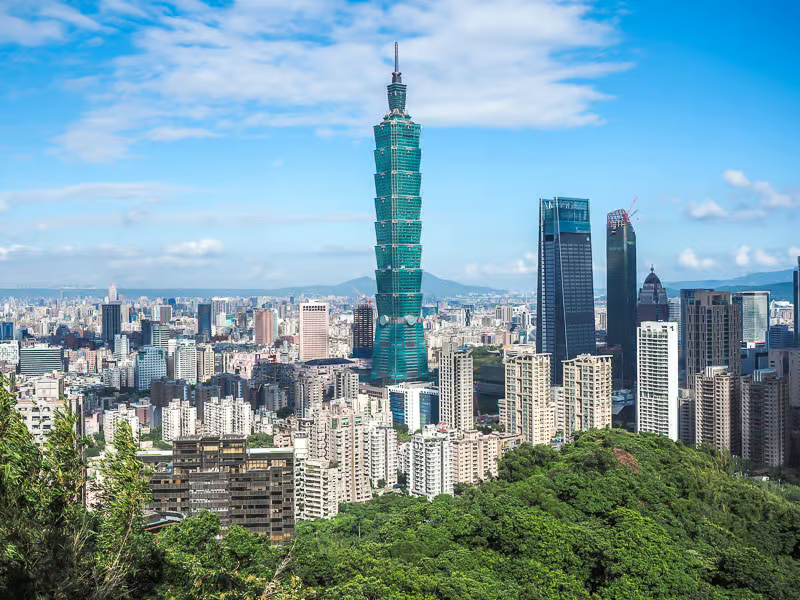
Taipei, Taiwan — January, 2026 — Writing for Parliament News, officials in Taipei confirmed a comprehensive security review is underway following a dramatic daylight ascent of Taipei 101 by a foreign climber. The incident, witnessed by hundreds in the Xinyi District, unfolded against the backdrop of a busy weekday morning and immediately ignited debate over public safety, legal accountability, and the growing phenomenon of Taiwan skyscraper climbing.
Authorities said the climber was detained for questioning after safely descending, and no injuries were reported.
The Moment the City Looked Up
For many residents, the first sign of trouble was not a siren or an announcement but a sudden pause in the movement of the city itself. Pedestrians slowed, traffic hesitated, and heads tilted upward as a lone figure became visible high above street level. Smartphones were raised instinctively as people realized they were witnessing something extraordinary and potentially dangerous.
Within minutes, social media platforms began circulating images of the ascent, and what might once have remained a local incident quickly gained global attention. The visibility of Taiwan skyscraper climbing at such a prominent landmark ensured that the event would resonate far beyond Taipei.
How Access Was Gained
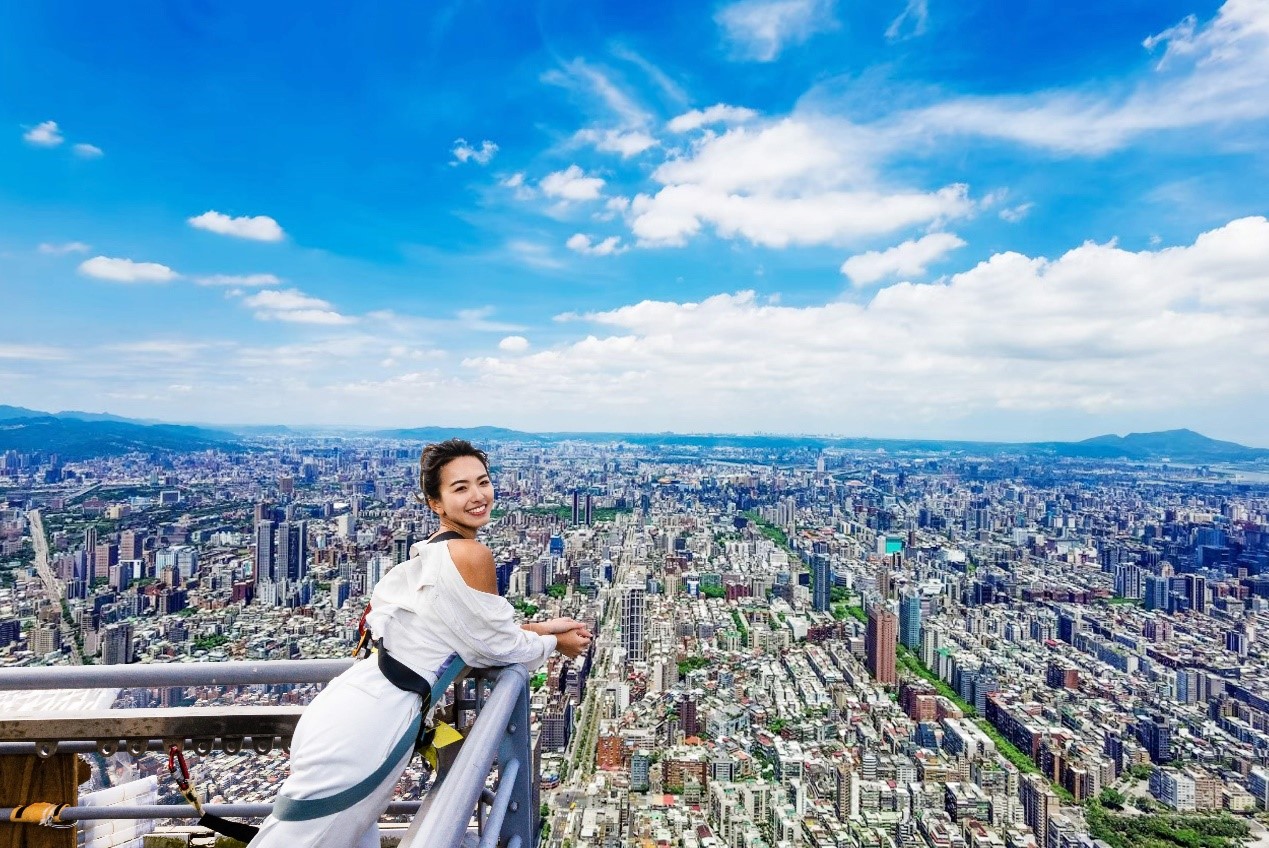
Preliminary findings suggest the climber entered a restricted exterior zone near the base of the building, an area typically reserved for maintenance operations. Investigators believe the individual exploited a brief lapse in perimeter oversight rather than breaching internal security systems, which remained uncompromised throughout the incident.
Officials acknowledged that monitoring the exterior surfaces of supertall structures presents challenges not encountered inside controlled environments. This reality has become increasingly relevant as Taiwan skyscraper climbing gains attention worldwide.
Emergency Services Take Position
Once alerted, Taipei police, firefighters, and emergency medical teams moved swiftly but cautiously. Streets surrounding the tower were partially restricted, and officers established observation points to track the climber’s progress without escalating risk.
Authorities emphasized that direct physical intervention during the ascent could have caused panic or a fatal fall. The response strategy reflected international best practices for managing Taiwan skyscraper climbing incidents, prioritizing life preservation over immediate enforcement.
Assessing the Risks Below
Urban safety specialists note that the danger of such acts extends far beyond the individual involved. A single dropped object from significant height can become lethal, and a sudden fall could necessitate emergency rescues that place responders at risk.
City officials reiterated that Taiwan skyscraper climbing compromises safety protocols designed to protect not only visitors inside the building but also thousands of people moving through surrounding streets each day.
Legal Questions and Accountability
Taiwanese prosecutors are reviewing potential charges related to trespassing and public endangerment. While no statute explicitly addresses extreme urban climbing, existing laws provide a framework for accountability when public safety is threatened.
Legal experts suggest that the rise of Taiwan skyscraper climbing could prompt lawmakers to clarify regulations governing access to critical infrastructure and landmark buildings.
Why Taipei 101 Captures Attention
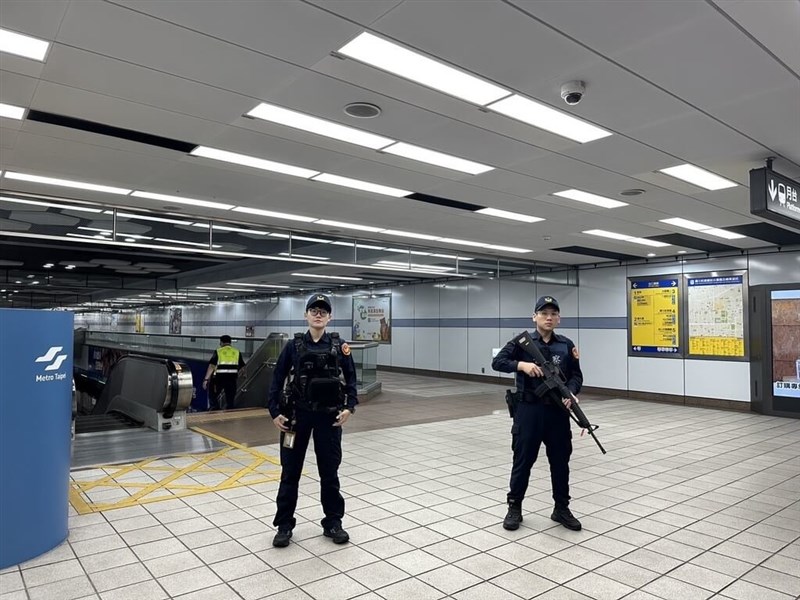
Since its completion in 2004, Taipei 101 has stood as a symbol of Taiwan’s technological ambition and resilience. Once the tallest building in the world, it remains an architectural icon recognized globally.
Its tiered design, inspired by traditional pagodas, creates visual rhythm along the façade. Engineers stress that these elements were never intended to facilitate climbing, even as they may inadvertently appear inviting to those drawn to Taiwan skyscraper climbing.
The Role of Digital Amplification
Within hours of the ascent, videos and photographs had reached millions of viewers worldwide. Analysts say the speed and scale of digital dissemination fundamentally change how such incidents are perceived and replicated.
The intersection of viral media and Taiwan skyscraper climbing has raised concerns among authorities that visibility may encourage imitation unless clear consequences are communicated.
Urban Climbing as a Global Issue
Taipei is not alone in confronting this challenge. Major cities including Paris, Dubai, and New York have faced similar incidents involving iconic landmarks. In response, international security networks increasingly share intelligence and preventive strategies.
Taipei’s experience has positioned Taiwan skyscraper climbing within a broader global conversation about urban safety in the age of social media.
A Single Official Voice
A senior municipal safety official addressed the situation in a brief statement, saying,
“Public safety must always take precedence over individual risk taking at shared landmarks.”
This was the only direct quote issued by authorities during official briefings.
Tourism and National Image
Taipei 101 is central to Taiwan’s tourism economy, attracting millions of visitors annually. Tourism officials expressed concern that repeated Taiwan skyscraper climbing incidents could shift international focus from cultural achievement to security vulnerabilities.
At the same time, the incident has drawn renewed global interest in how Taipei balances openness with protection at its most visible sites.
Security Measures Under Review
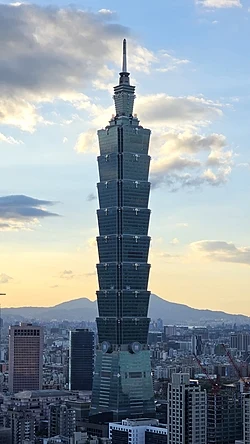
Building management has announced an extensive review of external surveillance and access control measures. Proposed enhancements include expanded camera coverage, motion sensors along vulnerable access points, and closer coordination with city authorities.
Experts caution that preventing Taiwan skyscraper climbing requires a layered approach combining technology, personnel, and public awareness.
Public Reaction Across Taiwan
Public opinion has been divided. Some residents expressed awe at the climber’s physical endurance, while others criticized the act as irresponsible and selfish.
Online discussions reveal growing concern that tolerance of Taiwan skyscraper climbing could erode respect for safety norms in shared urban spaces.
Urban Planning Challenges
Urban planners argue that iconic buildings face a paradox: their openness and visibility attract visitors but also risk takers. As cities grow vertically, this tension becomes more pronounced.
The debate surrounding Taiwan skyscraper climbing has renewed calls for integrated safety planning that considers both architectural design and human behavior.
Regional Attention and Policy Signals
Officials in neighboring Asian capitals are closely monitoring Taipei’s response. Several cities have reportedly begun reassessing their own landmark security protocols in light of the incident.
As a result, Taiwan skyscraper climbing is influencing discussions well beyond Taiwan’s borders.
Long Term Policy Implications
Policy analysts suggest the incident may mark a turning point in how Taiwan regulates access to high rise structures. Clarifying responsibilities between private operators and public agencies could become a legislative priority.
The emergence of Taiwan skyscraper climbing as a recognized risk factor underscores the need for proactive governance rather than reactive enforcement.
Community Trust and Transparency
Authorities emphasized transparency throughout the response, providing regular updates without sensationalism. Maintaining public trust, officials said, is essential when addressing incidents that capture widespread attention.
Clear communication may also deter future Taiwan skyscraper climbing attempts by reinforcing the seriousness of potential consequences.
What Happens Next
Investigations remain ongoing, with legal outcomes expected in the coming weeks. Interim security upgrades have already been implemented at Taipei 101, and further measures are under consideration.
For city leaders, the incident has underscored that Taiwan skyscraper climbing is not a passing curiosity but a challenge requiring sustained attention.
A Defining Test for Urban Safety
The ascent of Taipei 101 has transformed Taiwan skyscraper climbing from a fringe activity into a national issue in 2026. Although no one was injured, the episode has prompted a comprehensive reassessment of how iconic landmarks are protected in a hyper-connected world.
As Taipei moves forward, its response may shape best practices for cities worldwide seeking to safeguard their most visible symbols while preserving openness, accessibility, and civic pride.