WASHINGTON, February 15, 2026 — According to Parliament News, that Tehran oil revenue pressure has become a defining element of current United States foreign policy discussions, as officials evaluate economic tools aimed at curbing Iranian crude exports and limiting financial flows to Tehran. The renewed focus comes amid shifting global energy dynamics and persistent geopolitical tension across the Middle East.
In recent months, Tehran oil revenue pressure has intensified through diplomatic engagement, enforcement coordination, and financial monitoring mechanisms designed to reduce the volume and value of Iranian oil shipments. Policymakers argue that economic leverage remains a primary method of influencing state behavior without escalating military confrontation.
Energy markets are watching closely. Oil demand in Asia remains stable, while global supply margins are tight enough to make any disruption consequential. The strategic calculus in Washington reflects a careful balance between applying pressure and avoiding unintended price shocks.
The Foundation of Iran’s Energy Economy
Iran possesses some of the largest hydrocarbon reserves in the world. Oil exports form a substantial component of national income, financing public services, infrastructure, and regional commitments. As a result, Tehran oil revenue pressure directly affects fiscal stability and economic planning inside the country.
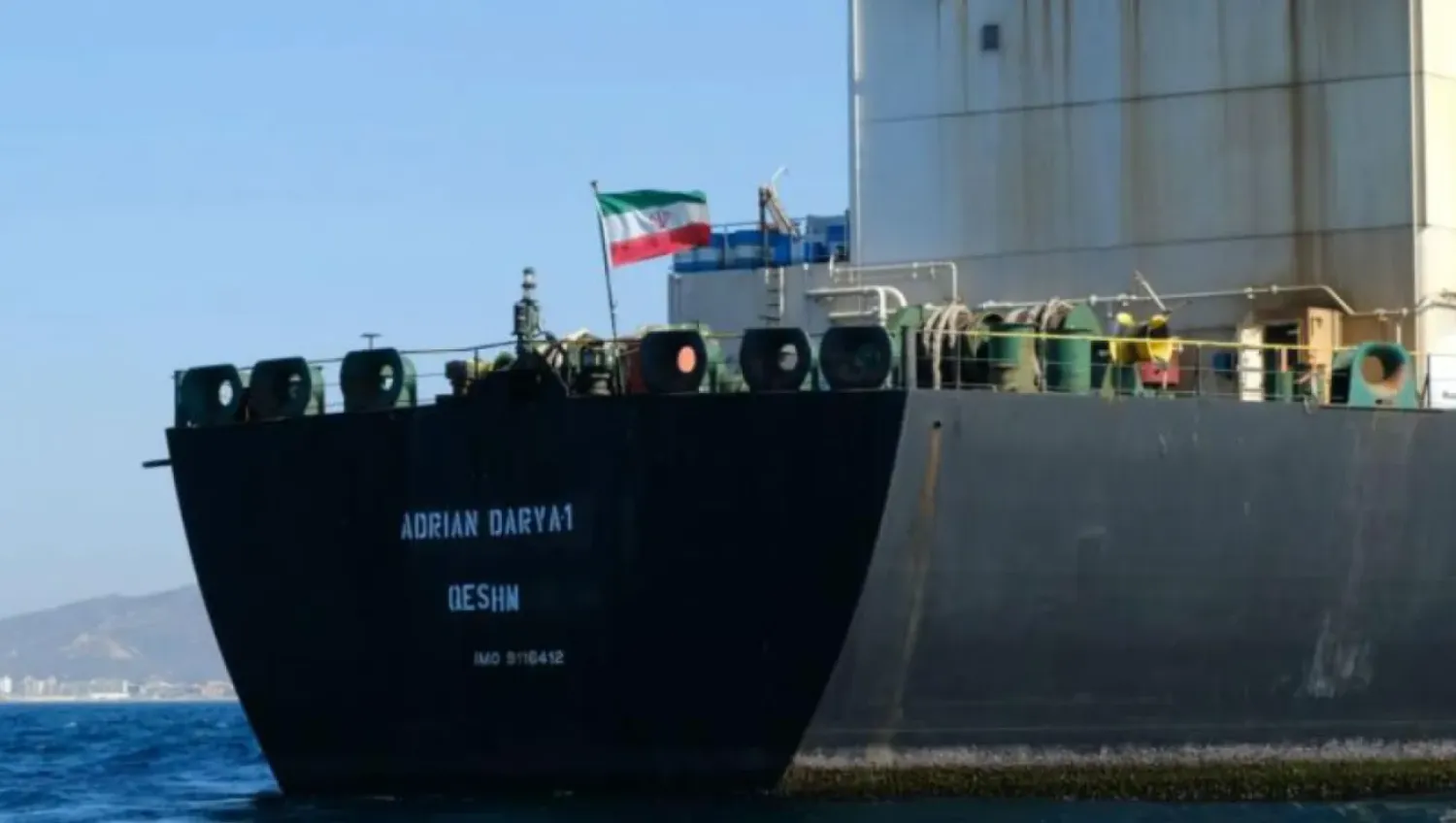
Sanctions over the past decade have sought to constrain export volumes, yet trade networks adapted. Ship to ship transfers, reflagging practices, and alternative payment arrangements have enabled continued flows, particularly toward Asian buyers. China has emerged as a consistent purchaser, capitalizing on discounted pricing structures.
Tehran oil revenue pressure now centers not only on physical shipments but also on the financial systems that facilitate them. Insurance providers, maritime registries, and clearing banks play crucial roles in sustaining the export chain.
Diplomatic Coordination and Multilateral Efforts
American officials have engaged regional allies and European partners in consultations aimed at synchronizing enforcement. The objective is to ensure that Tehran oil revenue pressure is applied through coordinated oversight rather than unilateral action.
Multilateral alignment increases compliance effectiveness. When shipping insurers and port authorities adopt consistent standards, it becomes more difficult for sanctioned exports to operate through loopholes.
At the same time, diplomatic messaging emphasizes stability. Policymakers stress that the goal is targeted enforcement rather than broad supply disruption.
China’s Strategic Energy Calculus
China’s economic model relies heavily on imported crude to power industrial output and manufacturing capacity. Iranian oil offers cost advantages due to discount structures and flexible arrangements.
Tehran oil revenue pressure complicates this equation. Chinese refiners must weigh the financial benefits of discounted crude against potential exposure to secondary sanctions or reputational risk.
Beijing has historically prioritized energy security and diversification. While alternative suppliers exist, logistical and pricing factors influence procurement strategies. Consequently, diplomatic engagement between Washington and Beijing plays a significant role in shaping enforcement outcomes.
Financial Enforcement Mechanisms
Tehran oil revenue pressure increasingly relies on financial oversight. Payment systems routed through smaller banks or alternative currencies are under scrutiny. Regulators are enhancing transparency requirements for maritime insurance documentation and cargo tracking.
Digital tracking technology has improved enforcement capacity. Satellite monitoring and data analytics allow authorities to identify irregular shipping patterns and coordinate with international partners.
Financial institutions are responding with stricter due diligence procedures, raising compliance costs for intermediaries engaged in facilitating sanctioned transactions.
Market Volatility and Energy Pricing
Energy traders monitor developments closely. Even modest reductions in Iranian exports can influence benchmark prices if spare capacity remains limited among other producers.
Tehran oil revenue pressure carries potential ripple effects across refining margins, shipping rates, and energy equities. Investors analyze geopolitical risk premiums when assessing commodity exposure.
Price volatility can influence inflation metrics worldwide. Central banks monitor oil trends as part of broader monetary policy frameworks.
Domestic Economic Impact Inside Iran
Oil income supports public budgets and foreign exchange reserves. Tehran oil revenue pressure could exacerbate fiscal constraints, particularly if export volumes decline substantially.
Currency volatility may intensify if foreign exchange inflows weaken. Inflationary pressures could increase as import costs rise. Economic analysts note that diversification efforts within Iran have progressed but remain limited relative to hydrocarbon dependency.
Government officials in Tehran argue that adaptive trade networks mitigate enforcement effects. Nonetheless, revenue fluctuations influence policy decisions and budget allocations.
Regional Security Implications
Energy revenue intersects with regional posture and diplomatic leverage. Tehran oil revenue pressure forms part of a broader strategy aimed at constraining financial capacity without direct confrontation.
Security analysts caution that economic constraints do not automatically translate into behavioral shifts. Regional dynamics are shaped by complex political and ideological factors.
Maritime security in the Persian Gulf remains a focal point. Shipping lanes through the Strait of Hormuz continue to require international monitoring.
Political Dimensions in Washington
Domestic considerations influence enforcement intensity. Lawmakers debate balancing strategic objectives with fuel price sensitivity among voters.
Tehran oil revenue pressure has become intertwined with broader discussions about energy independence and geopolitical leverage. Public messaging emphasizes calibrated action designed to minimize consumer impact.
Bipartisan consensus on limiting Iranian revenue streams exists, though differences remain regarding implementation pace and scope.
Historic Comparison
Historical precedents provide context for current strategies. Sanctions targeting oil exports have been employed against multiple states over the past decades. In the early 2010s, coordinated restrictions significantly reduced Iranian export volumes, demonstrating that multilateral enforcement can influence outcomes.
Tehran oil revenue pressure today differs in several respects. Global energy demand patterns have shifted, new trade networks have emerged, and enforcement technologies have advanced. Moreover, geopolitical alignments have evolved, with China playing a more central role in energy markets.
Comparisons highlight both continuity and change. Economic statecraft remains a preferred instrument, yet the globalized financial system creates both leverage and complexity.
The Role of Technology and Data
Advanced tracking systems enable authorities to identify shipping anomalies and ownership structures. Data transparency strengthens oversight capacity.
Tehran oil revenue pressure benefits from enhanced analytics that were unavailable in earlier sanction regimes. However, targeted entities also deploy sophisticated evasion tactics, creating an ongoing enforcement challenge.
Innovation thus characterizes both sides of the equation.
Energy Security Beyond the Middle East
Global energy diversification efforts influence policy decisions. Renewable investments and alternative supply agreements reduce vulnerability to single source disruptions.
Tehran oil revenue pressure must be calibrated within a broader transition toward diversified energy systems. Sudden supply constraints could undermine economic stability, complicating political objectives.
Energy diplomacy now integrates environmental considerations alongside geopolitical strategy.
Economic Ripple Effects Worldwide
Oil price adjustments influence transportation costs, manufacturing input expenses, and household budgets globally. Markets react quickly to geopolitical signals.
Tehran oil revenue pressure therefore resonates far beyond bilateral relations. Shipping firms, insurers, commodity traders, and consumers all experience indirect consequences.
Supply chain interdependence amplifies even modest disruptions.
A Single Voice on the Strategic Balance
One senior policy analyst summarized the complexity of the moment, stating,
“Economic leverage must be strong enough to influence strategic calculations but measured carefully to avoid destabilizing global energy markets.”
That perspective encapsulates the balancing act facing decision makers in 2026.
Long Term Strategic Outlook
Future developments hinge on diplomatic coordination, enforcement consistency, and market adaptability. Analysts expect incremental adjustments rather than abrupt embargoes.
Tehran oil revenue pressure may persist as a sustained policy framework if financial tools prove effective. Alternatively, evolving trade networks could blunt its impact.
Energy markets will remain sensitive to policy signals, especially amid tight supply conditions.
A Calculated Crossroads for Global Energy Policy
As Washington evaluates its options, the intersection of diplomacy, finance, and energy security becomes increasingly apparent. Tehran oil revenue pressure stands as a central element of economic statecraft in 2026.
The coming quarters will reveal whether calibrated enforcement shifts export patterns or merely reshapes trade routes. Policymakers must navigate between influence and instability, recognizing that energy markets underpin global economic equilibrium.
In this delicate environment, strategic patience and multilateral alignment may determine success more than headline measures. The trajectory of Tehran oil revenue pressure will shape not only regional dynamics but also the broader architecture of international energy relations.