


Telecom innovation trends are accelerating as T-Mobile integrates Starlink satellite backup into its broadband services.
The hybrid model enhances reliability, supporting businesses that rely on uninterrupted connectivity.
Industry analysts say this marks a major shift in how telecom providers deliver next-generation services.
Brussels, April 28, 2026 (Parliament Politics Magazine) telecom innovation trends are rapidly evolving as T-Mobile introduces a hybrid broadband solution supported by Starlink. The move reflects a growing demand for resilient connectivity solutions as businesses increasingly depend on uninterrupted digital infrastructure.
This development signals a shift in how telecom providers approach service delivery, blending terrestrial wireless networks with satellite technology to enhance reliability and expand coverage. Analysts say the rollout represents a defining moment in the evolution of business connectivity.
Hybrid Connectivity Model Redefines Reliability
The integration of satellite backup into broadband services highlights one of the most significant telecom innovation trends shaping the industry today. By combining 5G infrastructure with satellite resilience, T-Mobile aims to provide seamless connectivity even during outages.
This hybrid model ensures automatic failover to satellite networks when primary connections are disrupted. For businesses, this translates into reduced downtime and improved operational continuity—key priorities in an increasingly digital economy.
“We are entering an era where connectivity must be uninterrupted, regardless of external conditions,”
said a telecom strategist.
Expanding Business Connectivity Market
T-Mobile’s initiative aligns with broader telecom innovation trends focused on capturing the business segment. While the company has traditionally been consumer-focused, its latest offering targets enterprises that require high-performance and reliable internet services.
Small and medium-sized businesses, in particular, stand to benefit from this approach, as they often lack the resources to build redundant connectivity systems independently. The inclusion of satellite backup provides an enterprise-grade solution at a competitive price point.
Satellite Technology Drives Industry Transformation
Starlink, a division of SpaceX, plays a central role in these emerging telecom innovation trends. Its expanding network of low-Earth orbit satellites enables high-speed internet access across diverse geographic regions.
The integration of satellite technology into mainstream telecom services represents a significant shift in the industry. It not only enhances reliability but also extends connectivity to remote and underserved areas.
“Satellite integration is no longer a niche solution—it’s becoming a core component of modern telecom infrastructure,”
an industry analyst noted.
5G and Cloud Demand Fuel Growth
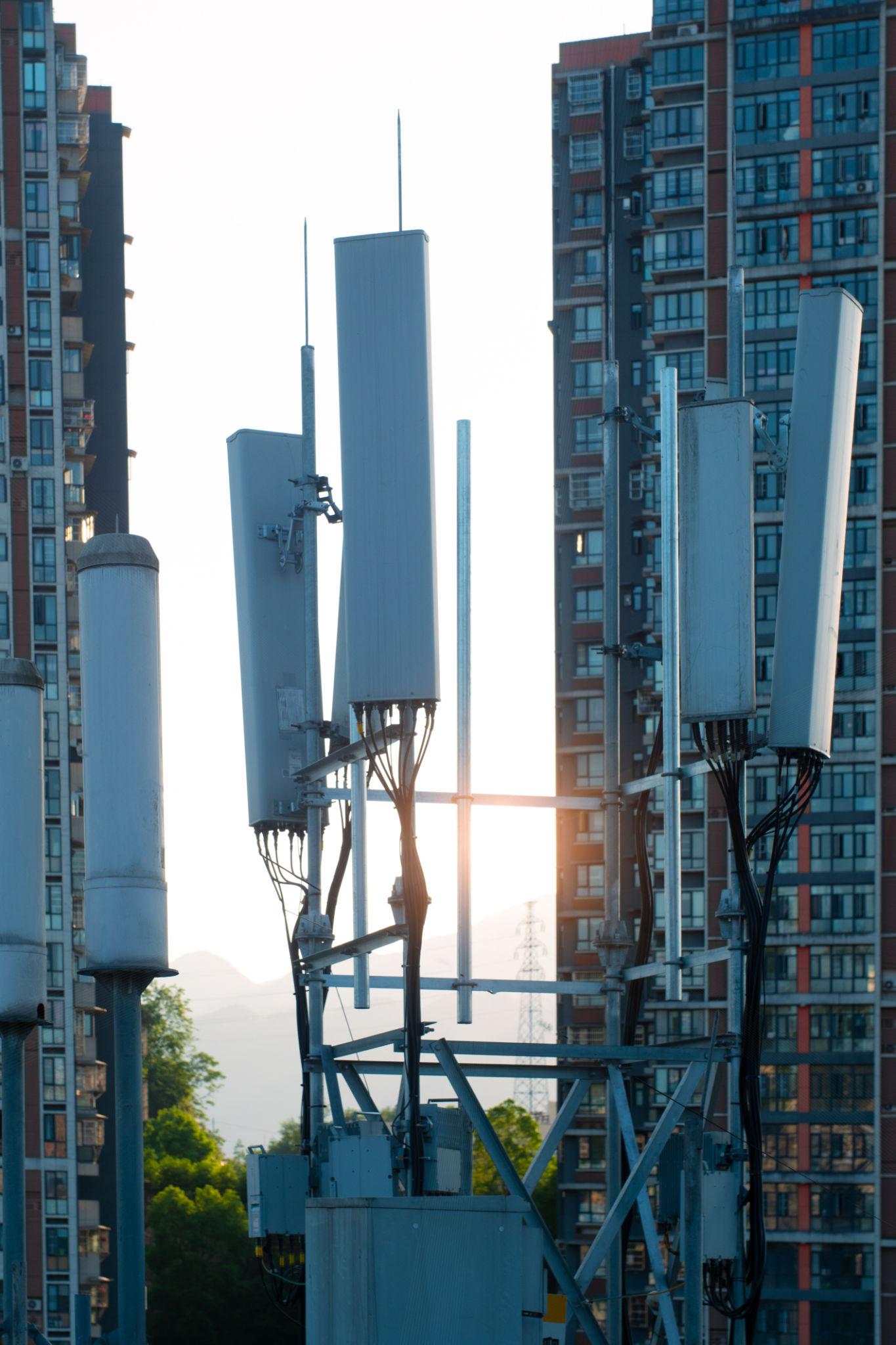
The rapid adoption of 5G and cloud computing continues to drive telecom innovation trends worldwide. Businesses are increasingly relying on cloud-based platforms, which require stable and high-speed internet connections.
T-Mobile’s hybrid solution supports these demands by ensuring consistent connectivity, even during network disruptions. This capability is particularly important for industries that depend on real-time data processing and communication.
Competitive Pressure Intensifies Across Telecom Sector
The introduction of hybrid broadband solutions is intensifying competition among telecom providers. Companies are investing heavily in innovation to differentiate their offerings and capture market share.
As telecom innovation trends continue to evolve, providers are exploring new technologies and partnerships to enhance their services. The integration of satellite backup is likely to become a standard feature in the future.
Global Impact of Digital Transformation
Digital transformation is reshaping industries across the globe, driving demand for advanced connectivity solutions. Businesses are adopting technologies such as artificial intelligence, IoT, and big data analytics, all of which require reliable internet infrastructure.
These changes are reinforcing telecom innovation trends, as providers adapt to meet the needs of a rapidly evolving digital landscape.
Historical Evolution of Telecom Innovation Trends
The history of telecom innovation trends reflects a continuous progression from basic communication systems to advanced digital networks. Early telecom infrastructure focused on voice communication, with limited data capabilities.
The introduction of mobile technology and the internet marked a turning point, enabling global connectivity and data exchange. Over time, advancements such as 4G and now 5G have transformed the industry, paving the way for innovations like hybrid connectivity and satellite integration.
This evolution underscores the importance of adaptability and innovation in sustaining growth within the telecom sector.
Economic and Operational Benefits for Businesses
The adoption of hybrid broadband solutions offers significant benefits for businesses, including improved reliability, reduced downtime, and enhanced productivity. These advantages translate into cost savings and better customer experiences.
As telecom innovation trends continue to advance, businesses are expected to prioritize connectivity solutions that support their digital operations.
Investment Trends and Market Outlook
Investment in telecom infrastructure is increasing as companies seek to capitalize on emerging opportunities. The combination of 5G, cloud computing, and satellite technology is creating a favorable environment for growth.
Industry experts predict that telecom innovation trends will drive sustained expansion in the coming years, with hybrid connectivity solutions playing a key role.
Telecom Industry Key Metrics — 2026
- Global telecom market growth: 5%–7% annually
- 5G adoption rate: Rapid expansion across major economies
- Cloud computing growth: 15%+ CAGR
- Satellite internet coverage: Expanding globally
- Business broadband demand: Rising sharply post-2024
- Data usage growth: 20%+ year-over-year
- Hybrid connectivity adoption: Emerging trend across enterprises
Key Takeaways: Telecom Innovation Trends Outlook 2026
Telecom innovation trends are reshaping the connectivity landscape, with hybrid broadband solutions leading the way. T-Mobile’s integration of Starlink technology highlights the industry’s focus on reliability and resilience. As digital transformation accelerates, these innovations are expected to drive long-term growth and redefine business connectivity.
