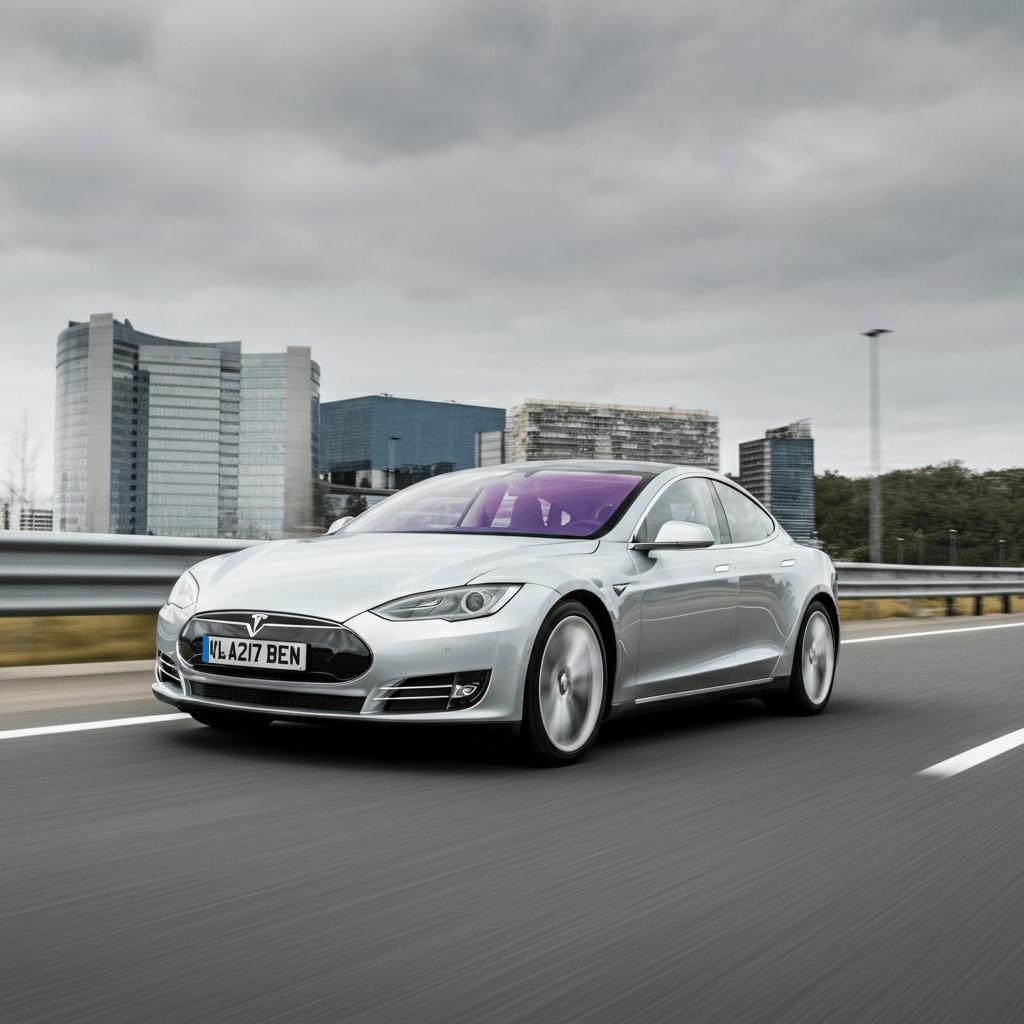
Tesla faces mounting scrutiny in Europe as regulators question the safety and compliance of its automated-driving systems.
The growing Tesla EU skepticism reflects stricter enforcement of EU standards in 2026.
Analysts warn the outcome could reshape Tesla’s expansion strategy across European markets.
Brussels, Europe (Parliament Politics Magazine) Tesla EU skepticism is rising sharply in Europe 2026, as regulators across the European Union increase scrutiny of automated-driving systems developed by Tesla, Inc.. Concerns surrounding safety validation, transparency in system capabilities, and compliance with strict EU frameworks are placing the company’s Autopilot and Full Self-Driving technologies under pressure.
The shift signals a broader regulatory stance that prioritizes caution over rapid deployment, especially as autonomous vehicle adoption accelerates globally.
Tesla EU Skepticism in Europe 2026
Location: Brussels, Europe
Year: 2026
Company: Tesla, Inc.
Focus: Automated-driving systems (Autopilot, FSD)
Primary Issue: Tesla EU skepticism over safety and compliance
Regulatory Framework: EU vehicle safety and digital systems oversight
Market Impact: Increased scrutiny, potential rollout delays
Outlook: Dependent on regulatory approval and system adjustments
EU Authorities Question Automated Driving Capabilities
The rise in Tesla EU skepticism is largely driven by concerns that automated-driving systems may not consistently meet European safety expectations in complex real-world environments. Regulators are examining how these systems respond to unpredictable road conditions, pedestrian activity, and dense urban traffic scenarios.
European regulators have emphasized that driver-assistance features must not be misunderstood as fully autonomous systems, a distinction that has become central to ongoing discussions.
A senior EU official stated:
“Technology must prove reliability under all conditions before it earns public trust.”
Regulatory Pressure Builds Across European Markets
European regulatory agencies are applying increased pressure on Tesla to provide detailed performance data and ensure compliance with local safety standards. The region’s strict regulatory environment requires extensive validation and transparency.
The continued Tesla EU skepticism highlights concerns over:
- Driver monitoring requirements
- Real-world system limitations
- Marketing clarity regarding system capabilities
- Data disclosure and accountability
These factors are influencing how quickly Tesla can expand its automated-driving features across Europe.
Divergence Between US and EU Regulatory Approaches
One of the key challenges facing Tesla is the difference between regulatory environments in the United States and Europe. While US regulators have taken a more flexible approach, European authorities prioritize strict oversight.
This divergence is amplifying Tesla EU skepticism, as systems designed for one regulatory framework may not seamlessly translate to another.
A transportation analyst explained:
“Europe’s regulatory model demands precision and accountability at a level that reshapes how companies deploy innovation.”
Competitive Pressure From European Automakers
European automakers are developing their own driver-assistance technologies tailored specifically to meet EU standards. This creates a competitive landscape where compliance becomes a strategic advantage.
The persistence of Tesla EU skepticism could provide an opportunity for regional competitors to strengthen their market positions.
Consumer Confidence and Adoption Trends
Public trust is a critical factor in the adoption of automated-driving technology. European consumers tend to prioritize safety and reliability, making regulatory approval a key influence on purchasing decisions.
The growing Tesla EU skepticism may impact consumer perception, particularly if concerns are widely publicized.
Technological Innovation Meets Regulatory Reality
Tesla’s rapid innovation has positioned it as a global leader in electric vehicles and autonomous technology. However, the European regulatory environment requires a balance between innovation and accountability.
The ongoing Tesla EU skepticism illustrates the tension between advancing technology and ensuring public safety.
History of Autonomous Driving Regulation in Europe
Europe has historically taken a cautious approach to emerging technologies, especially those impacting public safety. Autonomous driving systems have undergone extensive testing and regulatory evaluation before approval.
This cautious approach explains the persistence of Tesla EU skepticism, as regulators aim to prevent premature deployment of advanced systems.
Market Impact and Investor Outlook
Investors are closely monitoring developments related to Tesla’s regulatory challenges in Europe. While the company remains a leader in innovation, uncertainty surrounding compliance could influence long-term growth prospects.
The expansion of Tesla EU skepticism is viewed as a potential risk factor in European market performance.
Future Outlook for Tesla in Europe
Tesla’s future in Europe will depend on its ability to address regulatory concerns and adapt its technology to meet local requirements. Collaboration with regulators and enhanced transparency may help reduce skepticism.
As Tesla EU skepticism continues to evolve, the company’s response will play a critical role in shaping its position in the European market.
Key Developments
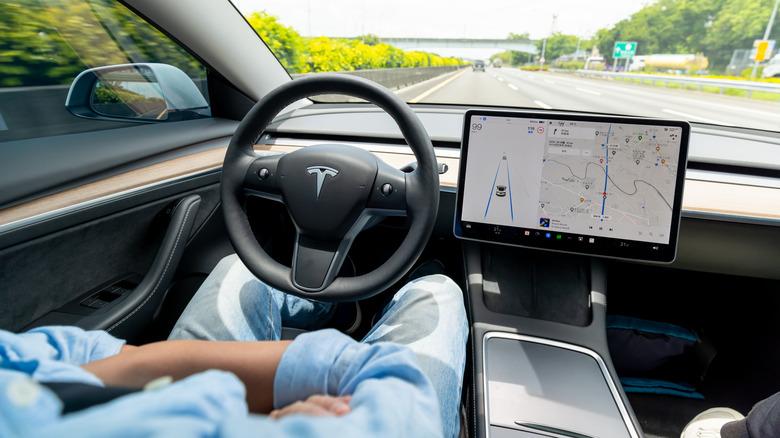
Tesla is facing increasing regulatory scrutiny in Europe over its automated-driving technology. The rise in Tesla EU skepticism reflects strict EU standards focused on safety and transparency. The outcome could significantly impact Tesla’s expansion strategy and influence the broader adoption of autonomous driving systems across Europe.