As a Cornish MP, I represent people on the edge. With the sea on three sides and cut off from England by the Tamar River and a precarious train line, we’re used to being at the centre of a world that is far from everyone else. That distance has made us resilient, independent and proud. But being on the edge of the country also means being at the sharpest edge of climate change.
Three of the five worst harvests on record have occurred since 2020, and weather changes are impacting food security and prices. Last year was the warmest ever recorded, and this winter was the Duchy’s wettest since records began in 1836. Heavy rainfall and flooding have overwhelmed septic tanks and drains, spilling sewage onto streets and posing serious public health risks. And coastal communities like ours face existential threats from rising sea levels and erosion, with beaches, car parks, roads and cafés under managed realignment.
The storms that hit us in quick succession: Goretti, Ingrid and Chandra, were a real wake up call. They exposed vulnerabilities in our infrastructure and emergency planning that could affect any part of the UK as extreme weather becomes more frequent and intense.
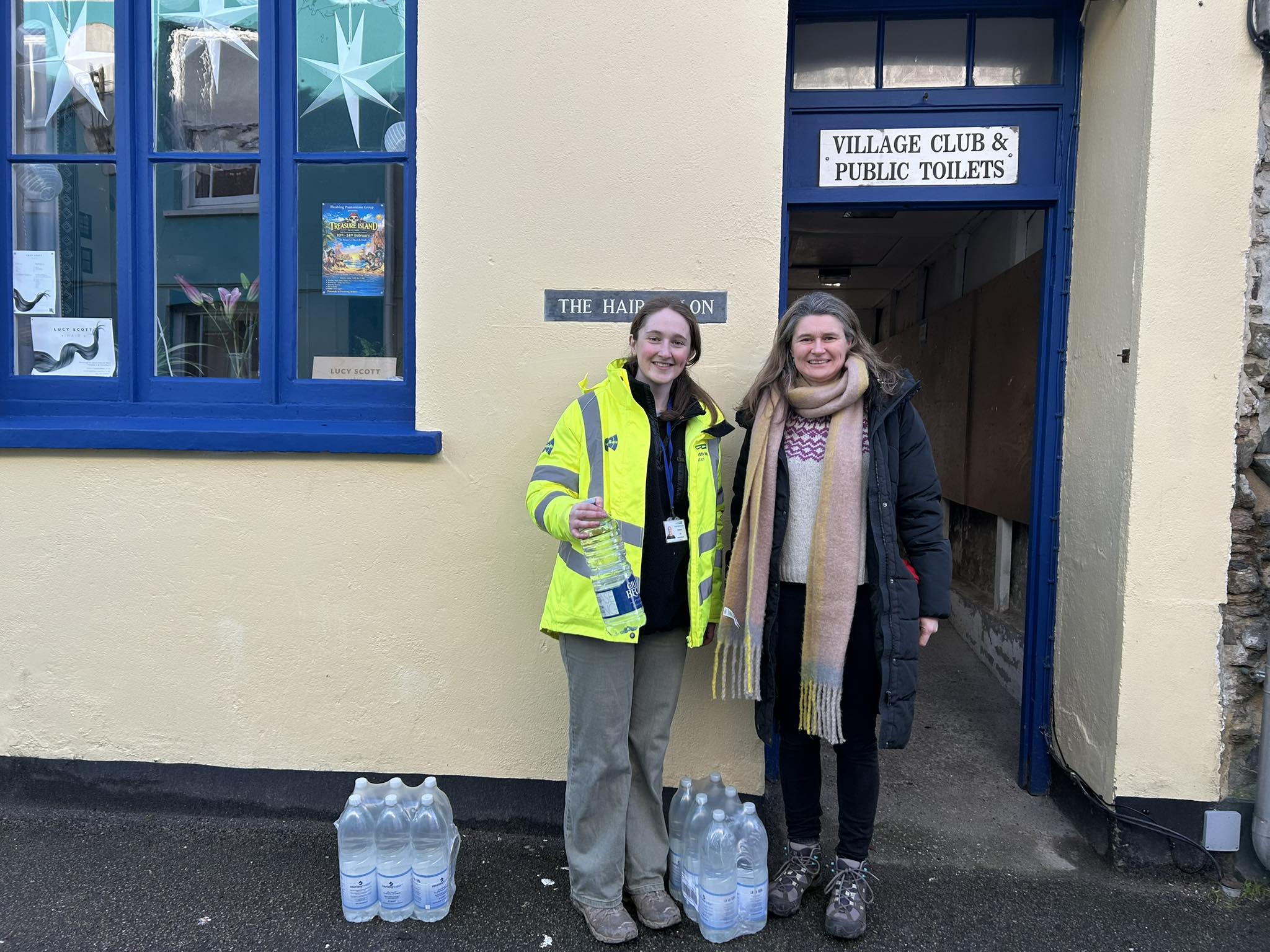
Storm Goretti triggered a rare Met Office red warning, with gusts of around 120 mph inflicting severe damage. Tragically, a life was lost, and more than 1,000 trees came down. Around 121,000 customers lost power, and thousands were left without access to clean water. Roads were blocked, communities were isolated, and schools, care homes, and hospitals faced unprecedented strain. Although some parish council emergency plans existed, it was unclear who was responsible for putting them into action.
As always, the Cornish spirit came to the fore. Neighbours checked on each other. Farmers cleared fallen trees. Volunteers and frontline workers stepped up, and utilities worked around the clock with local authorities, engineers and emergency responders to restore essential services. But we saw failures in the systems designed to keep us safe.
This is why I secured a debate in the House of Commons on Extreme Climate and Weather Events and National Resilience. Much important work is underway across Government, particularly on water resilience and flood preparedness, but the events in Cornwall made it clear that we need to protect communities better from the inevitable march of climate, acting faster and with greater urgency.
Every community needs a designated emergency hub with backup power, heat, water, charging facilities and essential supplies. We need clear volunteer structures so people know where to go and what to do if systems fail. Better data sharing between utilities, councils and emergency services would help identify and support vulnerable residents quickly. And personal preparedness matters too. Each household should have a basic emergency kit ready for power cuts, floods or water shortages.
The storms exposed other weaknesses. Cornwall’s reliance on a single vulnerable railway line needs attention. When that line goes down, as it has before, Cornwall is cut off. While improvements have been made, a long term strategic transport plan for South West Rail remains urgent; one that reflects the reality of rising seas and more extreme storms.
Our energy resilience must also be strengthened. Community owned renewable generation will help keep power local and reliable, and our off grid households need support to transition to cleaner, more secure fuels such as HVO. And our planning rules should make it easier for homes to install solar panels.
Our communication networks must be fit for purpose, with accurate coverage reporting and obligations on providers to meet those standards. Mobile masts require backup power the same as water companies and for rural communities, satellite links may be the only dependable solution.
I welcome the suggestions from Cabinet Office Minister Dan Jarvis and DSIT Minister Liz Lloyd that Cornwall could serve as a pilot area for new national resilience measures. We are well placed to lead on this. The lessons of Storm Goretti apply beyond Cornwall and our communities need credible, well coordinated resilience planning. I hope this will help prepare us all for the climate challenges ahead.
The lessons of Storm Goretti apply beyond Cornwall and our communities need credible, well coordinated resilience planning