
This country is quietly failing some of our most vulnerable people. How we answer SEND families’ call for justice will measure who we are.
A broken system
In my adjournment debate last Tuesday on local authorities and SEND provision, I welcomed parts of the Schools White Paper, particularly its emphasis on early intervention and additional funding. We know that most SEND local authority staff care deeply about their work, and we are grateful for them. But they are working in a system that is chronically underfunded and increasingly overwhelmed. The pressure to do more with less has resulted in corner cutting, a culture of dishonesty and, at its worst, brutalisation. I fear the government has seriously underestimated the scale of harm its latest reforms may bring.
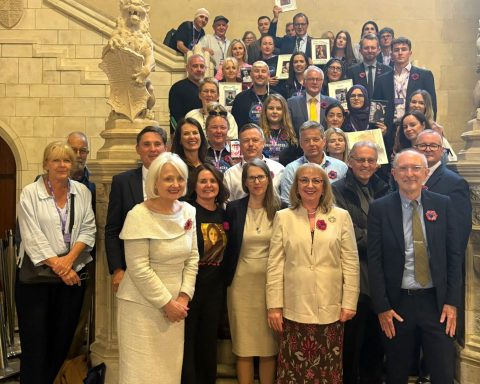
During the debate, I shared the story of my constituent, Jennifer Bridges-Chalkley. Jen was 17 when she started college in September 2021. She had been diagnosed with autism and ADHD. Her local authority knew she was at risk of suicide but did not inform the college. One month later, she was dead. Her 81-page inquest report found comprehensive and prolonged failures by Surrey County Council. Jen’s death was not inevitable; it was the outcome of a broken system.
Matthew Purchase KC has described the White Paper as “a lot of good intentions, but which, on the face of it, are going to reduce the ability for children and families to enforce what they are legally entitled to.” When families most need a robust safety net, the government may pull away important protections.
An epidemic of avoidable child suicide
At its worst, local authority failure can have devastating consequences. Potentially hundreds of SEND children are avoidably taking their own lives due to public authority negligence. In the past few weeks, I have cried with more parents whose children avoidably committed suicide than I ever wished to meet in a lifetime. The worst part is that we do not know the true scale of this tragedy, as the government does not hold a central database to track this.
Working with The Times, I shared the stories of twenty children who killed themselves following years of documented institutional failure. Under the government’s proposed reforms, many of these children would likely have been deemed to have so called “predictable needs” and stripped of their Education, Health and Care Plans (EHCPs). That would have denied them an enforceable right to specialist provision and left their families without any clear legal route to challenge the decisions that contributed to their deaths.
The real test of SEND reform
Alongside the organisation Measure What Matters, I have now published 1,253 testimonies of unlawful, harmful or unethical behaviour by 134 local authorities across the country. They describe children left without education for months or years, leaving families destroyed. While councils face huge financial pressure around SEND, too often that pressure has translated into a culture of dishonesty and treating children’s suffering as just another “problem to manage.”
Surrey County Council is a stark example of how this culture manifests. Through a Freedom of Information request, I recently uncovered that they ignored court directions 38 times in eleven weeks during legal proceedings for vulnerable children. If an individual or a private company did this, they would be prosecuted.
Local authorities claim they’re overwhelmed by SEND demand, but what we are seeing in practice in Surrey is children, who the County Council know have need, and yet they are saying they don’t. This decision then, predictably, gets overturned at tribunal. Instead of saying to parents that they recognise their children’s needs but are struggling to meet them because of capacity, Surrey is choosing to deny those needs, resulting in alleged lawbreaking. This has catastrophic consequences for some children.
During the statement on the Schools White Paper, the Education Secretary told the House she would “absolutely hold local authorities accountable for delivery”. I believe she should uphold this commitment by removing SEND responsibilities from Surrey to protect children and put in place alternative arrangements that families can trust.
My debate highlighted the impact of the broken SEND system in this country. I questioned how the government could even consider cutting children’s rights at a time when families’ trust in the system is so low.
The Schools White Paper raises serious concerns over SEND children’s legal protections

5 mins read


Latest from UK Parliament

For most of us, leaving the house is something we do without thinking too much about

Pensioners who have worked hard throughout their lives deserve dignity and security in retirement. They have
I recently had the privilege of opening a Westminster Hall debate responding to a petition calling

Last week I led a Westminster Hall debate on community hospitals, in response to widespread concern

Across Cheshire, one issue has united residents, farmers, landowners and rural communities: the proposed Peak Cluster