
The optimism that traditionally accompanies the start of a new calendar year has been met with a sobering reality in the latest round of economic reporting in the UK.
Official figures released this morning reveal that the British economy flatlined in January, recording 0.0% growth and falling short of the 0.2% expansion many analysts had anticipated.
This stagnation follows a tepid December, which saw a marginal increase of just 0.1%, suggesting that the momentum required to pull the nation into a period of sustained recovery is currently absent.
A closer inspection of the data identifies a significant malaise within the services sector, which acts as the primary engine of the UK’s GDP. The sector remained entirely stationary, weighed down heavily by a sharp decline in food and drink services, which fell by an alarming 2.7%.
This contraction in hospitality suggests that the “cost-of-living” shadow continues to lengthen, as consumers pull back on discretionary spending in the face of persistent inflationary pressures, a slow jobs market and growing doubt that the economy is heading in the right direction.
Manufacturing also saw a slight dip of 0.1%, while the construction industry provided a rare, albeit modest, glimmer of hope with a 0.2% increase in activity. However, these small gains in bricks and mortar were insufficient to offset the broader inertia across the rest of the economy.
The domestic economic picture is being further complicated by a volatile international landscape. The escalating conflict in the Middle East, involving the United States, Israel, and Iran, has sent shockwaves through global markets, oil and gas prices surging and directly impacting British politics and the pockets of UK households. Brent crude oil at time of going to pixel was trading above the $100-a-barrel mark. This sharp increase in wholesale costs has already begun to manifest at the pumps with petrol prices up around 7 pence per litre and diesel up around 13 pence per litre since 28th February. Gas prices are also rising, which will impact energy and heating costs with gas hitting its highest level in a year, 131 pence per therm after the war started.
Rising fuel prices act as a regressive tax on both businesses and consumers, stifling growth exactly when the economy is at its most vulnerable. This geopolitical instability has effectively dampened the prospect of an early spring recovery, as the costs of production and transport continue to climb.
The spike in fuel costs is also likely to lead to an increase in the UK’s inflation rate and put an end to the prospect of further interest rate cuts by the Bank of England.
While there had been widespread hope for a reduction in borrowing costs to stimulate the economy, the markets now expect the central bank to hold interest rates steady at 3.75%, opting for a “wait-and-see” approach rather than risking a premature easing that could fuel a second wave of inflation.
For many businesses, the prospect of rates remaining “higher for longer” is a daunting one, particularly as they attempt to reconcile stagnant demand with rising overheads such as the increase in NI.
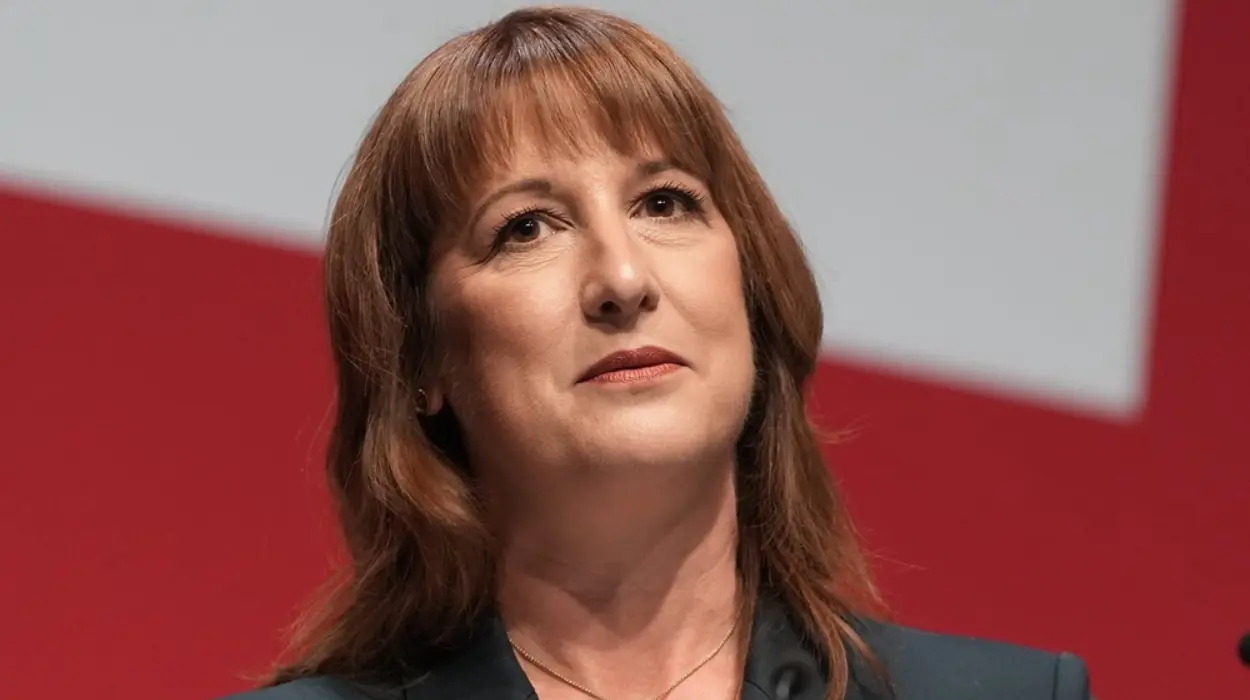
The political fallout from the January data has been swift and predictable. Chancellor Rachel Reeves admitted that there is “more to do” to deliver the growth the government has promised, emphasising that the road to stability is often uneven.
She commented: “Our economic plan is the right one, but I know there is more to do.
“In an uncertain world, we are building a stronger and more secure economy by cutting the cost of living, cutting national debt and creating the conditions for growth to make all parts of the country better off.”
However, the opposition has been quick to seize on the figures as evidence of a lack of a coherent industrial strategy. Shadow Chancellor Mel Stride criticised the government’s approach, characterising the flatline as a result of “economic mismanagement” and a failure to protect the UK from predictable global shocks. He went on to say the Government should cut taxes on the UK’s domestic oil and gas sector.
“They must now axe the fuel tax, back North Sea oil and gas and come forward with a proper plan to cut the deficit and get the benefits bill down,” he said.
With the other opposition parties also expected to criticise the Government’s economic policy as ineffective, this row will undoubtedly rumble on. But for now, the UK economy remains in a state of suspension, caught between a desire for growth, the government’s economic policy and the crushing weight of global volatility.
The UK’s faltering economy flatlines in January

6 mins read
Latest from UK News

CAERNARFON, WALES, June 13 (Parliament Politics Magazine) – Hundreds of birdwatchers from across the UK have

DERBYSHIRE, ENGLAND, June 13 (Parliament Politics Magazine) – A criminal investigation has been launched into a

LONDON, June 13 (Parliament Politics Magazine) – Online Safety Minister Kanishka Narayan signaled that the government
LONDON, June 13 (Parliament Politics Magazine) – More than 100 Parliamentarians have formally requested that the

LANCASHIRE, June 13 (Parliament Politics Magazine) – A 17-year-old girl is recovering at home after being