

United States, January 2026 – parliament news highlights a pivotal shift in American technology policy as TikTok moves closer to finalizing a TikTok US joint venture, a restructuring effort designed to keep the platform operational amid escalating regulatory scrutiny and national security debates.
Escalating Regulatory Pressure in Washington
The relationship between TikTok and US regulators has long been defined by caution, skepticism, and unresolved tension. As the platform’s influence expanded rapidly across demographics, concerns emerged over how data was collected, stored, and potentially accessed. By early 2026, bipartisan momentum solidified around the belief that structural change was unavoidable.
The TikTok US joint venture emerged as a response to these pressures, positioning itself as a middle path between prohibition and unchecked operation. Lawmakers made it clear that transparency and enforceability would determine the platform’s future in the American market.
Origins of the Ownership Debate
Questions surrounding ownership trace back several years, fueled by broader geopolitical competition and digital sovereignty concerns. US officials argued that modern platforms wield unprecedented power over information flows, culture, and commerce.
As negotiations intensified, the TikTok US joint venture concept gained traction among policymakers seeking to preserve innovation while reducing perceived risks. The proposal reflects a growing trend toward national oversight of global technology firms.
Framework of the Proposed Business Structure
The proposed arrangement outlines a domestically controlled governance model, with US-based investors holding majority ownership and operational authority. Data infrastructure would remain on American soil, overseen by independent compliance teams.
Advocates say the TikTok US joint venture aligns with regulatory expectations applied to sensitive sectors, including telecommunications and financial services. This framework aims to reassure officials without disrupting user experience.
Data Security and Oversight Mechanisms
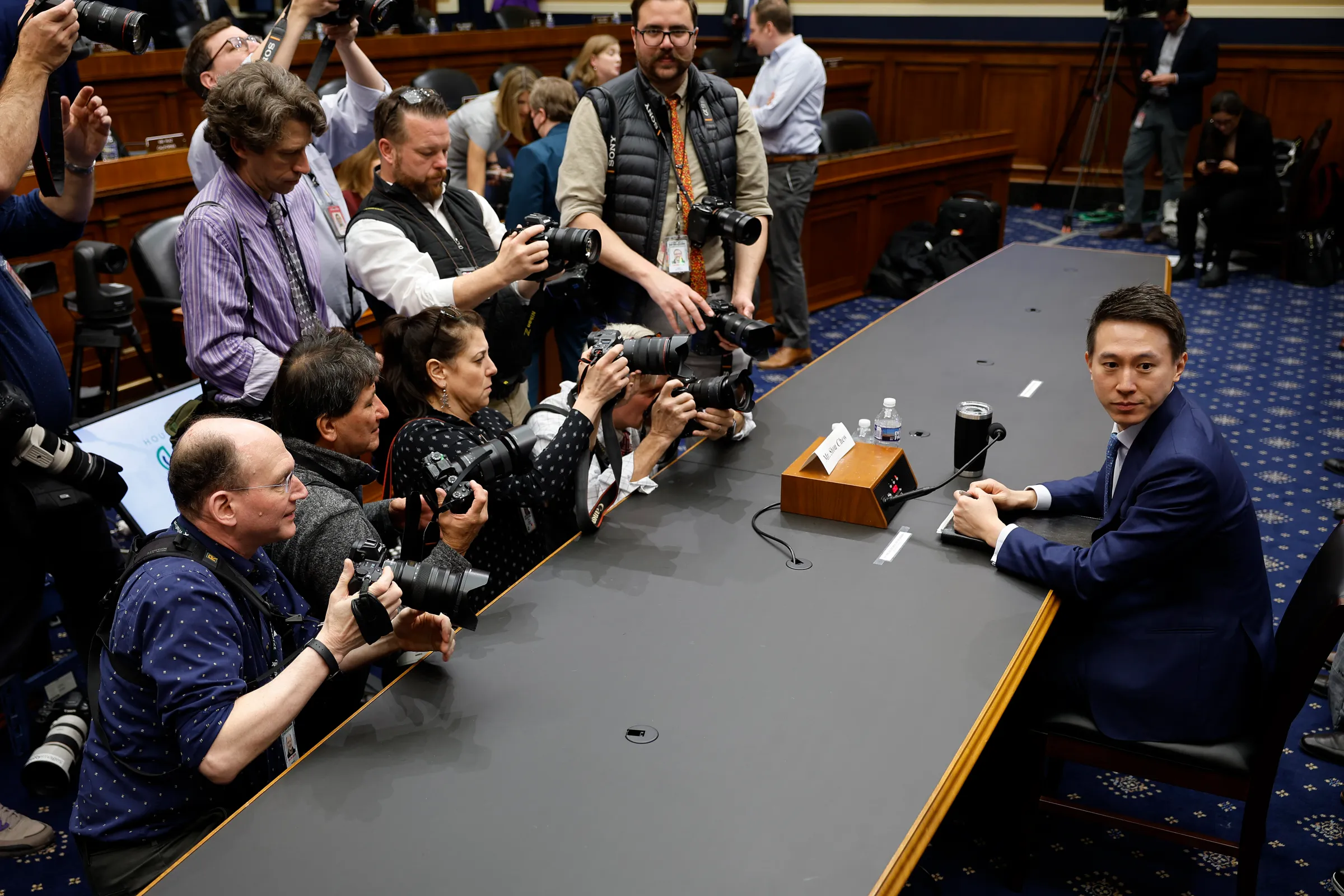
At the center of negotiations lies the issue of data security. Regulators demanded guarantees that user information would remain insulated from foreign access. The agreement introduces layered safeguards, regular audits, and direct reporting lines to US agencies.
Supporters of the TikTok US joint venture argue that these measures exceed existing industry standards and reflect a new era of accountability for social media platforms operating at scale.
Economic Impact on the Creator Ecosystem
TikTok’s role in the American digital economy extends far beyond entertainment. Millions of creators rely on the platform for income, while small businesses depend on its algorithmic reach for visibility.
The potential disruption of a ban galvanized economic stakeholders, strengthening support for the TikTok US joint venture as a stabilizing solution. Analysts warned that abrupt platform removal could ripple across advertising, retail, and media sectors.
Political Divisions and Policy Calculations
Despite progress, political consensus remains elusive. Some lawmakers view the deal as a pragmatic compromise, while others argue that enforcement challenges persist.
A senior policy adviser stated,
“Any solution must be judged not by intent, but by its ability to prevent misuse in real-world conditions.”
This caution underscores ongoing skepticism toward the TikTok US joint venture among certain factions.
Public Sentiment and User Trust
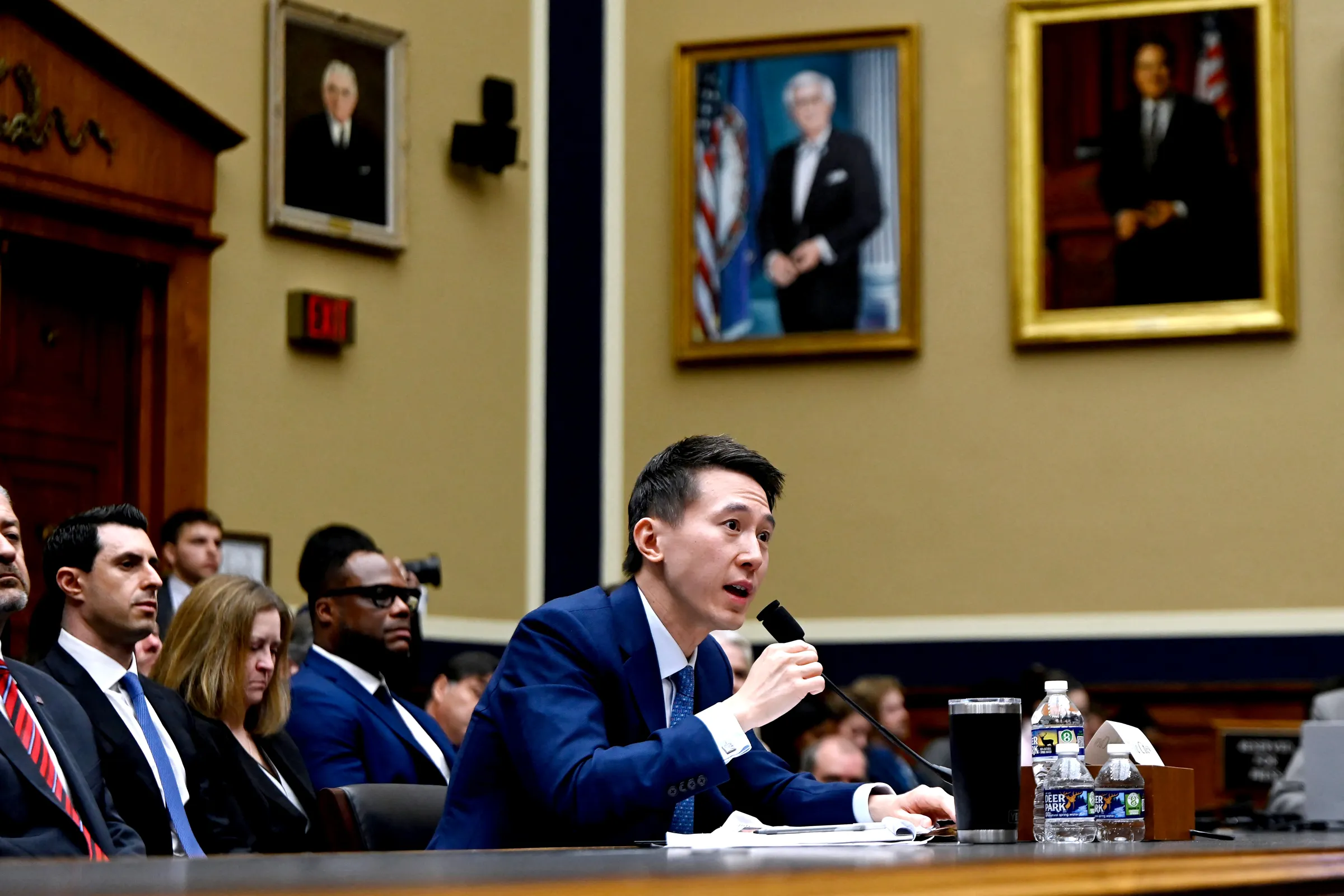
Public reaction reflects a mix of relief and uncertainty. Many users express hope that the agreement will preserve access while enhancing transparency. Others remain wary of how governance changes may shape content moderation and algorithmic visibility.
The TikTok US joint venture places significant emphasis on rebuilding trust, acknowledging that user confidence is essential for long-term viability in the United States.
International Regulatory Implications
Global regulators are watching developments closely. Similar debates have emerged in Europe, Asia, and Latin America as governments reassess foreign-owned digital platforms.
Experts suggest the TikTok US joint venture could serve as a reference point for future regulatory frameworks, influencing how nations balance openness with security in a fragmented digital landscape.
Market Response and Advertiser Confidence
Financial markets generally favor clarity, and early reactions suggest cautious optimism. Advertisers paused spending during peak uncertainty but have gradually returned as negotiations advanced.
The TikTok US joint venture provides a degree of predictability that stakeholders view as essential for long-term planning and investment decisions.
Legal Review and Federal Approval Process
Multiple federal agencies are expected to scrutinize the agreement before granting approval. Reviews will assess governance transparency, compliance enforcement, and contingency planning.
If approved, the TikTok US joint venture could be implemented within months, concluding one of the most prolonged regulatory standoffs in US technology history.
Redefining Digital Sovereignty
This case highlights the evolving definition of digital sovereignty. Governments increasingly view platforms as strategic infrastructure rather than neutral services.
The TikTok US joint venture reflects a broader shift toward conditional market access, where compliance with national standards determines operational legitimacy.

Long-Term Implications for Global Tech Firms
For multinational technology companies, the message is clear: regulatory adaptation is no longer optional. Market access now depends on alignment with local governance expectations.
The TikTok US joint venture illustrates how business models must evolve in response to political realities shaping the digital economy.
A Turning Point for Platform Governance
As negotiations approach resolution, the agreement represents more than a corporate restructuring. It marks a turning point in how digital platforms coexist with state authority.
The TikTok US joint venture may ultimately redefine the balance between innovation, sovereignty, and global connectivity in the years ahead.
When Algorithms Meet Geopolitics
The TikTok saga demonstrates how algorithms, once viewed as neutral tools, have become entangled in geopolitical considerations. Influence, reach, and data are now matters of national interest.
The TikTok US joint venture stands at the intersection of technology and geopolitics, symbolizing the complex challenges of governing digital spaces.
A New Chapter in the Digital Order
As the final decision approaches, this moment represents a broader transformation in global digital governance. Platforms can no longer operate independently of political oversight.
The TikTok US joint venture encapsulates a new chapter where technology, policy, and society converge, shaping the future of online interaction.
Beyond the Deal: What the Future Holds
Whether hailed as compromise or necessity, the agreement’s legacy will extend beyond TikTok itself. Policymakers, businesses, and users will study its outcomes closely.
The TikTok US joint venture may become a defining model for how nations manage the growing power of digital platforms in an interconnected world.
The Platform That Changed the Rules
Few platforms have forced governments to rethink regulation as profoundly as TikTok. This agreement highlights how digital influence now rivals traditional industries in strategic importance.
The TikTok US joint venture concludes a long chapter of uncertainty, opening a new phase in the evolving relationship between technology and state authority.