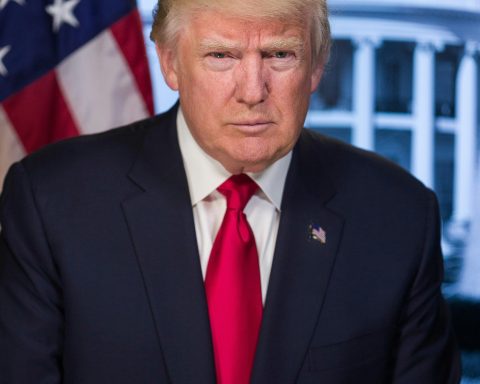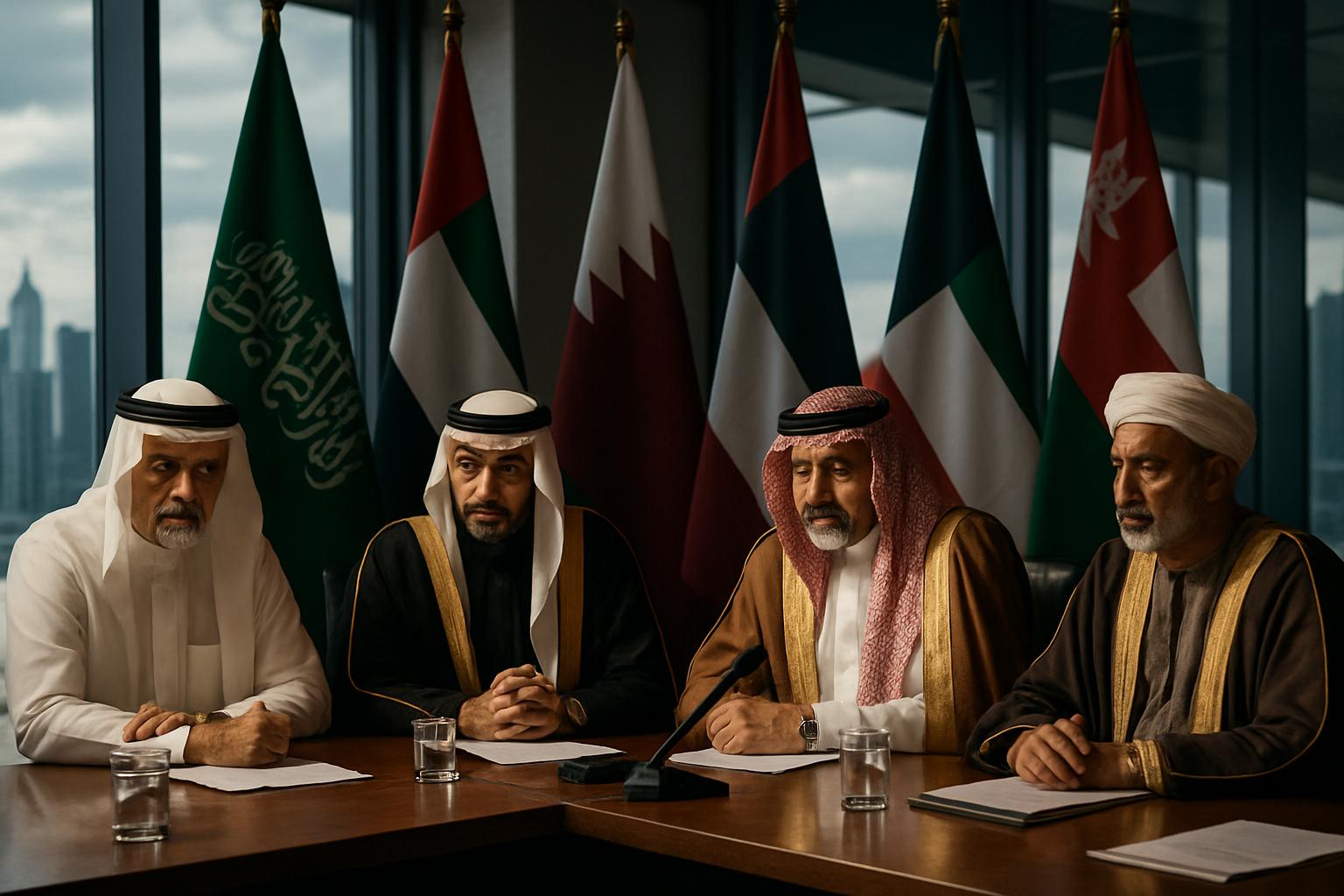
Trump Iran deal remarks are drawing global attention after claims that negotiations are largely complete.
The former president also suggested the Strait of Hormuz could reopen amid easing regional tensions.
Global markets and energy traders are closely monitoring developments tied to Middle East stability.
WASHINGTON, D.C. (Parliament Politics Magazine) Fresh remarks surrounding a potential Trump Iran deal are generating international attention after former President Donald Trump reportedly stated that negotiations were “largely negotiated” and suggested the Strait of Hormuz could reopen if diplomatic progress continues.
The comments immediately triggered discussion across geopolitical circles, financial markets, and energy sectors because the Strait of Hormuz remains one of the world’s most critical oil shipping routes. Any indication of reduced tensions involving Iran could significantly affect global energy prices and regional security calculations.
The latest Trump Iran deal developments come during a period of heightened concern surrounding Middle East stability, military activity, and the global economy.
Trump Iran Deal Developments
| Category | Latest Focus |
|---|---|
| Main Topic | Iran negotiations |
| Strategic Issue | Strait of Hormuz |
| Global Concern | Oil market stability |
| Key Figure | Donald Trump |
| Diplomatic Status | Talks reportedly progressing |
| Economic Impact | Energy market reaction |
| Regional Focus | Middle East |
| International Interest | Geopolitical stability |
Strait of Hormuz Remains Critical to Global Energy Markets
The Strait of Hormuz is considered one of the most strategically important waterways in the world because a major percentage of global oil shipments pass through the narrow corridor connecting the Persian Gulf to international markets.
Any disruption in the region can quickly impact energy prices, shipping costs, and investor confidence.
The latest Trump Iran deal comments increased speculation regarding whether diplomatic negotiations could eventually reduce military tensions surrounding the vital shipping route.
Energy analysts have repeatedly warned that instability involving Iran and the Strait of Hormuz creates major uncertainty for oil-importing nations worldwide.
Markets Respond to Diplomatic Signals
Financial markets closely monitor developments tied to the Trump Iran deal because geopolitical stability in the Middle East often influences oil prices, inflation concerns, and broader economic sentiment.
Even small diplomatic signals involving Iran can trigger rapid reactions across energy markets.
Investors are particularly focused on whether improved negotiations could reduce the risk of shipping disruptions and military escalation in the Gulf region.
Oil traders also continue watching for official statements from Tehran, Washington, and regional governments as negotiations evolve.
Diplomatic Negotiations Continue Drawing Attention
The latest Trump Iran deal discussion reflects broader international efforts to reduce tensions that have repeatedly affected global security and economic stability over recent years.
Relations between Iran and Western governments have experienced periods of severe tension involving sanctions, nuclear negotiations, regional military activity, and energy security concerns.
Analysts believe any progress tied to negotiations could influence multiple areas of global diplomacy beyond the Middle East itself.
“Energy markets respond quickly whenever diplomatic progress appears possible in the Gulf region,”
one geopolitical analyst said.
Middle East Stability Remains a Global Priority
Governments across Europe, Asia, and North America continue monitoring developments tied to the Trump Iran deal because the Middle East remains central to global trade and energy supply chains.
Several countries depend heavily on stable oil shipments moving through the Strait of Hormuz, making regional security a major international concern.
The ongoing focus on diplomacy reflects broader efforts to avoid additional military escalation that could disrupt energy markets and global economic recovery.
Military tensions involving Iran have repeatedly influenced shipping security and international defense planning throughout recent years.
US Political Debate Could Intensify
The renewed attention surrounding the Trump Iran deal may also influence political debate within the United States as foreign policy and Middle East strategy remain important election-related issues.
Trump’s comments are likely to generate discussion regarding diplomatic strategy, sanctions policy, and America’s future role in the region.
Political analysts expect continued debate over whether negotiations represent a realistic path toward long-term stability or a temporary diplomatic phase.
The issue remains highly sensitive because of the broader security concerns tied to Iran’s regional influence and international relations.
Historical Iran Negotiations Continue Shaping Policy
Diplomatic negotiations involving Iran have repeatedly shaped international politics over the past several decades.
| Period | Major Diplomatic Focus | Global Impact |
|---|---|---|
| 1980s | Regional conflict tensions | Oil market instability |
| 1990s | Sanctions and diplomacy | Economic pressure |
| 2000s | Nuclear program concerns | International negotiations |
| 2010s | Nuclear agreement debates | Global political divisions |
| 2020s | Energy security and military risks | Market volatility |
The latest Trump Iran deal developments reflect another chapter in the long-running geopolitical relationship involving Iran and Western powers.
Social Media and Global News Coverage Expand Rapidly
Discussion surrounding the Trump Iran deal spread quickly across social media and international news platforms following the remarks.
Platforms including X and LinkedIn saw increased discussion involving oil markets, Middle East security, and diplomatic strategy.
Real-time digital news consumption continues driving rapid audience engagement whenever major geopolitical developments emerge.
Publishers covering international diplomacy now face increasing pressure to update stories quickly while maintaining verification standards.
Oil Prices and Shipping Routes Under Close Watch
Energy traders continue monitoring whether the Trump Iran deal discussions could eventually reduce risks surrounding oil transportation routes.
The Strait of Hormuz handles a substantial portion of the world’s energy shipments, making stability in the region extremely important for global markets.
Analysts warn that any future escalation could rapidly reverse optimism and create renewed volatility across energy markets.
For now, investors and governments remain focused on whether diplomatic momentum can continue.

Trump Iran Deal Comments Increase Global Expectations
The latest Trump Iran deal comments have intensified global focus on Middle East diplomacy, oil market stability, and the future security of the Strait of Hormuz. As negotiations reportedly continue progressing, governments, investors, and energy markets are closely watching whether diplomatic efforts can reduce tensions in one of the world’s most strategically important regions during 2026.