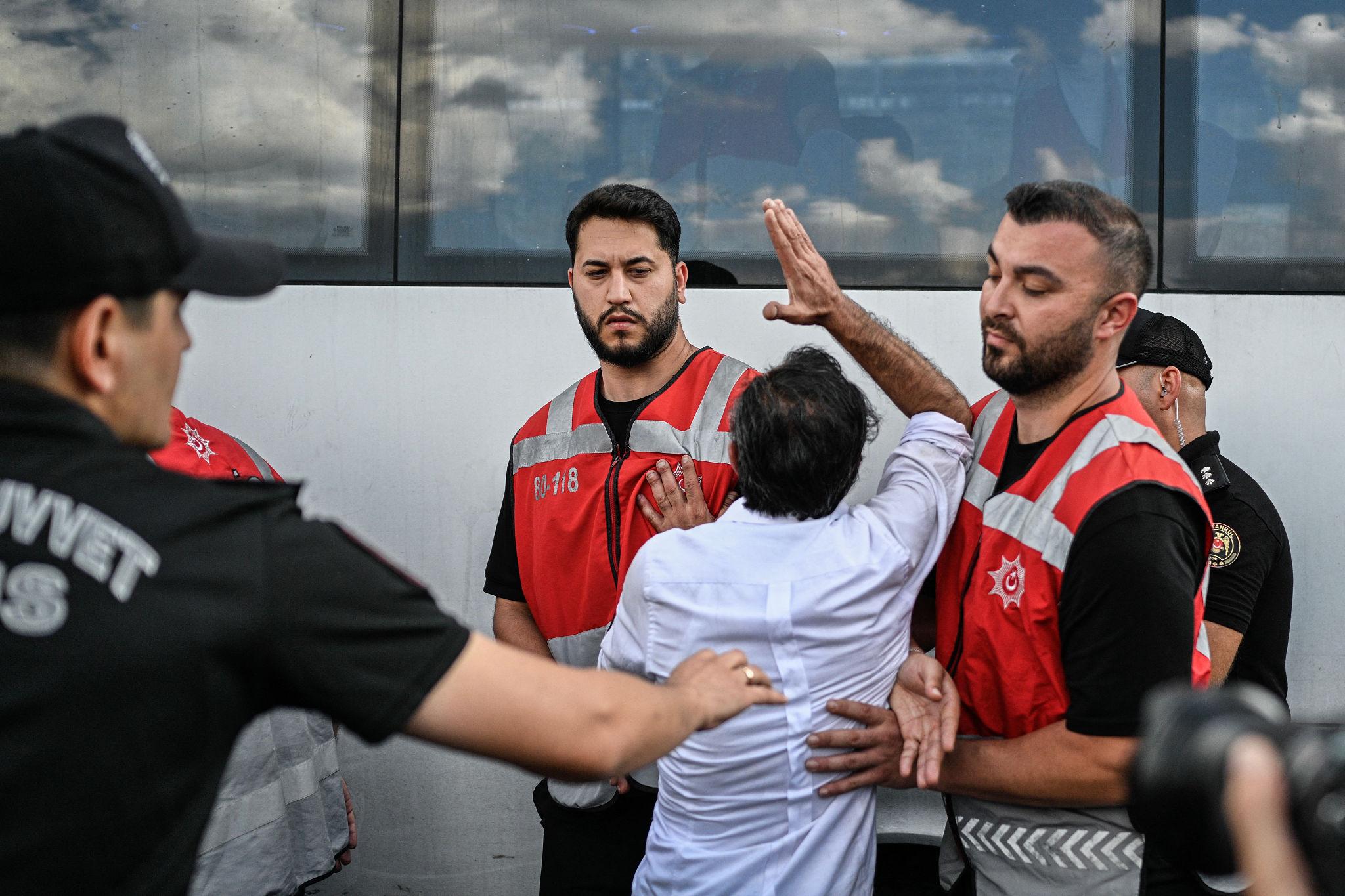
The Turkey opposition crisis intensified after authorities ordered police to remove ousted opposition leaders from headquarters.
The move has triggered growing political tension and renewed debate over democratic institutions in Turkey.
International observers are closely monitoring the developing political situation in Ankara.
ANKARA, Turkey (Parliament Politics Magazine) The growing Turkey opposition crisis escalated sharply after authorities reportedly ordered police to evict ousted opposition leadership members from party headquarters, intensifying political tensions across the country.
The move has drawn strong reactions from political observers, opposition supporters, and international analysts concerned about the stability of Turkey’s political environment. Security forces reportedly surrounded the headquarters area as disputes over party leadership and legal authority continued unfolding.
The latest developments come during an already tense political climate in Turkey, where debates over democratic institutions, judicial independence, and political freedoms continue attracting international attention.
Turkey Opposition Crisis
| Category | Latest Development |
|---|---|
| Main Issue | Opposition leadership dispute |
| Government Action | Police eviction order |
| Location | Ankara, Turkey |
| Political Concern | Democratic stability |
| Security Situation | Police presence near headquarters |
| International Focus | Political rights and governance |
| Public Reaction | Rising political tension |
| Current Status | Ongoing leadership conflict |
Political Tensions Intensify in Ankara
The latest phase of the Turkey opposition crisis unfolded after reports indicated authorities instructed police to remove former opposition leadership figures from party offices amid ongoing disputes regarding control and legitimacy.
Supporters gathered near the headquarters as tensions increased between rival factions connected to the opposition movement.
Political analysts say the situation could further deepen divisions within Turkey’s political landscape at a time when economic pressure and governance concerns already remain central public issues.
The confrontation also risks increasing broader political instability if tensions continue escalating in major urban centers.
Opposition Supporters Condemn the Move
Several opposition figures criticized the police eviction order tied to the Turkey opposition crisis, arguing that political disputes should be resolved through internal democratic processes rather than law enforcement intervention.
Critics warned that the incident may intensify public distrust surrounding political institutions and increase polarization throughout the country.
The leadership conflict reportedly involves disputes regarding party direction, internal authority, and legal control of organizational structures.
“Political legitimacy depends heavily on public trust in democratic procedures,”
one regional political analyst said.
The situation remains highly sensitive as rival political groups continue exchanging accusations regarding authority and governance.
International Observers Monitoring Closely
The growing Turkey opposition crisis has attracted international attention because Turkey remains a strategically important NATO member and regional political power.
European governments and international organizations continue monitoring political developments involving opposition rights, judicial processes, and democratic governance standards.
Turkey has frequently faced international scrutiny regarding political freedoms and institutional independence over recent years.
Analysts say the latest developments could influence diplomatic discussions between Ankara and Western allies.
Police Presence Raises Security Concerns
Reports surrounding the Turkey opposition crisis indicated that police units were deployed near the opposition headquarters as authorities attempted to enforce the eviction order.
Security measures reportedly increased throughout parts of Ankara while officials monitored the possibility of protests or demonstrations linked to the political dispute.
Large political confrontations in Turkey have historically generated concerns regarding public order, crowd control, and political unrest.
Authorities have not publicly indicated whether additional security measures may follow in response to the situation.
Political Stability Remains a Key Economic Issue
The latest Turkey opposition crisis developments also arrive during a period of economic pressure and inflation concerns affecting Turkey’s broader political environment.
Political stability remains important for investor confidence, currency stability, and international economic relations.
Financial markets frequently react cautiously to signs of domestic political instability, particularly in strategically important regional economies.
Analysts believe continued political uncertainty could place additional pressure on already sensitive economic conditions.
Historical Political Tensions Continue
Turkey has experienced multiple periods of political tension involving opposition movements, institutional disputes, and leadership conflicts over recent decades.
| Period | Major Political Issue | National Impact |
|---|---|---|
| 1990s | Coalition instability | Economic uncertainty |
| 2000s | Institutional restructuring | Political transformation |
| 2010s | Protest movements and security concerns | Increased polarization |
| 2020s | Governance and opposition disputes | International scrutiny |
The current Turkey opposition crisis reflects continuing political divisions shaping Turkey’s domestic environment.
Social Media Amplifies Political Reactions
The Turkey opposition crisis quickly spread across social media platforms as videos, statements, and political reactions circulated online.
Platforms including X and Facebook saw increasing discussion surrounding police actions, political legitimacy, and democratic governance concerns.
Digital platforms continue playing a major role in how political developments are communicated and debated throughout Turkey.
The rapid spread of political footage and commentary also increases pressure on news organizations to provide verified updates quickly.
Global Attention Focuses on Democratic Institutions
International analysts say the Turkey opposition crisis may further intensify global debate regarding democratic institutions, political freedoms, and governance standards in the region.
Turkey’s strategic importance within Europe, NATO, and the Middle East means domestic political developments often attract broader geopolitical interest.
The situation is therefore being monitored closely not only within Turkey but also across international diplomatic and policy circles.
Turkey Opposition Crisis Raises Fresh Political Questions
The latest Turkey opposition crisis developments involving the reported police eviction order have intensified political tensions and renewed international focus on democratic governance in Turkey. As rival political factions continue disputing authority and legitimacy, the situation remains highly sensitive for both domestic stability and Turkey’s broader international relationships during 2026.