

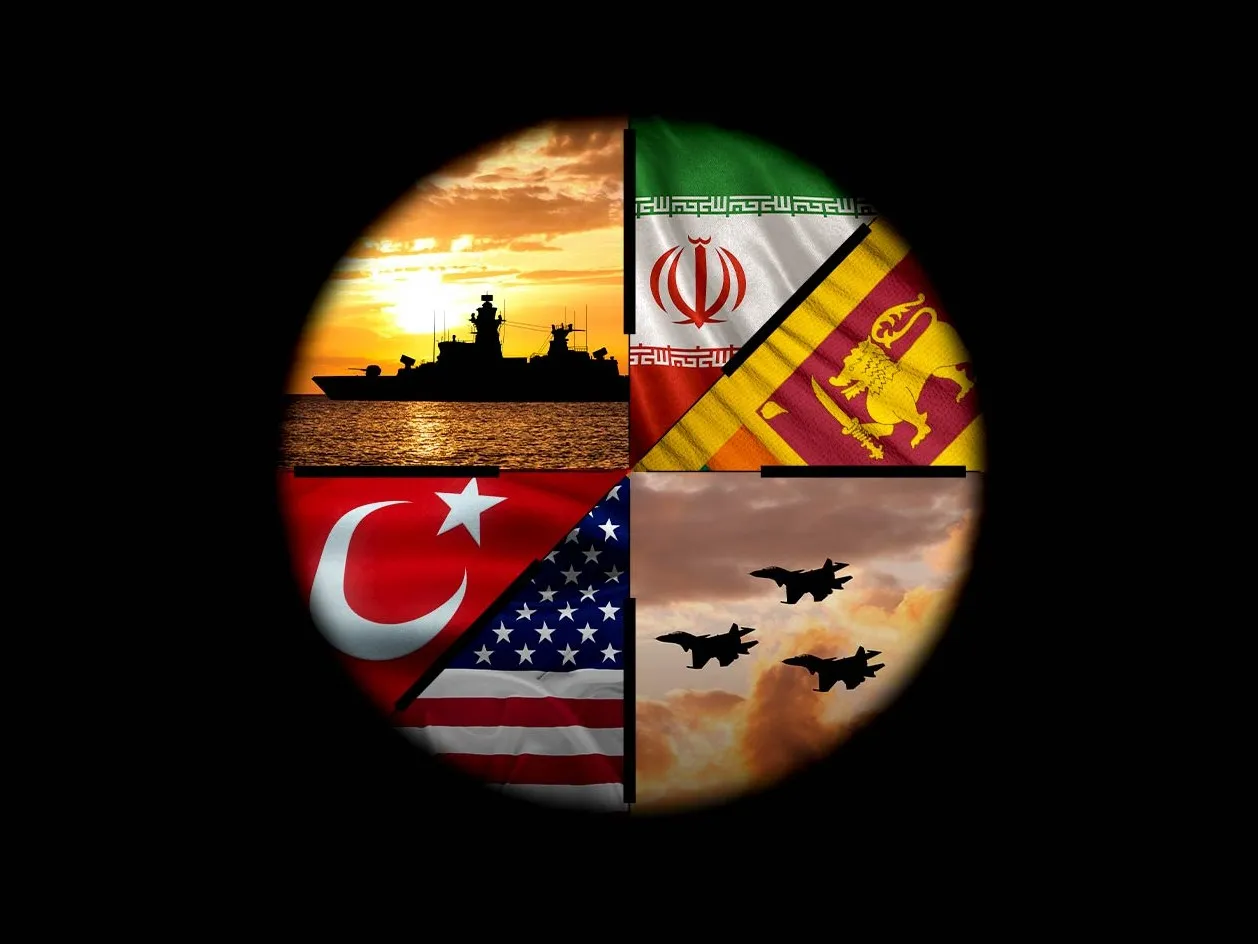
Ankara, Turkey, March 22, 2026 (Parliament Politics Magazine), Turkish minister mediation efforts have intensified as regional tensions escalate, with Ankara launching a coordinated diplomatic push involving Iran, Egypt, the United States, and the European Union in an urgent attempt to prevent a broader Middle East conflict.
The move comes amid growing fears that ongoing hostilities could spiral into a multi-front confrontation, threatening global stability, energy markets, and regional security. Turkey, positioned strategically between East and West, is leveraging its diplomatic channels to act as a bridge between conflicting parties.
Rising Urgency in Regional Diplomacy
Officials in Ankara confirmed that high-level discussions are underway with multiple governments, reflecting the seriousness of the situation. The outreach signals Turkey’s intent to play a central role in de-escalation efforts as tensions between major regional and global actors continue to rise.
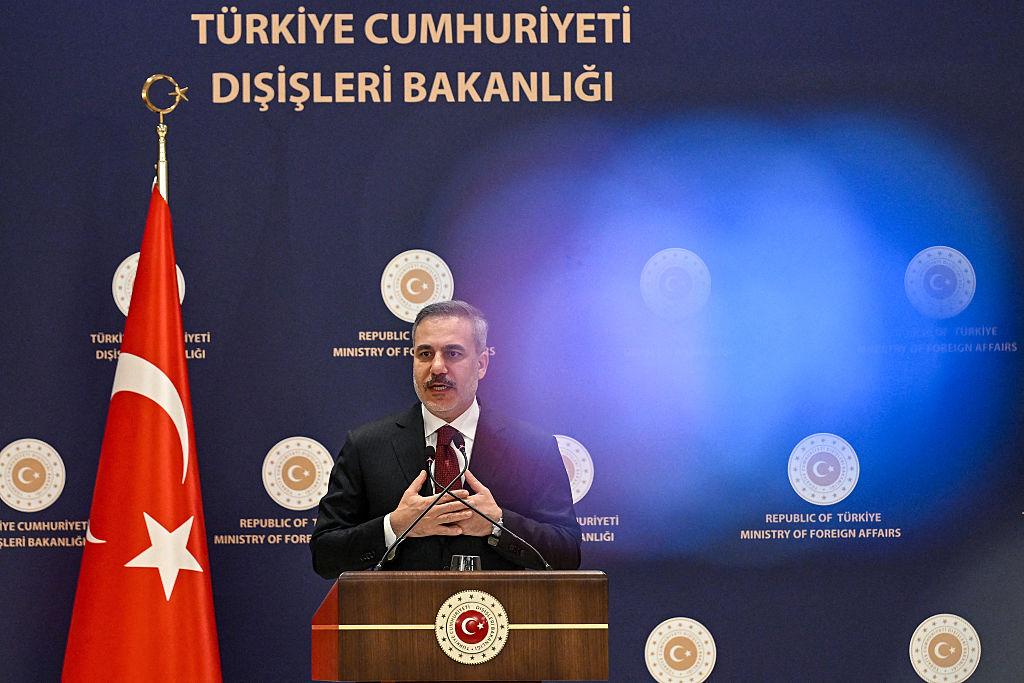
A senior Turkish official stated:
“We are committed to preventing further escalation. Dialogue remains the only viable path forward, and Turkey is prepared to engage all sides to restore stability.”
This renewed diplomatic engagement highlights Turkey’s long-standing ambition to position itself as a mediator in regional conflicts, particularly those involving complex geopolitical rivalries.
Multi-Channel Engagement Strategy
Turkey’s approach is notable for its simultaneous engagement with multiple stakeholders. Diplomatic sources indicate that Turkish representatives are holding parallel discussions with:
- Iranian officials to reduce direct confrontation risks
- Egyptian leadership to coordinate regional stability measures
- United States policymakers to address military and strategic concerns
- European Union leaders to align diplomatic and economic responses
This multi-channel strategy reflects a broader recognition that the conflict cannot be resolved through bilateral talks alone.
Strategic Importance of Turkey’s Role
Turkey’s geographic location and political relationships place it in a unique position to facilitate dialogue. As a NATO member with active ties to both Western and Middle Eastern nations, Ankara is one of the few actors capable of communicating effectively across ideological divides.
Analysts suggest that Turkey’s involvement could help lower tensions by offering a neutral platform for negotiations. However, success will depend on whether all parties are willing to engage constructively.
Global Implications of Escalation
The potential expansion of conflict carries significant global consequences. Markets have already shown signs of volatility, particularly in energy sectors, as fears grow over disruptions to oil and gas supply routes.
A geopolitical analyst noted:
“If this conflict widens, the ripple effects will be felt worldwide. From energy prices to international trade, the stakes are extremely high.”
Turkey’s mediation efforts are therefore not only about regional stability but also about preventing broader economic fallout.
Diplomatic Challenges Ahead
Despite Turkey’s proactive approach, significant obstacles remain. Deep-rooted mistrust between key players, competing strategic interests, and ongoing military activities complicate the path to de-escalation.
Furthermore, each party involved has its own set of priorities:
- Iran seeks to maintain regional influence
- The United States focuses on security and strategic deterrence
- The European Union prioritizes economic stability and humanitarian concerns
- Egypt emphasizes regional balance and security
Balancing these interests will require careful negotiation and sustained diplomatic pressure.
Human Impact Driving Urgency
Beyond political and economic considerations, the human cost of continued conflict is becoming increasingly apparent. Civilian populations across affected regions face growing uncertainty, displacement, and hardship.
Humanitarian organizations have warned that prolonged instability could lead to a worsening crisis, further underscoring the need for immediate diplomatic intervention.
Turkey’s leadership has emphasized that preventing further suffering is a key motivation behind its mediation efforts.
Historical Context of Turkish Mediation
Turkey has previously attempted to mediate conflicts in the region, with varying degrees of success. Its diplomatic initiatives have often focused on facilitating dialogue rather than imposing solutions.
While past efforts have faced challenges, Ankara’s continued engagement demonstrates a commitment to maintaining its role as a regional stabilizer.
This latest initiative represents one of the most comprehensive diplomatic efforts by Turkey in recent years.
International Response
Initial reactions from global leaders have been cautiously optimistic. While some governments have expressed support for Turkey’s initiative, others remain skeptical about the prospects for meaningful progress.
A European diplomat commented:
“Turkey’s involvement is significant, but the situation remains highly complex. Success will depend on sustained cooperation from all sides.”
Meanwhile, U.S. officials have acknowledged Turkey’s outreach while emphasizing the importance of coordinated international action.
The Path Forward
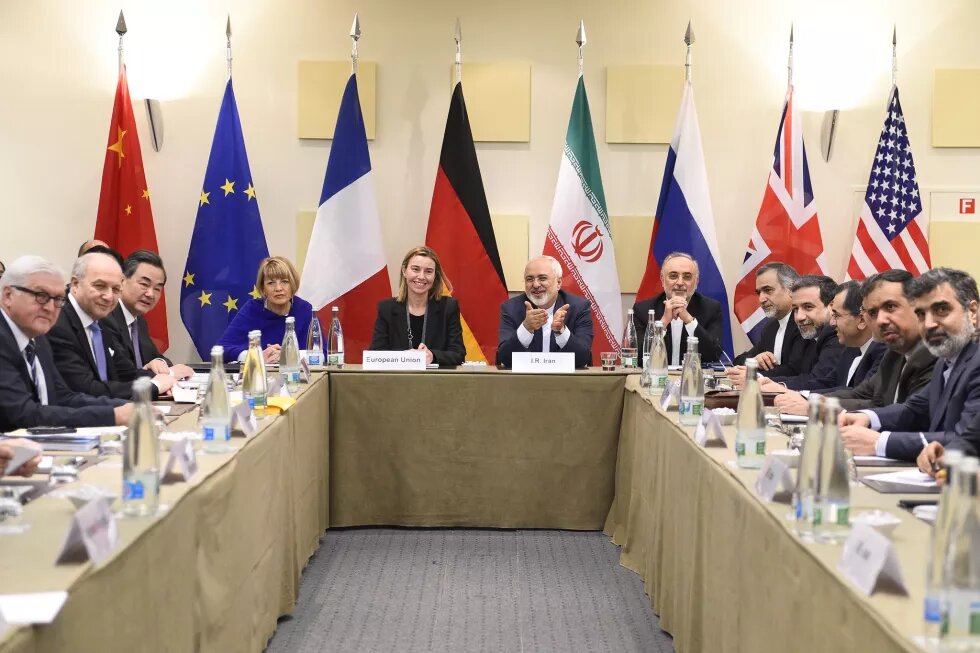
As diplomatic efforts continue, the coming days will be critical in determining whether Turkey’s mediation can yield tangible results. Key indicators will include:
- Willingness of parties to engage in direct dialogue
- Reduction in military activities
- Agreement on preliminary confidence-building measures
Turkey is expected to continue its engagement at multiple levels, including ministerial meetings and backchannel communications.
Turkey’s Role in Preventing War
Turkey has launched an intensive diplomatic effort to stop a broader regional conflict by coordinating talks with Iran, Egypt, the United States, and the European Union. The growing urgency of the crisis has placed Ankara at the center of global mediation efforts.
By maintaining dialogue across opposing sides, Turkey is attempting to reduce tensions before they escalate further. However, significant political and strategic challenges remain.
The outcome of these efforts could have far-reaching consequences for regional peace. It may also influence global markets, energy stability, and international security in the months ahead.