


Turkiye condemned a drone incident targeting Azerbaijan’s Nakhchivan region, raising concerns across the South Caucasus.
Officials warned the development could influence regional diplomacy and security cooperation.
Governments are monitoring the situation as discussions continue to prevent escalation.
Ankara Turkiye — March 5, 2026 — Parliament News — Regional attention has turned to the South Caucasus after reports of a drone incident in Azerbaijan’s autonomous region of Nakhchivan triggered renewed diplomatic discussion. The development has contributed to growing Turkiye Azerbaijan tensions as officials in Ankara strongly condemned the event and reaffirmed their support for Azerbaijan.
Turkish authorities described the situation as a matter of serious concern and emphasized that any threat to Azerbaijan’s territorial security would be addressed through diplomatic and strategic cooperation. The incident has also prompted conversations among regional governments regarding stability in an area that has long been shaped by political and historical complexities.
Although investigations into the incident are continuing, analysts say the event has quickly become a focal point for discussions about security and cooperation in the South Caucasus. The development illustrates how quickly Turkiye Azerbaijan tensions can draw international attention when security issues emerge near sensitive borders.
Strategic Importance of Nakhchivan
Nakhchivan is an autonomous republic that belongs to Azerbaijan but is geographically separated from the rest of the country by Armenian territory. The region borders Turkiye and Iran, giving it considerable geopolitical significance in the South Caucasus.
Because of this unique location, developments involving Turkiye Azerbaijan tensions often attract widespread interest from regional governments and international observers. Nakhchivan sits near important transportation routes and trade corridors that link Central Asia to Europe.
The region also carries symbolic importance in Azerbaijan’s national identity and strategic planning. For Turkiye, the territory represents an important point of connection with its close ally Azerbaijan.
Security incidents in this region are therefore often viewed through a broader geopolitical lens that extends beyond the immediate event.
Turkiye’s Diplomatic Response
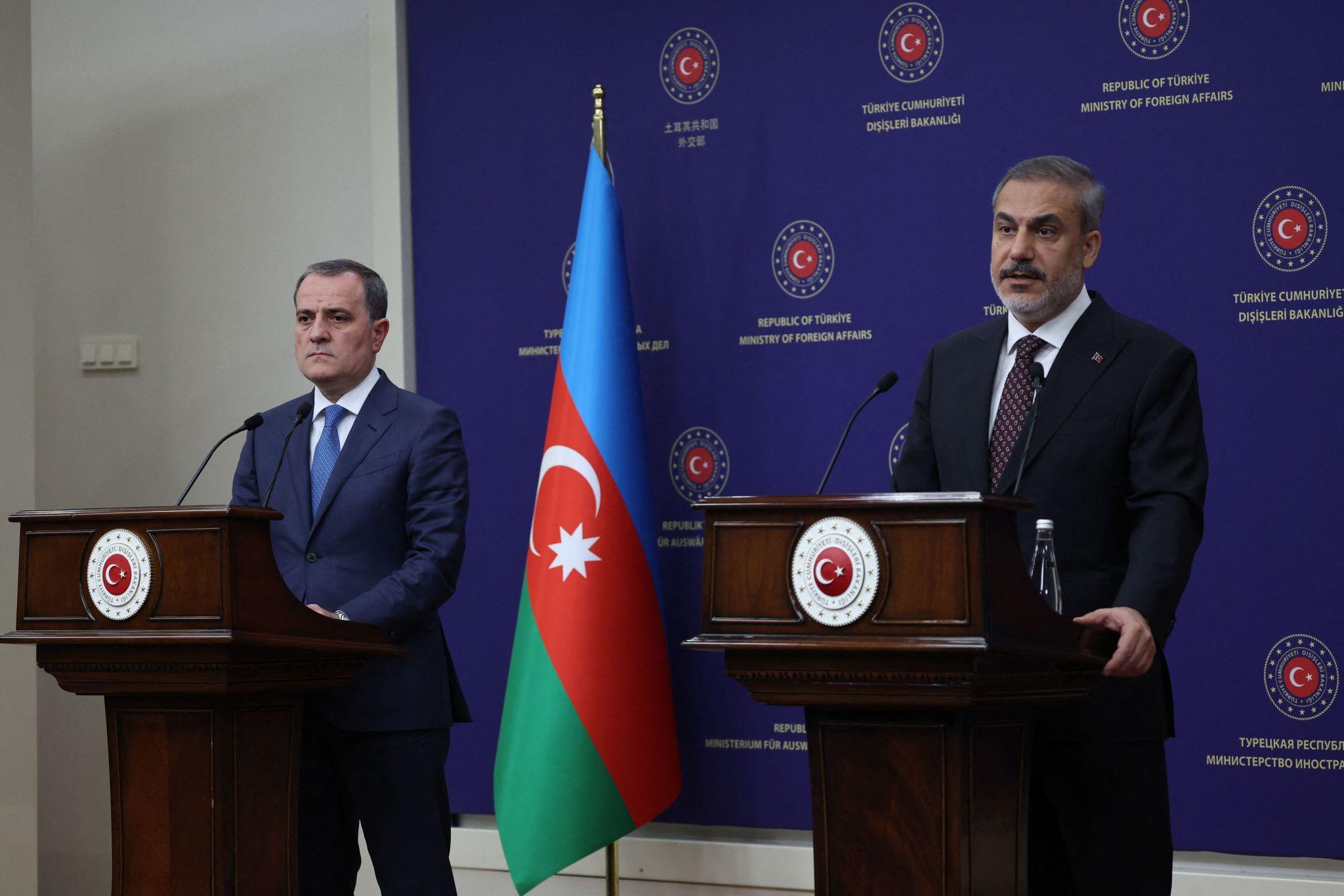
Following reports of the drone incident, Turkish officials issued statements expressing solidarity with Azerbaijan and condemning actions that threaten regional stability. Leaders in Ankara emphasized that cooperation between the two nations remains strong and that diplomatic coordination would continue as authorities investigate the situation.
The reaction reflects the deep historical and cultural ties between the two countries. Political leaders in both nations often describe their relationship as a partnership built on shared heritage and strategic cooperation.
For this reason, developments that influence Turkiye Azerbaijan tensions frequently receive strong diplomatic responses. Turkish officials also highlighted the importance of maintaining stability in the South Caucasus in order to protect economic development and regional connectivity.
Impact on Regional Security
The South Caucasus is a region where geopolitical interests intersect with historical disputes and modern economic ambitions. Security analysts say incidents such as the one reported in Nakhchivan illustrate how fragile the balance of stability can be.
When events occur that influence Turkiye Azerbaijan tensions, governments must carefully assess both military and diplomatic implications. The region has become increasingly important for international energy transportation, infrastructure development, and trade corridors linking Asia and Europe.
Because of these factors, regional stability is closely tied to economic growth. Any disruption has the potential to affect trade routes, investment projects, and diplomatic relationships.
Authorities therefore tend to approach incidents with caution, emphasizing investigation and dialogue before taking further action.
Historical Comparison With Earlier Regional Disputes
The current developments are often compared with earlier periods of instability in the South Caucasus. For decades, Azerbaijan and Armenia were involved in disputes over the Nagorno Karabakh region, a conflict that influenced alliances and diplomatic relations throughout the region.
During the late twentieth century and early twenty first century, multiple rounds of fighting and negotiations reshaped the geopolitical environment of the Caucasus. Although ceasefire agreements and diplomatic efforts have reduced large scale conflict, the historical legacy of those disputes continues to shape regional politics.
Analysts say the historical background helps explain why events linked to Turkiye Azerbaijan tensions receive significant attention. Even limited incidents can revive memories of earlier confrontations and raise concerns about broader regional implications.
A Security Expert’s Perspective
Regional analysts have emphasized the importance of careful diplomacy when incidents occur in sensitive geopolitical areas.
One security researcher noted,
“The key challenge in Turkiye Azerbaijan tensions is ensuring that isolated incidents do not escalate into larger political disputes that could affect the entire South Caucasus.”
The statement reflects a broader concern among international observers who believe that communication between governments is essential to maintaining stability.
International Diplomatic Reactions
The drone incident has prompted responses from several international observers who are monitoring the situation closely. Diplomatic representatives have encouraged transparency in investigating the event and urged restraint from all parties involved.
International organizations often emphasize dialogue and cooperation when security concerns arise in the region. The South Caucasus occupies a strategic position connecting Europe, the Middle East, and Central Asia, making stability there important for many global partners.
As discussions continue, analysts say diplomatic engagement will likely play a key role in shaping the next phase of Turkiye Azerbaijan tensions.
A Region Watching the Horizon
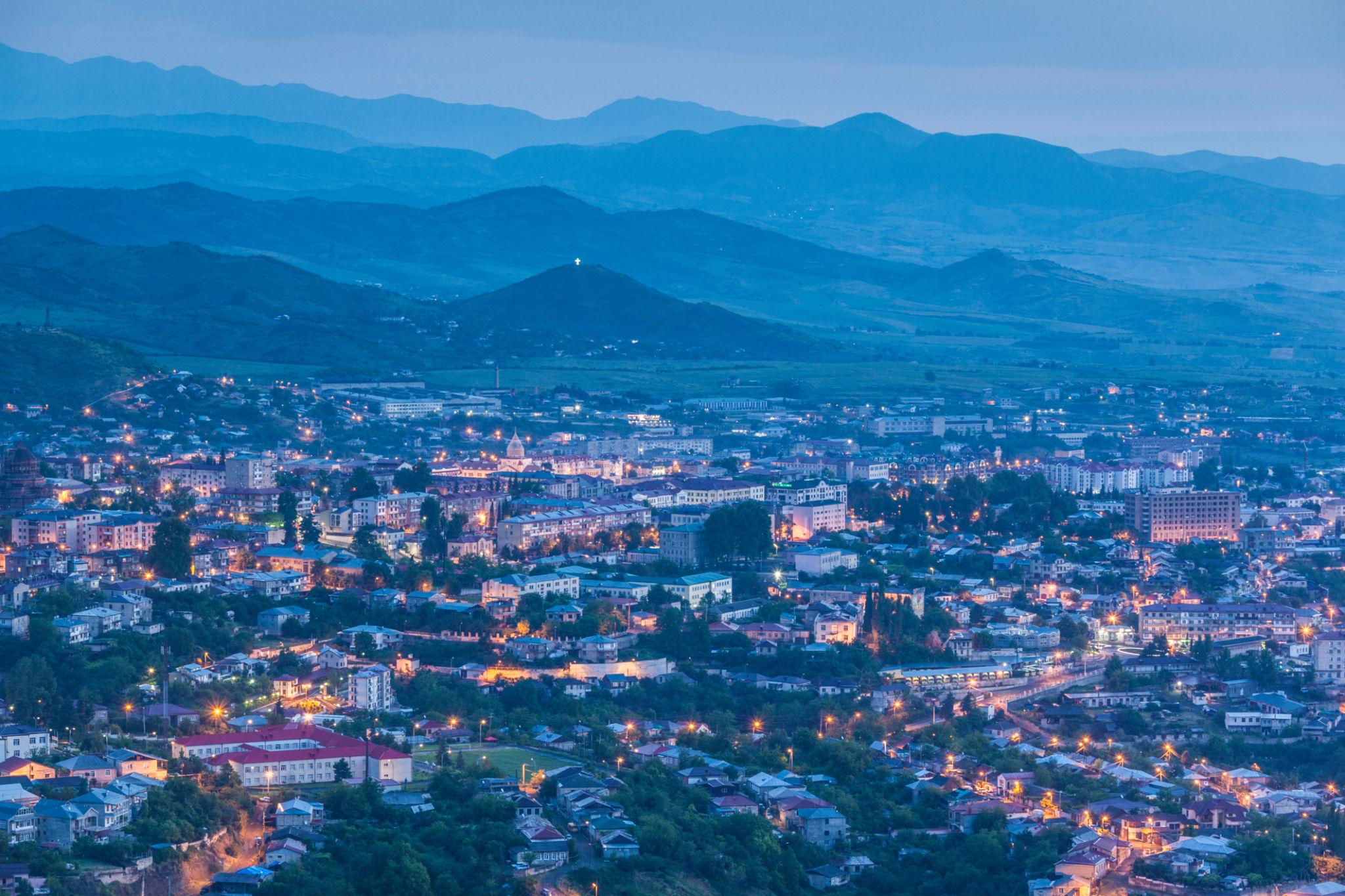
For residents of Nakhchivan and neighboring areas, the geopolitical discussions unfolding among governments often feel distant from daily life. Yet the consequences of political decisions can eventually influence local communities through economic changes, security measures, or diplomatic initiatives.
The mountainous landscape of the South Caucasus has long been a crossroads of cultures, trade routes, and political interests. Today it remains a place where geography and diplomacy intersect.
While the future of Turkiye Azerbaijan tensions remains uncertain, regional leaders appear focused on maintaining dialogue and preventing escalation.
For now, the quiet hills surrounding Nakhchivan stand as witnesses to a region that continues to navigate the complex intersection of history, strategy, and diplomacy.