

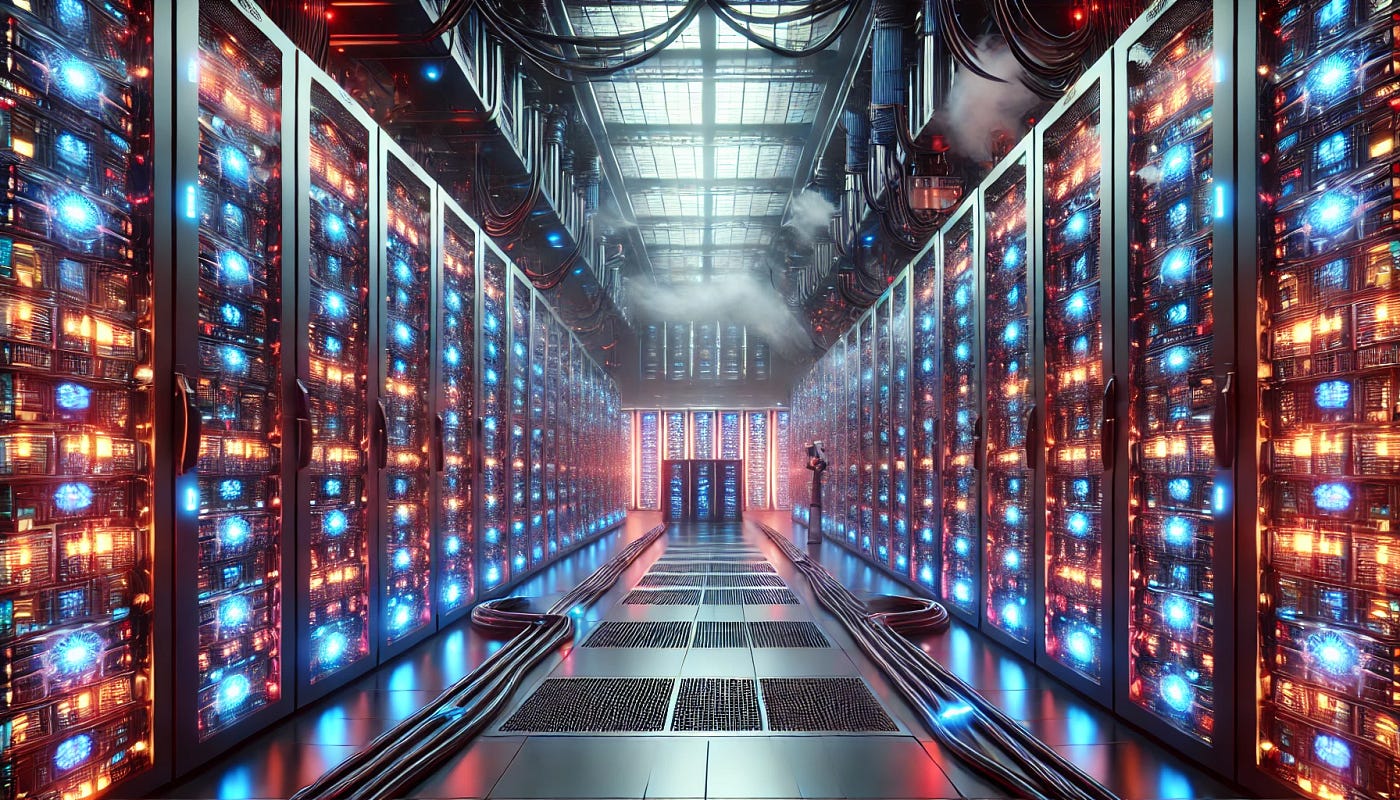
The U.S. defense AI network is expanding in Washington 2026 as federal agencies integrate advanced artificial intelligence into classified systems.
Officials say the modernization effort strengthens cybersecurity, intelligence analysis, and operational readiness within secure environments.
The initiative signals a broader shift toward AI driven infrastructure in national defense strategy.
Washington, February 28, 2026 — According to Parliament News, that The U.S. defense AI network is undergoing a strategic expansion as federal agencies deepen their integration of artificial intelligence into classified operational systems. Officials describe the initiative as a measured modernization effort designed to strengthen digital resilience, improve analytical speed, and support national security missions in an increasingly complex global environment.
The U.S. defense AI network represents more than a technological upgrade. It reflects a structural evolution in how intelligence, logistics, cybersecurity, and strategic planning are conducted inside secure facilities. As artificial intelligence tools mature, defense institutions are adapting carefully, ensuring that innovation remains aligned with governance and accountability standards.
At its core, the U.S. defense AI network is intended to enhance human decision making rather than replace it. Analysts and commanders continue to hold final authority, while AI systems assist by synthesizing data and identifying patterns at speeds previously unattainable.
Strategic Objectives Behind the Expansion
The modernization of digital infrastructure within defense institutions has accelerated over the past decade. Rapid technological shifts, cyber threats, and evolving geopolitical realities have underscored the importance of secure computing environments.
The U.S. defense AI network is designed to operate within classified domains, where data sensitivity and operational secrecy are paramount. Artificial intelligence applications can assist in intelligence review, predictive modeling, threat detection, and logistical optimization. Each of these functions benefits from rapid data processing and pattern recognition capabilities.
Defense planners emphasize that integrating AI tools into secure systems requires careful testing and validation. The U.S. defense AI network must function reliably under operational conditions while meeting rigorous compliance standards.
This expansion demonstrates a long term commitment to modernizing secure infrastructure without sacrificing oversight.
Classified Systems and Cybersecurity Safeguards
Deploying advanced AI systems within restricted environments is a complex undertaking. The U.S. defense AI network operates on isolated infrastructure protected by multiple layers of encryption and monitoring.
Security experts explain that AI integration must adhere to strict identity verification, access control, and data compartmentalization protocols. Classified networks are designed to prevent unauthorized access and minimize vulnerabilities.
The U.S. defense AI network incorporates secure hardware, restricted communication pathways, and continuous threat monitoring to maintain operational integrity. Cybersecurity remains a central priority, particularly as digital threats grow more sophisticated.
Officials confirm that AI deployments undergo controlled pilot phases before broader implementation. These staged rollouts help ensure reliability and minimize risk.
Operational Enhancements in Real Time Analysis
Artificial intelligence excels at processing vast datasets rapidly. Within secure facilities, the U.S. defense AI network enhances analytical workflows by summarizing intelligence briefings, detecting anomalies in cybersecurity logs, and modeling logistical scenarios.
This capability enables analysts to focus on interpretation rather than manual data sorting. Decision makers receive insights faster, which can be critical in time sensitive situations.
Beyond intelligence functions, the U.S. defense AI network supports planning exercises and scenario simulations. Predictive modeling tools allow strategists to evaluate potential outcomes before actions are taken.
Human oversight remains central. AI provides assistance, but experienced professionals guide final judgments.
Public Private Collaboration and Innovation
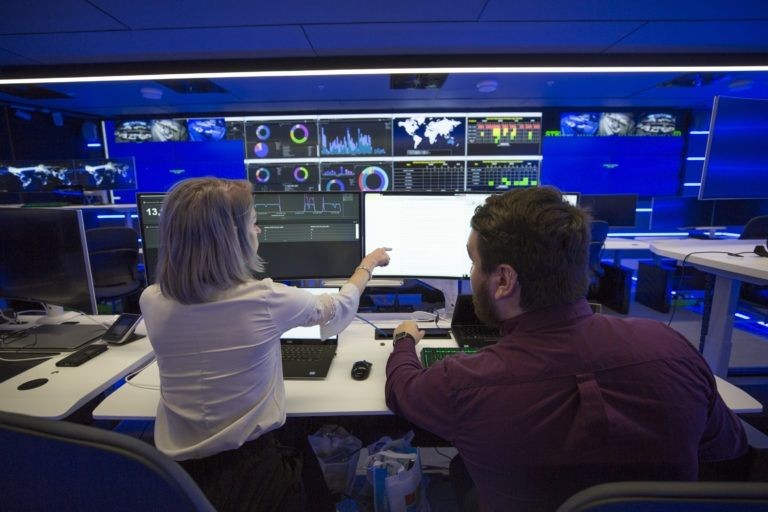
The development of secure artificial intelligence infrastructure often involves collaboration between federal agencies and technology firms. This partnership approach allows access to advanced research while maintaining strict regulatory oversight.
Through structured agreements, the U.S. defense AI network benefits from commercial innovation in machine learning while operating under federal security frameworks.
Such cooperation is not new. Historically, collaboration between government institutions and private industry has accelerated advancements in aerospace, computing, and cybersecurity.
Today, artificial intelligence represents the next frontier in that tradition.
Governance, Ethics, and Accountability
Modernizing classified digital systems requires strong governance. Policymakers stress that the U.S. defense AI network operates within established legal boundaries and ethical guidelines.
Oversight committees review integration plans and audit processes. Testing protocols aim to identify potential biases or system limitations before operational deployment.
Transparency within classified parameters is balanced carefully. While operational specifics remain confidential, officials emphasize adherence to constitutional principles.
A senior defense advisor stated,
“The U.S. defense AI network must reflect not only technical excellence but also the values and accountability standards that define our democratic institutions.”
This perspective highlights the importance of maintaining public trust while advancing innovation.
Workforce Development and Institutional Readiness
Artificial intelligence integration extends beyond technology. It influences workforce training and organizational culture.
The U.S. defense AI network requires personnel skilled in machine learning, cybersecurity, and systems engineering. Educational partnerships and research grants support talent development.
Training programs ensure analysts understand both the capabilities and limitations of AI tools. Institutional readiness depends on informed users who can interpret outputs responsibly.
By investing in education and workforce preparation, defense agencies aim to sustain innovation over the long term.
Global Context and Strategic Competition
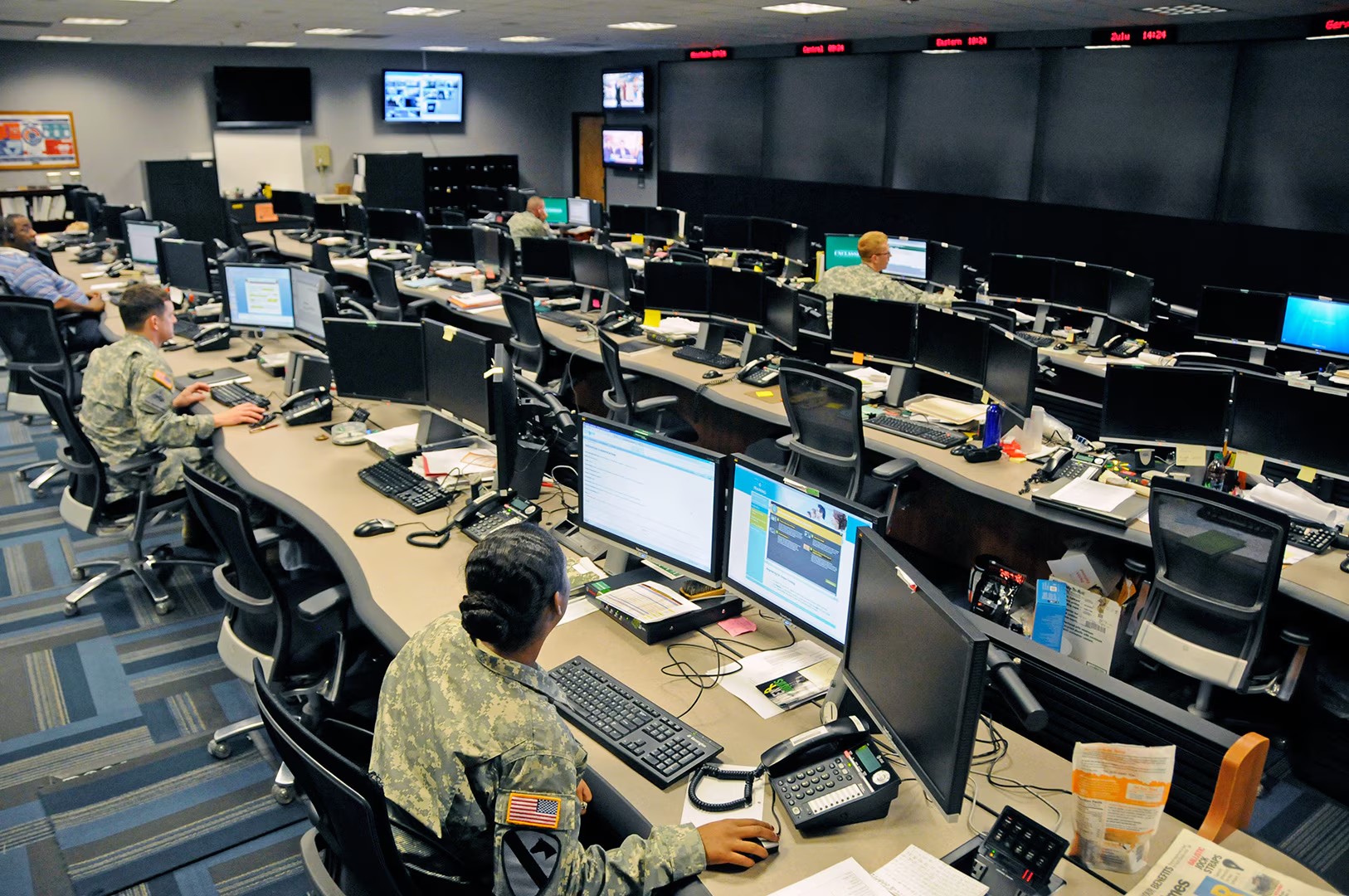
Artificial intelligence has become a central element of international strategic competition. Nations across the globe are investing in advanced computing infrastructure to secure technological advantage.
The U.S. defense AI network signals Washington’s commitment to remaining at the forefront of secure AI integration. Analysts view such initiatives as essential for maintaining strategic stability in an era defined by rapid technological advancement.
Global supply chains, semiconductor production, and cybersecurity capabilities all intersect with artificial intelligence deployment. These interconnections shape diplomatic and economic considerations.
Maintaining resilience requires continuous adaptation.
Historic Comparison The Digital Defense Evolution
The present transformation invites comparison to earlier moments in defense modernization. During the Cold War, advancements in satellite surveillance and secure communications reshaped intelligence capabilities. Later, the rise of the internet introduced new cybersecurity challenges and digital command systems.
Today, the U.S. defense AI network represents another pivotal stage in this evolution. Just as secure communications once redefined coordination, artificial intelligence is redefining analysis and operational planning.
Unlike previous eras, however, AI integration occurs in a landscape where digital interconnectivity is constant and cyber threats evolve rapidly. The scale and speed of change distinguish this moment from past technological transitions.
This historic comparison underscores the magnitude of the current shift.
Economic Ripple Effects
Defense modernization initiatives often influence broader economic sectors. The U.S. defense AI network stimulates demand for advanced hardware manufacturing, encrypted systems, and secure facility construction.
Technology companies supporting secure infrastructure benefit from sustained investment. Research institutions expand programs focused on artificial intelligence and cybersecurity.
Regional economies hosting secure facilities may experience growth linked to skilled employment opportunities.
The ripple effects extend well beyond classified networks.
Risks and Resilience
While modernization brings opportunity, it also introduces complexity. Integrating artificial intelligence into secure systems requires careful coordination across agencies and technical teams.
The U.S. defense AI network must adapt to evolving cyber threats and maintain operational continuity during updates. Contingency planning remains a core component of resilience strategies.
Defense leaders emphasize incremental implementation rather than abrupt transformation. Controlled progress allows institutions to address challenges proactively.
Sustained vigilance ensures stability as systems evolve.

Future Outlook Toward 2030
Looking ahead, the trajectory suggests gradual refinement rather than dramatic upheaval. Advances in semiconductor performance, encryption technologies, and cloud architecture will shape future enhancements.
The U.S. defense AI network is expected to incorporate improved edge computing capabilities, enabling faster localized data analysis. Continuous evaluation processes will guide upgrades and ensure reliability.
By 2030, artificial intelligence may be deeply embedded within secure defense ecosystems, functioning as a routine analytical partner.
However, human oversight will remain indispensable.
Beyond Automation A Framework for Strategic Judgment
The modernization unfolding in Washington reflects more than a technological milestone. The U.S. defense AI network represents a broader architectural transformation in how secure institutions interpret information and plan strategically.
Artificial intelligence is increasingly woven into operational workflows, not as an autonomous authority but as a supportive analytical engine. This integration amplifies human expertise while preserving accountability.
In 2026, the expansion of the U.S. defense AI network stands as a measured and deliberate effort to strengthen national security through responsible innovation. The infrastructure being built today will influence strategic decision making for years to come.
As digital complexity grows, the fusion of secure engineering, ethical governance, and human judgment will define the effectiveness of advanced defense systems.
The story of this expansion is ultimately about balance — balancing speed with caution, innovation with oversight, and automation with human insight. In that balance lies the future of secure artificial intelligence in national defense.