

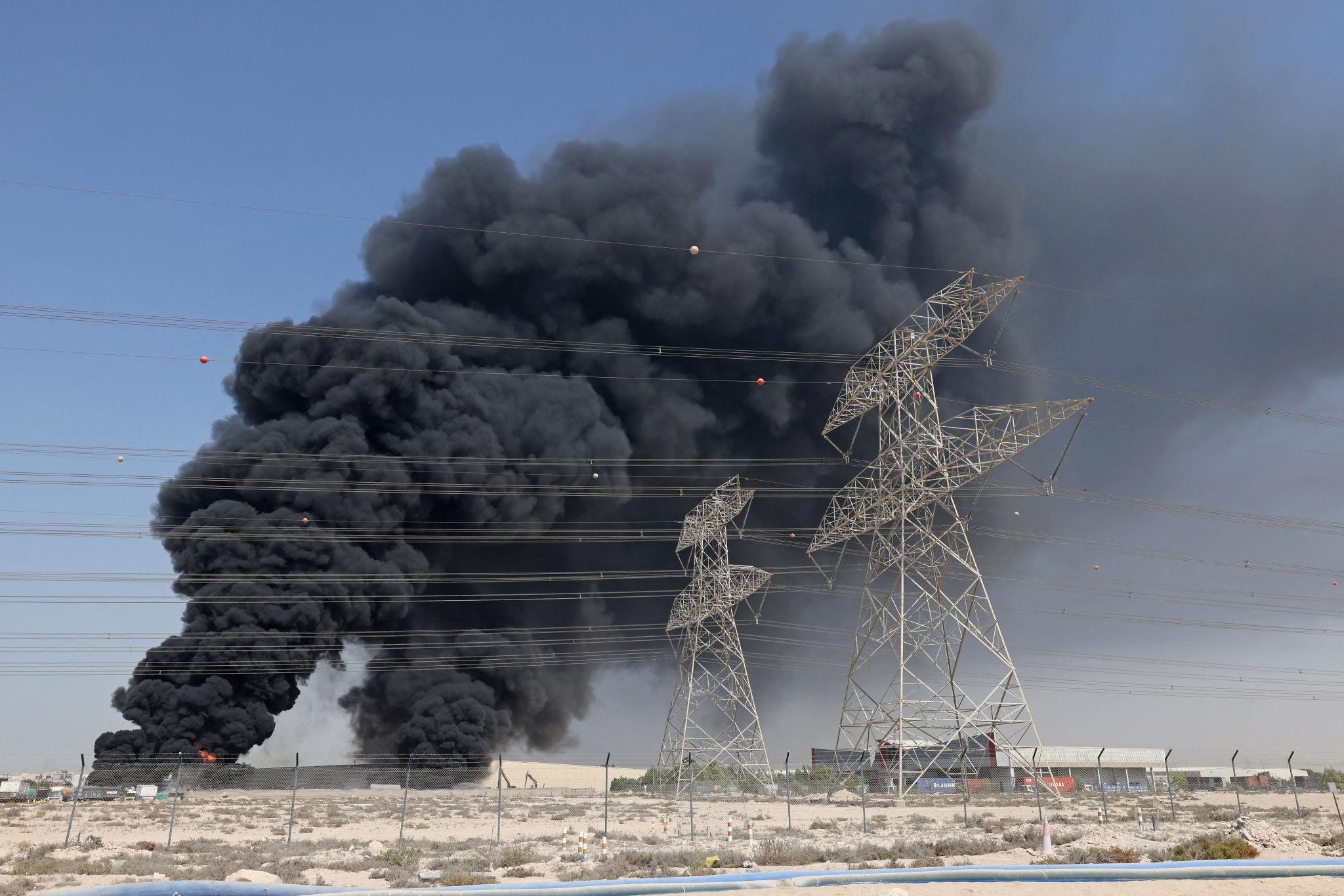
ABU DHABI, United Arab Emirates — March 16, 2026 — Parliament Politics Magazine style coverage highlights Authorities confirmed a serious UAE energy infrastructure attack after drones struck a gas facility near Abu Dhabi, triggering a fire and forcing the suspension of operations while emergency crews contained the flames.
Officials said the UAE energy infrastructure attack occurred during early operational hours when several drones targeted equipment within the industrial complex. Safety systems immediately activated, shutting down production lines and preventing the fire from spreading to nearby storage areas.
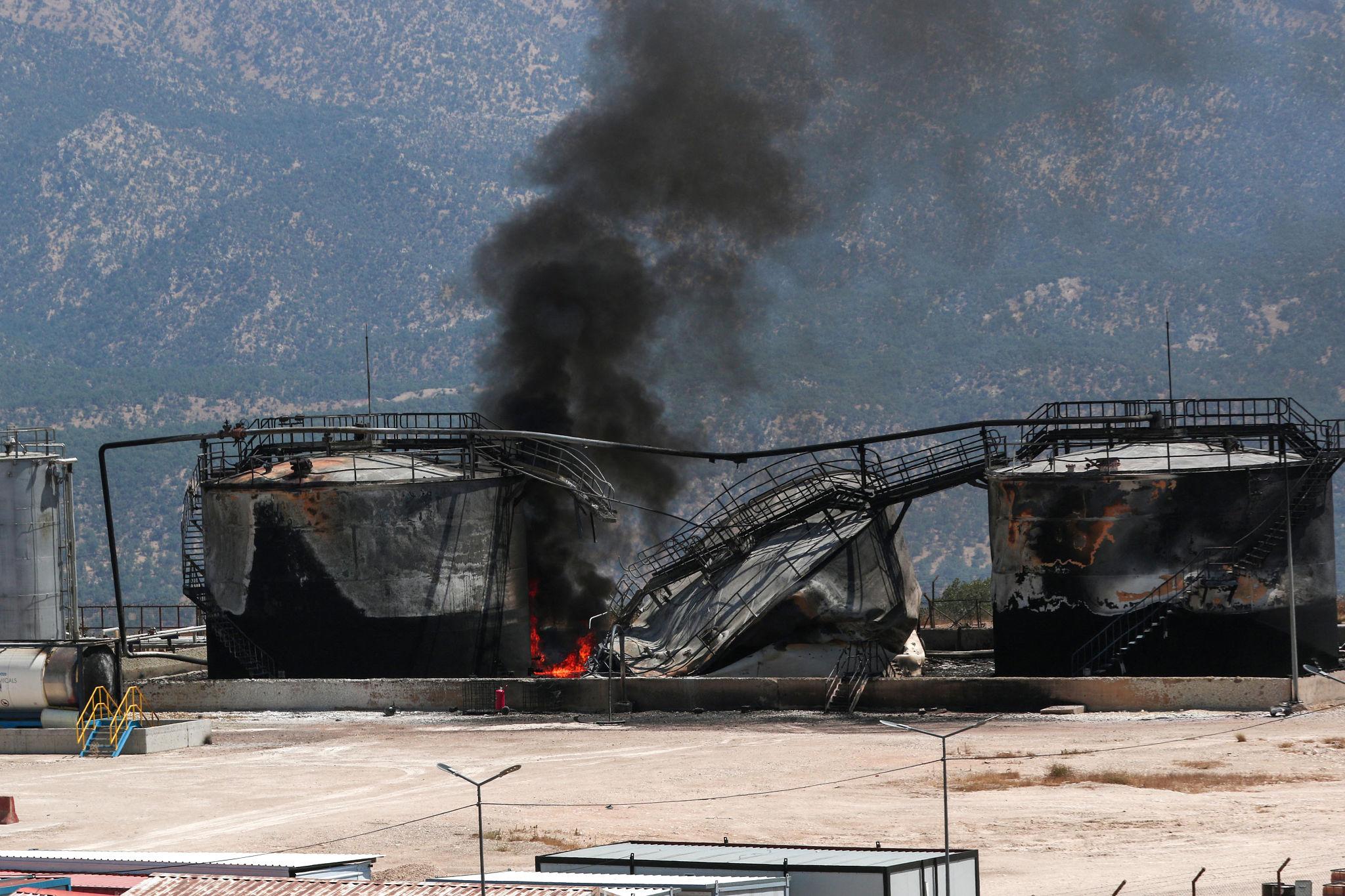
Emergency responders moved quickly to control the blaze. Within hours, fire suppression teams were able to isolate the affected section of the facility while engineers began evaluating structural damage caused by the UAE energy infrastructure attack.
Although the fire was brought under control, authorities confirmed that production at the facility would remain suspended until safety inspections are completed.
Operations Suspended While Safety Checks Continue
Energy officials said the UAE energy infrastructure attack caused localized damage but did not destroy major sections of the plant. Even so, precautionary shutdowns were necessary to ensure that pipelines, compressors, and gas processing units remain safe before operations resume.
Temporary shutdowns are common after industrial incidents involving energy infrastructure. Engineers must conduct extensive inspections before restarting production systems.
Authorities emphasized that worker safety remains the top priority. The facility’s emergency systems successfully contained the effects of the UAE energy infrastructure attack, preventing injuries and limiting damage to surrounding infrastructure.
Security teams have also expanded monitoring around nearby installations to prevent additional threats.
Energy Markets React to Regional Security Risks
Incidents involving major energy facilities often attract global attention because of their potential impact on international supply chains. The UAE energy infrastructure attack immediately triggered market monitoring among energy traders and analysts.
The UAE is one of the region’s most reliable energy producers, supplying natural gas and oil to multiple global markets. Any disruption connected to a UAE energy infrastructure attack could influence supply expectations and energy prices.
While officials said the outage is likely temporary, the incident highlights how geopolitical tensions can quickly intersect with global energy stability.
Analysts say that rapid containment of the fire helped limit potential economic consequences.
Drone Warfare and Critical Infrastructure
Security experts say the UAE energy infrastructure attack illustrates a growing challenge facing industrial facilities worldwide. Drone technology has become more accessible and increasingly capable of reaching strategic locations.
Energy infrastructure is often considered a high value target because even minor disruptions can create major economic effects. As a result, governments across the Middle East have invested heavily in air defense systems designed to intercept drones.
The UAE energy infrastructure attack has renewed calls for expanding defensive technology around critical industrial installations. Surveillance systems, radar detection equipment, and drone interception capabilities are becoming standard tools for protecting sensitive sites.
Experts say protecting energy infrastructure will remain a key priority as drone technology continues to evolve.
Historical Comparison of Energy Infrastructure Attacks
The UAE energy infrastructure attack follows a pattern seen in previous geopolitical conflicts where energy facilities become strategic targets. Throughout modern history, pipelines, refineries, and gas plants have frequently been targeted during regional disputes.
In earlier incidents across the Middle East, attacks on energy facilities temporarily disrupted production and forced governments to strengthen protective measures. These events demonstrated how vulnerable industrial infrastructure can be during periods of heightened political tension.
The recent UAE energy infrastructure attack reflects similar risks facing modern energy networks. As energy demand continues growing globally, protecting production facilities has become an increasingly important priority for governments and industry leaders.
Officials Respond to the Incident
Authorities confirmed that an investigation into the UAE energy infrastructure attack is underway. Security teams are analyzing debris from the drones and reviewing surveillance footage to determine how the devices approached the facility.
Government officials emphasized that national security agencies are working closely with energy operators to strengthen protective measures around key infrastructure.
One senior official addressed the incident during a press briefing.
“We are committed to protecting our energy facilities and ensuring operations resume safely and securely,”
the official said.
The statement reflects the government’s determination to restore confidence in the country’s energy sector after the UAE energy infrastructure attack.
Rising Importance of Energy Security
The incident highlights broader concerns about protecting global energy networks. Strategic infrastructure such as gas processing plants and oil refineries play an essential role in maintaining international economic stability.
The UAE energy infrastructure attack demonstrates how emerging technologies can introduce new risks to critical industrial systems. Governments and energy companies are now investing heavily in advanced monitoring technologies and defensive systems.
Security experts say future protection strategies will likely include stronger drone detection networks and improved coordination between governments and private energy companies.
Key Takeaways From the Abu Dhabi Incident
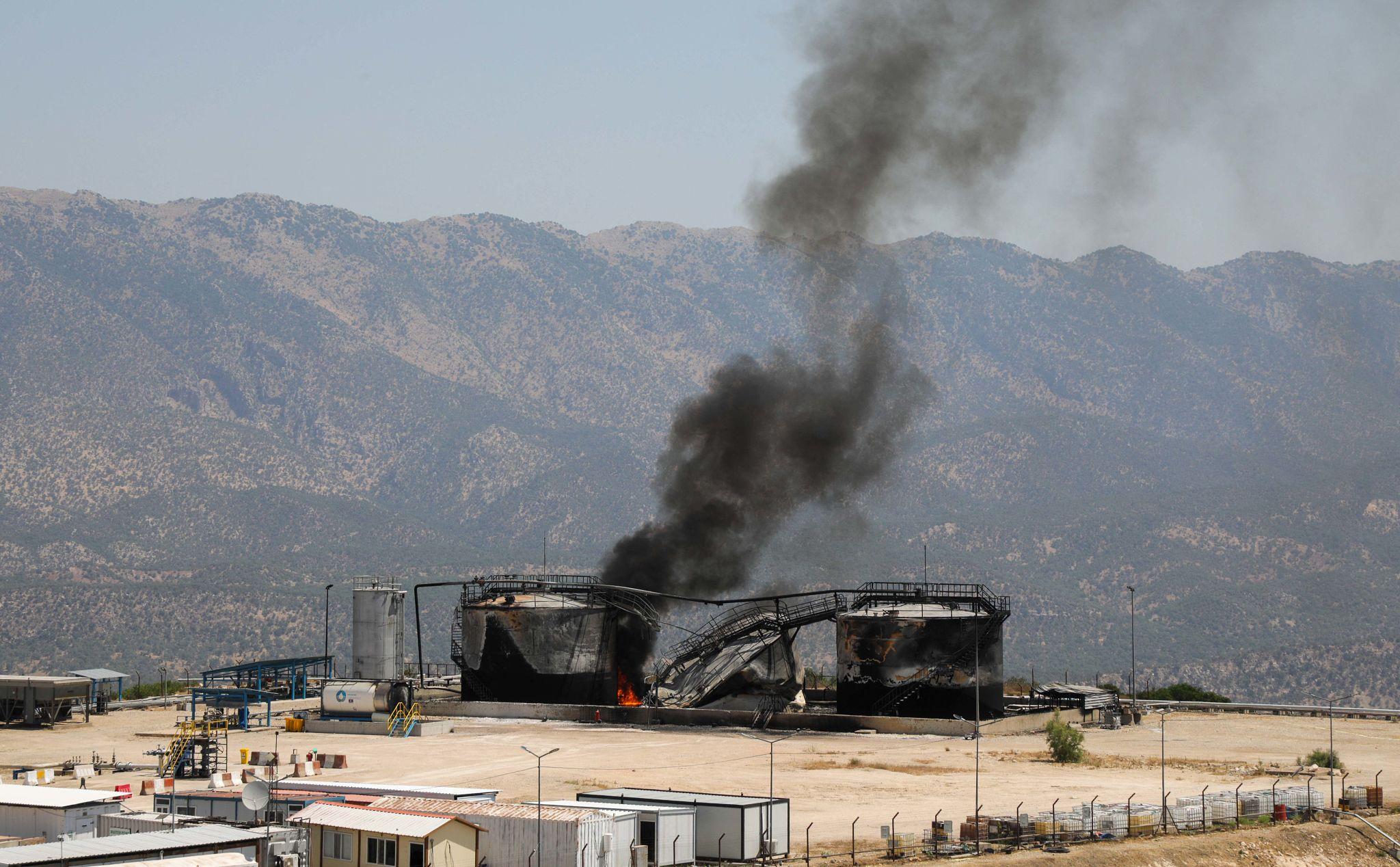
The UAE energy infrastructure attack in Abu Dhabi triggered a fire at a natural gas facility after drones targeted key operational equipment. Emergency teams contained the blaze quickly, preventing widespread damage and avoiding injuries.
Operations remain temporarily suspended while engineers conduct safety inspections. The incident has raised global attention because of the UAE’s important role in energy markets and the growing threat of drone based attacks on industrial infrastructure.
Historical events show that energy facilities often become targets during geopolitical tension, reinforcing the need for stronger protective measures. Investigations are continuing as authorities work to identify the origin of the drones and strengthen security around critical installations.