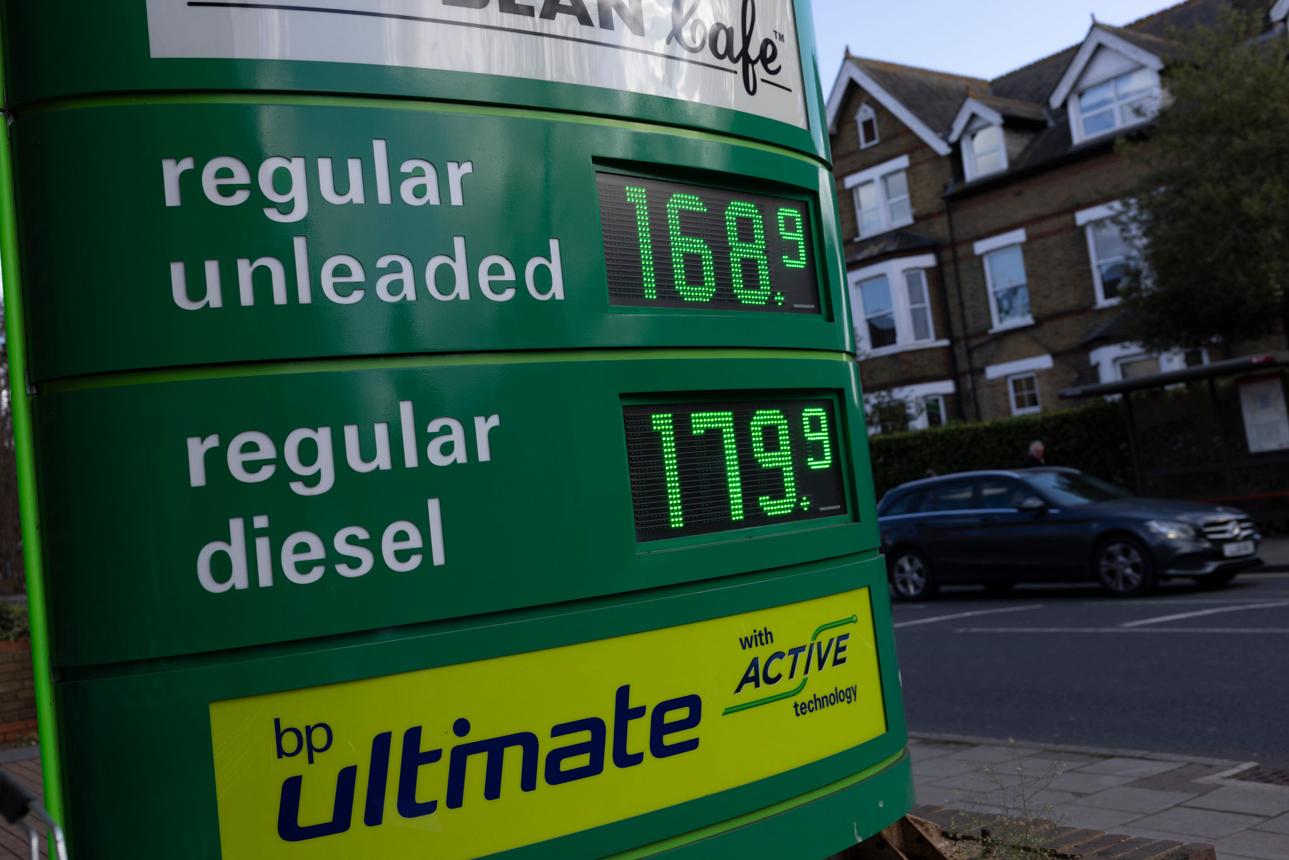
LONDON, United Kingdom (Parliament Politics Magazine) The UK inflation crisis continues affecting households across Britain as living costs remain elevated in 2026.
Rising fuel, housing, and food expenses are reshaping consumer spending and economic confidence.
Economists warn that inflation pressure may continue influencing UK markets throughout the year.
The UK inflation crisis continues dominating economic discussions across Britain as millions of households face mounting financial pressure from rising food costs, fuel prices, rent increases, and higher utility bills. While inflation rates have moderated from historic peaks seen in previous years, many British consumers say daily living expenses remain significantly elevated compared to pre-crisis levels.
Across London and other major UK cities, residents are increasingly adjusting spending habits as economic uncertainty reshapes consumer confidence. Retailers, restaurants, transportation companies, and small businesses are also adapting to changing consumer behavior linked to the broader inflation environment.
Financial analysts warn that inflation remains one of the largest economic concerns facing Britain in 2026 because rising operational expenses continue affecting both households and businesses.
“Inflation may have slowed compared to previous peaks, but the cost burden on ordinary households is still extremely real,”
one London-based economist said.
UK Economic Pressure Indicators 2026
| Economic Indicator | Current Trend | Consumer Impact |
|---|---|---|
| Fuel Prices | Elevated | Higher commuting costs |
| Grocery Expenses | Rising | Increased household spending |
| Housing Costs | High | Rental affordability concerns |
| Utility Bills | Volatile | Budget pressure on families |
| Consumer Confidence | Fragile | Reduced discretionary spending |
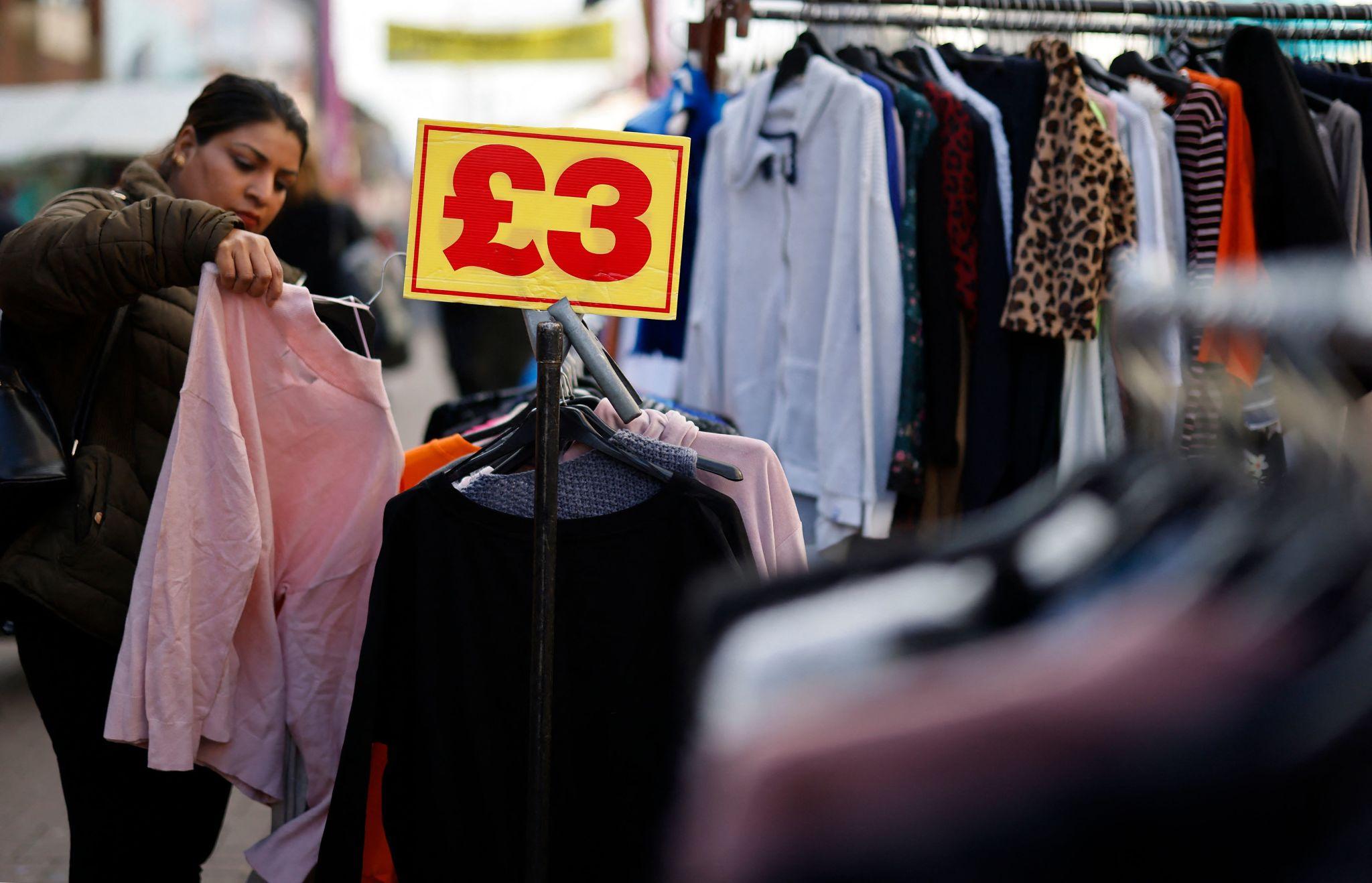
| Retail Activity | Slowing | More discount-focused shopping |
Household Budgets Face Growing Pressure
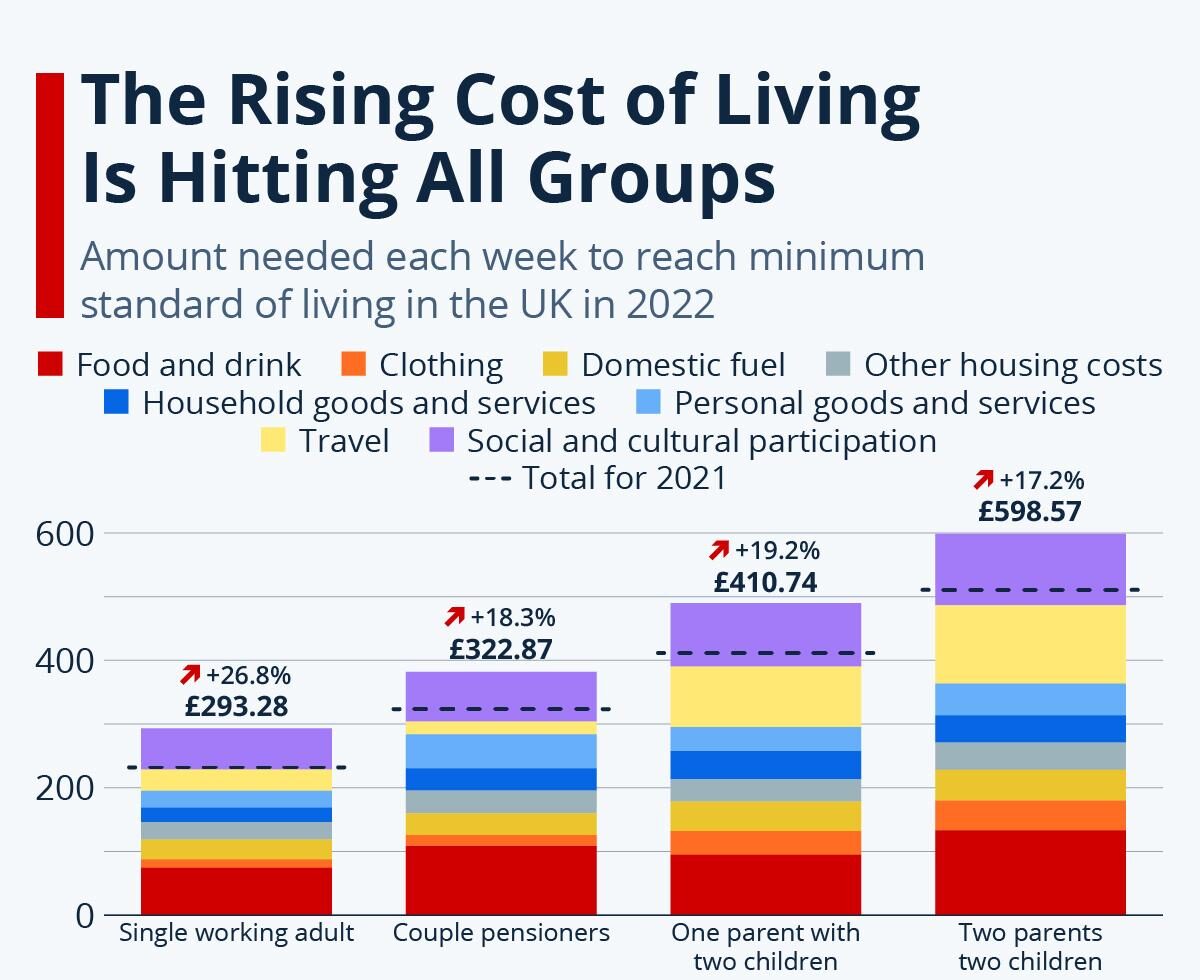
The ongoing UK inflation crisis is forcing many British families to reevaluate monthly budgets as wages struggle to keep pace with rising expenses. Housing costs remain among the largest financial burdens, especially in London where rental prices continue affecting affordability for working households.
Transportation expenses are also contributing to financial strain. Higher fuel prices increase commuting costs for workers while simultaneously affecting delivery services and supply chains throughout the economy.
Consumers are increasingly prioritizing essential purchases while reducing discretionary spending on travel, entertainment, and dining. Retail analysts report growing demand for discount stores, budget grocery chains, and promotional shopping campaigns.
Small businesses are also feeling the pressure as reduced consumer spending affects sales volumes across multiple industries.
Fuel Costs Continue Influencing Inflation
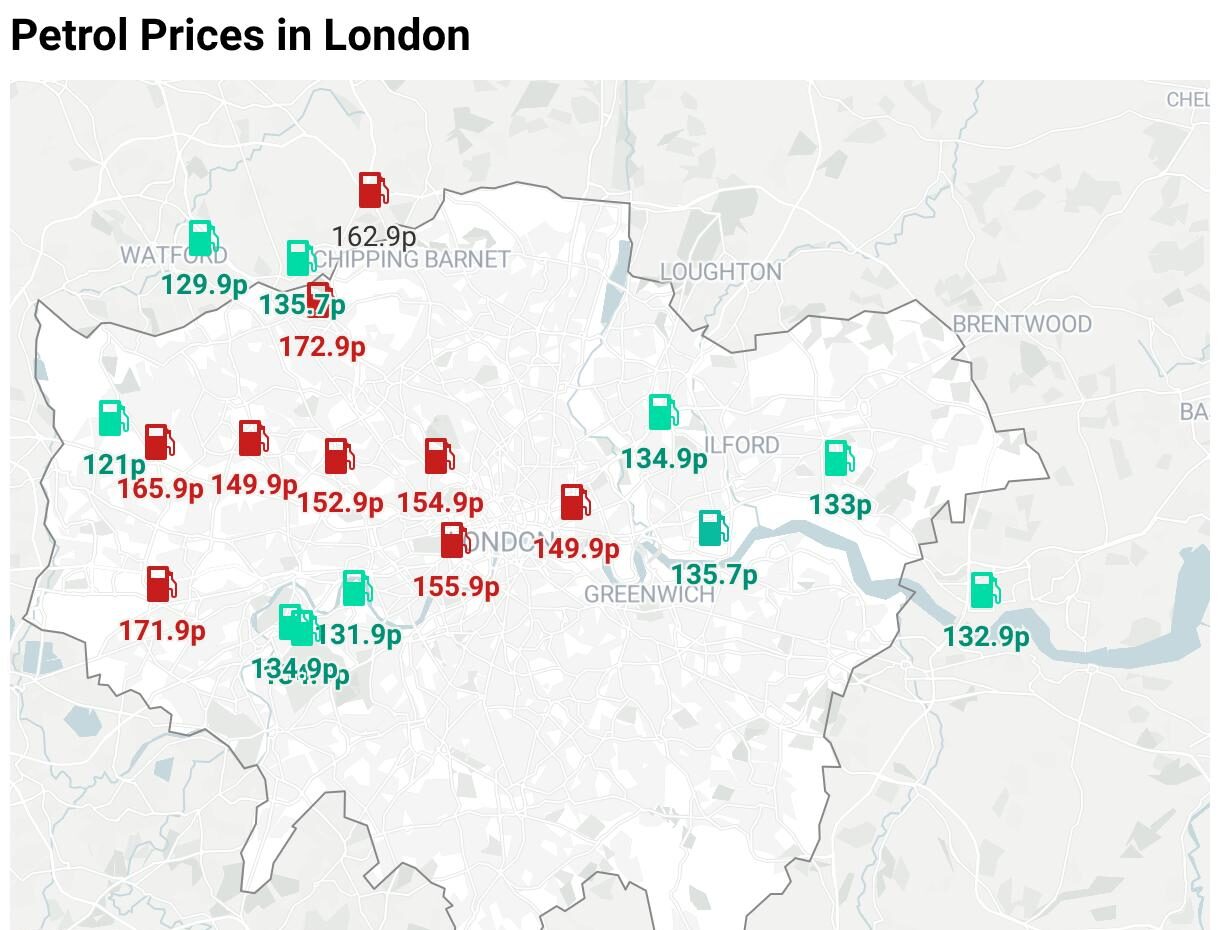
Fuel markets remain one of the most visible economic indicators tied to the broader UK inflation crisis. Petrol and diesel prices directly influence transportation, logistics, and delivery expenses, creating a ripple effect throughout the economy.
Businesses dependent on transportation continue facing operational challenges as fuel-related expenses increase distribution and supply-chain costs. Some companies have absorbed higher costs to remain competitive, while others have implemented selective price increases.
International energy market volatility remains a major concern for policymakers because geopolitical tensions and global supply disruptions can rapidly influence UK fuel prices.
Economic experts note that even modest fuel increases can significantly impact inflation expectations because transportation affects nearly every product sold across Britain.
“When transportation costs rise, the impact spreads across food, retail, manufacturing, and household expenses almost immediately,”
a financial strategist stated.
Consumer Confidence Remains Fragile
Public confidence remains highly sensitive to inflation trends as households attempt to manage long-term financial uncertainty. Surveys across Britain indicate many residents remain cautious about future spending because they expect costs to remain elevated throughout 2026.
The UK inflation crisis has also reshaped savings behavior. Many households are increasing emergency savings while reducing major purchases due to concerns about economic stability.
Retailers are responding with aggressive discount campaigns and loyalty incentives aimed at maintaining customer traffic during periods of cautious spending.
Restaurants and hospitality businesses are also adjusting pricing strategies to attract customers who remain highly price-conscious.
Britain’s Repeating Inflation Waves Through Modern Economic History
| Period | Inflation Environment | Economic Impact |
|---|---|---|
| 1970s | Oil shocks and rapid inflation | Wage pressure and economic instability |
| Early 1990s | Housing and recession concerns | Rising unemployment and weak growth |
| 2008 Financial Crisis | Banking collapse and recession | Reduced consumer confidence |
| 2022–2024 | Energy and supply-chain inflation | Cost-of-living crisis across Britain |
| 2026 | Persistent affordability concerns | Slower consumer spending and caution |
Economists note that inflation cycles often reshape consumer behavior for years after the initial crisis period ends.
Businesses Adapt to Economic Challenges
The ongoing UK inflation crisis continues forcing businesses to reevaluate pricing models, staffing strategies, and operational efficiency.
Retailers are increasingly relying on automation, digital marketing, and inventory management tools to control expenses. Restaurants and hospitality companies are simplifying menus and reducing operational waste to maintain profitability.
Small businesses remain especially vulnerable because they often lack the financial flexibility available to larger corporations.
At the same time, employers face growing wage pressure as workers demand compensation increases to offset rising living costs.
Business groups continue urging policymakers to balance inflation control measures with economic growth strategies that protect employment and investment.
Housing Costs Add to Economic Anxiety
Housing affordability remains a central issue connected to the broader UK inflation crisis. Rent increases and mortgage expenses continue affecting both homeowners and renters throughout the country.
Younger workers and lower-income households are among the groups most impacted by housing-related inflation. Many residents report postponing major life decisions, including home purchases and family planning, because of financial uncertainty.
Urban areas such as London continue experiencing strong demand for housing despite affordability challenges, keeping pressure on rental markets.
Housing advocates continue calling for expanded construction projects and long-term affordability initiatives to address structural shortages within the UK housing market.
“Housing costs have become one of the defining financial challenges facing British households today,”
a property market analyst said.
Government Policy and Economic Response
Government officials and central bank policymakers continue monitoring inflation data closely while attempting to maintain economic stability.
Interest rate policy remains one of the primary tools used to manage inflation pressure. However, higher borrowing costs can also slow economic activity and reduce consumer spending.
The UK inflation crisis has become a major political issue as voters increasingly focus on affordability, taxation, energy costs, and economic leadership.
Some economists believe inflation could gradually stabilize later in 2026 if energy markets improve and global supply chains strengthen. Others warn additional external shocks could prolong financial pressure on households.
Global Economic Risks Still Matter
Britain’s economy remains heavily influenced by global economic conditions. International conflicts, shipping disruptions, commodity prices, and currency fluctuations all affect inflation pressure inside the UK.
Global energy markets remain particularly important because oil and gas prices directly influence transportation, manufacturing, agriculture, and utility expenses.
Financial markets continue watching geopolitical developments closely because external instability could rapidly increase economic volatility.
The interconnected nature of the global economy means Britain cannot fully isolate itself from international inflation pressures.
Economic Outlook for the Rest of 2026
Analysts remain divided on whether inflation pressure will significantly ease during the remainder of the year. Some sectors of the economy continue showing resilience, while others remain highly vulnerable to rising costs and reduced consumer spending.
The labor market, wage growth, energy prices, and consumer confidence will likely determine how quickly the economy stabilizes.
The continuing UK inflation crisis highlights the broader challenge modern economies face when global uncertainty intersects with household affordability concerns.
For millions of British residents, the issue is no longer simply about economic statistics — it is about whether daily life becomes financially manageable again.
Businesses, policymakers, and consumers are all adapting to an environment where economic caution has become increasingly common. While some experts believe inflation may gradually stabilize later this year, millions of British households remain focused on managing the immediate financial realities affecting daily life.