


LONDON, March 30, 2026 (Parliament Politics Magazine) UK Iran military decision has taken a decisive turn as Britain’s Prime Minister confirmed the country will not send troops to Iran, reinforcing a strategy focused on restraint and diplomacy during escalating global tensions.
The announcement comes as the conflict involving the United States and Iran intensifies, with growing fears of a wider regional war. The UK Iran military decision reflects a clear divergence from more aggressive military approaches being considered by allies.
Britain Rules Out Ground Troops in Iran
The UK Iran military decision firmly rules out sending British troops into Iran, even as pressure mounts from international allies. Prime Minister Keir Starmer emphasized that the United Kingdom will not be “dragged into” the conflict.
Officials reiterated that while Britain remains committed to protecting its interests and allies, it will avoid direct ground involvement in the war.
A senior government figure stated:
“This UK Iran military decision reflects a careful balance—supporting stability while avoiding a wider and more dangerous conflict.”
The stance highlights a strategic effort to prevent escalation while maintaining defensive readiness.
Background: Escalating US-Iran Conflict
The UK Iran military decision comes as tensions between Washington and Tehran continue to rise sharply. Military actions, including airstrikes and threats against critical infrastructure, have fueled concerns about a broader war.
At the same time, the resignation of a top counterterrorism official—reportedly in protest of US military actions—has intensified scrutiny over Western strategies.
Analysts suggest that Britain’s decision is partly influenced by these developments, signaling caution amid uncertainty.
Strategic Reasons Behind the UK Iran Military Decision
Experts point to several key factors shaping the UK Iran military decision:
- Avoiding escalation into a full-scale regional war
- Minimizing risks to British forces and civilians
- Managing economic consequences tied to global energy markets
- Learning from past military engagements in the Middle East
Britain’s leadership appears focused on maintaining flexibility, allowing for defensive actions while avoiding commitments that could lead to prolonged conflict.
Defensive Role Instead of Offensive Action
While the UK Iran military decision rules out troop deployment, Britain continues to play a defensive role in the region.
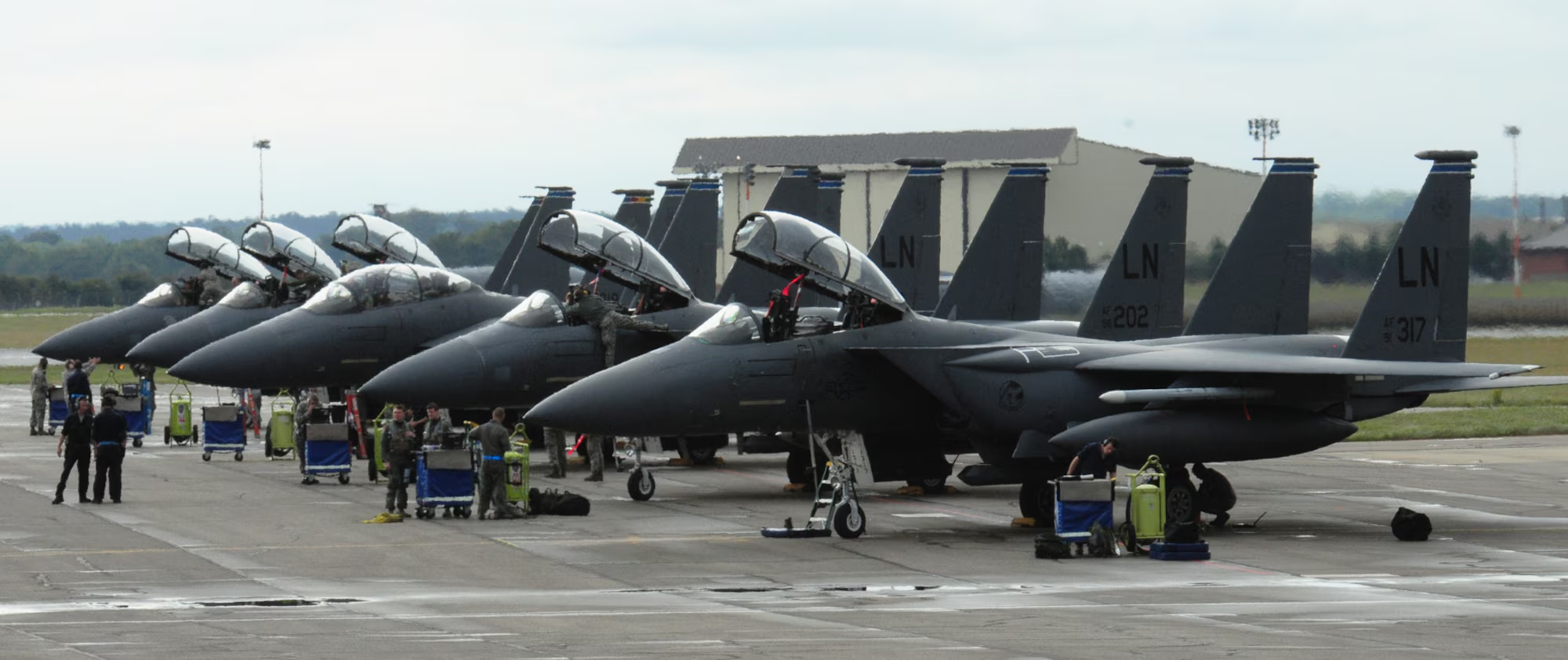
British forces have supported allied operations by protecting bases, intercepting threats, and maintaining regional stability.
This approach allows the UK to remain engaged without directly entering the conflict, aligning with broader NATO strategies focused on containment and deterrence.
Impact on NATO and Western Alliances
The UK Iran military decision is likely to influence discussions within NATO and other Western alliances. Britain’s stance reinforces a growing divide between countries favoring direct intervention and those advocating restraint.
Some European nations have similarly avoided offensive roles, focusing instead on defense and diplomacy.
Analysts note that maintaining unity among allies will be critical as the crisis evolves.
Domestic Reaction in the United Kingdom
Public response to the UK Iran military decision has largely supported the government’s cautious approach. Many citizens remain wary of another overseas conflict, particularly given the long-term consequences of previous interventions.
Political leaders across parties have expressed varying views, but there is broad agreement on the need to prioritize national security without unnecessary escalation.
Economic and Energy Concerns
The UK Iran military decision also reflects concerns about economic stability. The Middle East remains a vital hub for global energy supplies, and any escalation could disrupt markets.
Officials have warned that the conflict is already impacting energy prices and supply chains, with potential consequences for inflation and economic growth.
By avoiding direct military involvement, Britain aims to reduce additional strain on global markets.
Diplomatic Efforts Take Priority
Diplomacy remains at the core of the UK Iran military decision. British officials continue to engage with international partners to seek a resolution to the conflict.
Calls for de-escalation have intensified, with leaders emphasizing the need for dialogue over confrontation.
A diplomatic source noted:
“The UK Iran military decision is not about inaction—it is about choosing the most effective path to stability.”
Broader Middle East Security Risks
The situation surrounding Iran is part of a wider regional crisis involving multiple actors. Attacks on military bases, threats to shipping routes, and rising tensions across the Gulf have increased the risk of broader instability.
Recent incidents targeting British-linked facilities highlight the dangers of deeper involvement.
Experts warn that even limited engagement could draw additional countries into the conflict.
What Comes Next?
The UK Iran military decision sets the tone for Britain’s role in the coming weeks. However, the situation remains fluid.
Key developments to watch include:
- Further US military actions
- Iran’s response to international pressure
- Diplomatic negotiations and ceasefire efforts
- Economic impacts on global markets
While Britain has ruled out sending troops, its involvement in defense and diplomacy will continue to shape the outcome.
UK Iran Military Decision Reflects Strategic Restraint
The UK Iran military decision to avoid sending troops underscores a deliberate strategy focused on caution, diplomacy, and stability.
As global tensions rise, Britain’s approach highlights the challenges of balancing alliance commitments with the risks of escalation. The coming weeks will be critical in determining whether restraint can help prevent a broader conflict.
