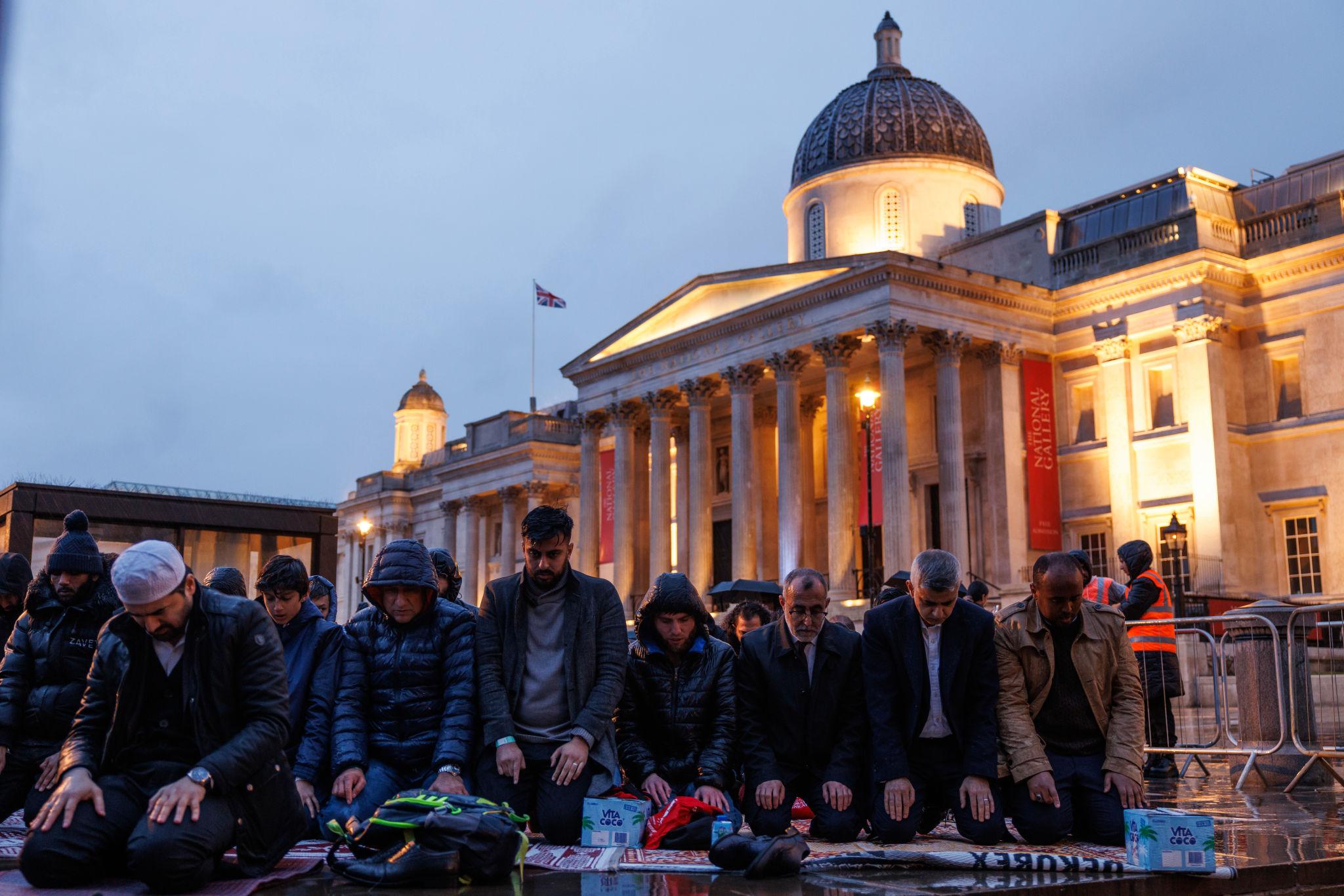
London, United Kingdom — March 19, 2026 — Parliament Politics Magazine — UK mass prayer ban proposal has ignited a fierce political and cultural debate across Britain after Reform UK leader Nigel Farage called for sweeping restrictions on public religious observances. The controversial stance follows a high-profile Ramadan prayer gathering held in London’s Trafalgar Square, which has now become the center of a national discussion on identity, religious freedom, and public space regulations.
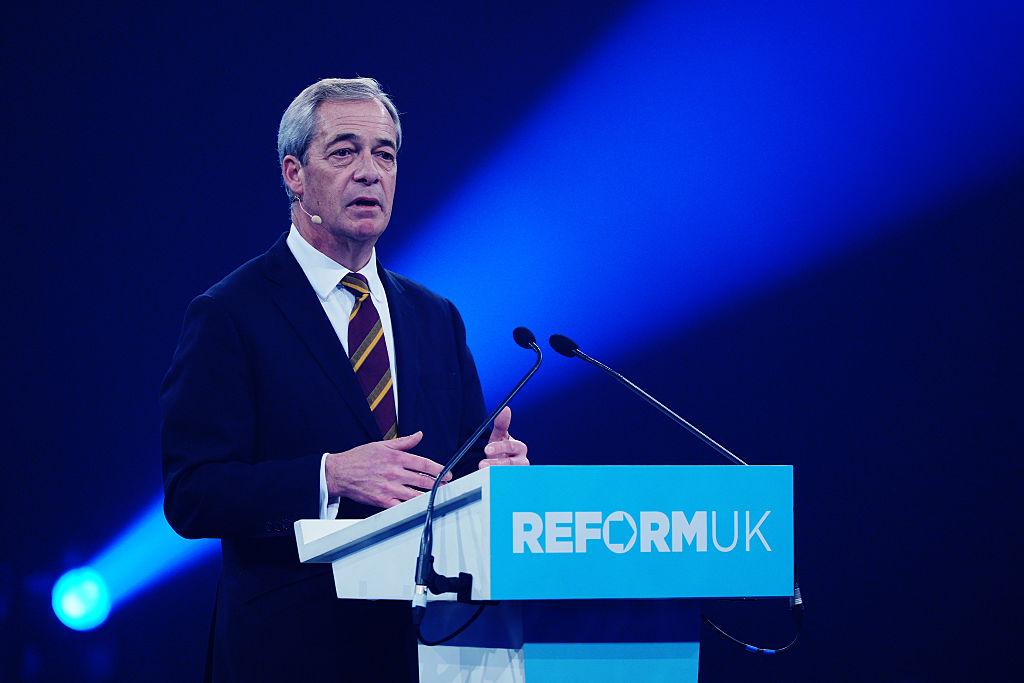
The UK mass prayer ban proposal was unveiled during Reform UK’s conference in Scotland, where Farage described large-scale public religious events as “provocative” and warned they could undermine what he called Britain’s traditional values. His remarks immediately triggered sharp reactions from political leaders, religious communities, and civil society groups.
Farage’s Position on Public Religious Gatherings
At the heart of the UK mass prayer ban proposal is Farage’s argument that mass religious observances in public spaces should be restricted entirely. While his comments were initially directed at the “Open Iftar” event in Trafalgar Square, he later clarified that his proposal would apply broadly to all religions.
Farage framed his stance as a matter of preserving national heritage and maintaining social cohesion.
“We must stand firm for the Judeo-Christian principles that shaped this country,”
Farage stated, adding that such events in historic locations could be seen as attempts to
“overtake, intimidate and dominate our way of life.”
The UK mass prayer ban proposal also included comparisons to certain Middle Eastern countries, where public religious expressions are regulated. Farage suggested that Britain should consider similar measures to maintain order and cultural balance.
Clarifications and Expanding Scope
Despite initial perceptions that the UK mass prayer ban proposal primarily targeted Muslim gatherings, Farage insisted the policy would apply universally. When questioned about other religious events such as Jewish or Christian observances, he argued that large-scale public religious ceremonies in historically Christian spaces are rare.
This clarification, however, has done little to calm critics who believe the proposal disproportionately affects Muslim communities, especially given the timing during Ramadan.
The UK mass prayer ban proposal has therefore evolved into a broader discussion not just about policy, but about perception, inclusion, and fairness in modern Britain.
Political Reactions and Backlash
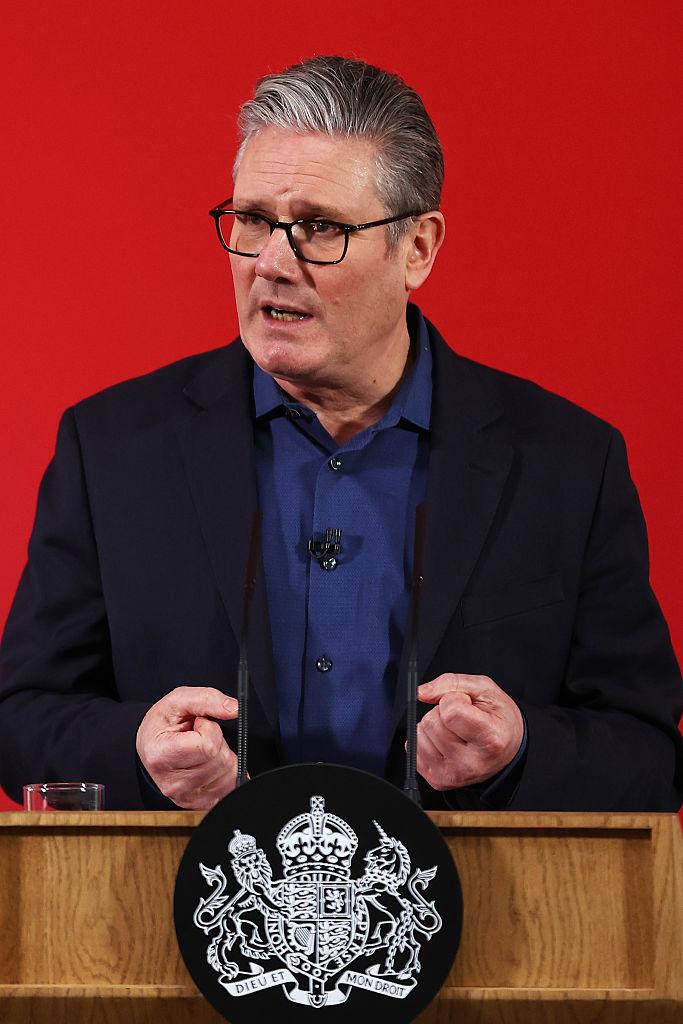
The UK mass prayer ban proposal has drawn immediate condemnation from Prime Minister Sir Keir Starmer, who accused its proponents of selectively targeting Muslim communities.
Starmer emphasized that Britain has a long tradition of hosting public religious events across multiple faiths, including Easter processions, Diwali celebrations, and Chanukah ceremonies.
“We do not have a problem with public prayer — we have a problem when certain groups are singled out,”
Starmer said, adding that the UK mass prayer ban proposal risks deepening divisions rather than fostering unity.
Other political figures have also weighed in, with some Conservative voices echoing concerns about public order, while others distanced themselves from Farage’s broader proposal.
Cultural Identity and National Debate
Beyond politics, the UK mass prayer ban proposal has reignited a deeper cultural debate about Britain’s identity in a rapidly changing society. Supporters argue that public spaces should remain neutral and free from large-scale religious displays, while critics view such arguments as a threat to religious freedom.
The controversy surrounding the Trafalgar Square event highlights how symbolic locations can amplify tensions. As one of London’s most iconic public spaces, Trafalgar Square has historically hosted a wide range of cultural and civic gatherings.
For many observers, the UK mass prayer ban proposal raises questions about whether restricting religious expression in public spaces aligns with democratic values or undermines them.
Religious Freedom vs Public Order
The UK mass prayer ban proposal sits at the intersection of two competing priorities: protecting freedom of religion and maintaining public order. Legal experts note that Britain’s existing laws already provide frameworks for managing large gatherings, regardless of their nature.
Critics argue that additional restrictions could set a dangerous precedent, potentially limiting other forms of public expression, including protests and cultural events.
Supporters, however, believe that clearer regulations are necessary in an era of growing social tensions.
This debate ensures that the UK mass prayer ban proposal will remain a central issue in the country’s political discourse in the coming months.
Impact on Communities
For many within the UK’s Muslim community, the UK mass prayer ban proposal has been perceived as exclusionary and concerning. Community leaders have called for dialogue rather than restrictions, emphasizing the importance of mutual understanding.
At the same time, interfaith organizations have warned that policies perceived as targeting one group could undermine years of progress in promoting social cohesion.
The UK mass prayer ban proposal has therefore become more than just a policy suggestion—it is now a test of how Britain navigates diversity and unity in a complex social landscape.
Historical Context of Public Religious Events
Public religious observances have long been part of British life. From Christmas markets and Easter parades to multi-faith festivals in urban centers, these events have traditionally been seen as expressions of cultural richness rather than division.
The UK mass prayer ban proposal challenges this tradition by questioning whether such expressions should continue in shared public spaces.
This historical perspective adds another layer to the debate, as policymakers and citizens alike consider what role religion should play in modern public life.
What Comes Next?
As the UK mass prayer ban proposal gains attention, its political future remains uncertain. While it has sparked significant discussion, it would require substantial legislative support to become law.
In the meantime, the debate is expected to intensify, particularly as Britain approaches future elections where issues of identity, immigration, and cultural values are likely to take center stage.
The UK mass prayer ban proposal may ultimately serve as a defining moment in the country’s ongoing conversation about diversity, inclusion, and national identity.
“Britain at a Crossroads”
The UK mass prayer ban proposal has triggered a nationwide debate over religious freedom, cultural identity, and public space in Britain. Nigel Farage’s call for restrictions has been met with strong opposition from political leaders and communities, highlighting deep divisions on the issue.
As tensions rise, the UK mass prayer ban proposal is shaping into a pivotal topic that could influence future policies and elections. Whether it leads to legislative change or remains a political flashpoint, it has already redefined the conversation around religion in public life.