

Britain signals stronger security cooperation with Bahrain amid rising Gulf tensions.
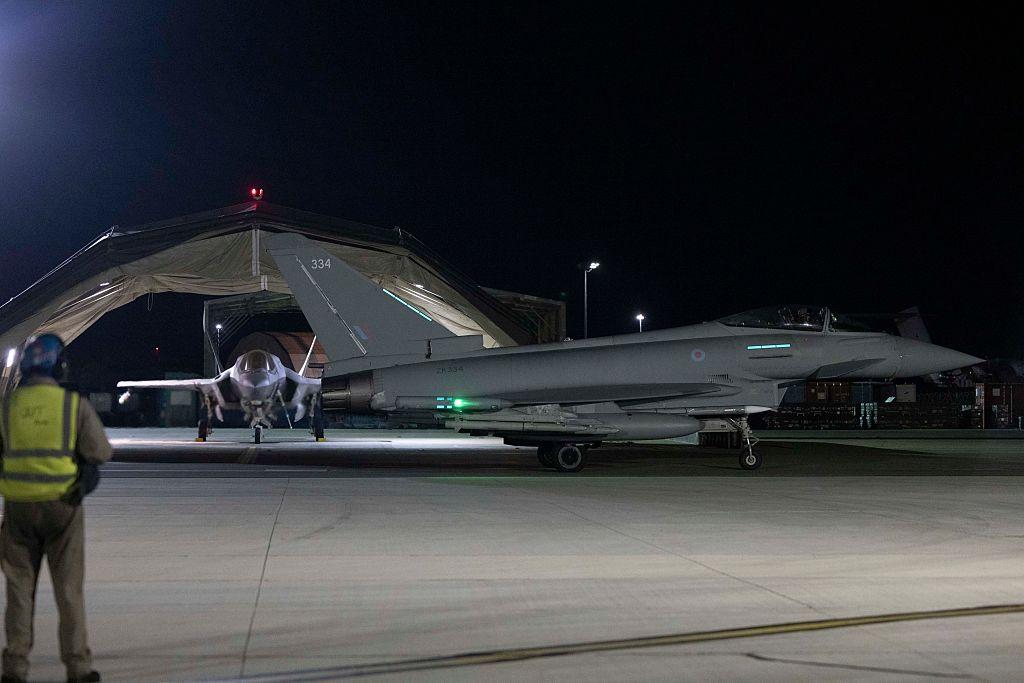
Royal Air Force jets may provide additional defensive coverage if required.
The move reinforces the growing UK Middle East defense partnership in 2026.
Manama, Bahrain — March 6, 2026 — Parliament News — Britain has signaled that its military aircraft could provide additional defensive protection to Bahrain as part of expanding UK Middle East defense cooperation in the Gulf. The announcement highlights the United Kingdom’s continuing commitment to regional stability at a time when geopolitical tensions across the Middle East remain elevated.
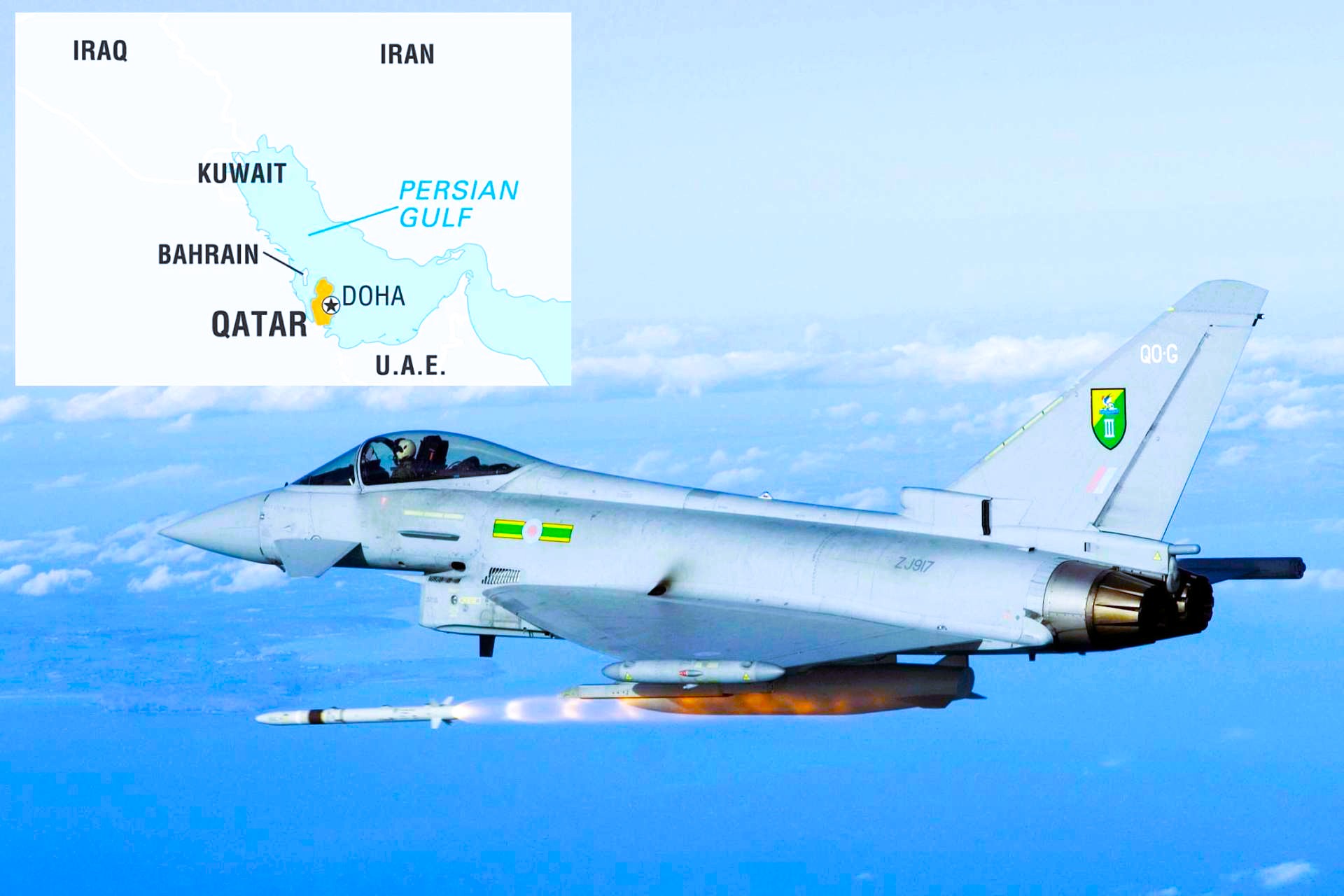
Bahrain occupies a strategic position near the Strait of Hormuz, one of the world’s most important energy shipping corridors. The island nation also hosts critical Western military infrastructure, making it a key location in international security operations.
The latest developments indicate that the UK Middle East defense framework continues to evolve as Britain strengthens security coordination with Gulf allies and maintains its presence in one of the world’s most sensitive geopolitical regions.
Britain Signals Defensive Support for Gulf Ally
Officials in London emphasized that the United Kingdom’s security partnership with Bahrain remains focused on deterrence and stability rather than escalation.
British fighter aircraft could provide defensive air coverage if regional security conditions require additional support. Military analysts say such cooperation is designed to reassure partners while demonstrating the readiness of allied forces operating in the Gulf.
Bahrain has become a central component of the broader UK Middle East defense strategy because of its location and existing military partnerships with Western nations.
A defense specialist familiar with Gulf security cooperation explained the importance of maintaining visible alliances.
“Strong defense partnerships help maintain stability by demonstrating that allies stand ready to coordinate their security efforts,”
the analyst said.
The statement reflects growing efforts by Western governments to strengthen defensive planning amid changing regional dynamics.
Bahrain’s Strategic Importance in the Gulf
Despite its relatively small geographic size, Bahrain plays an outsized role in regional security.
The country hosts the headquarters of the United States Navy’s Fifth Fleet and supports numerous multinational maritime operations designed to protect shipping routes and monitor potential security threats.
Because of its proximity to major energy corridors, Bahrain is widely considered one of the most strategically important security hubs in the Gulf.
This significance explains why the country remains a key location for UK Middle East defense cooperation.
The ability to coordinate naval, air, and intelligence operations from Bahrain allows allied forces to respond quickly to developments across the region.
Security experts believe that maintaining strong defense partnerships in Bahrain contributes significantly to protecting international trade routes.
Royal Air Force Capabilities Supporting Regional Security
The Royal Air Force maintains advanced aircraft capable of supporting defensive missions throughout the Middle East.
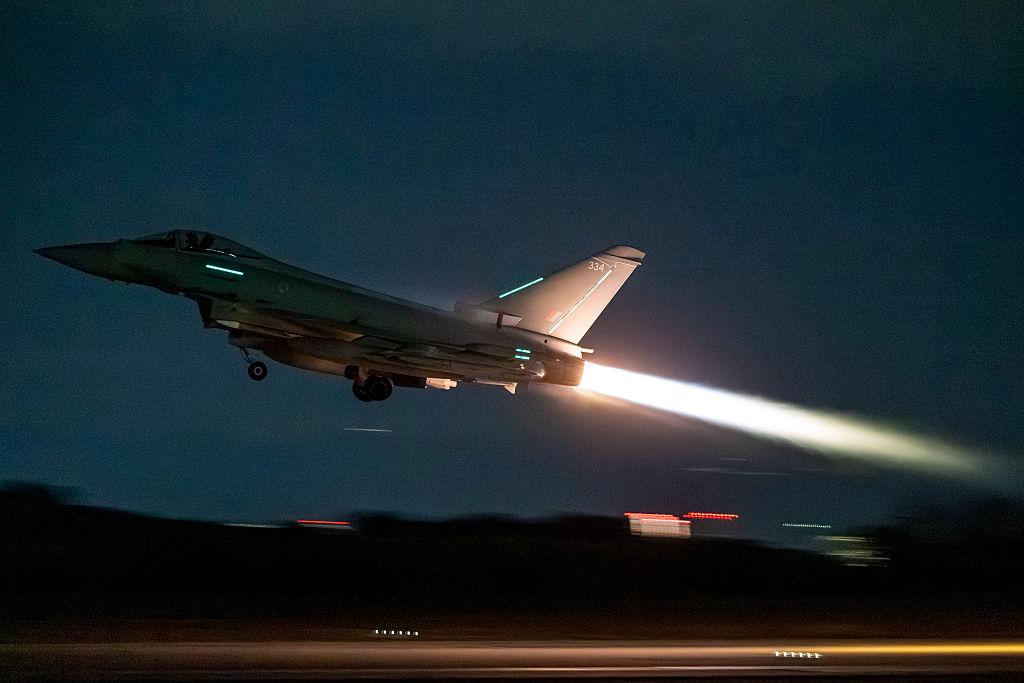
Among the most prominent aircraft in the RAF fleet is the Typhoon multirole fighter jet. These aircraft can intercept hostile aircraft, monitor drone activity, and respond to potential missile threats.
The aircraft’s advanced radar systems and high speed maneuverability make it well suited for air defense operations.
These capabilities form part of the broader UK Middle East defense framework designed to maintain deterrence and protect allied infrastructure.
British surveillance aircraft also play an important role in monitoring maritime activity across the Gulf.
One senior military observer noted the importance of coordination among allied forces.
“Modern defense strategy depends on intelligence sharing and rapid response capabilities that allow partners to address threats before they escalate.”
Expanding Security Cooperation with Gulf Partners
Defense cooperation between Britain and Gulf nations has expanded steadily over the past decade.
Joint exercises, naval patrols, and intelligence partnerships have strengthened coordination between Western militaries and regional governments.
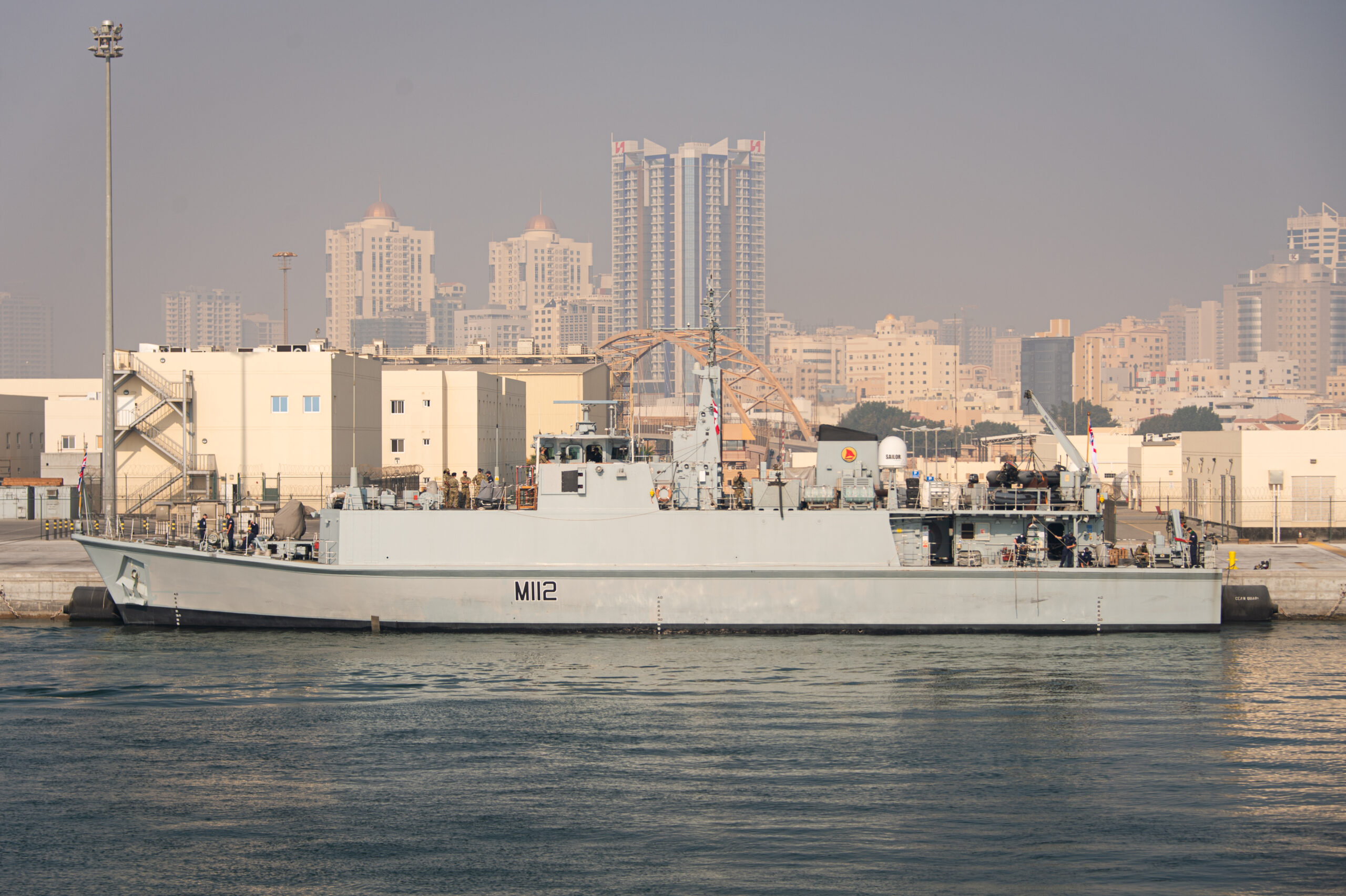
The UK Naval Support Facility in Bahrain serves as a cornerstone of UK Middle East defense operations.
The facility allows British naval forces to maintain a continuous presence in the Gulf and support multinational maritime security missions.
Beyond military cooperation, Britain and Bahrain also collaborate on cybersecurity, counterterrorism initiatives, and defense technology development.
These partnerships reflect a broader commitment to maintaining stability in a region that remains central to global economic and energy security.
Rising Regional Tensions and Security Challenges
The Middle East has experienced several security challenges in recent years.
Missile launches, drone attacks, and threats to maritime shipping routes have raised concerns among governments and international organizations.
Such developments have increased the importance of coordinated defense planning among allied nations.
The strengthening of UK Middle East defense partnerships is therefore widely viewed as a stabilizing factor within the region.
Security analysts believe that visible cooperation between allies can discourage aggressive actions by demonstrating preparedness and unity.
Another international security expert highlighted the importance of maintaining strong partnerships.
“Deterrence works best when allies communicate clearly and maintain the capability to respond quickly if necessary,”
the expert said.
Protecting Vital Global Energy Routes
The Gulf region plays a crucial role in the global energy market.
A significant percentage of the world’s oil shipments pass through the Strait of Hormuz each day.
Any disruption to this route could have immediate consequences for international trade and energy prices.
Because of this, protecting maritime shipping lanes remains a major objective of UK Middle East defense planning.
Naval patrols, air surveillance missions, and intelligence coordination help ensure that commercial vessels can travel safely through the region.
These security measures are designed to prevent disruptions that could affect global markets.
Historical Foundations of Britain’s Gulf Security Role
Britain’s involvement in Gulf security is rooted in a long history of cooperation with regional states.
During the nineteenth and early twentieth centuries, Britain developed political and military relationships with several Gulf territories as part of broader trade and security agreements.
Over time, these historical connections evolved into modern partnerships focused on defense collaboration and economic cooperation.
Today the UK Middle East defense framework reflects decades of diplomatic engagement and military coordination between Britain and Gulf nations.
The presence of British naval facilities and joint training programs demonstrates how these historical relationships have adapted to modern security challenges.
International Reactions to Britain’s Security Commitment
International observers have generally interpreted Britain’s signal of support for Bahrain as part of a broader strategy to maintain regional stability.
Security analysts in Europe and the Middle East note that maintaining a strong network of alliances helps reduce the risk of conflict in sensitive regions.
The strengthening of UK Middle East defense cooperation therefore reflects both strategic planning and diplomatic reassurance.
Allied governments continue to emphasize that defensive coordination remains focused on protecting infrastructure, shipping routes, and regional stability rather than escalating tensions.
Future Outlook for Gulf Security Partnerships
Looking ahead, experts believe defense cooperation between Britain and Gulf nations will continue to expand.
Joint training programs, intelligence sharing initiatives, and technological collaboration are expected to remain central components of UK Middle East defense strategy.
The Middle East’s strategic importance ensures that international security partnerships will remain essential in maintaining stability across the region.
For Britain and Bahrain, their partnership represents a long standing relationship built on shared interests and mutual security goals.
As geopolitical conditions evolve, cooperation between allies will continue to shape the future of security in the Gulf and beyond.
The Gulf’s Next Chapter in Strategic Stability
The evolving security landscape in the Middle East demonstrates the importance of maintaining strong alliances and coordinated defense planning.
Bahrain’s strategic location ensures it will remain a critical partner in regional security operations.
Britain’s continued commitment through UK Middle East defense initiatives highlights the importance of cooperation in protecting vital economic routes and maintaining geopolitical stability.
In an increasingly interconnected world, partnerships between allies will remain essential in preventing instability and supporting international security efforts.