

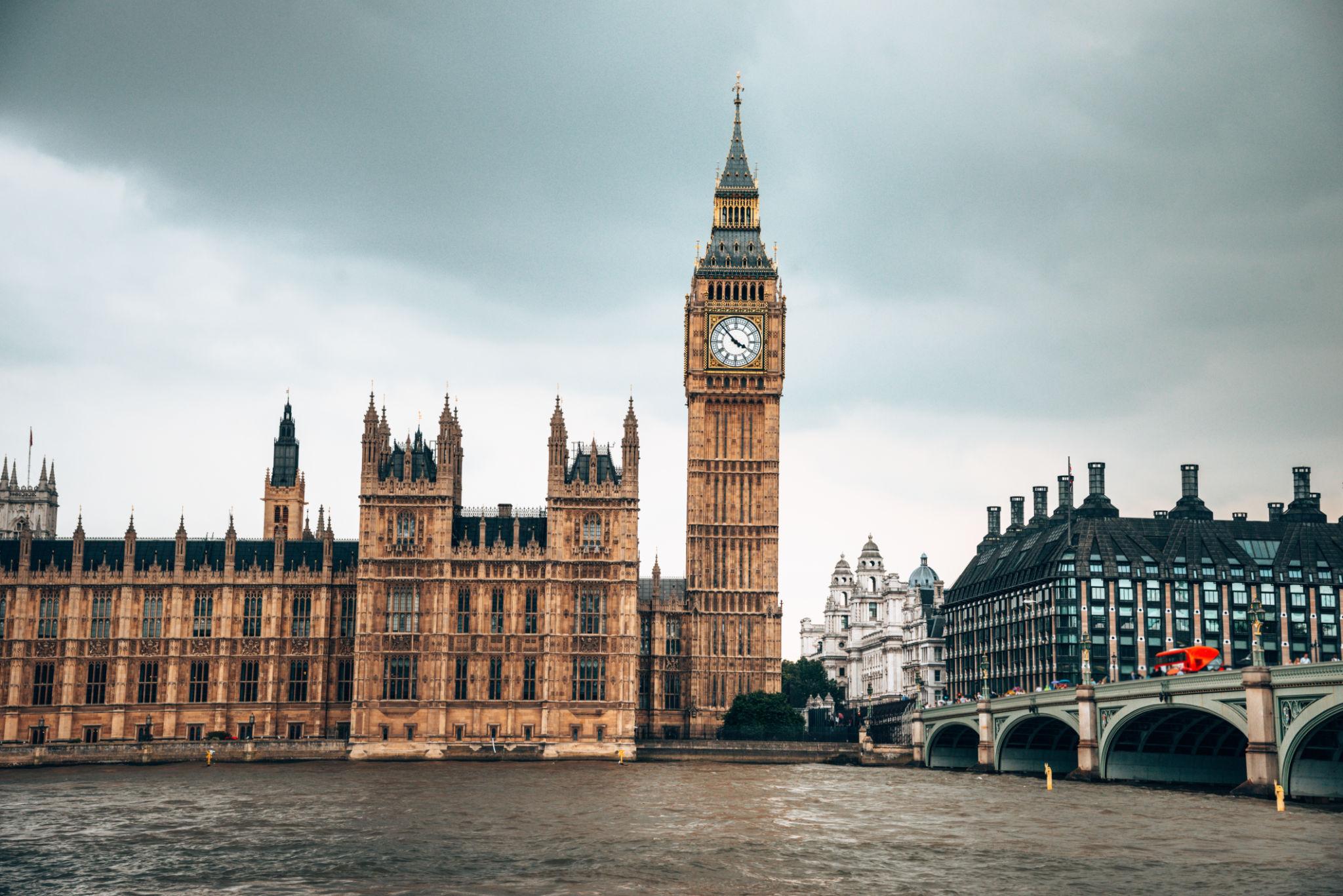
Political tensions are rising across Westminster as Prime Minister Keir Starmer refuses calls to resign.
The growing UK parliament conflict has intensified debates over leadership, economic policy, and party unity.
Analysts warn Britain could face months of political uncertainty during 2026.
London, United Kingdom, (Parliament Politics Magazine) UK parliament conflict dominated political debate across Westminster on Tuesday as Prime Minister Keir Starmer rejected mounting calls to step down, insisting his government remains focused on governing during a period of economic and political turbulence in Britain.
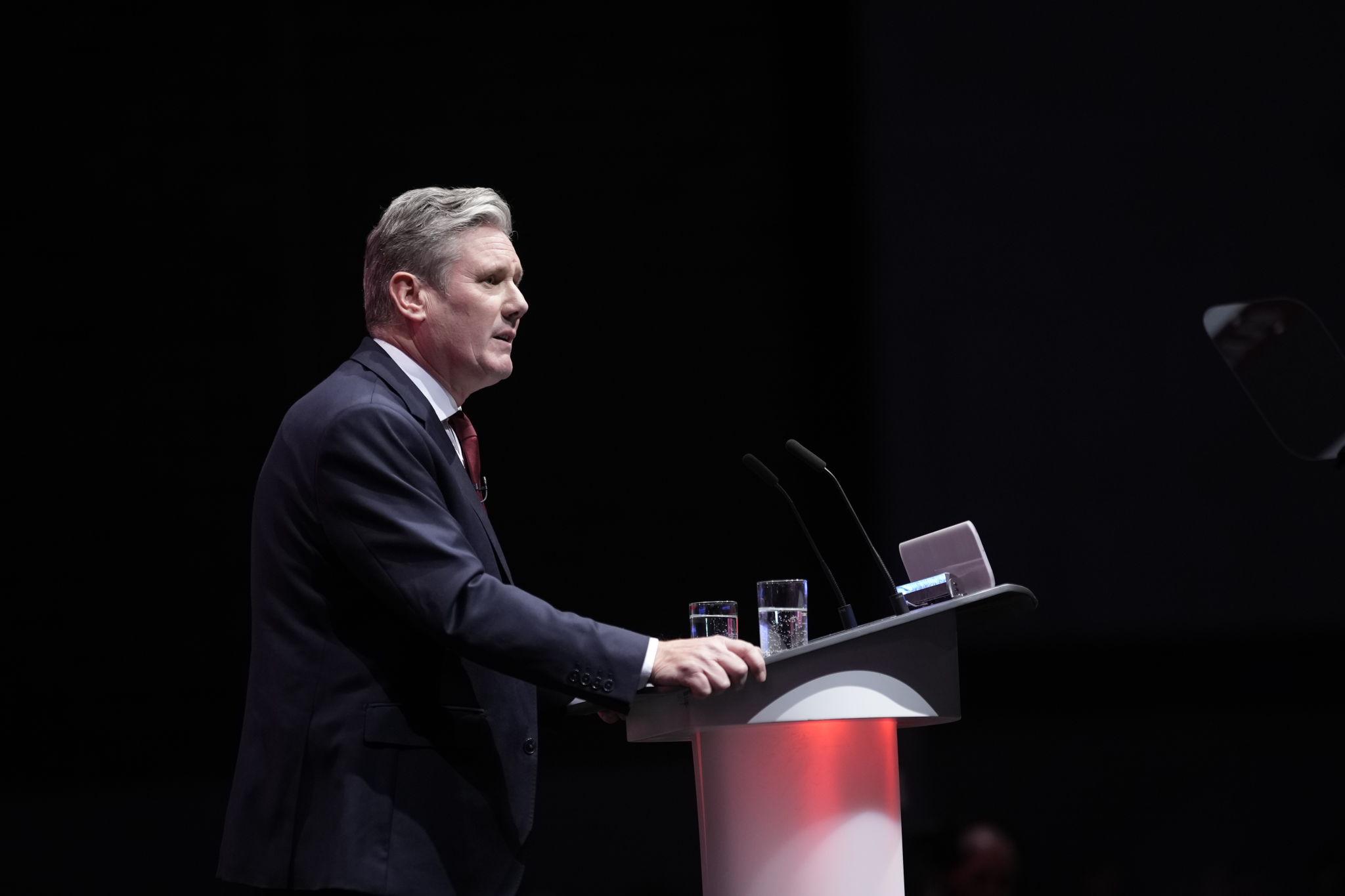
The latest developments followed several days of criticism from opposition lawmakers and growing pressure from within Labour Party circles. Despite the intensifying debate, Starmer publicly defended his leadership and said the government’s priority remains economic recovery, healthcare reform, and national stability.
“Our responsibility is to govern through difficult times and continue delivering for the British people,”
Starmer stated during remarks in London.
The growing UK parliament conflict has become one of the most discussed political issues in Britain this week, with lawmakers clashing over inflation, taxation, migration policy, and public sector spending.
Westminster Divisions Intensify Across Parliament
Political divisions inside Westminster became increasingly visible as opposition parties intensified criticism against the Labour government. Conservative lawmakers accused the administration of failing to address mounting economic concerns affecting households and businesses throughout the United Kingdom.
The ongoing UK parliament conflict also revealed growing tensions surrounding public confidence in government leadership. Parliamentary debates focused heavily on affordability concerns, healthcare waiting times, and broader economic uncertainty.
Several MPs argued that public frustration has increased because voters expected faster improvements following Labour’s election victory. Government supporters, however, defended current policies and insisted economic reforms require time to produce measurable results.
“The political environment in Britain is becoming more volatile by the week,”
one parliamentary analyst noted.
Economic Pressures Continue to Shape Political Debate
Economic uncertainty remains central to the expanding UK parliament conflict as inflation and cost-of-living concerns continue affecting millions of households across Britain.
Business groups have urged government leaders to focus on investment incentives, energy security, and workforce expansion to stabilize the economy. Meanwhile, opposition lawmakers continue questioning Labour’s financial strategy and long-term fiscal direction.
Financial analysts say investor confidence often weakens during periods of political instability, especially when leadership disputes dominate national headlines. Markets are also closely monitoring parliamentary developments for signs of deeper internal divisions.
The government insists Britain’s economic outlook remains manageable despite ongoing political turbulence.
Labour Party Attempts to Maintain Unity
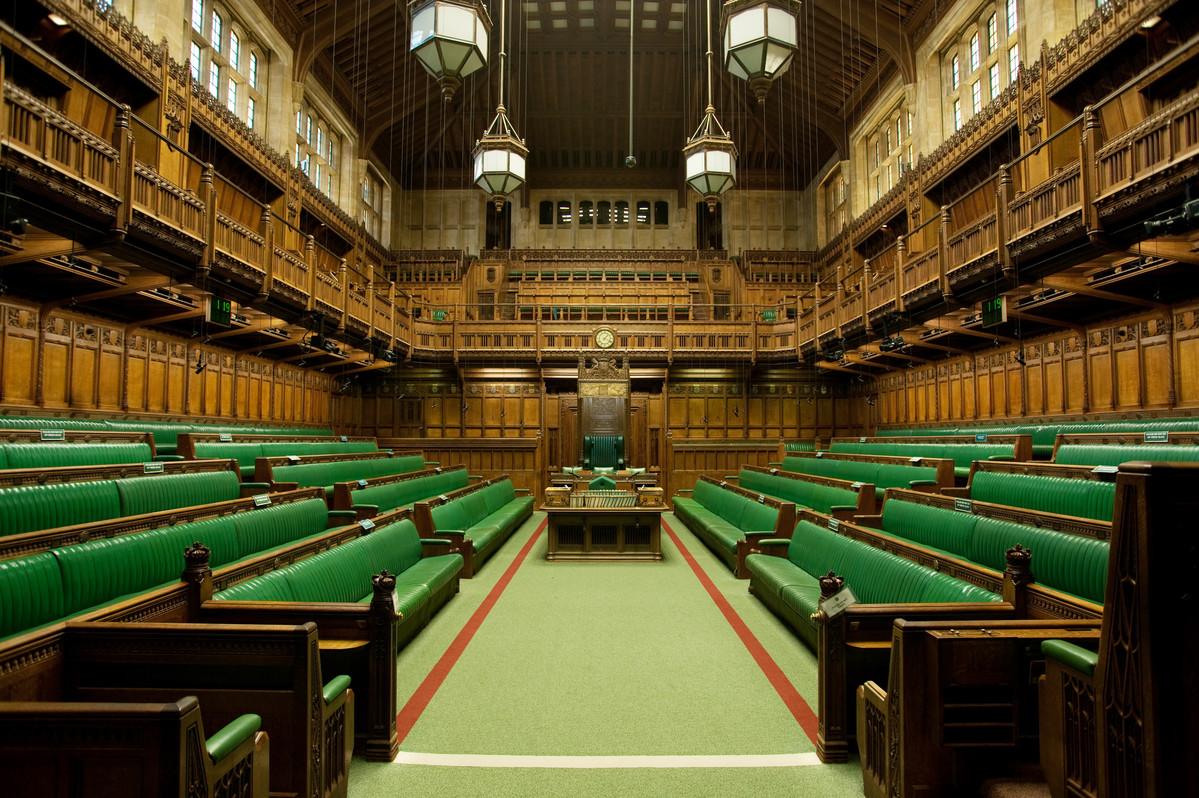
Senior Labour officials publicly defended Starmer’s leadership throughout Tuesday’s parliamentary session. Cabinet ministers argued that political stability remains essential during uncertain economic conditions.
The intensifying UK parliament conflict has nevertheless fueled speculation about possible future leadership challenges if polling numbers continue to weaken in coming months.
Political strategists say maintaining party discipline will become increasingly important as opposition criticism grows stronger ahead of future local elections.
“Leadership pressure is part of modern politics, but stability matters during economic uncertainty,”
a Labour MP said.
Despite growing tensions, no formal leadership challenge has been announced inside the party.
Public Reaction Reflects National Frustration
Public response to the escalating UK parliament conflict remains divided across the country. Supporters of the government argue that long-term reforms require patience, while critics claim Labour has struggled to deliver visible economic relief quickly enough.
Social media discussions and public opinion surveys suggest concerns about housing affordability, taxation, and healthcare access remain major issues influencing voter frustration.
Analysts believe Britain’s political climate now reflects broader international trends where voters increasingly demand rapid policy results and stronger government accountability.
The political debate has also intensified media scrutiny surrounding Downing Street and Labour Party leadership decisions.
Historical Perspective on British Parliamentary Tensions
Britain has experienced several major periods of parliamentary division throughout modern political history. Previous governments from both Labour and Conservative administrations have faced leadership pressure during economic downturns and national crises.
The current UK parliament conflict has drawn comparisons to earlier Westminster struggles where party unity became increasingly difficult during periods of public dissatisfaction.
Political historians note that British parliamentary politics has traditionally involved intense debate, leadership speculation, and shifting public sentiment during times of economic pressure.
Experts caution, however, that leadership criticism does not always result in immediate political change.
International Attention Focuses on Britain’s Stability
Global financial institutions and international allies continue monitoring Britain’s political situation closely due to the country’s importance in NATO, European diplomacy, and global financial markets.
The expanding UK parliament conflict has generated concerns among some analysts regarding long-term investor confidence and economic planning.
Government officials maintain Britain remains politically stable despite heightened parliamentary tensions and ongoing media scrutiny.
International observers are expected to continue following developments inside Westminster throughout 2026.
Political Pressure Continues Across Westminster
Britain’s political climate remains highly tense as lawmakers continue debating leadership, economic recovery, and public confidence in government institutions. The ongoing UK parliament conflict reflects growing national frustration over affordability concerns and political divisions inside Westminster.
With opposition criticism increasing and public scrutiny intensifying, the Labour government faces a critical period that could shape Britain’s political direction for the remainder of 2026.