

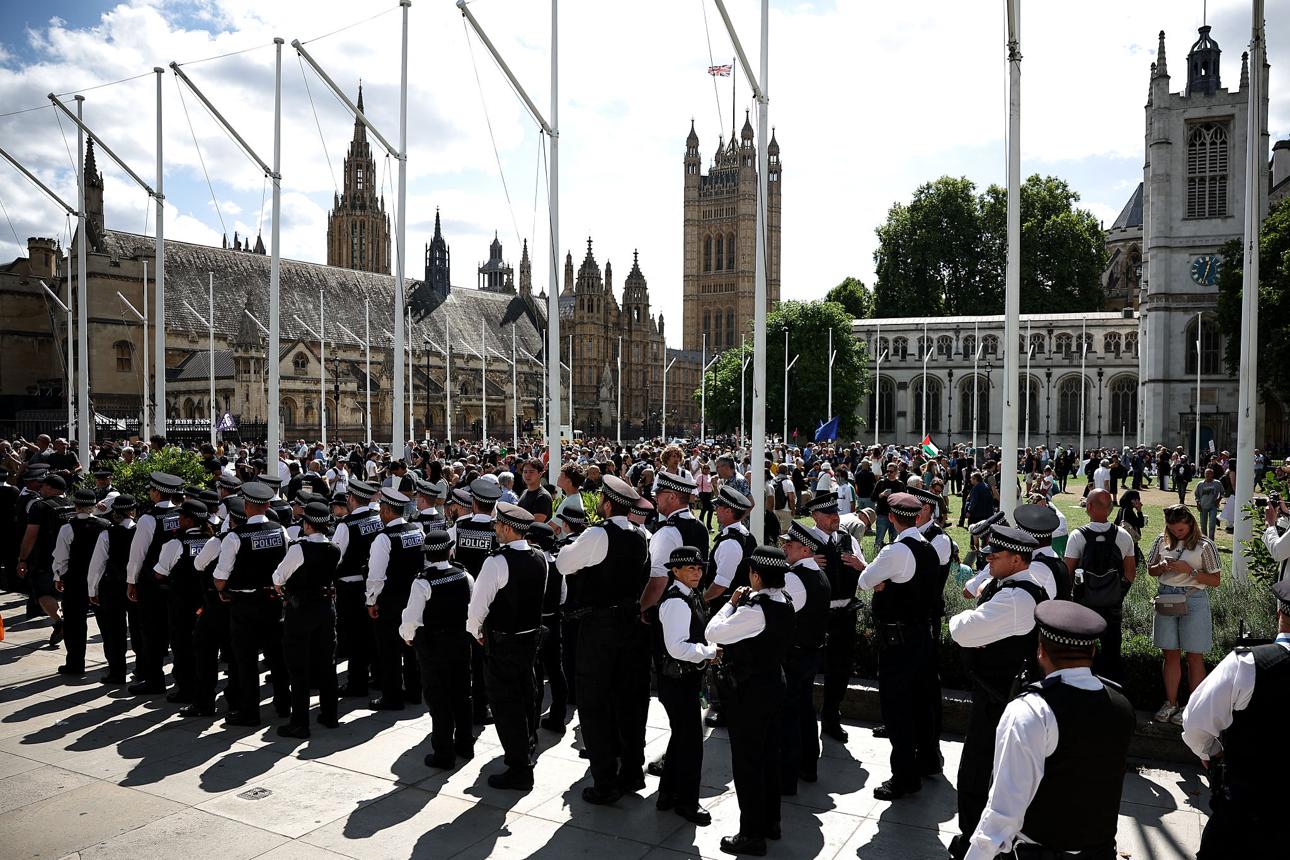
London, United Kingdom, May 2, 2026 (Parliament Politics Magazine) UK protest laws are at the center of a growing national debate as the government explores expanding authority to regulate demonstrations across United Kingdom. Prime Minister Keir Starmer has indicated that additional powers may be introduced to address concerns over public safety and large-scale protests, particularly in London.
The proposed changes come at a time of heightened political activism, where demonstrations have become more frequent and complex. Authorities argue that existing legal frameworks may not be sufficient to manage modern protest dynamics.
UK Protest Laws: Data Snapshot 2026
- Country: United Kingdom
- Year: 2026
- Focus: Regulation of public demonstrations
- Government Position: Considering expanded powers
- Key Concern: Balancing safety and civil liberties
- Public Reaction: Divided across political lines
- Legal Impact: Potential legislative reforms
- Global Interest: High among policymakers
Government Push for Stronger Authority
Officials argue that evolving protest environments require updated tools for law enforcement. The proposed adjustments to UK protest laws aim to ensure that demonstrations remain peaceful and do not disrupt essential services.
Government representatives emphasize that the intention is not to suppress free expression but to maintain order during large gatherings.
“Public safety and democratic rights must coexist, and policy must reflect that balance,”
said a senior government official.
Rising Frequency of Demonstrations
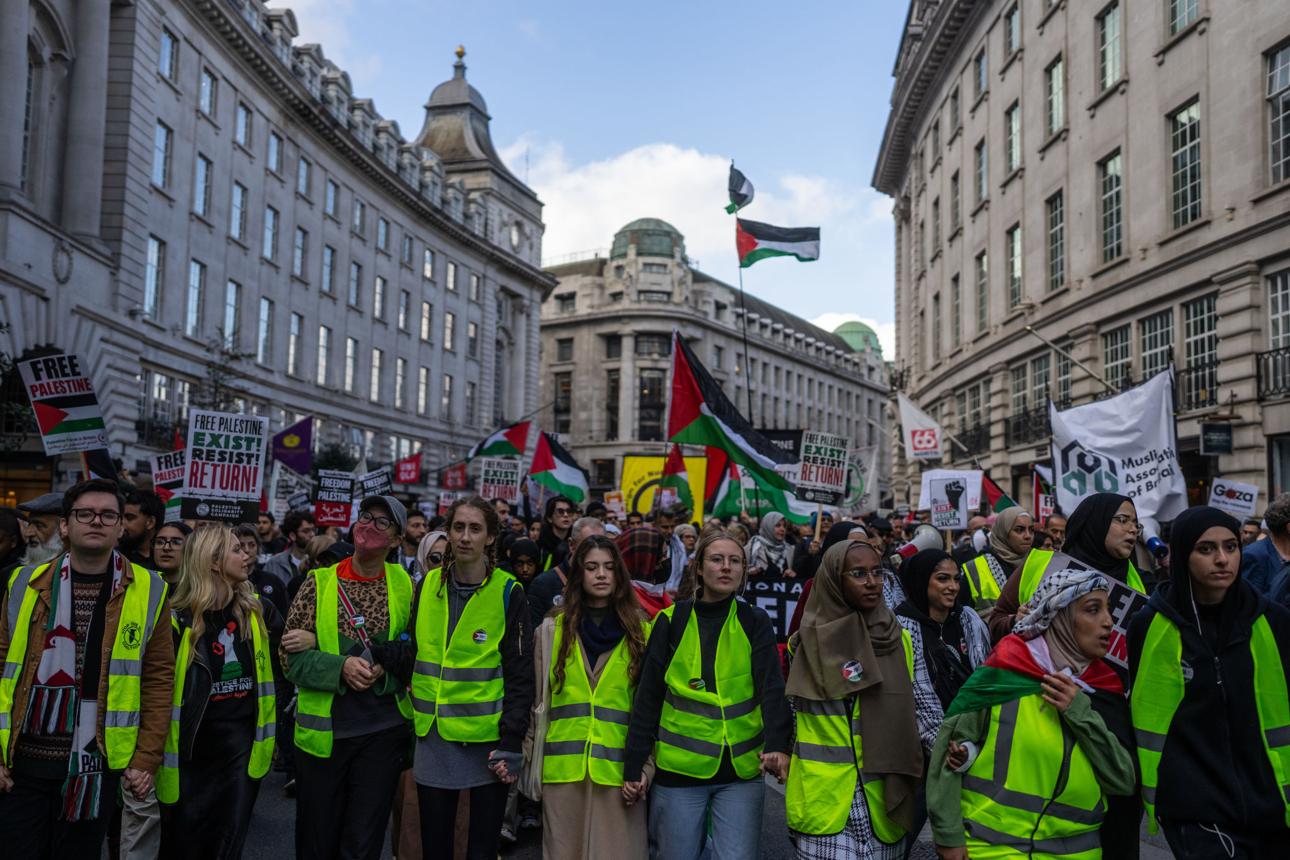
In recent years, protests across the UK have increased in scale and visibility. From political movements to international solidarity marches, public gatherings have become a central feature of civic engagement.
This surge has prompted renewed attention on UK protest laws, with authorities seeking ways to adapt to changing conditions.
Civil Liberties Debate Intensifies
The proposed measures have sparked strong reactions from civil rights organizations. Critics argue that expanding government powers could limit the right to peaceful assembly.
Advocates for civil liberties stress that UK protest laws must protect fundamental freedoms while addressing safety concerns.
“The right to protest is essential in a democratic society,”
said a legal expert.
“Any changes must be carefully measured and transparent.”
Legal Framework and Potential Changes
The UK currently operates under established legal guidelines for managing public demonstrations. These include requirements for permits, conditions on routes, and limits on disruption.
However, proposed updates to UK protest laws could introduce stricter controls, including the ability to restrict or ban certain protests under specific conditions.
Legal analysts suggest that such changes would likely face judicial scrutiny and potential challenges.
Impact on Law Enforcement
For police and security agencies, expanded powers could provide greater flexibility in managing large events. This may include enhanced authority to impose conditions or intervene when risks are identified.
However, implementing new UK protest laws would require clear guidelines to ensure consistency and fairness in enforcement.
Public Reaction and Political Landscape
Public opinion remains divided. Some citizens support stronger controls to prevent disruption, while others fear potential overreach.
Political debates have intensified, with opposition figures calling for careful consideration before any changes to UK protest laws are enacted.
International Attention and Comparisons
The UK’s approach is being closely observed by other countries facing similar challenges. Governments worldwide are grappling with how to regulate protests while maintaining democratic values.
The evolution of UK protest laws could influence global standards for managing public demonstrations.
History of UK Protest Laws
Evolution of Public Assembly Regulations
The development of UK protest laws reflects a long history of balancing order and freedom. Early regulations focused on maintaining public peace, while later reforms emphasized the protection of civil liberties.
Over time, laws have adapted to societal changes, including the rise of mass movements and digital coordination. The current debate represents the latest phase in this ongoing evolution.
Economic and Social Considerations
Large-scale protests can impact businesses, transportation, and public services. Supporters of stricter laws argue that these factors justify stronger controls.
Opponents counter that the economic impact should not outweigh the importance of democratic rights.
The discussion around UK protest laws highlights the complexity of these competing priorities.
Expert Analysis on Future Developments
Experts agree that the situation requires a balanced approach.
“Policymakers must carefully navigate competing interests,”
said a policy analyst.
“The goal is to ensure safety without undermining fundamental freedoms.”
This perspective underscores the importance of thoughtful policymaking.
What Happens Next
The government is expected to continue consultations and potentially introduce legislative proposals. Any changes to UK protest laws would likely undergo extensive debate in Parliament.
The outcome will shape the future of public demonstrations in the UK.
A Defining Policy Debate
UK protest laws are at a critical juncture as the government considers expanding its authority to regulate demonstrations. The debate reflects broader tensions between public safety and civil liberties.
Decisions made in 2026 could redefine how protests are managed, influencing both national policy and global discussions on democratic rights.