

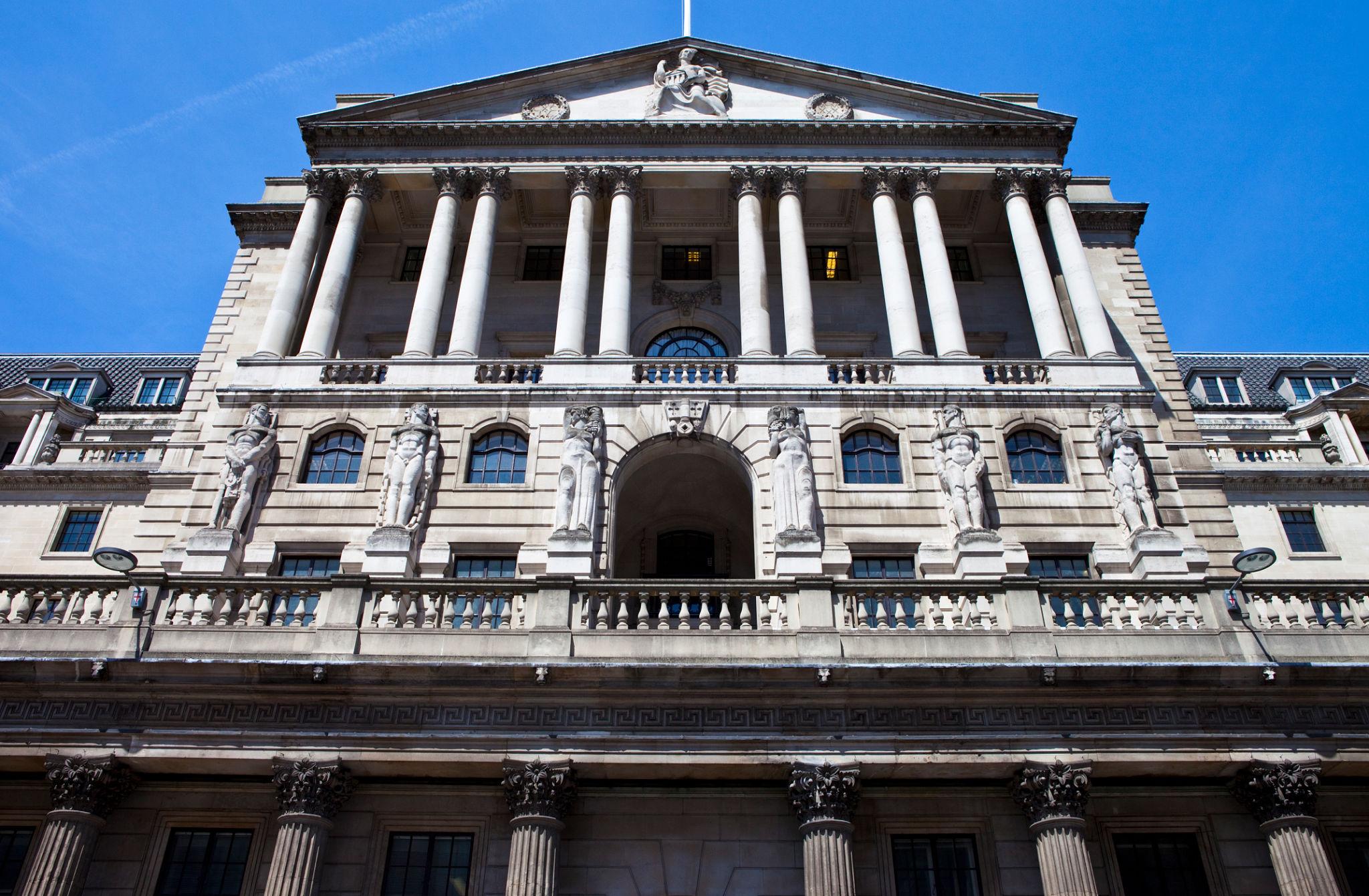
Britain is facing growing recession concerns as inflation and weak consumer confidence pressure the economy in 2026.
Financial analysts warn that slowing growth and rising borrowing costs could deepen economic uncertainty.
Markets are closely watching the Bank of England and government policy decisions for signs of recovery.
LONDON, United Kingdom (Politics Parliament Magazine) UK recession warning concerns are growing across Britain as investors, economists, and businesses react to slowing economic growth, rising borrowing costs, and persistent inflation pressures. Financial markets remain cautious as the country faces uncertainty surrounding consumer spending, public debt, and long-term economic stability.
Several economic indicators released this month suggest that Britain’s recovery remains fragile. Analysts say weak business investment, reduced household spending, and ongoing political uncertainty are increasing fears that the UK economy could enter a prolonged slowdown during the second half of 2026.
One senior economist stated,
“The British economy is under pressure from multiple directions, and confidence remains extremely fragile.”
UK Recession Warning 2026
Location: London, United Kingdom
Main Pressure: Inflation, weak growth, and rising borrowing costs
Market Concern: Investors fear higher debt costs may slow the economy
Household Impact: Families face pressure from food, rent, energy, and loan costs
Business Impact: Companies may delay hiring, expansion, and investment
Policy Focus: Bank of England interest-rate decisions
Outlook: Economic confidence remains fragile through 2026
Financial Markets React to UK Economic Weakness
The latest UK recession warning signals have placed pressure on financial markets in London as investors assess the country’s economic outlook. Government bond yields have remained elevated while businesses continue facing tighter lending conditions.
Analysts believe higher borrowing costs are reducing investment activity across multiple sectors. Companies are delaying expansion plans while households remain cautious about spending due to rising living costs.
The Bank of England continues facing difficult decisions regarding interest rates. Policymakers are attempting to control inflation without causing deeper economic weakness.
Financial strategists say markets remain highly sensitive to government fiscal policy announcements and inflation data releases.

Inflation and Borrowing Costs Continue to Pressure Households
British households continue facing elevated costs for housing, food, transportation, and energy. Economists warn that consumer demand may weaken further if inflation remains stubborn throughout 2026.
The ongoing UK recession warning environment has increased concerns about mortgage affordability and household debt levels. Many families are reducing discretionary spending as financing costs remain high.
A London-based market analyst explained,
“Consumers are becoming more defensive because uncertainty about the economy continues to rise.”
Retail businesses have also reported slower activity in several regions of Britain as shoppers focus more on essential purchases.
Bank of England Faces Growing Economic Challenges
The Bank of England remains central to Britain’s economic outlook. Policymakers must carefully balance inflation control with economic growth risks.
Several economists believe maintaining elevated interest rates for too long could increase recession risks. However, reducing rates too quickly could create renewed inflation concerns.
The current UK recession warning situation has therefore created uncertainty throughout financial markets and business sectors.
Investors continue watching inflation trends, employment data, and housing market performance for signs regarding future monetary policy direction.
Business Confidence Weakens Across Multiple Sectors
Business leaders across Britain have expressed concerns regarding slowing economic activity and rising operational costs. Manufacturing, retail, and property sectors are all reporting cautious outlooks for the remainder of 2026.
The latest UK recession warning discussions are also affecting hiring plans and corporate investment decisions. Some companies are slowing recruitment efforts due to uncertainty about future demand.
Higher financing costs continue placing pressure on small businesses dependent on loans and credit access.
Several economists warn that reduced investment activity could weaken long-term economic growth prospects if confidence does not improve.
Historical Perspective: Britain’s Previous Economic Downturns
Britain has faced multiple recession periods throughout modern economic history, including the financial crisis of 2008 and severe disruptions during the pandemic years.
Economic historians note that inflation shocks, high borrowing costs, and weak consumer confidence have often contributed to previous downturns.
The current UK recession warning concerns share similarities with past periods where financial uncertainty and slower investment weakened economic momentum.
Analysts say historical experience demonstrates the importance of maintaining investor confidence and stable economic policies during periods of uncertainty.
Housing Market Slowdown Raises Additional Concerns
The British housing market has also shown signs of slowing as mortgage costs remain elevated. Property analysts report reduced buyer activity in several major regions, including London and surrounding areas.
The ongoing UK recession warning environment has increased affordability challenges for first-time buyers and property investors.
Housing activity often plays an important role in Britain’s broader economic performance because property markets influence consumer confidence and spending behavior.
Some economists believe prolonged weakness in housing markets could further slow economic activity later in 2026.
Global Economic Risks Add Pressure to Britain
International economic uncertainty is also influencing Britain’s financial outlook. Energy market volatility, geopolitical tensions, and weaker global growth projections continue affecting investor sentiment worldwide.
The latest UK recession warning concerns are therefore being amplified by broader global market instability.
Currency fluctuations and international trade pressures are also contributing to economic uncertainty inside Britain.
Several global investment firms have warned that developed economies may continue facing slower growth conditions during the remainder of 2026.
Analysts Warn About Long-Term Economic Stability
Economic experts continue debating whether Britain can avoid a formal recession while maintaining inflation control measures.
The repeated UK recession warning signals from financial institutions and economists have increased pressure on policymakers to deliver stable economic strategies.
One economist stated,
“Confidence and stability are critical because uncertainty itself can weaken economic growth.”
Another market strategist added,
“Britain still has strong financial institutions, but restoring confidence will be essential moving forward.”

Britain Faces a Difficult Economic Path in 2026
Britain’s economy is entering a period of heightened uncertainty as inflation pressures, elevated borrowing costs, and slowing consumer activity continue affecting financial markets and households nationwide.
The growing UK recession warning concerns highlight the challenges facing policymakers attempting to balance inflation control with economic stability. Investors remain focused on interest rates, fiscal policy decisions, and future growth expectations.
While Britain retains strong financial institutions and global market importance, economists warn that confidence and policy consistency will play a major role in determining whether the country avoids a deeper economic slowdown during 2026.