

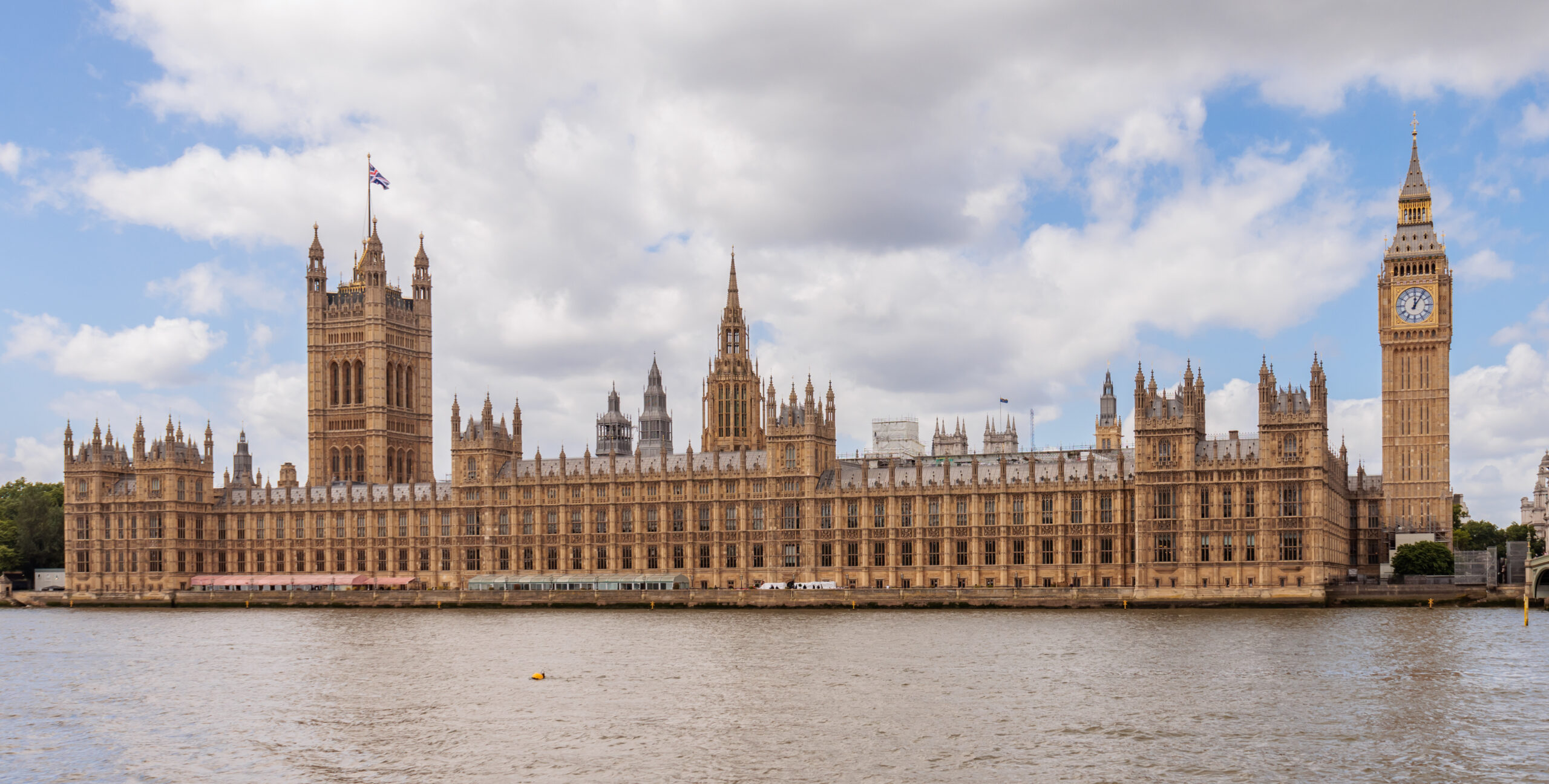
LONDON, February 16, 2026, According to Parliament News, that In London in 2026, UK security policy has moved to the center of political debate as government officials confront mounting global instability, rising defence expectations, and economic pressure at home. The direction of UK security policy is being reassessed amid changing geopolitical realities, with lawmakers signaling that long term strategy may require significant adjustments in funding, preparedness, and international engagement.
Senior ministers have emphasized that UK security policy must reflect both traditional military strength and emerging threats in cyber warfare, artificial intelligence, and hybrid conflict. The review underway this year is widely viewed as one of the most consequential in recent history.
Government Review Signals Strategic Realignment
The government has initiated a broad reassessment of UK security policy, examining defence capabilities, intelligence coordination, and alliance commitments. Officials describe the process as forward looking rather than reactive, designed to prepare Britain for challenges that may unfold over the next decade.
Policy analysts note that UK security policy has historically balanced fiscal caution with global leadership. In 2026, however, external pressures including instability in Eastern Europe, tensions in the Indo Pacific, and cyber threats targeting critical infrastructure have prompted renewed urgency.
Cabinet discussions have reportedly centered on ensuring that military modernization keeps pace with technological change. While details remain under review, policymakers stress that national resilience must remain a priority.
Defence Spending and Fiscal Considerations
One of the central questions surrounding UK security policy is how to finance expanded commitments without destabilizing the broader economy. Defence spending already represents a significant portion of government expenditure. Any acceleration in funding would require careful budgetary planning.
Economists argue that investment in defence manufacturing, shipbuilding, aerospace engineering, and cybersecurity could stimulate domestic industry. At the same time, critics warn that excessive borrowing or reallocating funds from social services may create political backlash.
Balancing fiscal responsibility with strategic necessity is a defining challenge for leaders shaping UK security policy in 2026.
NATO Commitments and International Partnerships
Britain remains a key member of NATO, and alliance expectations weigh heavily on UK security policy decisions. European allies have been urged to strengthen collective defence frameworks in response to shifting global threats.
If adjustments are made this year, analysts believe UK security policy could reinforce Britain’s role as a cornerstone of transatlantic security cooperation. Enhanced coordination with European partners, intelligence sharing agreements, and joint military exercises are expected to remain priorities.
At the same time, global partnerships beyond Europe are increasingly important. Indo Pacific engagement, maritime security operations, and cyber collaboration reflect the expanding scope of Britain’s strategic outlook.

Modern Warfare and Technological Evolution
Security experts emphasize that modern threats extend beyond conventional battlefields. Cyberattacks on energy grids, misinformation campaigns, and drone technology represent new dimensions of conflict.
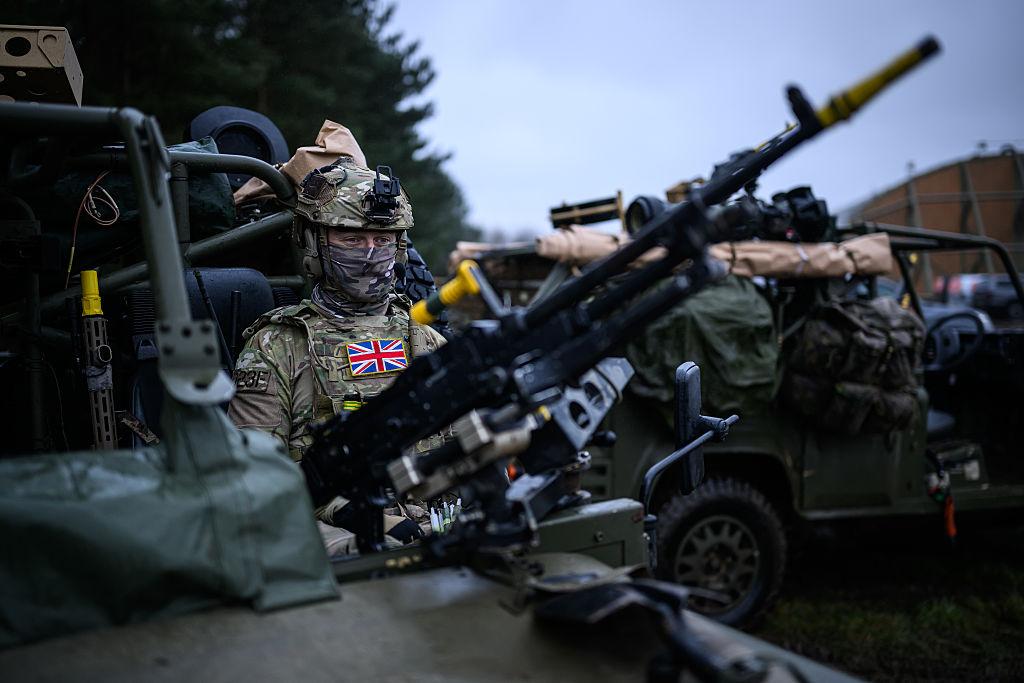
As part of the ongoing review, UK security policy is expected to prioritize digital defence capabilities, satellite resilience, and advanced surveillance systems. Military modernization programs are being evaluated to ensure that Britain maintains operational readiness.
The integration of artificial intelligence into defence planning is also under examination. Analysts suggest that future readiness will depend not only on troop numbers but on technological superiority and rapid response capabilities.
Political Debate in Parliament
Debate over UK security policy has intensified within Parliament, reflecting both bipartisan support for national defence and disagreement over spending priorities. Some lawmakers advocate accelerated investment, arguing that proactive funding prevents larger crises later.
Others urge caution, emphasizing that domestic challenges including healthcare and infrastructure must not be overshadowed. Public trust, transparency, and oversight remain critical components of the discussion.
One senior official stated,
“Our responsibility is to protect the nation today while preparing for the risks of tomorrow.”
The remark underscores the gravity of decisions currently under consideration.
Economic Ripple Effects Across the UK
Beyond military considerations, UK security policy carries economic implications. Defence contracts support thousands of jobs in regions with shipyards, manufacturing plants, and aerospace facilities. Increased procurement can strengthen supply chains and encourage innovation.
However, sustained increases in defence spending require stable revenue streams. Financial markets monitor such policy shifts closely, assessing their impact on public debt and long term growth projections.
Regional economies that rely on defence industries may benefit from expanded programs, while policymakers must ensure equitable distribution of resources nationwide.
Public Sentiment and National Identity
Public opinion surveys reveal mixed reactions to potential changes in UK security policy. Many citizens support robust national defence in an era of uncertainty. Others question whether escalating commitments could entangle Britain in prolonged international disputes.
National identity plays a role in the conversation. Britain’s historic role as a global power influences expectations about leadership and responsibility. At the same time, contemporary voters often prioritize domestic prosperity and social stability.
Clear communication from government leaders will likely shape how UK security policy is perceived in the months ahead.
Intelligence and Counterterrorism Priorities
Intelligence agencies remain central to UK security policy. Counterterrorism efforts, border security, and cybersecurity operations require coordinated resources and continuous adaptation.
Officials have emphasized strengthening intelligence sharing frameworks with allies to address cross border threats. Protecting critical infrastructure, financial institutions, and public services from cyber intrusion remains a key objective.
Strategic reviews often examine how intelligence agencies can operate more efficiently while maintaining civil liberties and legal oversight.
Global Context and Strategic Positioning
The global environment in 2026 is marked by uncertainty. Trade disruptions, regional conflicts, and technological rivalry contribute to strategic recalibration worldwide.
UK security policy is shaped not only by immediate threats but by long term positioning. Maintaining diplomatic channels, supporting international law, and reinforcing alliances remain pillars of Britain’s approach.
Observers suggest that Britain’s credibility as a security partner depends on both capability and consistency. Any policy shift must align with broader diplomatic goals.
Implementation Challenges Ahead
Even if reforms are approved, implementing adjustments within UK security policy requires administrative precision. Procurement timelines, recruitment strategies, and training programs must align with updated objectives.
Oversight mechanisms are essential to prevent inefficiency. Defence contracts often involve complex negotiations and multi year planning cycles. Transparent reporting can enhance accountability and public confidence.
Policymakers face the task of translating strategic vision into measurable outcomes without creating operational bottlenecks.
A Defining Moment for Britain’s Strategic Future
As 2026 unfolds in London, the trajectory of UK security policy may define Britain’s global posture for years to come. Leaders must weigh fiscal realities, alliance commitments, technological change, and public sentiment.
The current review reflects a recognition that security landscapes evolve rapidly. Decisions made this year will influence defence readiness, economic resilience, and diplomatic influence across the next decade.
The debate surrounding UK security policy underscores a broader question about Britain’s role in an increasingly complex world.
Beyond Strategy: The Human Dimension of National Security
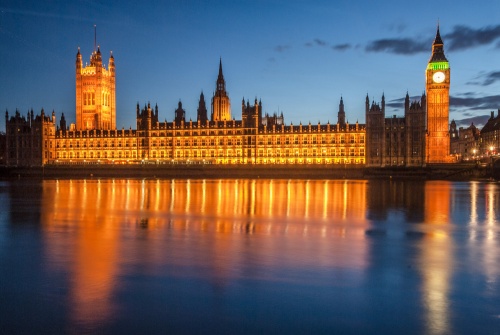
Ultimately, UK security policy is not only about budgets and military hardware but about safeguarding communities, protecting democratic institutions, and ensuring stability for future generations. Soldiers, intelligence officers, engineers, and policymakers all contribute to a framework designed to deter conflict and preserve peace.
As London navigates these pivotal discussions in 2026, the choices made will shape not just national defence but the broader social contract between government and citizens. The human dimension of security, trust, preparedness, and resilience may prove to be the most enduring measure of success.