

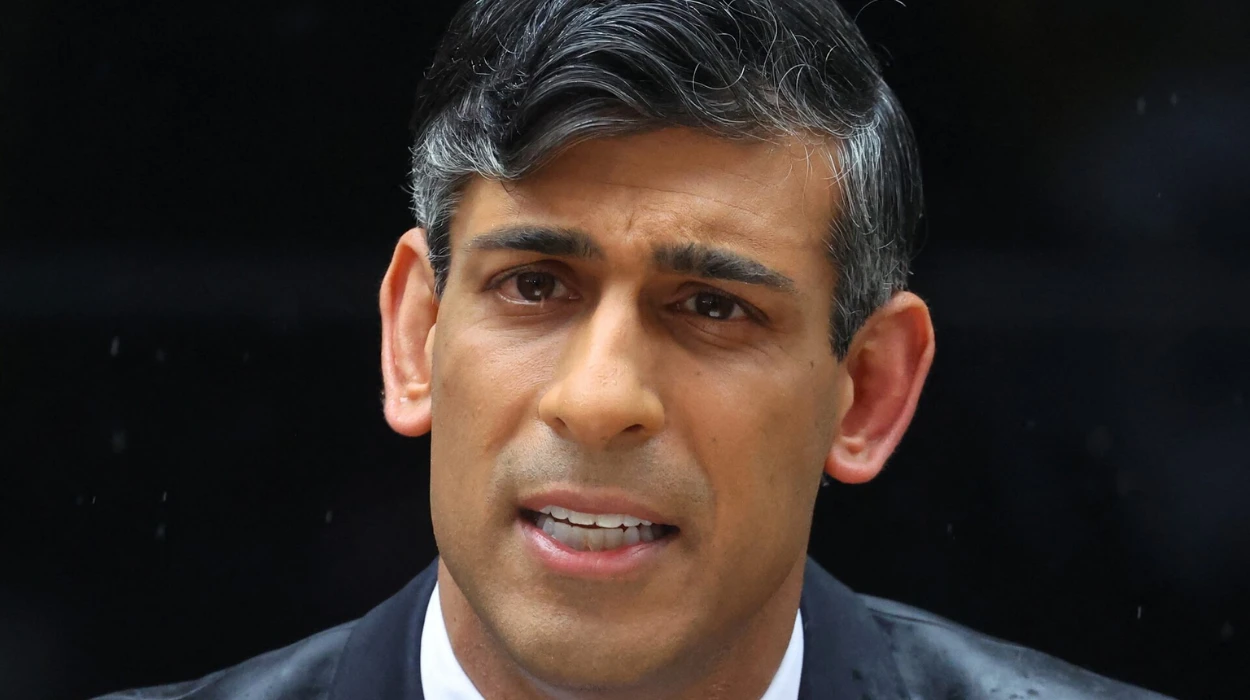
Snap elections in the UK are frequently a news story. They can literally change the political environment quickly. Most people ask if the prime minister can call one at any time. This guidance describes how the UK snap elections are done, the surrounding rules, and what the Prime Minister can do.
What Is a Snap Election?
A snap election is an early election called prior to the normal cycle. By Britain’s constitutional convention, general elections should happen every five years. But events in British politics disrupt the normal cycle. A snap election is called when a government needs to draw support from the public because it has lost public confidence or is aiming to get a stronger mandate from the public.
A snap election is different from a ‘normal’ election. A snap election is unexpected and creates some tension in the political atmosphere, which captures attention. Snap elections can change policies and government objectives more than anything and can have a direct effect on the economy.
Is a prime minister able to call a snap election?
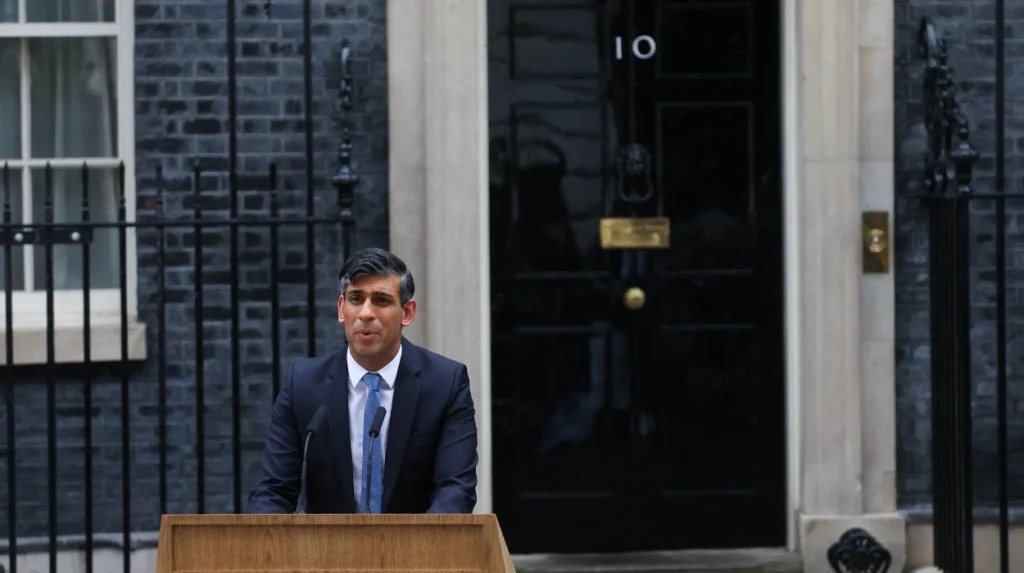
In the UK, a prime minister has the power to call a snap election. This power is limited in scope. The rules regulating this were modernized through legislation called the Fixed-term Parliaments Act 2011, and more traditional and constitutional powers existed in the role of prime minister until the recent modifications. Prior to the 2011 Act, prime ministers were able to ask the monarch to dissolve Parliament almost at will (referred to as concurrent powers).
The 2011 act limited this power. This act specified that elections could only occur in two scenarios:
1. If a 2/3 majority of the House of Commons votes for an early election.
2. If the government loses a confidence vote and no alternative government is formed contrary to the vote of confidence in 14 days.
With the Dissolution and Calling of Parliament Act 2022, much of the Fixed-term Parliament Act was repealed and gave flexibility back to the Prime Minister to apply for a snap election.
How is a snap election called?
The process of calling a snap election involves various steps. First, the Prime Minister is required to approach the monarch for approval formally, as the monarch acts according to the advice of the Prime Minister.
The government establishes the election timetable. A snap election could occur within weeks or within months, depending on the situation when a prime minister could nominate a date. Political parties can prepare their materials and campaigns, candidates would be selected, and voters would be notified of the upcoming elections.
Reasons Why a Snap Election May Be Called
There are several reasons a Prime Minister may call a snap election:
- To Secure a Stronger Majority: If the government has a majority, the Prime Minister wants to pursue a better mandate, such as a bigger majority in Parliament, in order to be able to pass legislation more easily.
- Political Stalemate: If Parliament is stuck, not able to make decisions, that stalemate can be broken by using a snap election as an opportunity for citizens to get a decisive choice for the direction of the country.
- Popular Support: It is not uncommon for governments to call for an early election when they believe they are popular. If a prime minister thinks that they can achieve a larger majority on the back of positive ratings, a snap election is a rational move.
- National emergency or urgent issues: A snap election could also be necessary in the context of a national emergency or sudden political developments to help provide a clearer government mandate.
Legal Requirements for Snap Elections
The Prime Minister has many powers; there are legal obligations to respect:
The election must formally be called by the monarch on the advice of the prime minister.
Parliament must be dissolved before the opportunity for parties and candidates to campaign.
There is a minimum campaign period to allow voters to become prepared for the election.
The rules are designed to keep elections fair and transparent.
Examples of Snap Elections in the UK
The UK has seen a number of significant and important snap elections in recent times.
- The 2017 General Election: Theresa called a snap election to strengthen her bargaining position in Brexit negotiations but ultimately lost seats.
- The 2019 General Election: Boris Johnson called a snap election to break the deadlock in Brexit and emerged with a large majority, allowing him to complete Brexit.
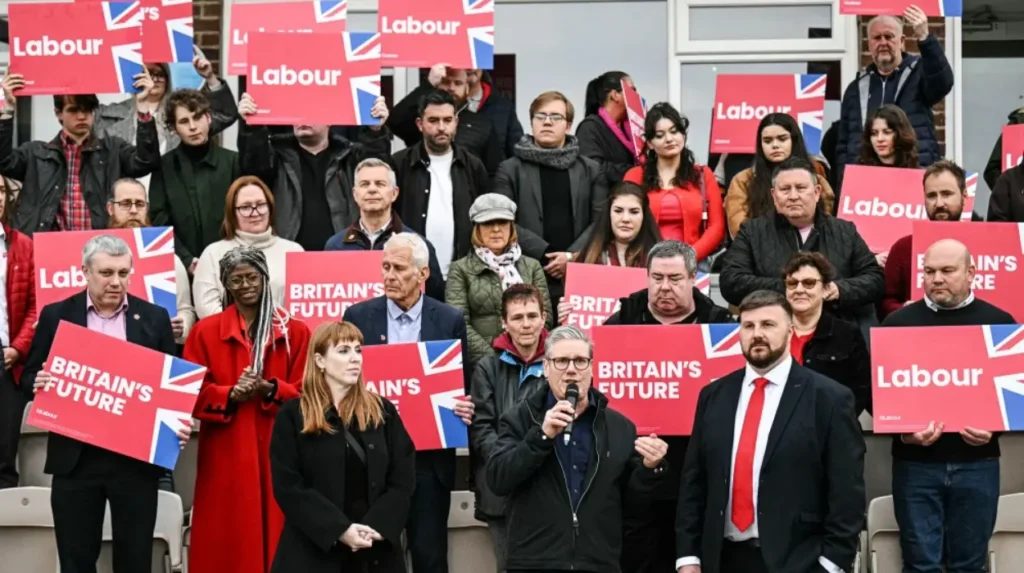
These examples demonstrate that snap elections can be an effective tool, but they do pose risks to the ruling party.
How Voters Can Prepare for a Snap Election
Voters should try to follow the political news to be aware of any potential snap elections. Snap elections can happen quickly, and it is important that you are prepared. Here are some suggestions:
- Check your voter registration to be sure you are eligible.
- Be informed of party policies and the positions of candidates.
- Understand the important issues that may impact your vote.
- If you do take the time to be prepared, it allows citizens to vote on their merits on all issues (even if a snap election is a fast-paced election).
Impact of Snap Elections on Politics
Snap elections can significantly alter the political landscape. They can change the balance of power in Parliament and drive government decisions and policies. Smaller parties may acquire additional seats, or larger parties may advance their standing.
Snap elections also influence political strategy. Political parties must rapidly prepare manifestos, hold rallies, and push out the message to affiliates, members, and supporters. Media coverage becomes extensive, and voters opinions can change quickly during a snap election campaign.
