Ukraine conflict victims continue to rise in 2026 as renewed fighting impacts civilian communities across multiple regions.
Officials in Kyiv report mounting casualties, displacement, and infrastructure damage amid ongoing hostilities.
International agencies call for stronger civilian protections as humanitarian pressures intensify.
Kyiv, Ukraine, February 20, 2026 — According to Parliament News, that Ukraine conflict victims continue to increase in 2026 as the war enters another year marked by persistent hostilities, infrastructure damage, and humanitarian strain. Updated assessments from international monitoring agencies indicate that Ukraine conflict victims include thousands of civilians killed and many more injured since the escalation of fighting in 2022. The situation remains fluid, with active combat zones limiting full access to some affected regions.
Authorities in Kyiv report that urban centers and smaller frontline communities alike have experienced repeated disruptions. Residential neighborhoods, schools, and energy facilities have suffered significant damage. As a result, Ukraine conflict victims represent not only confirmed fatalities but also individuals coping with physical injuries, displacement, and psychological trauma.
International observers stress that the true scale may be higher than verified numbers suggest, given ongoing security constraints and restricted entry to certain territories. Despite these challenges, humanitarian groups continue to gather documentation and provide support to affected populations.
Updated Civilian Casualty Figures
Independent monitors confirm that Ukraine conflict victims have risen steadily over the past year. Verified figures rely on eyewitness accounts, medical documentation, satellite imagery, and forensic review. Each confirmed case undergoes rigorous validation to ensure accuracy and transparency.
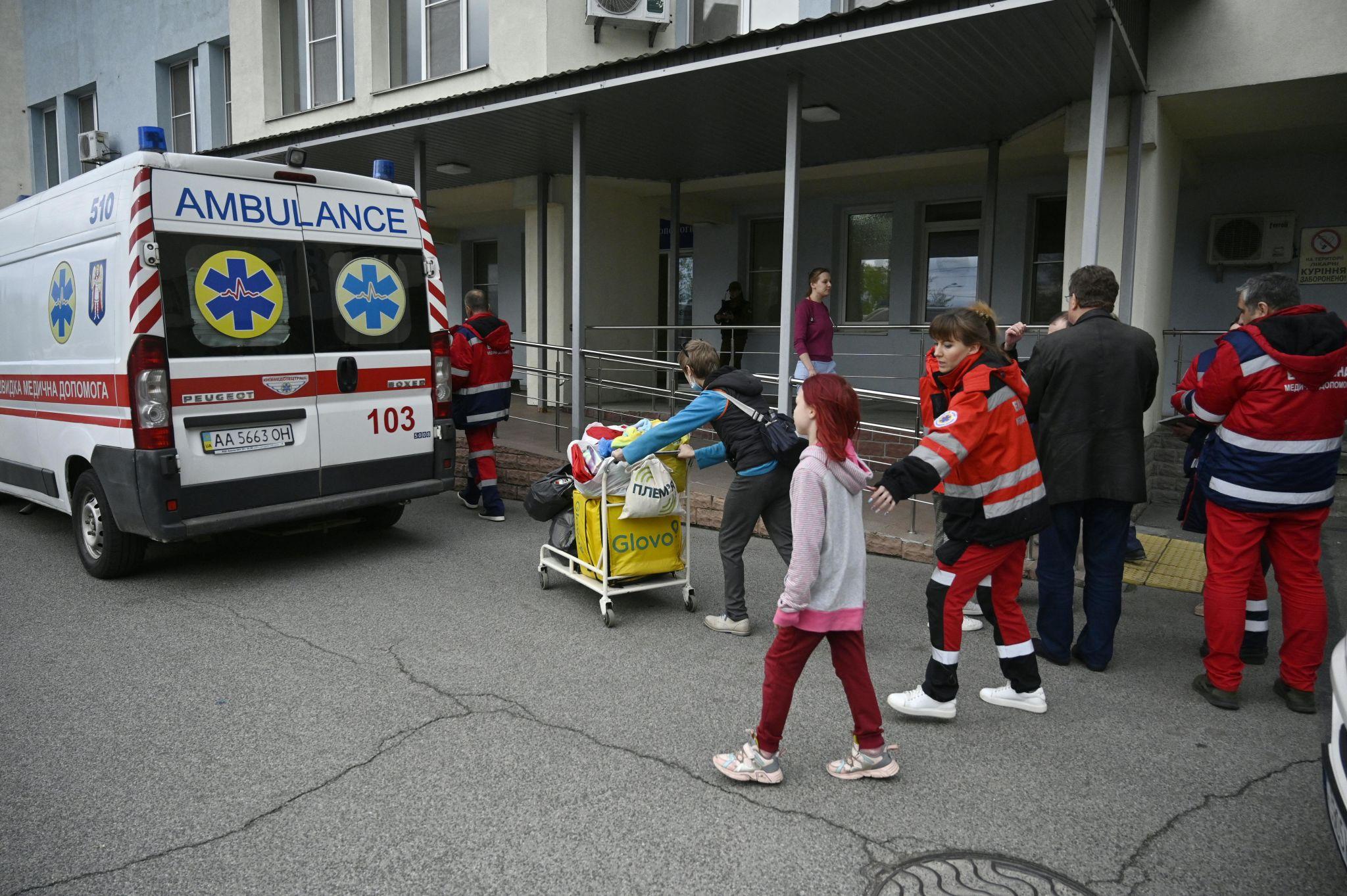
Civilians living near strategic infrastructure often face heightened exposure. Missile strikes and artillery fire have struck residential blocks in multiple regions, contributing to the expanding list of Ukraine conflict victims. Emergency responders in Kyiv and surrounding districts describe ongoing search and rescue efforts after overnight incidents.
Officials emphasize that documentation serves not only statistical purposes but also future accountability efforts. Transparent reporting ensures that Ukraine conflict victims are recognized individually rather than reduced to abstract totals.
Displacement Across Regions
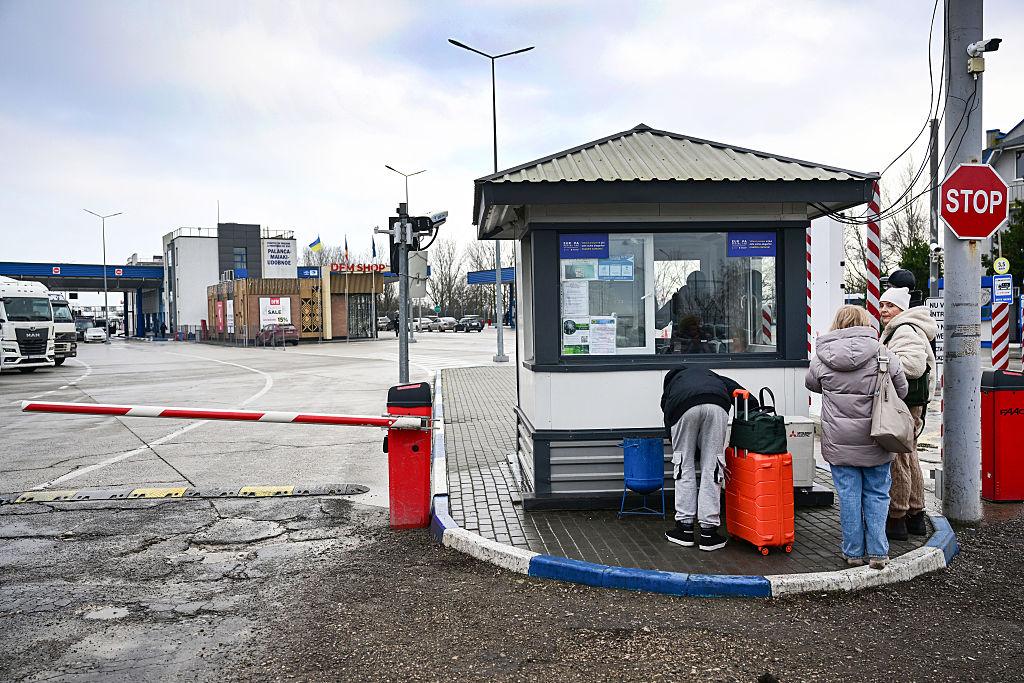
Mass displacement remains one of the most significant consequences of the war. Millions of residents have relocated internally or crossed borders seeking safety. Women and children constitute the majority of those displaced.
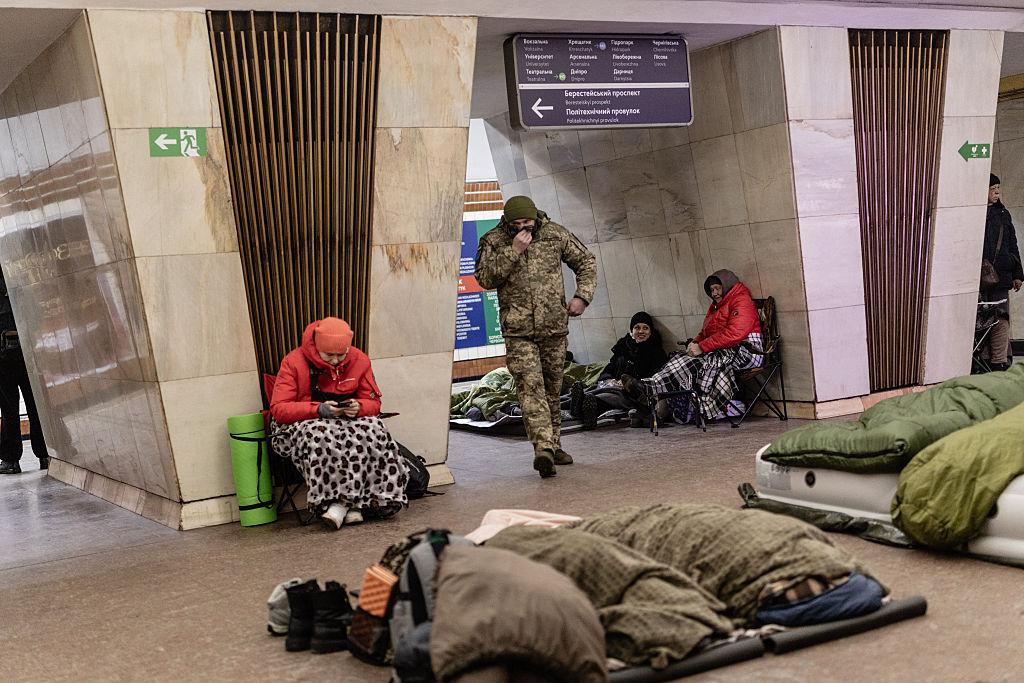
Aid agencies report that Ukraine conflict victims include displaced families who have lost homes, employment, and access to stable education. Temporary shelters in central and western regions operate near capacity during colder months. Food distribution centers, counseling services, and healthcare clinics continue to function with international assistance.
While some communities have initiated rebuilding projects, uncertainty persists. The steady rise in Ukraine conflict victims reflects the prolonged nature of the crisis rather than a short term surge.
Infrastructure and Civilian Exposure
Urban infrastructure remains vulnerable to damage. Electrical grids, water systems, and transportation hubs have faced repeated disruption. Power outages and heating shortages during winter increase risks for elderly residents and children.
Ukraine conflict victims frequently emerge from densely populated neighborhoods where protective shelters may be limited. Emergency crews operate under difficult conditions to restore utilities and secure damaged structures.
Analysts note that rebuilding infrastructure will require sustained funding and coordination long after active fighting subsides. Until then, civilian exposure remains a persistent concern.
Healthcare System Under Pressure
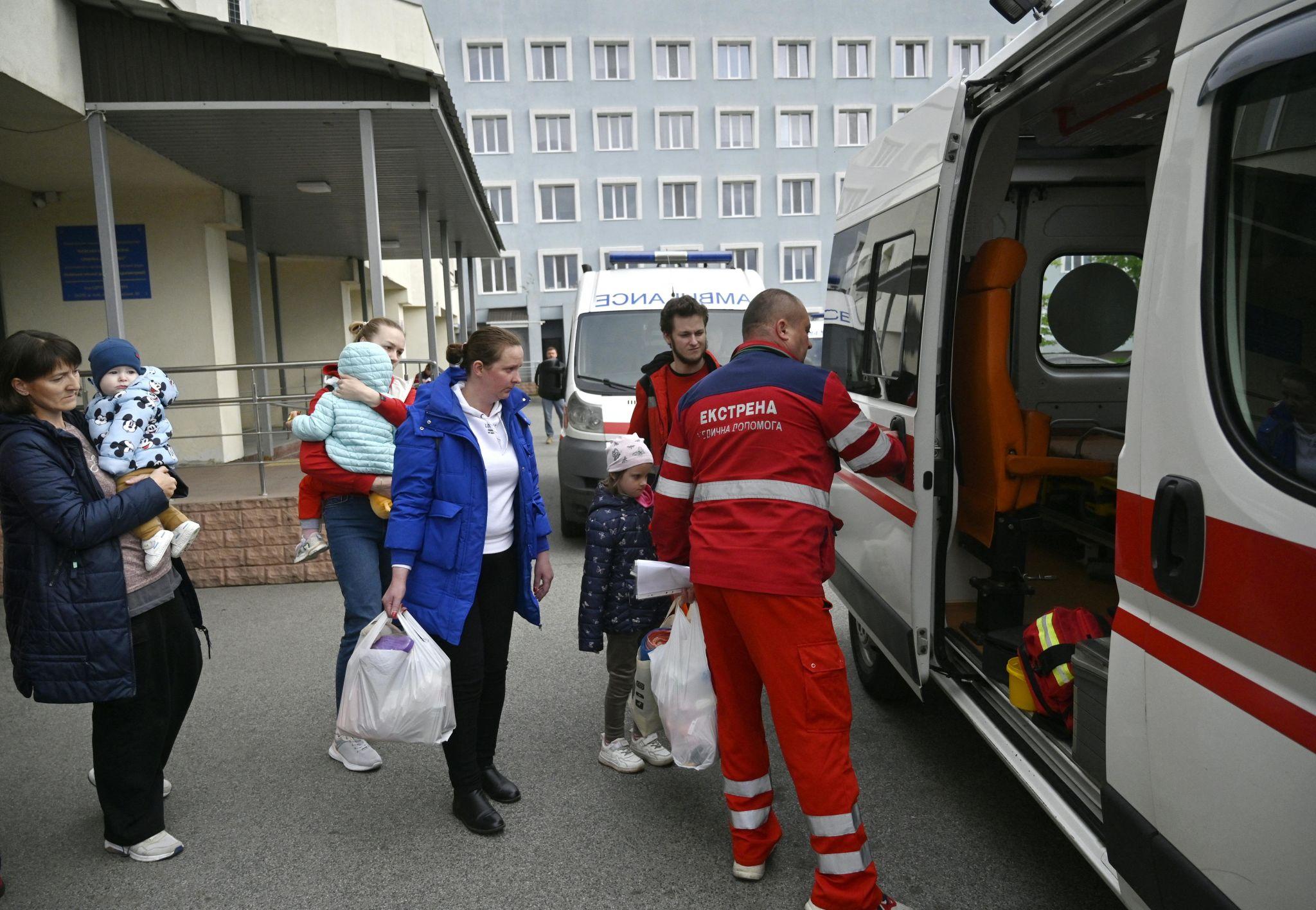
Medical facilities across the country have treated thousands of injured civilians. Hospitals in heavily affected areas operate under significant strain. Staff shortages and limited equipment challenge long term recovery efforts.
Ukraine conflict victims often require complex trauma care and rehabilitation services. Mental health professionals highlight increasing rates of post traumatic stress symptoms among survivors, particularly children who have experienced repeated displacement.
International partnerships provide medical supplies and technical support. Despite these efforts, the healthcare system continues to face resource gaps.
International Response and Diplomatic Efforts
Global governments and organizations continue to monitor developments closely. Diplomatic channels remain active, though progress toward a durable ceasefire has been limited.
Documentation of Ukraine conflict victims plays a central role in international discussions about accountability and humanitarian law. Legal experts stress the importance of preserving evidence for potential future investigations.
A senior UN representative stated,
“Every civilian life lost underscores the urgent need for sustained protection measures and renewed diplomatic engagement.”
The comment reflects widespread concern about the continuing humanitarian toll.
Economic Consequences and Recovery Challenges
Beyond immediate casualties, Ukraine conflict victims symbolize broader economic disruption. Industrial production has been interrupted in several regions, affecting local employment and national output.
Small businesses that once anchored community economies have struggled to reopen. Agricultural operations in contested areas face logistical challenges, reducing export potential and domestic supply.
Reconstruction plans focus on restoring transportation corridors, rebuilding schools, and modernizing energy systems. However, experts caution that recovery requires stability and long term investment.
Education and Social Impact
Educational institutions have experienced closures and transitions to remote learning. Students displaced from their hometowns must adapt to new schools and environments.
Ukraine conflict victims include families navigating interrupted academic pathways. Teachers report emotional strain among children coping with uncertainty and loss.
Community programs aim to provide structured activities and counseling services to support youth development despite ongoing instability.
Historic Comparison
The trajectory of Ukraine conflict victims in 2026 can be compared with earlier periods of regional conflict in Eastern Europe. During previous crises in the late twentieth century, civilian casualties were often concentrated in specific geographic zones and shorter time frames.
In contrast, the current conflict has extended across multiple years and regions, creating sustained humanitarian pressure. Advances in documentation technology now allow more comprehensive tracking of casualties compared to earlier eras.
This historic comparison highlights how prolonged warfare can compound social and economic damage over time. The scale and duration of Ukraine conflict victims distinguish this crisis from shorter regional confrontations of past decades.
Regional Security Implications
The humanitarian situation influences regional security dynamics. Neighboring states monitor refugee flows and energy disruptions closely. International alliances continue to assess geopolitical risks associated with prolonged instability.
Ukraine conflict victims also shape diplomatic discourse within global institutions. Humanitarian concerns remain central to negotiations addressing broader security arrangements.
Security analysts emphasize that reducing civilian harm is critical to stabilizing the wider region.
Civil Society and Community Resilience
Despite adversity, local communities demonstrate resilience. Volunteer networks distribute food, repair damaged homes, and organize transportation for evacuations.
Ukraine conflict victims are supported by grassroots initiatives that provide clothing, shelter, and emotional support. Memorial gatherings in Kyiv and other cities honor those lost and reinforce solidarity.
Community leaders emphasize cooperation and long term recovery planning as essential components of rebuilding.
Information Transparency and Media Role
Accurate reporting remains vital for maintaining international awareness. Journalists and independent observers continue documenting developments under challenging conditions.
Public access to verified data ensures that Ukraine conflict victims are recognized globally. Transparency also supports humanitarian coordination and funding allocation.
Media coverage influences diplomatic engagement and public opinion abroad, shaping the international response to ongoing events.
Outlook for the Remainder of 2026
As 2026 progresses, uncertainty persists. Reconstruction initiatives continue in relatively stable areas, while active fighting remains in certain regions.
Officials stress that preventing further Ukraine conflict victims depends on adherence to humanitarian law and renewed diplomatic efforts. Long term peace remains the ultimate objective, though timelines remain unclear.
Humanitarian agencies prepare contingency plans for potential escalation scenarios, ensuring readiness to respond rapidly.
The Human Dimension Behind the Statistics
Behind each verified case are personal stories of families disrupted by sudden violence. Parents describe hurried evacuations during air raid alerts. Children adapt to new schools in unfamiliar cities.
Ukraine conflict victims are individuals whose daily routines were transformed overnight. Their experiences illustrate the profound cost of prolonged instability.
Local support groups emphasize remembrance and resilience, seeking to balance mourning with hope for eventual recovery.
A Nation at a Crossroads
The cumulative impact of Ukraine conflict victims in 2026 underscores a pivotal moment in the country’s history. Rebuilding efforts coexist with ongoing uncertainty, creating a complex path forward.
National leaders continue coordinating with international partners to address humanitarian needs and infrastructure reconstruction. Civil society organizations advocate for sustained global attention.
The coming months will shape the trajectory of recovery and stability. While challenges remain substantial, efforts to reduce further harm continue at local, national, and international levels.