

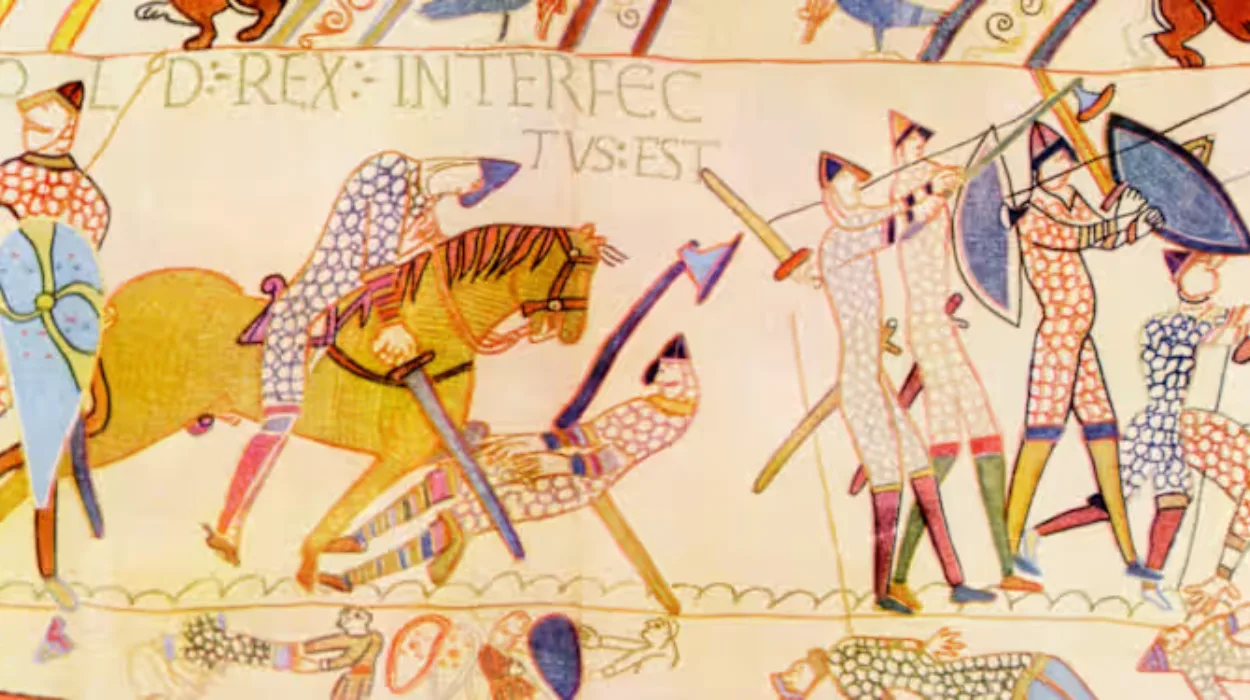
When people visualize the Norman Conquest, they are typically thinking about 1066 and the Battle of Hastings in England. The Normans, under William the Conqueror, altered English history and identity. One question that often arises is, was Wales part of the Norman Conquest?
To answer this, we must investigate the developments in Wales circa 1066, and for the most part, it is not as simple as it was in England. The Norman Conquest in Wales is a combination of resistance, gradual advances, and changing control.
The Norman Conquest of England
Before we begin asking if Wales was part of the Norman Conquest, it is beneficial to remember what the conquest entailed. In 1066, William of Normandy defeated King Harold II at Hastings, became king of England, and began a new era of governance.
The Normans brought castles to protect their hold, new laws, and a feudal system. In England, it only took a matter of a few years before England was brought under Norman control and moved forward into Norman existence. Wales was a different issue.
Wales Before the Normans
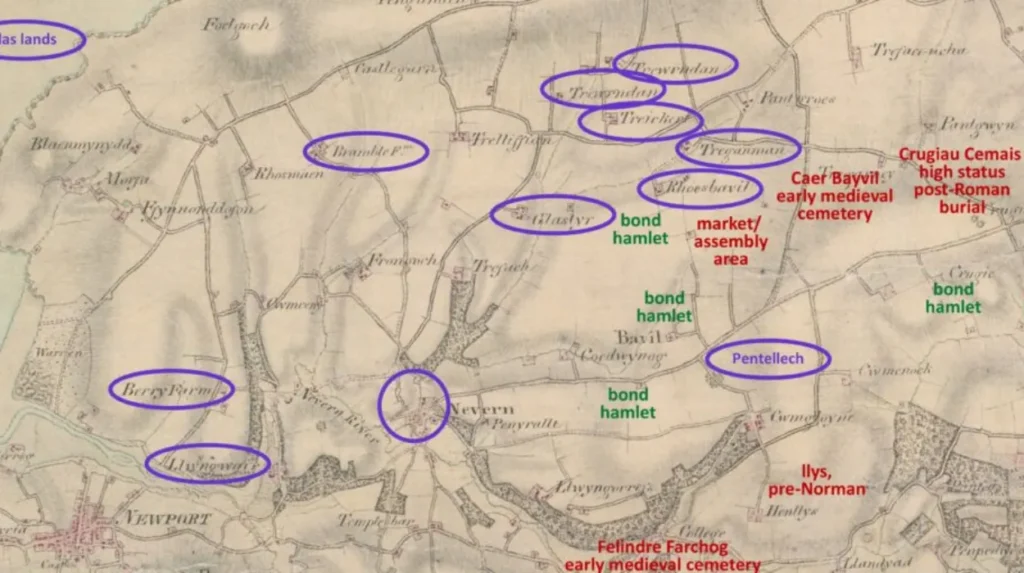
To truly answer the question, was Wales part of the Norman Conquest? It is helpful to analyze the situation in Wales prior to the Norman encroachments. Wales in the 11th century did not have the same political unity we see today. In fact, Wales in the 11th century was a group of small kingdoms, including Gwynedd, Powys, and Deheubarth.
Local rulers fought regularly amongst themselves, which made it more difficult for anyone outside of Wales to control the people of Wales. England fell under one dominant king. Wales was divided into many mixed kingdoms and principalities, ruled by similar “princes” that together maintained some independence from control from a king.
First Norman Contact with Wales
After 1066, Norman lords, who had captured land that once belonged to the Anglo-Saxons, started to circle westward to conquer land in Wales. This did not mean that these new lands were immediately a part of the Norman Conquest; rather, it displayed how slow the progress was. The lords, and especially the Marcher Lords, became increasingly powerful and began building castles in claimed territories along the border.
These castles established the Normans’ presence along the border, and the sites became centers for their expansion into Wales. While it could be argued that Wales was also part of the Norman Conquest, it was no conquest in 1066 like England, but it was becoming part of the process of Norman expansion.
Marcher Lords and the Borderlands
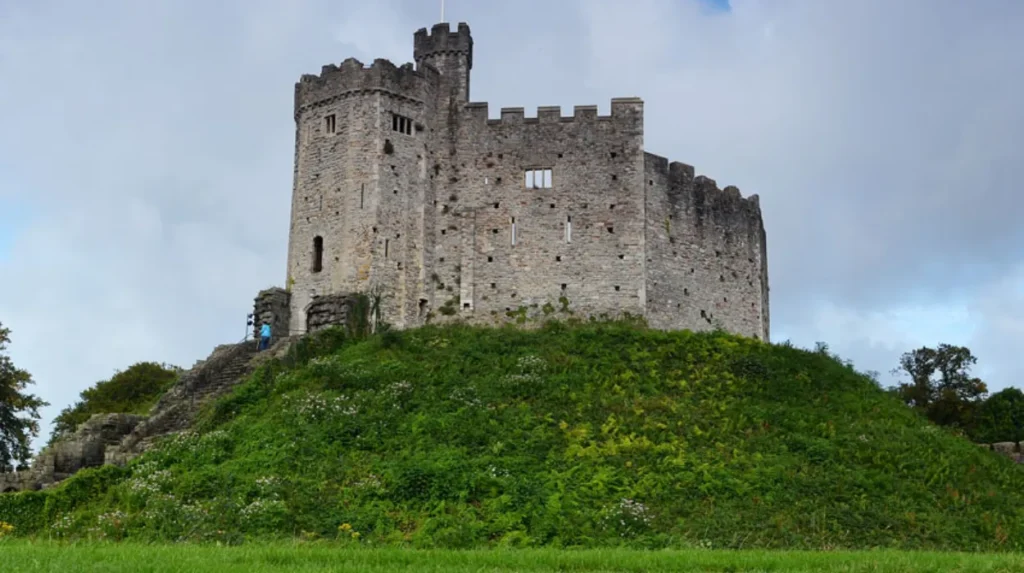
A key part of this history was the role of the numerous Marcher Lords. The status of these lords differed from other Norman lords, as they had special privileges near the Welsh border. They had political independence, and they were free to collect taxes, to build castles, and to wage war on Welsh princes.
The strength of the Marcher lords that developed rapidly had increased at the bottom because of its proximity across the borderlands. Wales was also part of the Norman conquest, but not on the same scale as what had happened in England.
Resistance from the Welsh Princes
If we want to ask again if Wales was part of the Norman Conquest, we must also take Welsh resistance into account. The princes of Wales did not concede their lands easily. Leaders like Gruffudd ap Cynan in Gwynedd and Rhys ap Tewdwr in Deheubarth fought the Normans. Some of the time they lost territory, and at other times they pushed the Normans back.
The Welsh and the Normans fought back and forth over the decades. Unlike England, which was conquered in brief periods, there remain territories of Wales that were independent.
Castles and Norman Strength
The introduction of castles is one measure of attempted Norman power consolidation in Wales. Stone castles appeared thickly across the borderlands. These stone castles were as much about power as they were about military installations.
From these castles, Norman lords attempted to exert power over the Welsh land they presided over, and the Norman lords built castles; they never dominated all of Wales. This will help us answer the question: Was Wales part of the Norman Conquest? Certainly the Normans influenced Wales significantly, yet the conquest was never complete in the same way as England.
Gradual Expansion into Wales
In the time of the late 11th century and the early 12th century, there was more Norman power in certain regions of Wales than there had been in the past. There were areas of Wales that would be under Norman control. Towns like Pembroke and Cardiff were strengthened by the Normans.
Many areas remained under the rule of Welsh princes. This patchy situation indicates that Wales was partly lost to the Norman Conquest but never completely conquered in the fashion that took place in 1066.
Why Wales Was Different from England
Was Wales absorbed into the Norman Conquest like England? The answer is no. England was a straightforward kingdom, so once William defeated Harold, it spread like wildfire. Wales, in contrast, was not only geographically divided (mountainous) but also culturally split and possessed a strong tradition of local leadership. Both geography and politics meant that the Normans were never going to take Wales in one sweep.
The Long Battle for Control
The battle between the Normans and Welsh went on for over a century in a mix of successes and failures. At times the Normans took more control; at times, Welsh leaders took what the Normans had nuanced. This long process showed that Wales was influenced by the Norman Conquest but never fully declared. It is the same way as England did. This makes the history of Wales unique during the Norman period.
Was Wales Finally Conquered?
Edward led full campaigns into Wales and built huge castles, like Caernarfon and Conwy, to bring Wales fully under English rule. This illustrates the fact that Wales was largely outside Norman control during the Norman Conquest of 1066.
Was Wales part of the Norman Conquest? The best answer is that Wales was not conquered in 1066, like England. Norman power gradually spread across Wales through the Marcher Lords, castles, and conflict with Welsh princes. Wales remained partly independent for centuries; the full English conquest was able to occur only.
The Norman Conquest changed England, but it is complicated in Wales. Wales was touched by Norman influence, but it was never fully consumed during William’s time. The combination of a story of resistance and gradual change makes the Welsh experience of the Norman Conquest different.
