

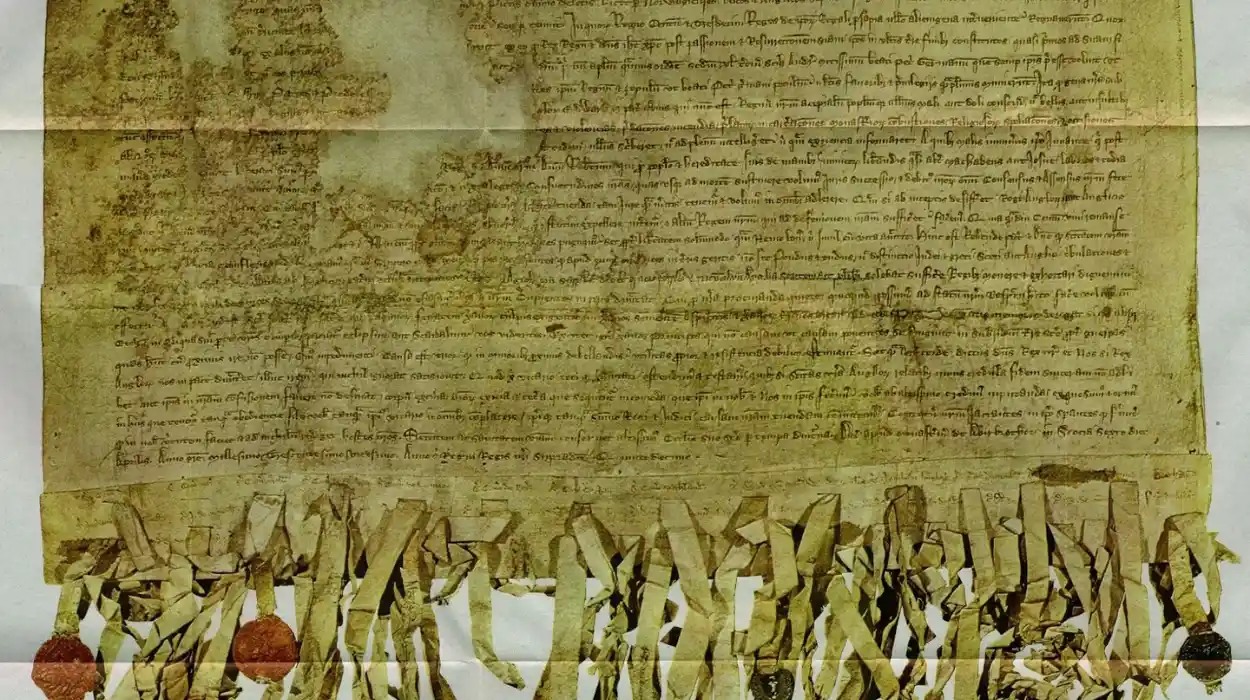
Scotland’s history is filled with events that influenced its formation. The Declaration of Arbroath is a powerful document. Drafted in 1320, it was more than a letter. It was the voice of the Scottish people and of their struggle for freedom. People view it as one of the most important documents in Scottish history. So, in order to understand Scotland’s history, it is necessary to understand what the Declaration of Arbroath is and why it is important.
What Is the Declaration of Arbroath?
The Declaration of Arbroath was a letter that was sent to Pope John XXII in 1320. It was sent by Scottish nobles and barons that supported King Robert the Bruce. The main purpose of the letter is to declare Scotland’s independence from England. The letter confirmed that Scotland was a free, separate nation.
A Call for Recognition
The declaration referred to asking the Pope to recognize Scotland’s independence. England was claiming authority over Scotland. Scottish leaders drafted this document in the hope of gaining international attention and support.
Written in Latin
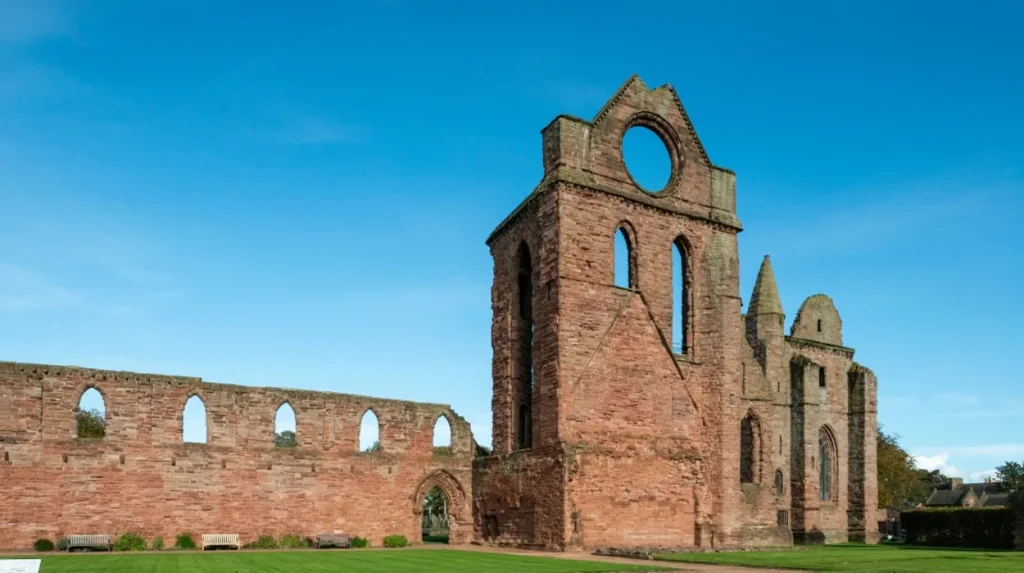
The declaration is initially written in Latin and written at Arbroath Abbey. Although it was a letter, in essence the Declaration of Arbroath is a national statement.
The Significance of the Declaration of Arbroath

The importance of the Declaration of Arbroath is truly wider than the events surrounding 1320. It is undoubtedly one of the most significant documents in Scottish and world history. It is possible to appreciate its influence in a number of ways:
1. A Symbol of Scottish Freedom: The declaration became a national symbol of the right of Scotland to self-rule. The declaration established that independence was about more. It was about the will of the Scottish people, not simply the will of kings and emperors.
2. Influence on Political Thought: Many academics are confident that the ideas expressed in the declaration directly influenced later political writings. The idea that rulers should serve the people can be found in many documents, including the American Declaration of Independence, and countless democratic charters.
3. The People over the King: The idea that a king could be deposed for failing to perform was a progressive idea. It asserted that the will of the nation superseded the will of the monarch, an unheard-of concept in medieval Europe.
4. International Diplomacy: By writing to the Pope, it showed the Scots level of diplomacy. The Scots recognized that international legitimacy was as important as military victories for independence.
5. A Legacy of Unity: The Declaration highlighted the need for unity between nobles and people to resist compression. The lesson of unity holds instructive value in political struggles.
6. Inspiration for today’s struggles: In contemporary conversations about Scottish independence, the declaration is often cited. It is believed that the powerful words of the declaration testify to self-determination, which has always been a part of Scottish history.
7. A Global Symbol of Freedom: The declaration has also become a global symbol of the human desire for freedom beyond Scotland. The declaration’s values continue to inspire independence and justice movements across the globe.
Key Messages of the Declaration of Arbroath
The Declaration of Arbroath communicated messages that stretched beyond its time. Its bold words made it clear that the Scottish people were determined.
The first key message was the emphasis on Scotland being a free and independent nation since the dawn of their history. It was expressed in the letter that no one had the right to take away that freedom by force.
A second important message concerned the relationship of the people and their king. The declaration made the argument that the king ruled for only as long as he defended the freedom of the nation. If he failed to carry out that duty, the people had a right to replace him. This was a revolutionary thought for the early 14th century, when monarchy was understood to mean kings ruled above the will of the people.
Importantly, the declaration was also a direct appeal to Pope John XXII. Among their hopes, the Scots would invite the Pope to intervene to stop England from claiming dominion over Scotland. In appealing to the Pope, we can see how vital the idea of global acknowledgement was for the Scots in their struggle for independence.
Comparing the Declaration with Other Historic Documents
The Declaration of Arbroath is routinely compared to other historical documents that have created nations. One example is the Magna Carta of 1215. The Magna Carta limited the authority of the English king and protected the liberties of the nobles; the Declaration argued in favor of a whole nation’s freedom.
Another comparison is the American Declaration of Independence of 1776. The American document was about liberty, equality, and the right to choose a ruler, which are ideas that were expressed in the form of independence from English authority in the Declaration of Arbroath a number of centuries prior.
The fact that its spirit of independence has spread far beyond simple medieval Scottish crown independence and has its place in the global thinking about freedom represents the essence of liberty that many of us experience today.
The Declaration of Arbroath was a bold declaration made in 1320, declaring Scotland’s independence from England and defending the rightful possession of Scotland’s people. The Declaration was not only a unilateral statement by Robert the Bruce but also a reflection of the collective will of the Scottish nation. The themes of freedom, unity, and people’s rights continue to be powerfully resonant.
The legacy of the Declaration of Arbroath is in its significance. It shaped Scotland’s journey to a national identity, influenced post-medieval democratic principles, and remains a universal symbol of the quest for liberty. More than seven centuries is a constant reminder that freedom must continue to be defended and cherished.
