
The Northern Ireland Protocol is the most controversial aspect of the Brexit deal. It managed trade and movement over borders once the United Kingdom left the European Union. Instead of facilitating something happening, it seems to have actually created further problems.
There have been a lot of questions as to what makes the Northern Ireland Protocol so contentious, and the answer is complicated. It does in fact include history, politics, identity, and economics, and in this article, the authors will attempt to explain those reasons.
What is the Northern Ireland Protocol?
The Northern Ireland Protocol is the section of the Brexit Withdrawal Agreement that establishes alternative (special) arrangements for trade and movement in Northern Ireland because of the land border with the Republic of Ireland, which cannot put in place customs checks and controls.
The Northern Ireland Protocol allows for the open and frictionless border to remain between the two parts of Ireland because Northern Ireland is also still following some of the EU rules on goods trade, despite the United Kingdom having left the European Union.
Why Was the Protocol Established?
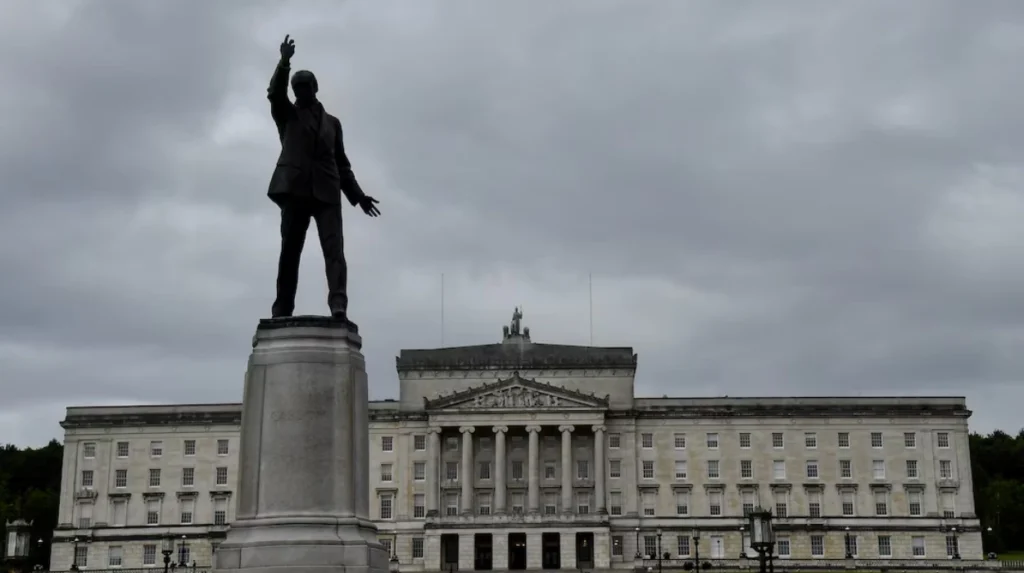
The Protocol was established to protect peace and stability as a result of the Good Friday Agreement in 1998, which also ended the years of conflict that identified Northern Ireland as the Troubles. One of the key aspects of that agreement was to ensure that there was never to be a hard border on the island of Ireland, as Brexit would jeopardize and make a hard border needed again between the Republic of Ireland and Northern Ireland.
To prevent this, the protocol was implemented. It was meant to promote peace and also promote trade and political commitments.
Why Is the Northern Ireland Protocol So Controversial?
The Protocol has caused significant divisions in politics, businesses, and communities. Different groups feel it has affected them in different ways. Some consider it essential to maintaining peace in Northern Ireland; others consider it dividing up the UK.
The reasons for the tensions are complex but important to explore.
Trade Barriers and Economic Impacts
One of the main reasons the Northern Ireland Protocol is so controversial is around trade. Goods arriving from Great Britain to Northern Ireland have additional checks, documents, and papers. This leads to delays, increased costs, and ambiguity for traders. Some goods are more difficult to sell in Northern Ireland.
Supermarkets, smaller suppliers, and retail businesses have complained about the trade barriers since the introduction of the Protocol. Supporters of the Protocol see it differently and view it as an additional way for Northern Ireland to access both the UK and EU markets. However, for many businesses, the barriers have substantially impacted them more than the benefits.
The Question of Identity and Sovereignty
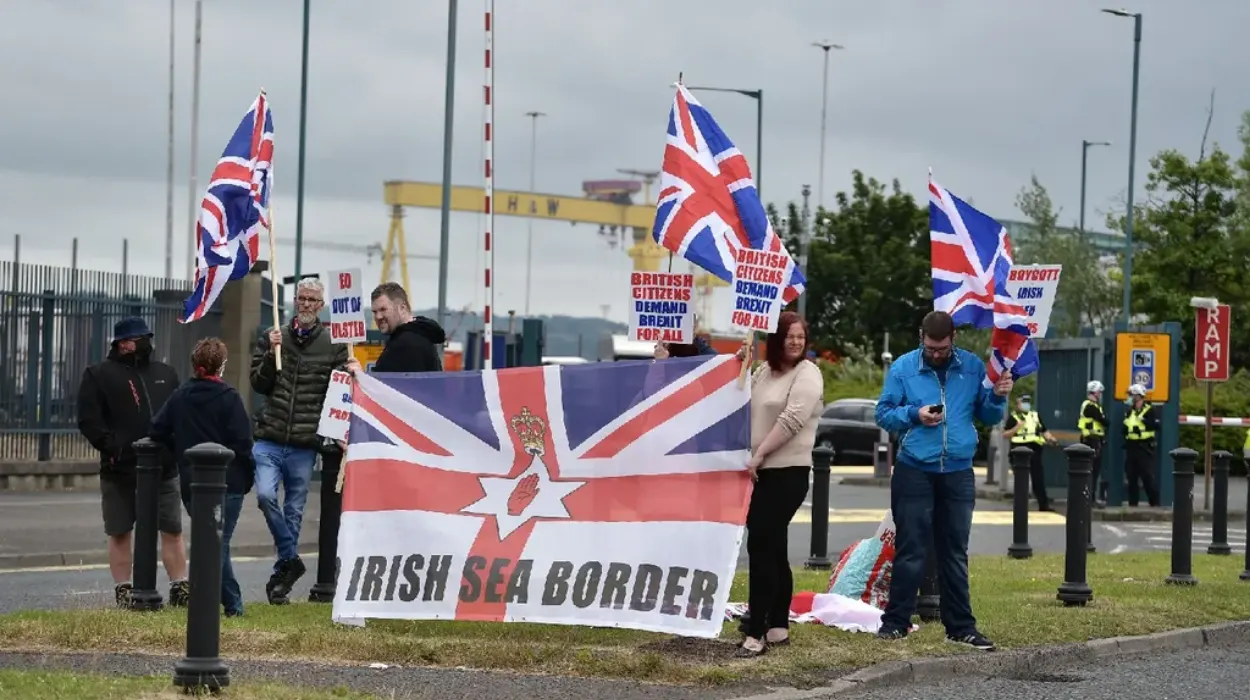
A second reason the Northern Ireland Protocol is so controversial is related to identity. Unionists that support Northern Ireland remaining within the UK believe the Protocol is separating them from the rest of Britain. They perceive the checks between Great Britain and Northern Ireland as a border in the Irish Sea, which makes them feel disenfranchised from the UK.
On the other hand, the nationalists who advocate for a united Ireland regard the Protocol as protecting their link to the EU. The differences create strong political and emotional reactions.
Political Disputes in the UK
The Northern Ireland Protocol also presents a level of contention within UK politics. The UK government of the day agreed to the protocol but is now arguing that it is unfair or unreasonable. Some politicians want to eliminate it. There are some wanting to agree to its renegotiation.
Different parties try to leverage off the Protocol for political points to win their argument. In Northern Ireland, political parties are also divided on it. Unionist parties typically deny any suggestion they should accept it; nationalist parties reasonably defend it. The nuances of disagreement around the protocol complicate attempts at government.
EU Concerns and International Relations
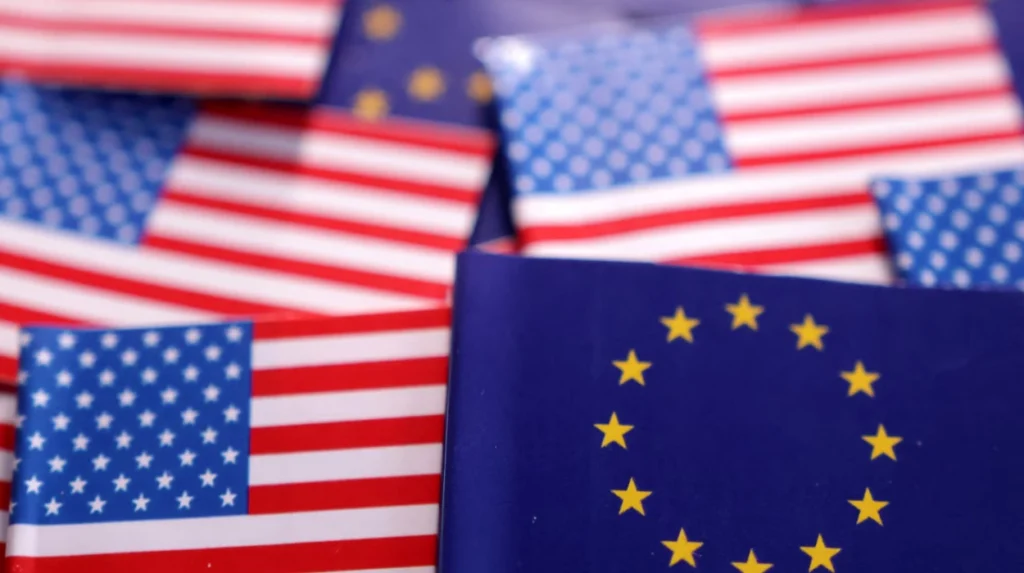
The European Union also considers things in the protocol with strong views. The EU believes the Northern Ireland Protocol is necessary to defend the EU single market. Nobody needs or wants the situation where goods enter Ireland unchecked from Britain and fake EU standards are misrepresented – that is why the EU is steadfast on maintaining it. The disagreements between the UK and EU in relation to the Protocol led to tensions and mistrust.
Attempts to Find Solutions
Both the UK and the EU have done their best to seek solutions. Negotiation has continued on new checks, using digital technologies or special arrangements.
The Windsor Framework established in 2023 was one attempt to relieve the burden through “green lanes” for goods that remain in Northern Ireland and “red lanes” for goods that are going to the EU. The Windsor Framework solved some issues, but greater tensions remained.
Why Compromise Is Complicated
The Protocol illustrates the challenge of compromise. If there is a compromise, then both sides have to protect it. The EU wants to protect its market. The UK wants to defend its sovereignty. Unionists want to stay in touch with Britain. Nationalists want to be in touch with Ireland and Europe.
These objectives often clash. That is why the Northern Ireland Protocol is such a challenging issue, and it is also why there is no easy resolution.
The Role of International Law
Another factor that makes the Northern Ireland Protocol so controversial is its legal character. It’s part of an international treaty. So the UK is legally required and bound to comply with it. When the UK has meant to alter or disregard elements of the Protocol, critics have claimed that it has breached international law. This undermines trust between countries and makes it harder for future agreements to be made.
