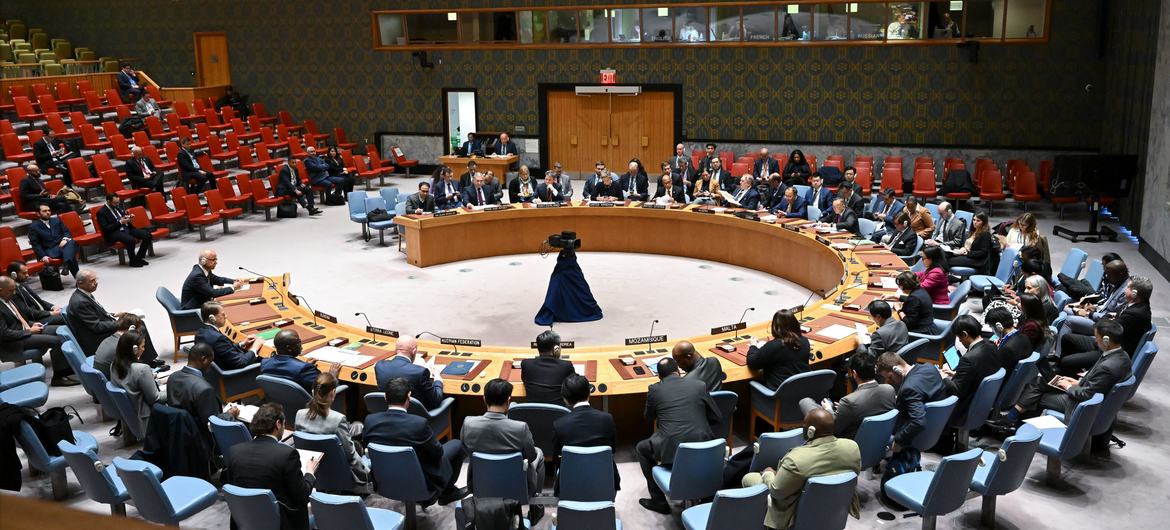
Brussels, January 2026 — According to parliament news, that policymakers, diplomats, and humanitarian officials across Europe are closely tracking the United Nations Middle East crisis as it continues to dominate international diplomacy. From emergency deliberations at the United Nations headquarters in New York to strategic consultations in Brussels, the year has begun with heightened urgency. The conflict’s scale and persistence have transformed it into one of the most consequential international challenges of the decade.
Escalating Violence and Regional Fragility
The Middle East has entered another period of acute instability. Military operations, internal political fractures, and unresolved historical grievances have combined to intensify conflict dynamics. Civilian populations face growing insecurity as essential infrastructure struggles to function under sustained pressure.
For international observers, the United Nations Middle East crisis represents more than a regional emergency. It has become a barometer for how effectively the global system can respond to prolonged and complex conflicts in an era of geopolitical rivalry.
United Nations at the Center of Global Response
At the heart of diplomatic engagement stands the United Nations, tasked with balancing political mediation, humanitarian coordination, and legal oversight. Emergency sessions, special envoys, and draft resolutions illustrate the seriousness with which member states view the United Nations Middle East crisis.
Despite institutional constraints, UN officials argue that multilateral engagement remains indispensable. No alternative platform offers comparable legitimacy or reach when confronting conflicts that transcend borders.
Humanitarian Emergency Deepens
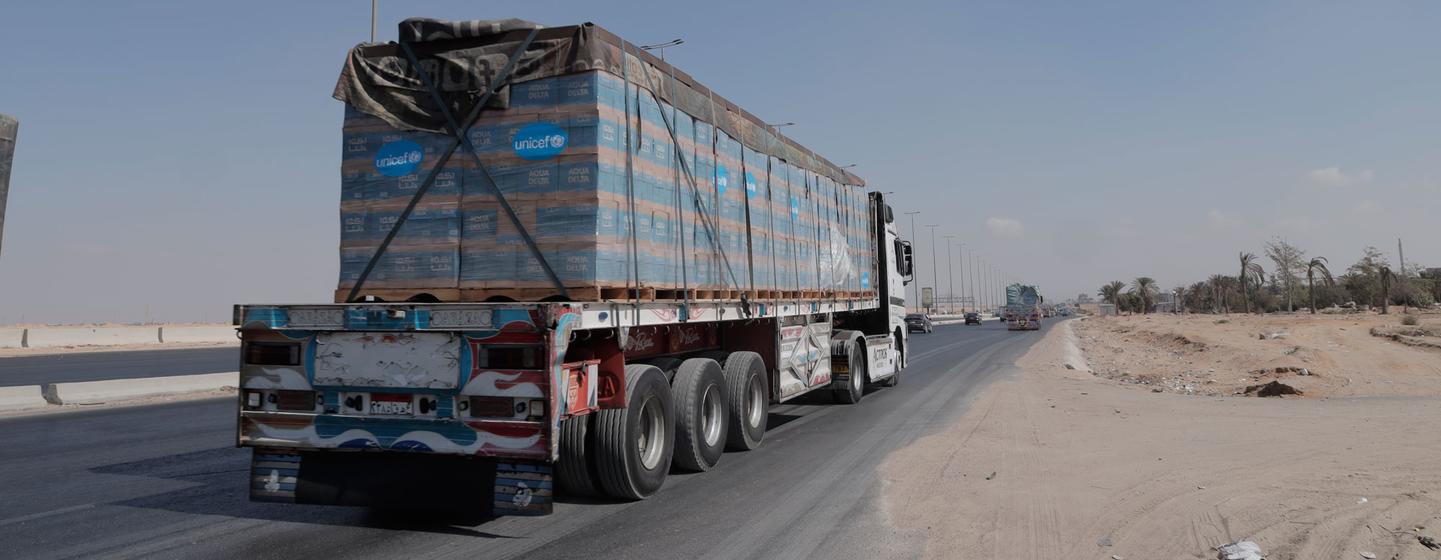
Conditions on the ground continue to deteriorate. Hospitals face supply shortages, access to clean water remains limited in several areas, and food insecurity has become widespread. Humanitarian agencies report that the United Nations Middle East crisis has pushed civilian suffering to levels that demand sustained international attention.
Aid delivery remains complicated by security risks and political restrictions. Nevertheless, UN agencies persist in negotiating access, emphasizing neutrality and civilian protection as guiding principles.
This is no longer a short-term emergency but a sustained human tragedy
“One senior UN humanitarian coordinator cautioned that without long-term political solutions, relief efforts alone cannot stabilize the situation,”
underscoring the limits of emergency aid when underlying causes remain unaddressed.
Security Council Divisions and Diplomatic Gridlock
The UN Security Council continues to face deep internal divisions. Competing strategic interests have slowed consensus-building efforts related to the United Nations Middle East crisis. Veto dynamics and political alignments frequently delay decisive action.
European diplomats privately express concern that prolonged paralysis weakens the credibility of multilateral institutions. Publicly, they continue to call for dialogue, restraint, and renewed commitment to international law.
Europe’s Strategic and Humanitarian Stakes
For Europe, instability in the Middle East carries direct consequences. Energy markets, migration flows, and regional security all intersect with developments tied to the United Nations Middle East crisis. Brussels has therefore emerged as a critical hub for coordination among EU member states.
European leaders emphasize humanitarian funding, diplomatic engagement, and support for UN-led initiatives. The objective is to prevent further escalation while addressing immediate civilian needs.

International Law Under Pressure
Legal frameworks designed to protect civilians and regulate armed conflict are under unprecedented strain. Allegations of violations continue to surface, prompting renewed scrutiny of accountability mechanisms within the United Nations Middle East crisis framework.
Legal scholars argue that consistent enforcement of international law is essential not only for justice but also for long-term deterrence. UN-mandated investigative bodies continue their work despite operational challenges.
Economic Shockwaves Beyond the Region
The economic impact of the conflict extends far beyond the Middle East. Energy price volatility, disrupted trade routes, and investor uncertainty are increasingly linked to the United Nations Middle East crisis.
European economies, in particular, remain sensitive to developments affecting supply chains and energy security. Analysts warn that prolonged instability could amplify inflationary pressures and slow economic recovery.
Information Warfare and Public Perception
The modern conflict environment is shaped as much by information flows as by events on the ground. Misinformation and selective narratives complicate public understanding. UN officials stress transparent communication as a critical component of managing the United Nations Middle East crisis.
Credible journalism, supported by verified sources and contextual analysis, plays a vital role in maintaining informed public debate and democratic accountability.
Mediation Efforts and Diplomatic Persistence
UN mediators operate under extraordinary constraints, navigating security risks and political resistance. Progress in the United Nations Middle East crisis often emerges through incremental steps rather than sweeping agreements.
Diplomats emphasize persistence, arguing that sustained engagement can prevent localized conflicts from escalating into broader regional wars.
Regional Power Dynamics
Regional actors continue to shape the conflict’s trajectory. Strategic rivalries, domestic political pressures, and security concerns intersect in ways that complicate UN initiatives. The United Nations Middle East crisis approach must therefore remain adaptive and inclusive.
Observers increasingly stress the importance of involving regional stakeholders in dialogue to create conditions for durable stability.
Global South Perspectives
Countries outside Europe and North America have voiced strong views on the crisis, reflecting diverse historical experiences and political priorities. For many, the United Nations Middle East crisis highlights broader concerns about equity, representation, and consistency within international institutions.
These perspectives add complexity to negotiations but also underscore the global nature of the challenge.
The Role of Multilateralism in 2026
As geopolitical competition intensifies, the effectiveness of multilateral institutions faces growing scrutiny. The United Nations Middle East crisis has become a defining test of whether collective action can still deliver meaningful outcomes.
Supporters argue that reform and renewal, rather than abandonment, offer the best path forward.
Looking Ahead Through 2026
With no immediate resolution in sight, expectations remain cautious. The United Nations Middle East crisis will continue to command diplomatic attention throughout 2026. Incremental progress through humanitarian access and confidence-building measures offers limited but meaningful hope.
UN officials emphasize that disengagement would likely exacerbate instability rather than resolve it.
A Defining Moment for Global Governance
The unfolding situation represents a defining moment for global governance. How the United Nations Middle East crisis is managed will influence international norms, institutional credibility, and future conflict responses. The stakes extend far beyond one region, shaping the global order for years to come.