WASHINGTON, February 18, 2026 — Parliament News — In Washington in 2026, US China tensions have entered a decisive and complex phase as policymakers confront deepening disagreements across military, economic, and technological fronts. Senior officials in both capitals have signaled that the bilateral relationship is no longer defined by cautious engagement but by structured strategic competition with global consequences.
Diplomatic exchanges over the past several weeks have sharpened in tone. While no direct confrontation has occurred, the trajectory of US China tensions reflects rising mistrust and calculated positioning by the world’s two largest economies. Observers say that the current moment marks one of the most consequential turning points in bilateral relations in decades.
Military Maneuvering Signals Heightened Strategic Competition
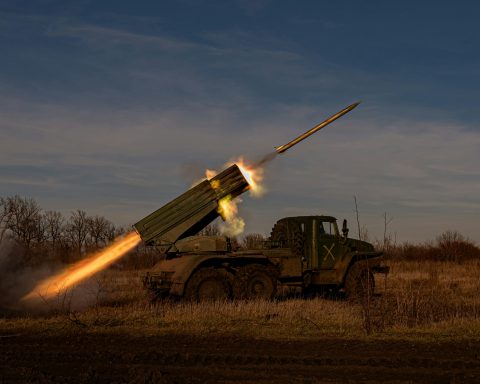
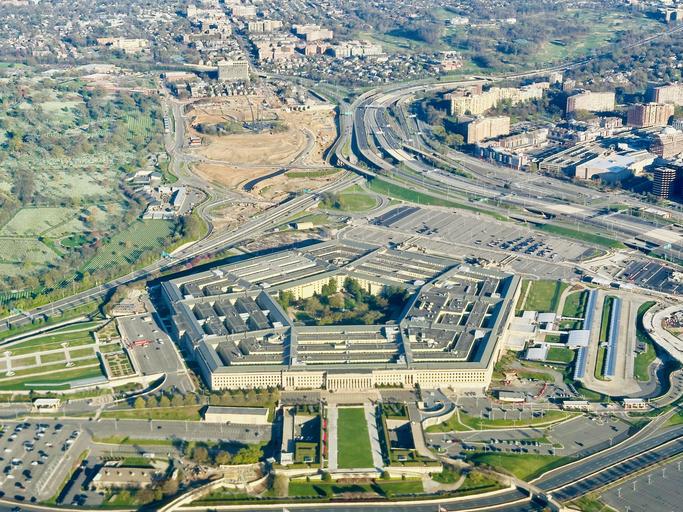
Security analysts in Washington point to expanded military deployments and exercises in the Indo Pacific as evidence that US China tensions are increasingly anchored in deterrence strategy. The Pentagon has reinforced naval patrols in contested maritime zones, emphasizing freedom of navigation principles.
Beijing has responded with expanded drills of its own, particularly near the Taiwan Strait and in the South China Sea. Defense officials in China have characterized foreign patrols as destabilizing, while American officials describe them as lawful and consistent with international norms.
A senior U.S. defense official stated,
“Our posture remains defensive, but we will protect international law and ensure stability in key waterways.”
The comment reflects Washington’s framing of its actions as preventative rather than provocative.
Military analysts warn that simultaneous exercises in close proximity elevate risks of miscalculation. Both sides maintain advanced surveillance systems and rapid response capabilities, reinforcing a tense but controlled standoff.
Economic Fractures Reshape Trade and Supply Chains
Beyond security matters, US China tensions continue to reverberate through global commerce. Tariffs imposed in earlier phases of trade disputes remain partially in place, though some sector specific adjustments have been negotiated.
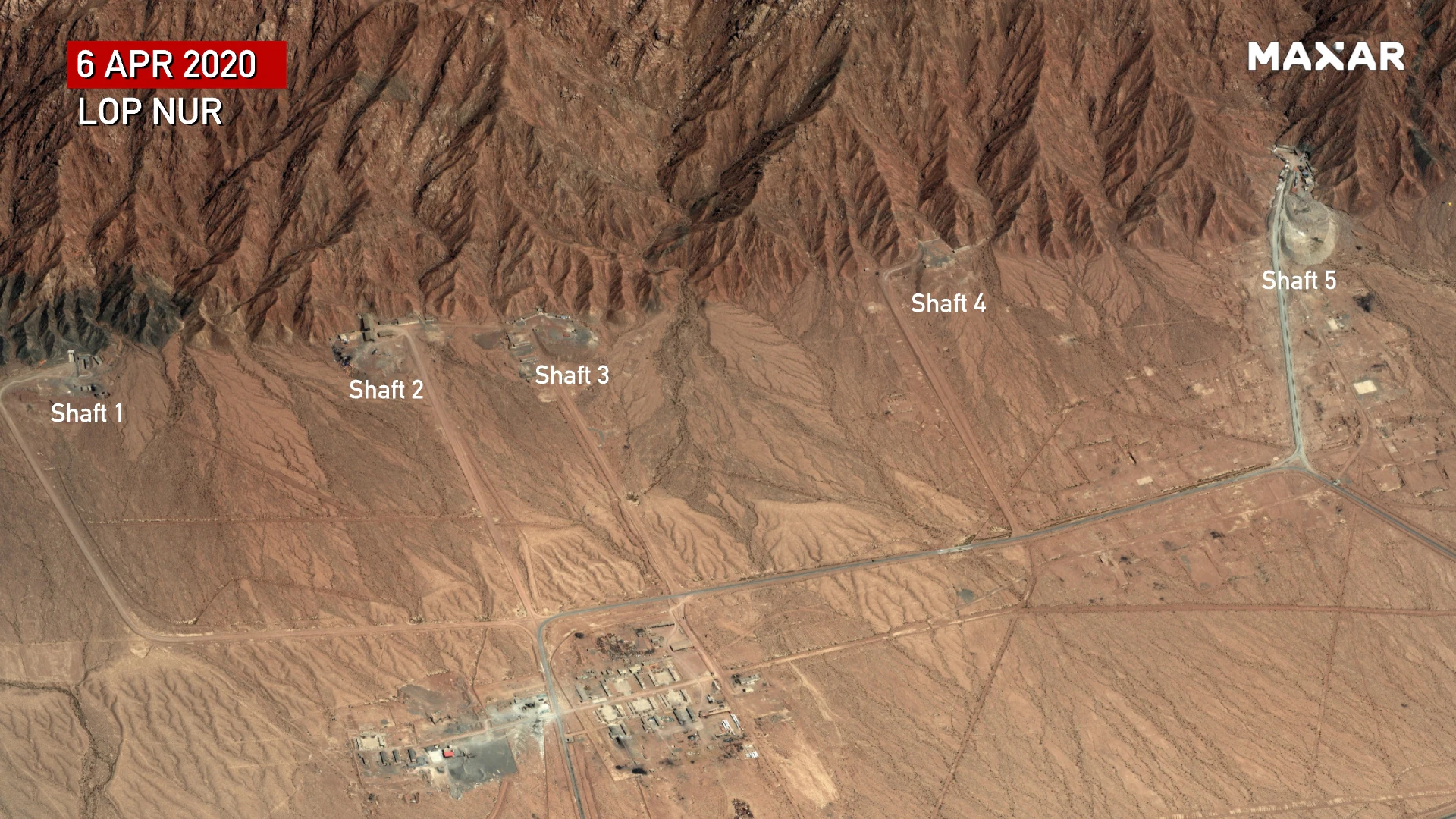
The economic rivalry has broadened into industrial policy and technological protection. Washington has tightened export controls on advanced semiconductor equipment, citing national security concerns. Beijing has introduced countermeasures affecting foreign companies and critical mineral exports.
Financial markets in 2026 have responded cautiously to these developments. Investors weigh the potential for further restrictions against the reality of deeply interconnected supply chains. Economists note that both nations remain economically interdependent despite political friction.
Corporate leaders are increasingly diversifying manufacturing bases to reduce exposure to geopolitical uncertainty. This strategic realignment signals that US China tensions are influencing long term investment strategies worldwide.
Technology Competition Becomes a Defining Arena
Artificial intelligence, quantum computing, and telecommunications infrastructure have emerged as focal points of US China tensions. Policymakers in Washington argue that advanced technologies hold strategic military and economic value that must be safeguarded.
Beijing has invested heavily in domestic innovation initiatives, aiming to reduce reliance on foreign components. The technology rivalry now extends to satellite systems, cybersecurity frameworks, and digital payment ecosystems.
Industry experts suggest that digital infrastructure has effectively become a modern battleground. Control over data, algorithms, and computing power shapes economic resilience and national defense planning.
A technology policy scholar observed,
“The competition is no longer about isolated trade disputes but about who defines the architecture of the future global economy.”
That perspective captures the structural dimension of the rivalry.
Taiwan and Regional Stability at the Center of Tension
Few issues amplify US China tensions more than Taiwan. Washington continues to support Taiwan’s defensive capabilities under longstanding frameworks, while Beijing maintains that Taiwan is an internal matter.
Recent military drills near the Taiwan Strait have intensified scrutiny. Regional governments are carefully monitoring developments, concerned about spillover effects.
Officials in Washington emphasize deterrence and stability. Chinese representatives have reiterated their commitment to national sovereignty. Despite firm rhetoric, diplomatic channels remain open, though fragile.
The Taiwan issue illustrates how strategic ambiguity and deterrence doctrine intersect with geopolitical rivalry, reinforcing the delicate balance underpinning US China tensions.
Diplomatic Engagement Continues Despite Friction
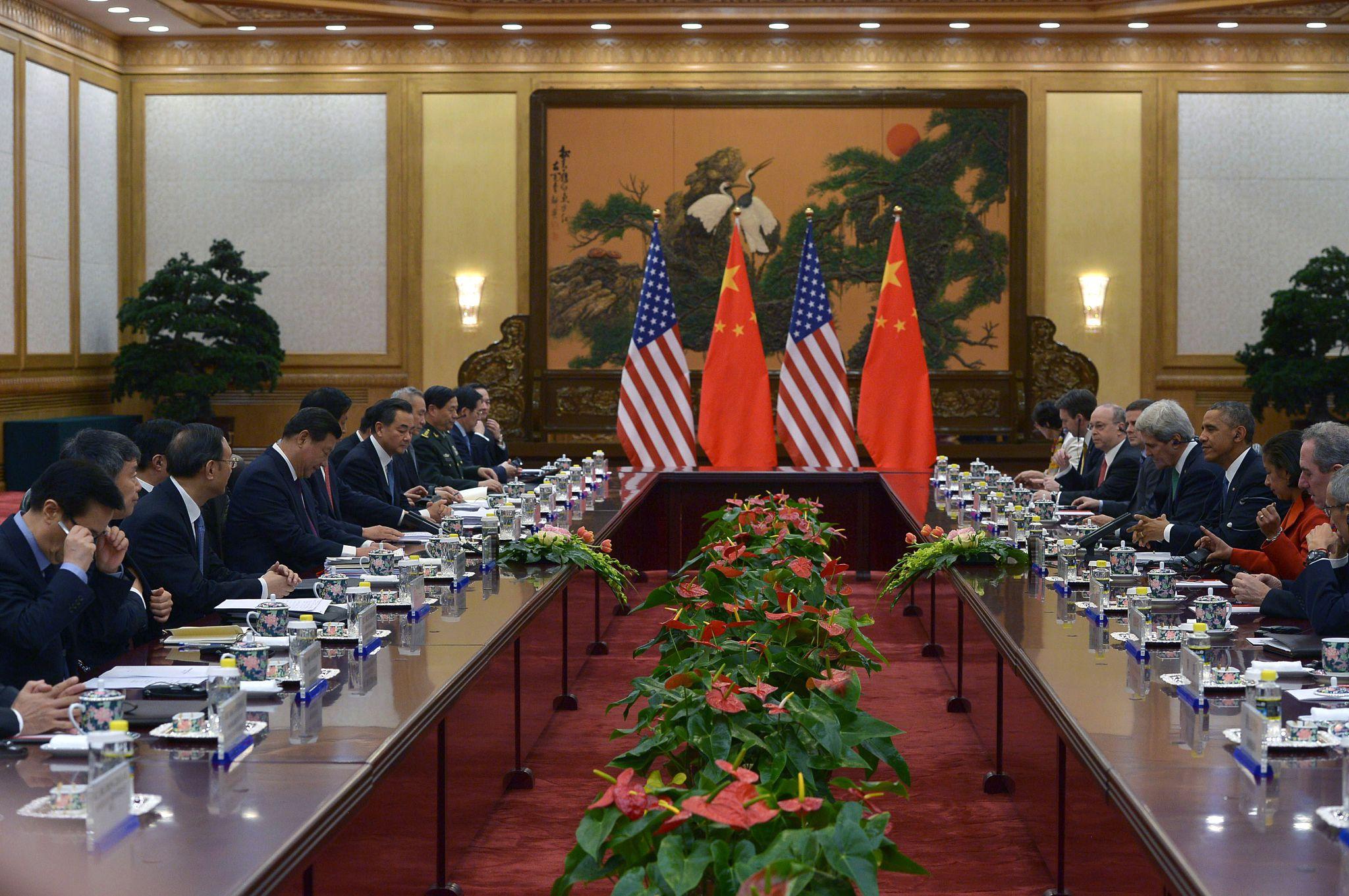
While headlines often focus on escalation, diplomatic engagement has not entirely ceased. Senior envoys have met periodically to address crisis communication mechanisms and climate coordination.
Observers note that even limited dialogue reduces the risk of unintended escalation. Crisis hotlines and military to military contacts remain operational.
A European diplomat familiar with transatlantic discussions commented,
“Stability requires communication, even when trust is limited.”
The statement underscores the importance of maintaining institutional channels during periods of strain.
Nevertheless, expectations for sweeping agreements remain modest. Incremental measures aimed at transparency and risk reduction appear more achievable in the current climate.

Global Economic Ripple Effects Expand
The influence of US China tensions extends well beyond bilateral exchanges. Emerging economies reliant on trade with both nations face difficult strategic calculations.
Commodity markets, shipping routes, and currency valuations respond to shifts in policy rhetoric. Investors are increasingly attentive to speeches from Washington and Beijing, understanding that minor changes can trigger global repercussions.
International financial institutions have encouraged de escalation to prevent fragmentation of global markets. Analysts caution that prolonged rivalry may accelerate the formation of parallel economic systems.
Supply chain diversification efforts reflect a broader trend toward resilience planning. Companies seek to mitigate disruptions associated with geopolitical volatility.
Defense Spending and Strategic Investment Patterns
Budget allocations in both countries highlight the seriousness of US China tensions. The United States has prioritized modernization of naval fleets, missile defense programs, and cyber capabilities. China has expanded investments in aerospace, naval construction, and advanced weapons development.
Strategic planners on both sides frame these investments as deterrence measures designed to prevent conflict rather than provoke it. However, sustained increases in military expenditure raise questions about long term sustainability.
Fiscal pressures at home compete with defense priorities. Policymakers must balance domestic economic needs with global strategic commitments.
The modernization trajectory underscores that US China tensions are embedded within broader national planning frameworks.
Public Opinion and Political Narratives Shape Policy
Domestic political narratives significantly influence US China tensions. In Washington, bipartisan consensus has hardened around a firm stance on trade, security, and technology policy.
In China, state media frequently portray the rivalry as evidence of national resilience in the face of external pressure. Public sentiment in both countries reflects declining mutual trust.
Cultural exchanges and academic partnerships have slowed compared to previous decades. Visa restrictions and regulatory scrutiny have altered cross border engagement patterns.
Political leaders on both sides must navigate public opinion while managing diplomatic strategy, adding complexity to decision making processes.
Energy Security and Climate Coordination
Energy security remains intertwined with US China tensions. Competition over rare earth minerals, battery supply chains, and renewable technology manufacturing reflects the strategic importance of energy transition resources.
Despite rivalry, both nations continue to participate in multilateral climate forums. Coordination on emissions reduction remains an area of potential cooperation.
However, trade disputes occasionally spill into environmental negotiations, slowing progress. Observers emphasize that global climate goals require sustained engagement among major powers.
Balancing strategic competition with environmental collaboration presents a persistent diplomatic challenge.
Historical Context of Strategic Rivalry
To fully understand US China tensions, it is essential to consider historical evolution. Diplomatic relations were normalized in 1979 following decades of separation. Economic engagement expanded rapidly in the 1990s and early 2000s, driven by trade liberalization and global integration.
Over time, strategic competition replaced optimism about convergence. Disagreements over market access, cybersecurity, and regional security intensified.
The shift from engagement to structured rivalry has been gradual rather than abrupt. Policy analysts argue that both governments recalibrated expectations as geopolitical realities evolved.
The historical arc illustrates how US China tensions developed through incremental adjustments rather than singular events.
Financial Markets React to Policy Signals
Markets in 2026 closely track developments tied to US China tensions. Equity indices often respond to diplomatic announcements or trade policy changes.
Currency fluctuations reflect investor perceptions of risk exposure. Supply chain dependent sectors exhibit particular sensitivity to export control decisions.
Central banks monitor these dynamics carefully, recognizing that geopolitical developments influence inflation, commodity pricing, and cross border capital flows.
Financial strategists emphasize diversification and risk assessment amid ongoing uncertainty.
International Alliances and Emerging Alignments
Alliances play a central role in the evolution of US China tensions. Washington has strengthened defense and trade partnerships across the Indo Pacific and Europe.
Beijing has expanded diplomatic outreach to Africa, Latin America, and Southeast Asia, emphasizing infrastructure development and economic cooperation.
Smaller nations often pursue balanced approaches, seeking to maintain constructive ties with both powers.
The resulting geopolitical landscape reflects competitive alignment rather than rigid bloc formation.
Prospects for Stability and Risk Management
Despite persistent rivalry, policymakers acknowledge the importance of stability mechanisms. Military to military communication channels and diplomatic hotlines serve as safeguards.
Risk reduction strategies include transparency measures, advance notification of exercises, and crisis simulation dialogues.
Experts argue that managing US China tensions requires patience and consistent engagement. Structural competition does not necessarily preclude coexistence.
The coming years will test the resilience of institutions designed to prevent escalation.
A Defining Moment in Global Power Politics
In 2026, US China tensions represent more than a bilateral dispute. They encapsulate a broader contest over economic models, technological leadership, and strategic influence.
Governments worldwide are adjusting policies to navigate this environment. Businesses recalibrate investment strategies, while citizens observe developments with concern.
The trajectory of the relationship will influence global governance frameworks, defense alliances, and economic architecture.
As policymakers continue to balance deterrence with dialogue, the stakes remain exceptionally high. The evolution of US China tensions will likely define international relations for decades to come.