

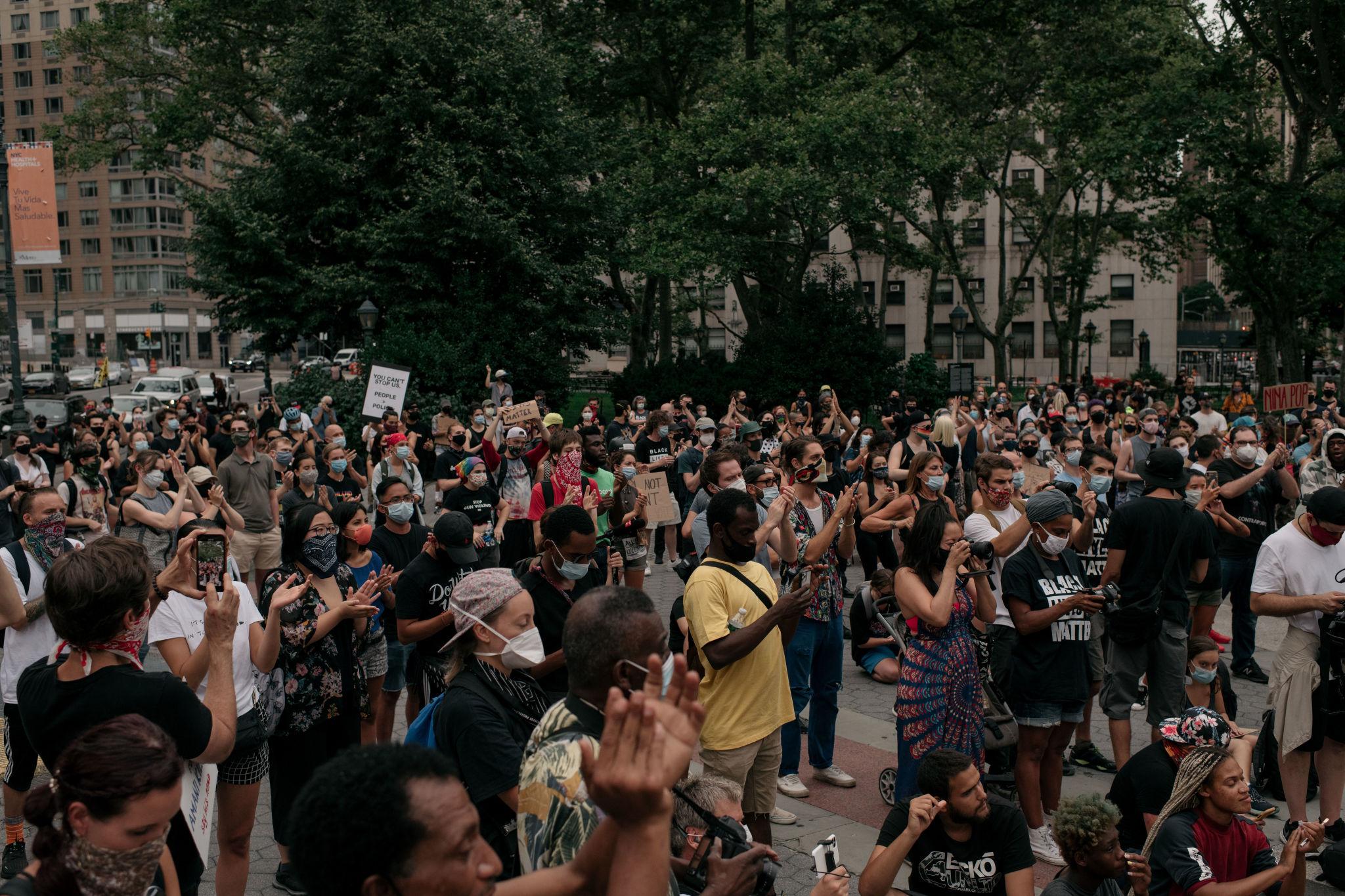
New York, United States, April 14, 2026 (Parliament Politics Magazine) US foreign policy protests have intensified across New York as dozens of demonstrators were arrested during large-scale rallies urging lawmakers to block arms sales to Israel. The arrests come amid growing national debate over military aid and the role of the United States in ongoing Middle East conflicts.
Authorities confirmed that multiple individuals were taken into custody following protests held near key government locations. Demonstrators gathered in large numbers, calling for immediate action from U.S. senators and demanding a reassessment of foreign policy priorities.
Demonstrations Target Political Decision-Makers
US foreign policy protests have increasingly focused on influencing lawmakers directly, with protesters organizing outside government buildings and public institutions. Activists carried signs and chanted slogans aimed at drawing attention to their demands.
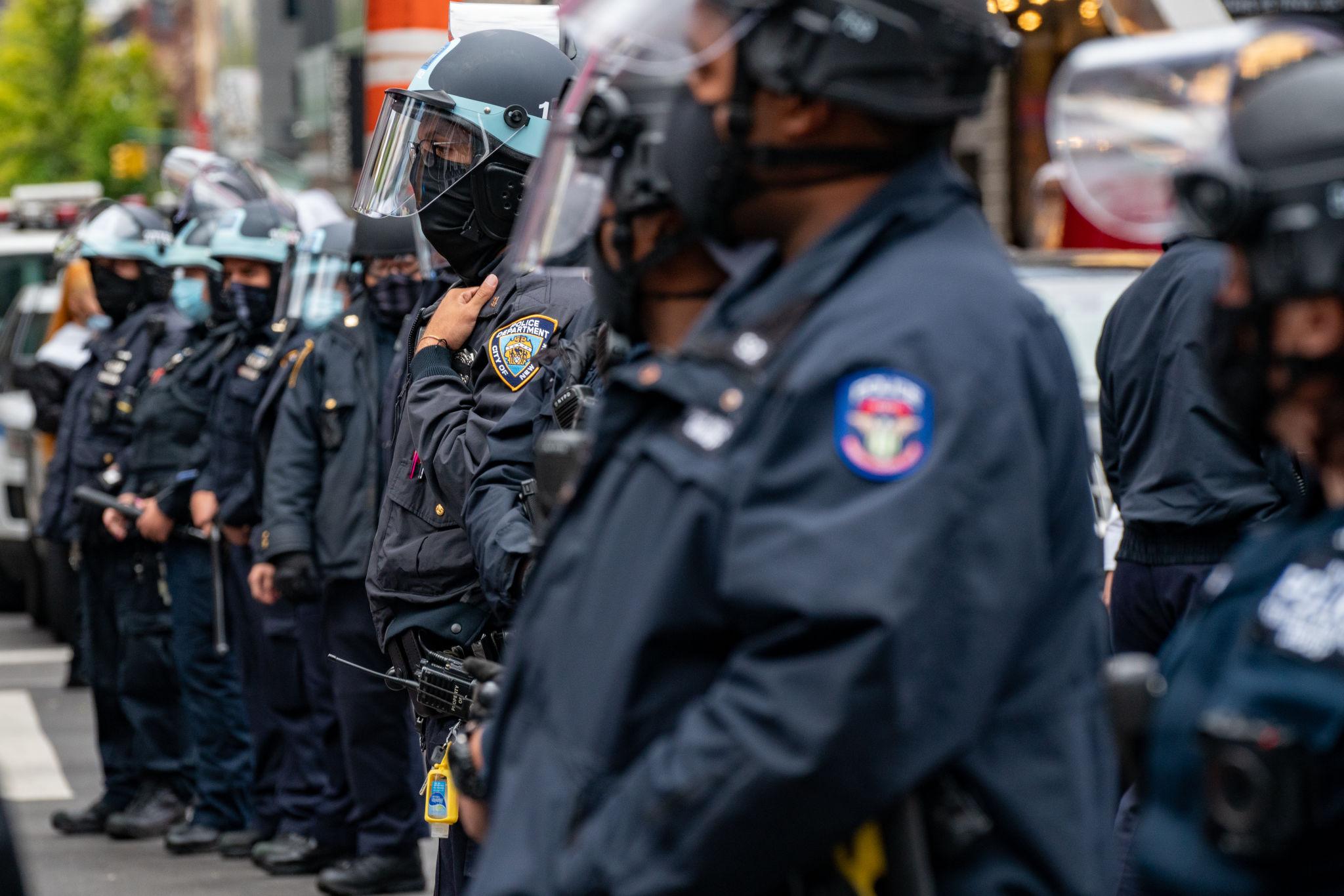
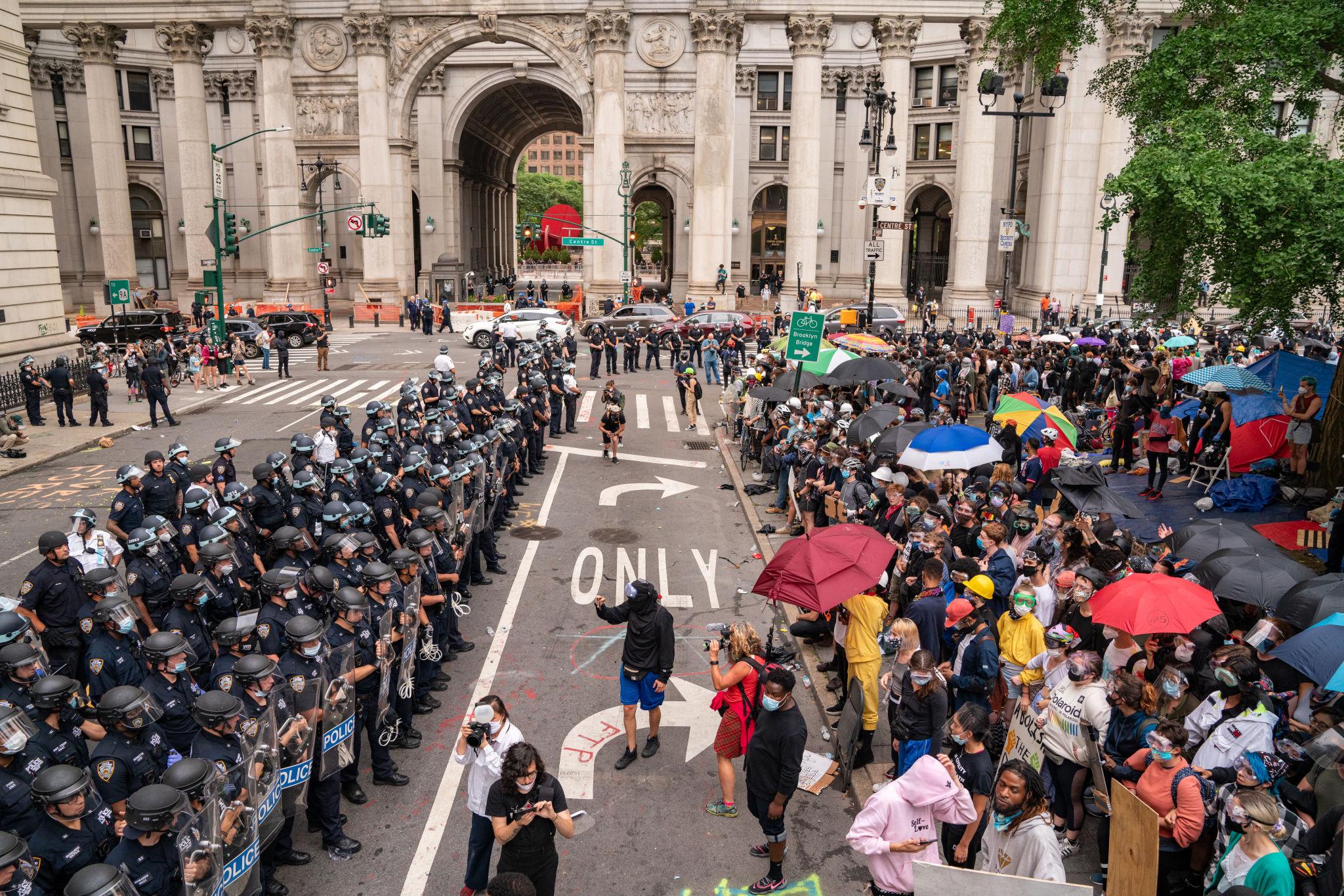
Law enforcement officials maintained a strong presence throughout the demonstrations, citing public safety concerns. While the majority of protesters remained peaceful, arrests were made after some individuals reportedly refused to comply with orders to disperse.
A protest participant said:
“We are calling on leaders to listen. Policy decisions have consequences, and we want accountability.”
Pressure Builds on U.S. Senators
US foreign policy protests are placing significant pressure on senators who have the authority to influence or block arms sales agreements. Activists are urging elected officials to reconsider military support policies, arguing that continued arms transfers could escalate conflict.
Political observers note that sustained public demonstrations can shape legislative priorities, especially when they gain widespread media coverage. The events in New York have brought renewed attention to the issue, prompting responses from several lawmakers.
Some officials have acknowledged the concerns raised by protesters, though no immediate policy changes have been confirmed.
Debate Over Military Aid and Strategy
US foreign policy protests highlight the ongoing debate surrounding U.S. involvement in international conflicts. Supporters of current policies argue that arms sales are essential for maintaining strategic alliances and regional stability.
Critics, however, contend that such actions may contribute to prolonged conflict and humanitarian challenges. This divide reflects broader disagreements within U.S. politics regarding the country’s role on the global stage.
Experts suggest that the outcome of this debate could influence future foreign policy decisions.
Law Enforcement Response Raises Questions
US foreign policy protests have also sparked discussion about how authorities manage large-scale demonstrations. Officials emphasized that maintaining order and ensuring public safety are top priorities.
Police reports indicate that arrests were primarily related to obstruction and failure to follow lawful instructions. Protest organizers have expressed concerns about enforcement tactics, calling for protections of civil liberties.
The situation highlights the challenges of balancing security with the right to protest.
Media Coverage and Public Reaction
US foreign policy protests have quickly gained national attention, with images and videos of the arrests spreading across media platforms. Social media has played a key role in amplifying the protests, bringing the issue to a wider audience.
Public opinion remains divided, reflecting differing perspectives on foreign policy and military involvement. While some support the protesters’ demands, others defend current policies as necessary for national security.
This polarization underscores the complexity of the issue.
Economic and Strategic Dimensions
US foreign policy protests intersect with economic considerations, as arms sales contribute to defense industry revenues and employment. Policymakers must weigh these economic benefits against the political and ethical concerns raised by critics.
Strategically, arms agreements are often viewed as tools for maintaining alliances and influence abroad. The protests highlight the tension between these priorities and public sentiment.
Balancing these factors presents a significant challenge for decision-makers.
What Comes Next?
US foreign policy protests are expected to continue as activists plan additional demonstrations in the coming weeks. Organizers have indicated that they will maintain pressure on lawmakers until their demands are addressed.
While it remains uncertain whether the protests will lead to policy changes, they have already succeeded in bringing attention to the issue. Continued public engagement could play a role in shaping future decisions.
Key Developments to Watch
US foreign policy protests in New York have underscored growing public concern over military aid and arms sales policies. The arrests highlight the intensity of the demonstrations, as activists push for legislative action. As debates continue, the outcome could have significant implications for U.S. foreign policy and international relations.
