

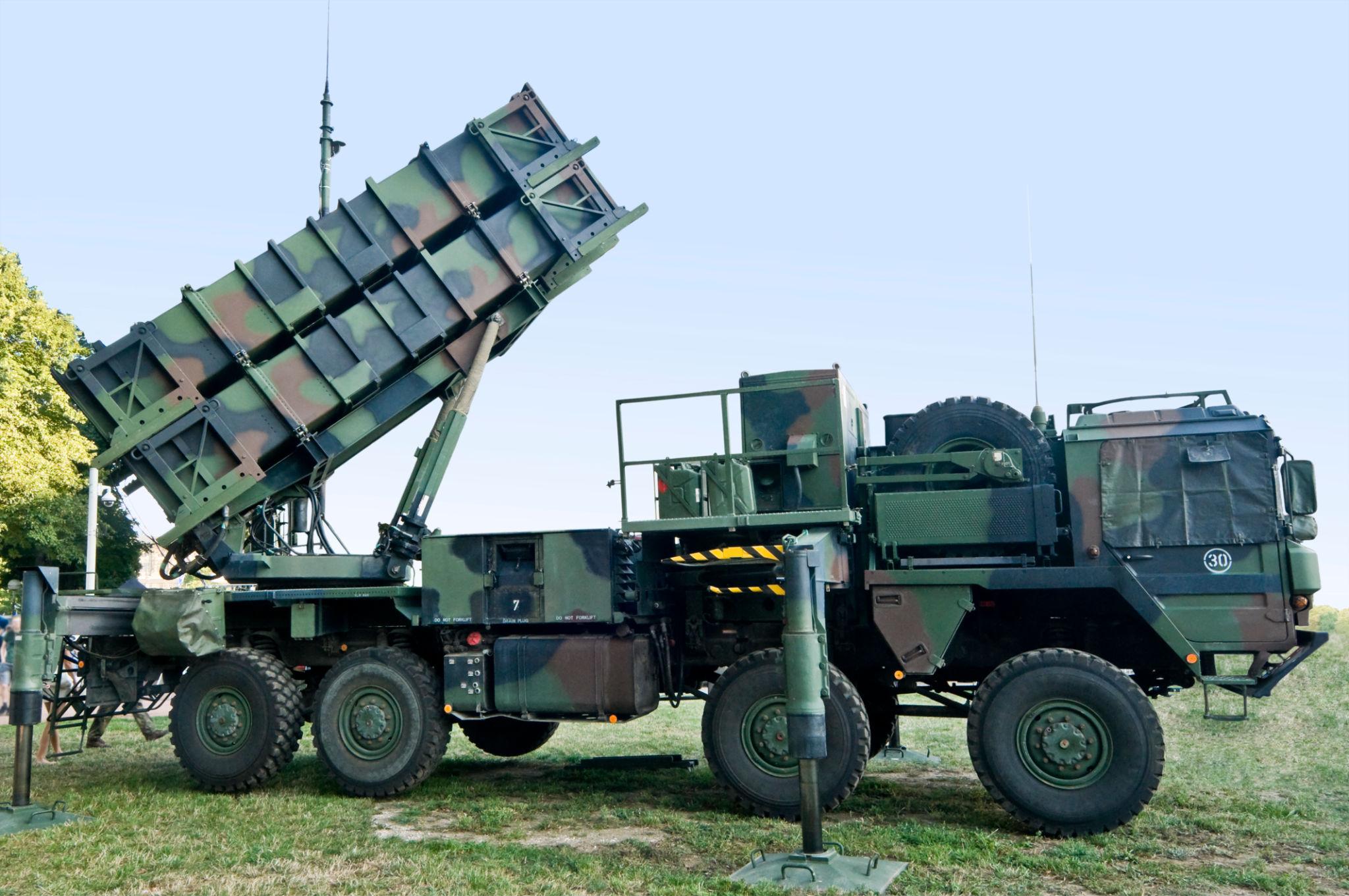
Washington — March 22, 2026 — Parliament Politics Magazine — US Iran conflict tension has reached a critical point as a top counterterrorism official resigns in protest of the escalating war strategy, just as Donald Trump threatens to strike power plants near the Strait of Hormuz.
The resignation comes amid rapidly intensifying military developments, with the United States expanding operations and Iran responding with missile and drone attacks across the region. The situation has raised fears of a broader regional war with global consequences.
Internal Fractures Emerge in US Leadership
The decision by a senior official to step down is being interpreted as a major signal of internal disagreement over the direction of the conflict.
Sources suggest the resignation followed weeks of concern over escalation tactics, particularly regarding infrastructure targeting and long-term geopolitical risks.
“We are approaching a point where escalation could become uncontrollable,”
the official reportedly warned.
This moment reflects growing unease among security experts who fear that current strategies may trigger unintended consequences.
Trump’s Hormuz Threat Raises Stakes
The US Iran conflict tension intensified significantly after Trump issued a stark warning to Iran, demanding the reopening of the Strait of Hormuz or facing attacks on critical infrastructure.
He reportedly gave a 48-hour ultimatum, threatening to “obliterate” Iran’s power plants if demands are not met.
The Strait of Hormuz is one of the most critical energy corridors in the world, with around 20% of global oil shipments passing through it, making any disruption a global concern.
“This is not just military escalation—it’s a direct threat to global economic stability,”
an analyst said.
Military Escalation Expands Across the Region
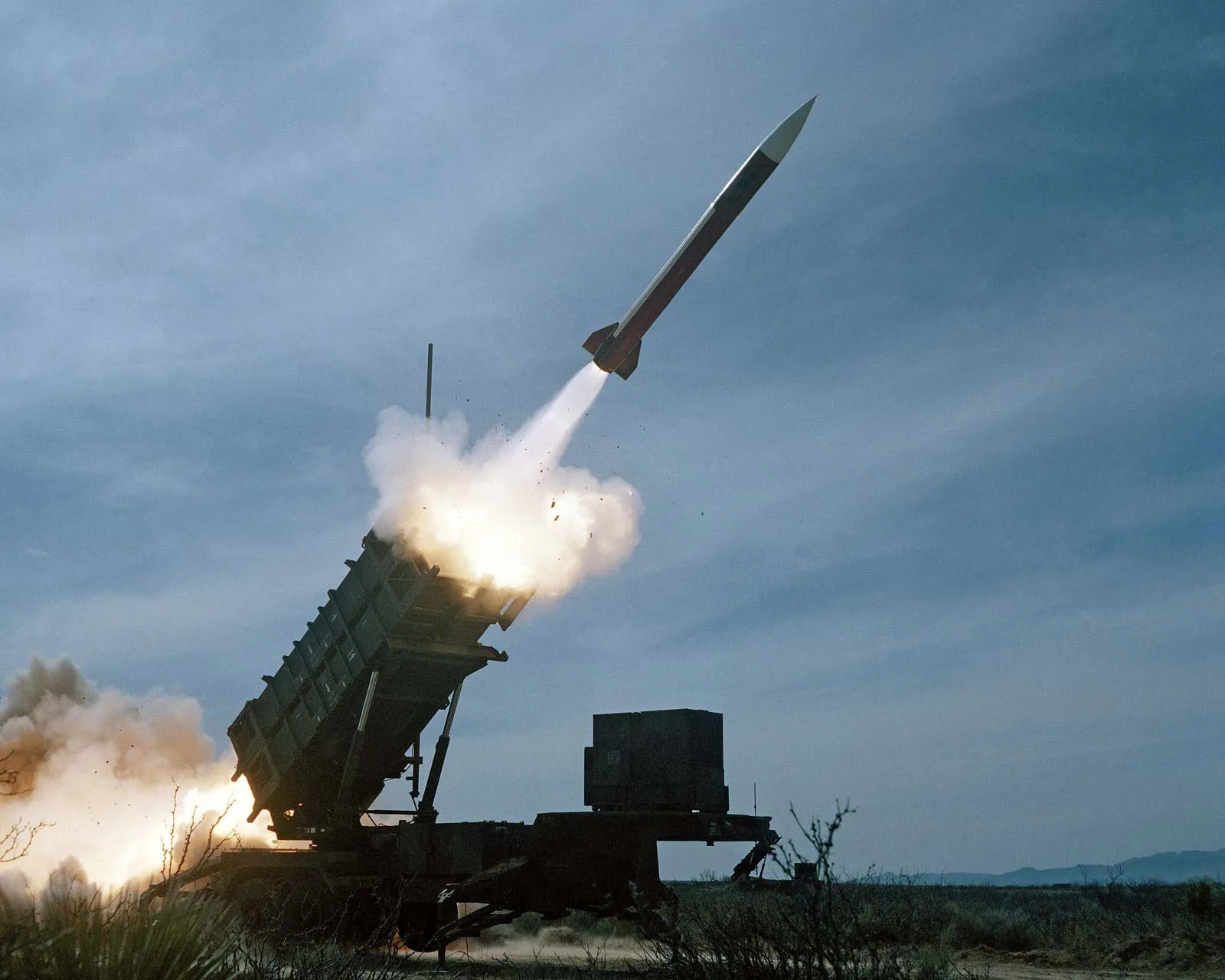
The US Iran conflict tension has already translated into significant military action. Reports indicate that thousands of targets have been struck in recent weeks, including missile sites and naval assets.
The scale of operations has been described as one of the largest in modern military history, reflecting the seriousness of the confrontation.
Iran has responded by launching missile strikes and restricting access to key shipping routes, further escalating tensions.
Strategic Importance of the Strait of Hormuz
At the center of the US Iran conflict tension is the Strait of Hormuz, a narrow but vital waterway connecting global oil markets.
Any disruption in this region can immediately impact global energy supply chains, leading to price spikes and economic instability.
Recent developments suggest that shipping activity has already been affected, with increased risks forcing rerouting and higher insurance costs.
Global Security Concerns Intensify
The resignation of a top counterterrorism official comes at a time when intelligence agencies worldwide are on high alert.
Experts warn that the US Iran conflict tension could lead to broader international involvement, particularly if attacks extend beyond the Gulf region.
There are growing fears that cyberattacks, proxy conflicts, and retaliatory strikes could expand the scope of the war.
Economic Shockwaves Begin to Spread
The global economy is already feeling the effects of rising US Iran conflict tension.
Oil prices have surged past $100 per barrel as markets react to the uncertainty surrounding the Strait of Hormuz.
This has led to increased fuel costs, supply chain disruptions, and heightened inflation concerns in multiple countries.
Energy-dependent economies are particularly vulnerable, with governments preparing contingency plans.
Political Fallout in Washington
The resignation has triggered a wave of political reactions in Washington.
Lawmakers from both sides are calling for greater transparency and a clearer strategy moving forward.
“We need answers about the risks, the objectives, and the exit plan,”
a senior official stated.
The US Iran conflict tension is now not only a foreign policy issue but also a domestic political challenge.
Middle East on High Alert
Countries across the Middle East are increasing their defensive readiness as the situation continues to evolve.
Regional powers are reinforcing military positions, coordinating intelligence efforts, and preparing for possible escalation scenarios.
The risk of a wider regional conflict is growing, with multiple countries potentially being drawn into the confrontation.
A Defining Moment in the Conflict
Many analysts believe the current surge in US Iran conflict tension represents a defining moment in the war.
The combination of aggressive rhetoric, military escalation, and internal dissent suggests that the situation may be entering a more dangerous phase.
Whether this leads to de-escalation or further conflict remains uncertain.
Future of Counterterrorism Leadership
With leadership changes occurring during a critical period, questions remain about the stability and direction of counterterrorism efforts.
Continuity and coordination are essential, especially in a rapidly evolving conflict environment.
Experts emphasize that maintaining strategic clarity will be crucial in the coming weeks.
Global Risk Alert
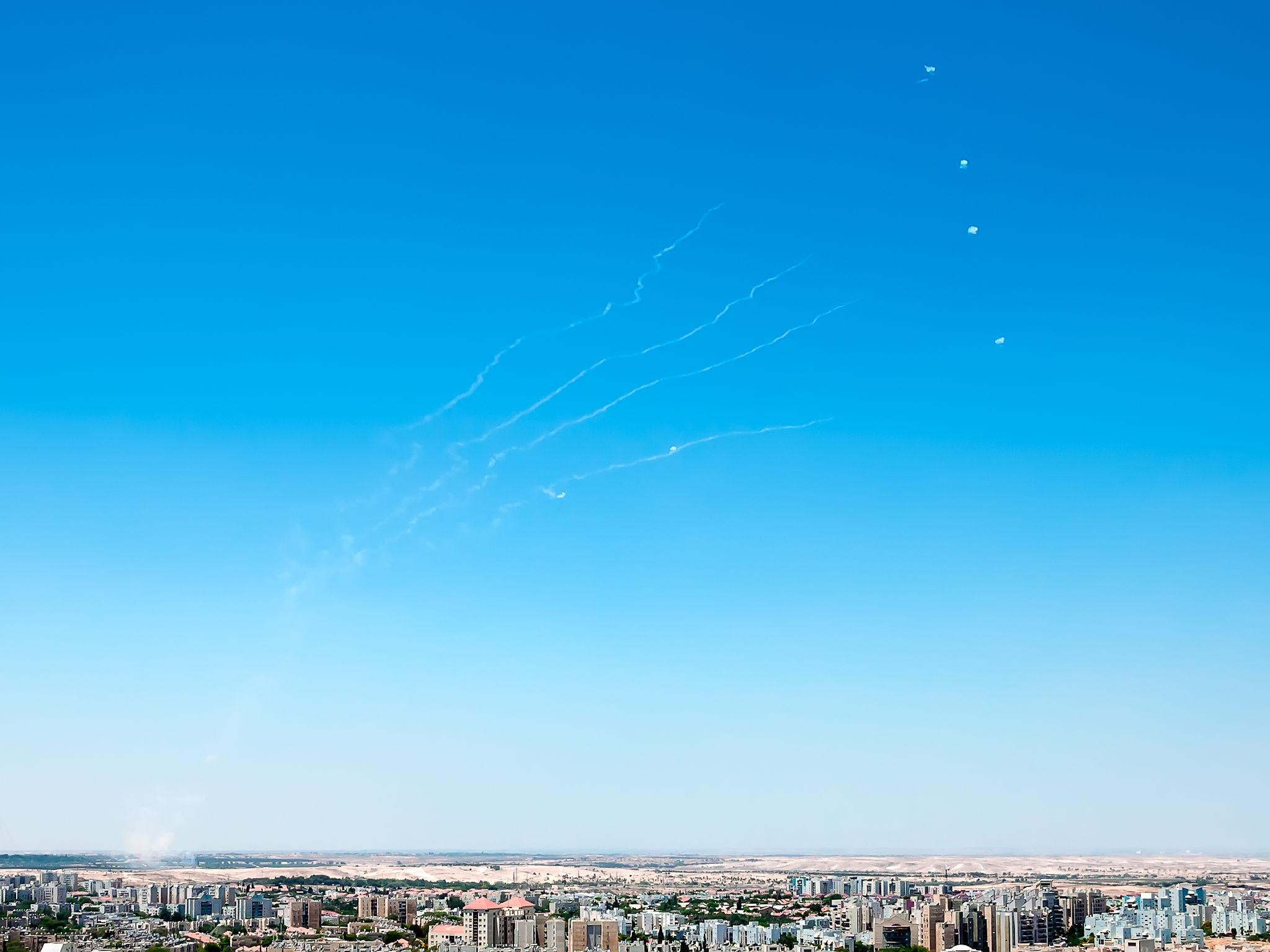
The surge in US Iran conflict tension, combined with the resignation of a top counterterrorism official and Trump’s threat to strike power plants, marks a critical turning point. With military operations expanding and global markets reacting, the risk of wider conflict is rising rapidly.
The world now faces a volatile and uncertain future as this crisis continues to unfold.
