

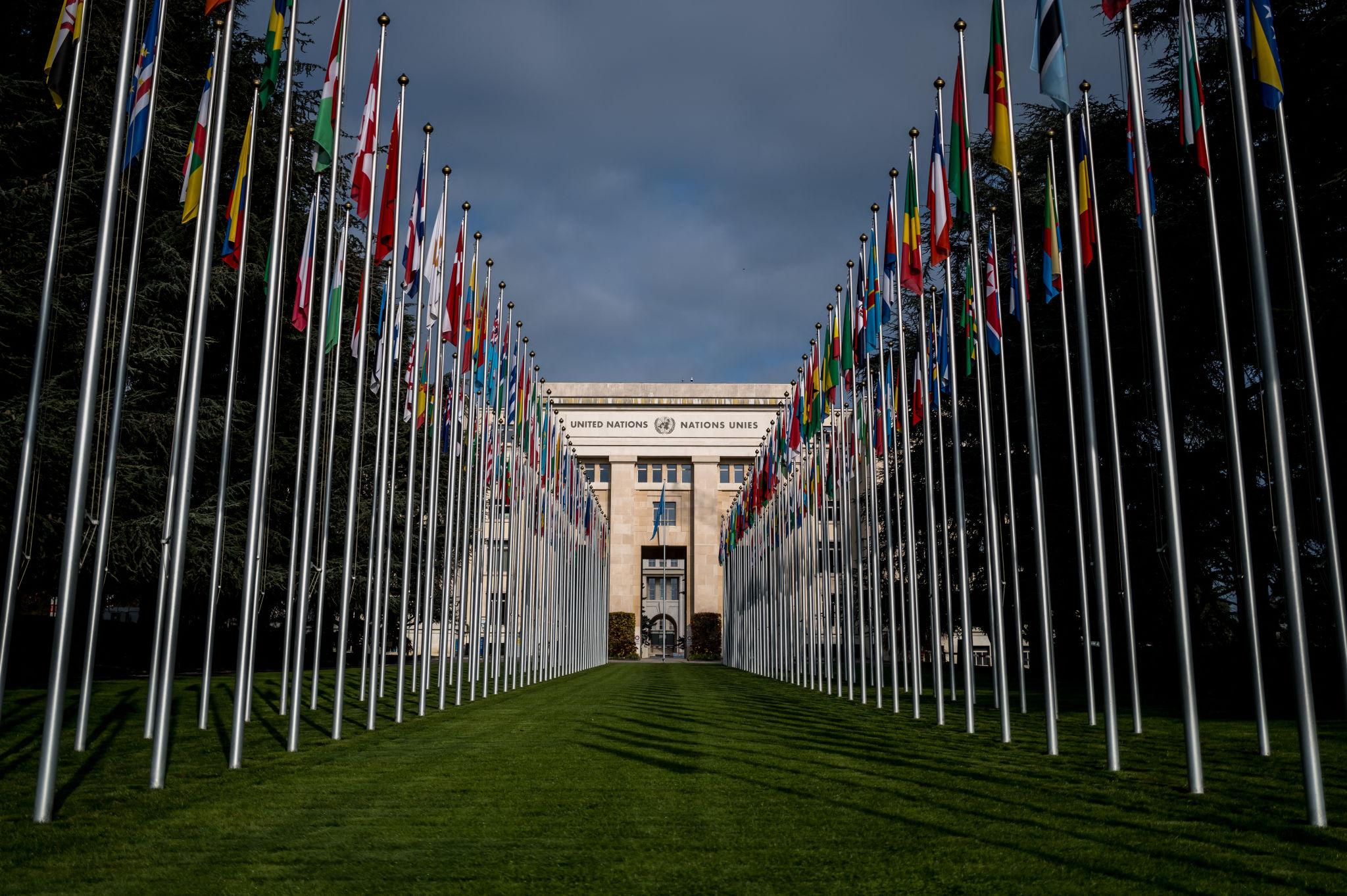
GENEVA, Switzerland – February 17, 2026 – Parliament News – US Iran Nuclear Talks Begin in Geneva as senior diplomats from Washington and Tehran convene in Switzerland for a renewed round of high level negotiations aimed at addressing nuclear development, sanctions relief, and regional stability. The 2026 discussions mark the first structured engagement between the two governments in more than a year and immediately triggered volatility across global oil markets.
The opening session at the Palais des Nations unfolded under tight security and intense global scrutiny. Financial markets, political leaders, and energy analysts are closely monitoring developments as both sides signal cautious willingness to reengage.
Diplomatic Engagement Returns to Center Stage
US Iran Nuclear Talks Begin in Geneva following months of indirect communication facilitated by European intermediaries. Officials from both countries have described the talks as an opportunity to reduce escalating tensions and explore structured solutions.
The initial agenda focuses on clarifying nuclear inspection protocols, defining potential sanctions adjustments, and establishing verification frameworks. Delegates refrained from issuing confrontational statements during opening remarks, emphasizing instead the importance of measured diplomacy.
A senior European diplomat present at the venue stated,
“Diplomatic channels must remain open if stability is to be preserved.”
The decision to reconvene in Switzerland reflects a shared preference for neutrality and discretion.
Energy Markets React to Renewed Dialogue
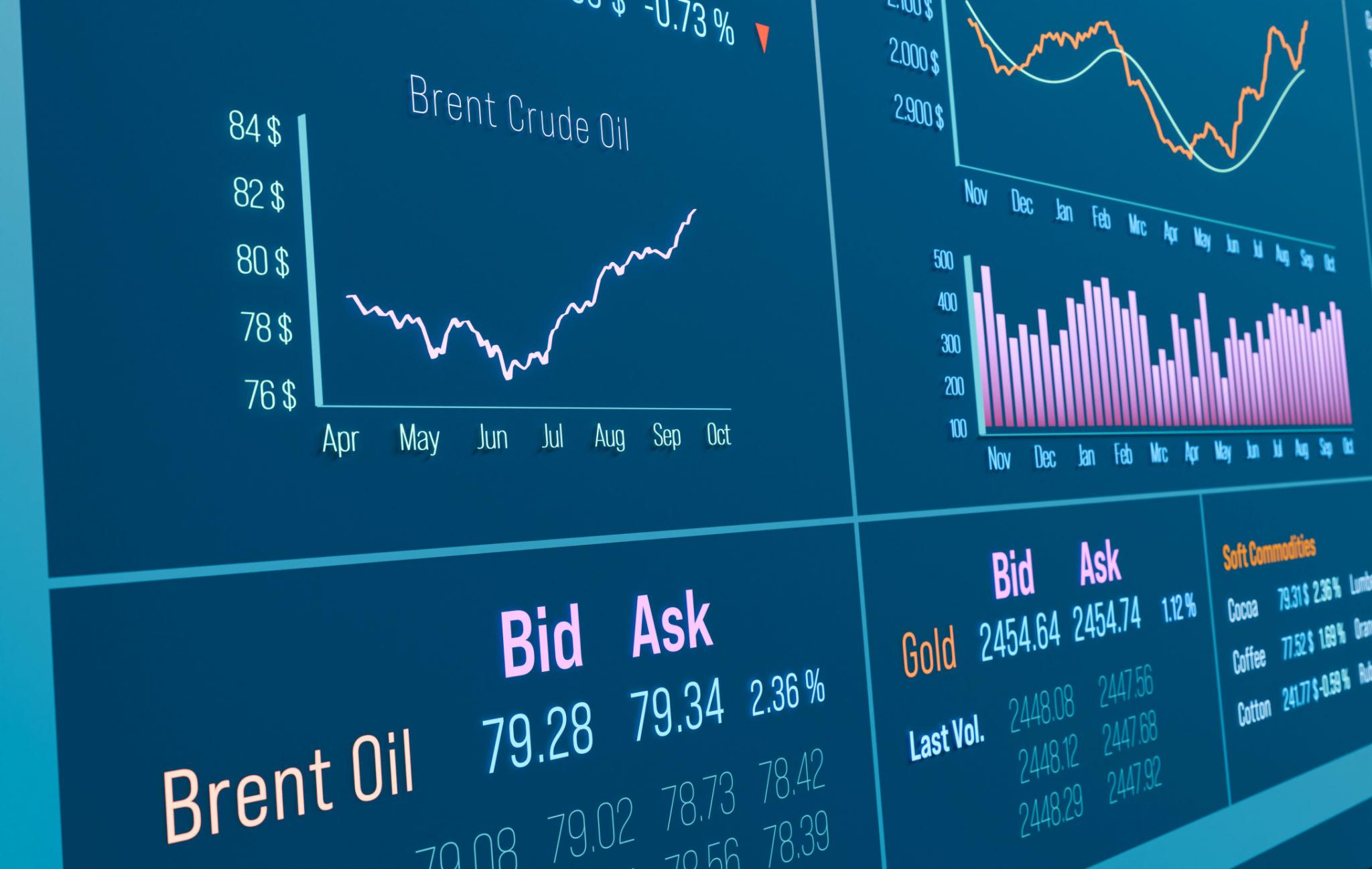
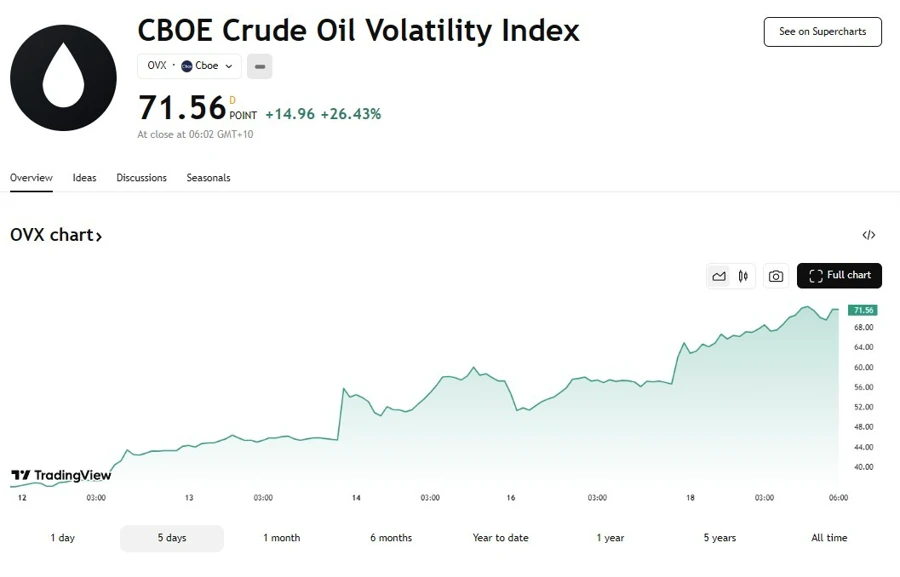
Oil traders responded swiftly as US Iran Nuclear Talks Begin in Geneva, with crude futures experiencing notable price swings within hours. Initial declines reflected expectations that progress could lead to increased Iranian oil exports. However, volatility soon returned as investors reassessed the uncertainty surrounding potential outcomes.
Energy analysts suggest that even incremental progress could alter global supply projections. Iran retains substantial production capacity that could influence markets if restrictions ease.
At the same time, traders caution that diplomatic negotiations often unfold gradually. Until concrete agreements emerge, price movements may remain speculative.
Strategic Priorities for Washington
As US Iran Nuclear Talks Begin in Geneva, U.S. officials are emphasizing security and nonproliferation objectives. Preventing further nuclear escalation remains central to Washington’s strategic agenda.
Domestic economic considerations also factor into policy decisions. Stable oil prices contribute to inflation control and consumer confidence. Officials have indicated that diplomatic engagement may offer a pathway to reduced geopolitical risk.
A senior U.S. official said,
“Our objective is clear and responsible diplomacy that lowers tensions and promotes long term security.”
The administration faces political scrutiny at home, balancing engagement with enforcement credibility.
Tehran’s Economic and Political Calculations
Iran enters negotiations seeking tangible economic relief. As US Iran Nuclear Talks Begin in Geneva, Tehran is expected to press for phased sanctions removal and financial access assurances.
Years of restrictions have constrained oil exports and limited international banking access. Iranian representatives argue that measurable economic incentives are essential for any durable agreement.
One Iranian delegate noted privately that
“economic normalization is inseparable from meaningful nuclear cooperation.”
Analysts believe expanded exports could significantly influence global supply chains if agreements materialize.
European Mediation and International Support
European governments have welcomed the renewed diplomatic effort. Officials in Brussels and Berlin described the talks as constructive and necessary.
The European Union has historically advocated negotiated frameworks and continues to play a facilitative role. When US Iran Nuclear Talks Begin in Geneva, European mediators are instrumental in shaping technical dialogue.
Asian economies are also monitoring developments closely. Major energy importers in Asia recognize that potential supply adjustments could impact long term procurement strategies.
Security Implications Across the Middle East
Regional stability remains a core issue. Neighboring states are closely observing developments, particularly regarding missile capabilities and inspection protocols.
Defense analysts argue that successful negotiations could reduce the likelihood of maritime disruptions or proxy escalations. Conversely, failure may heighten uncertainty.
As US Iran Nuclear Talks Begin in Geneva, strategic calculations extend beyond nuclear policy into broader geopolitical considerations.
Technical Framework and Verification Mechanisms
Negotiators are expected to prioritize verification systems and compliance standards in subsequent sessions. Transparency and enforceable benchmarks are widely regarded as essential components of credibility.
Without clearly defined inspection processes, skepticism could undermine progress. Observers anticipate multiple rounds of discussions focused on technical specifics before broader announcements are made.
Financial Market Response Beyond Oil
Equity markets exhibited moderate fluctuations following confirmation that US Iran Nuclear Talks Begin in Geneva. Energy stocks led initial movements, while currency markets tied to oil exporting nations experienced subtle shifts.
Safe haven assets showed temporary gains before stabilizing. Analysts characterize the overall financial response as cautious rather than exuberant.
The interconnected nature of geopolitics and capital markets is evident in these movements.
Historical Context of Nuclear Negotiations
Previous diplomatic efforts produced agreements that temporarily limited nuclear activity in exchange for sanctions relief. However, political changes disrupted earlier frameworks.
This 2026 round follows lessons learned from past breakdowns. Trust deficits remain significant, requiring incremental confidence building measures.
By reopening dialogue, both governments signal recognition that structured engagement remains preferable to prolonged escalation.
Domestic Political Pressures
Both governments face internal political challenges. In Washington, legislative oversight shapes negotiating flexibility. In Tehran, leadership must demonstrate that engagement produces measurable economic gains.
Public opinion remains divided in both countries. Supporters emphasize stability and economic opportunity, while critics question enforceability and reliability.
These domestic dynamics may influence the pace and tone of negotiations.
Energy Security and Global Supply Outlook
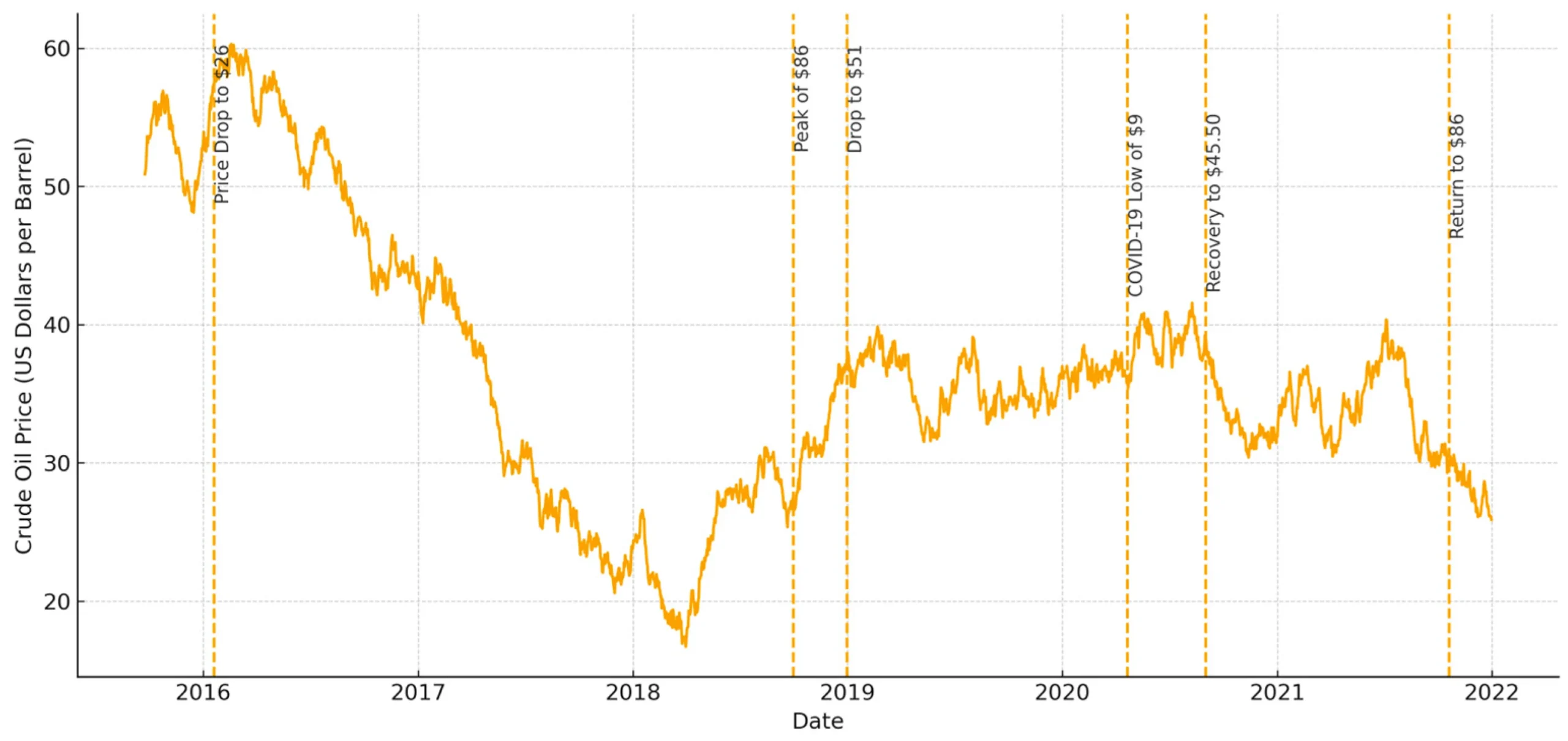
Energy security considerations are central to the talks. If sanctions evolve, global supply chains could adjust accordingly. Strategic reserves, investment flows, and shipping routes may all reflect changing policy landscapes.
Industry leaders emphasize patience, noting that long term fundamentals ultimately guide market equilibrium.
While early reactions focus on speculation, sustained diplomatic progress would likely exert more durable influence.
Investor Sentiment and Risk Assessment
Financial institutions are closely evaluating exposure to energy and regional markets. Portfolio managers are adjusting risk models to account for potential diplomatic breakthroughs or setbacks.
Even incremental language shifts from negotiators can influence short term trading patterns.
Global investors remain alert as discussions continue in Switzerland.
Broader Geopolitical Consequences
When US Iran Nuclear Talks Begin in Geneva, the implications extend beyond bilateral relations. Regional alliances, maritime security, and defense postures could all be influenced by outcomes.
International observers view the talks as a test of whether diplomacy can effectively manage complex geopolitical disputes in 2026.
Successful negotiations could contribute to reduced tensions across interconnected regions.
A Turning Point in 2026 Global Diplomacy
US Iran Nuclear Talks Begin in Geneva at a pivotal moment in international relations. The decision to reengage reflects a shared recognition of the risks associated with prolonged confrontation.
Whether this diplomatic effort results in a durable agreement remains uncertain. What is clear is that the reopening of dialogue has already influenced markets, security strategies, and global sentiment.
As negotiations proceed, the world watches closely. The outcome may shape energy pricing, regional stability, and international cooperation for years to come.