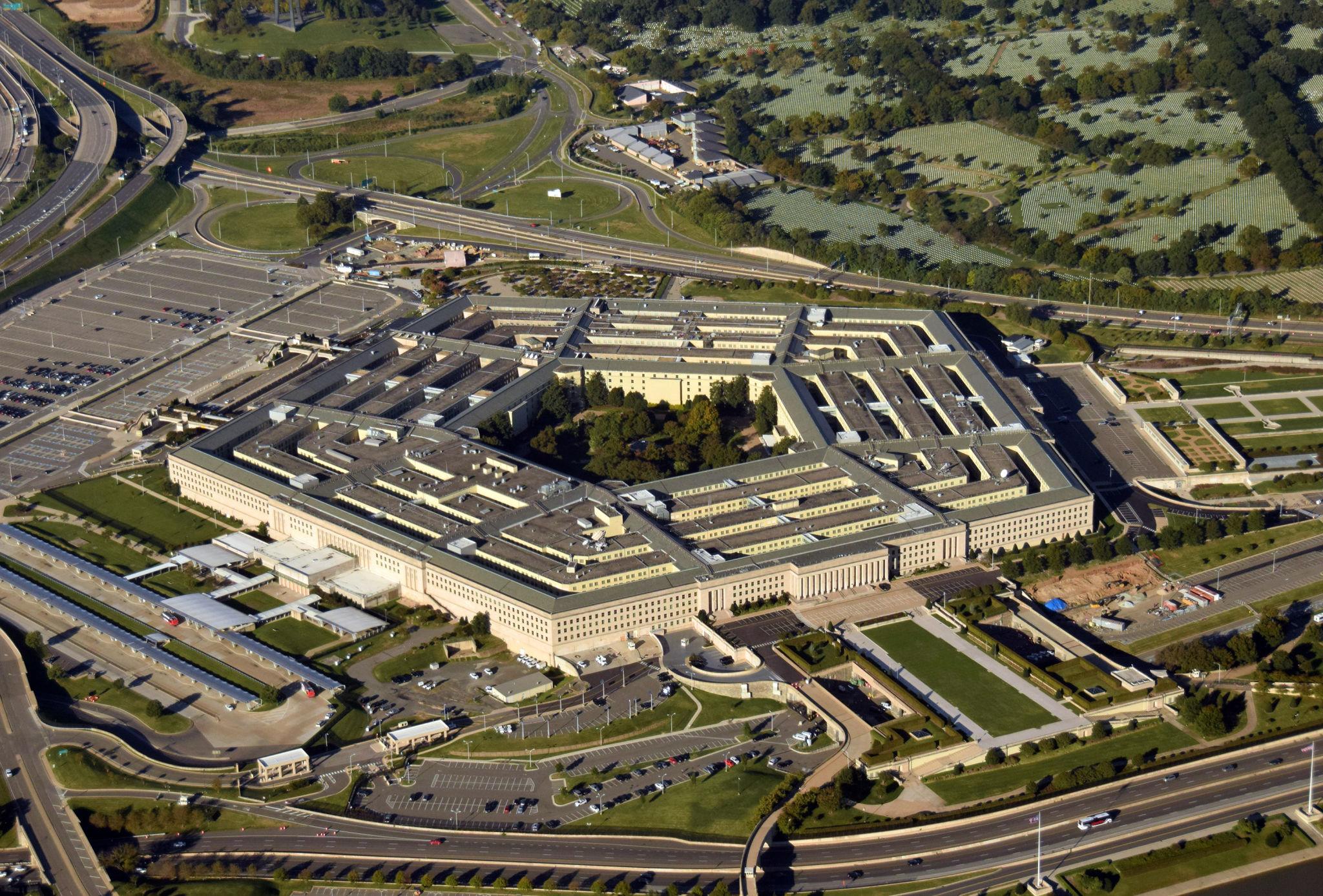
Washington — March 18, 2026 — Parliament Politics Magazine — US Iran war escalation is entering a dangerous new phase as Russia condemns a strike near Iran’s Bushehr nuclear plant while a top counterterrorism official resigns in protest of U.S. military actions.
The convergence of these developments is raising urgent global concerns about nuclear safety, regional instability, and the possibility of a broader international conflict tied to the ongoing US Iran war escalation.
Russia Condemns Strike Near Bushehr Nuclear Facility
Russia issued a strong condemnation after a projectile landed dangerously close to Iran’s Bushehr nuclear power plant, a critical energy site with global strategic importance.
Officials warned that the strike occurred just meters from an operational reactor, emphasizing the severe risks involved as the US Iran war escalation intensifies.
Russia’s nuclear agency called for immediate de-escalation, stressing that any military activity near nuclear facilities could trigger catastrophic consequences, even if no damage or casualties were reported.
The Bushehr plant, developed with Russian assistance, remains Iran’s only operational nuclear reactor, making it a highly sensitive location in the ongoing US Iran war escalation.
A Dangerous Line Crossed in Modern Warfare
The incident is widely seen as a turning point in the conflict.
Targeting areas near nuclear infrastructure significantly increases the risks associated with modern warfare, especially during the current US Iran war escalation. Experts warn that even indirect hits could lead to:
- Radiation leaks
- Long-term environmental damage
- International humanitarian crises
- Immediate global panic
A senior geopolitical analyst stated:
“The moment nuclear facilities are even indirectly involved, the entire conflict changes — the risks multiply overnight.”
This growing concern is now shaping diplomatic discussions across multiple countries as the US Iran war escalation continues to unfold.
Resignation Signals Deep Internal US Concerns
Amid the escalating crisis, the resignation of a top counterterrorism official has intensified scrutiny of U.S. strategy.
The official reportedly stepped down in protest of the expanding military campaign, particularly actions that could provoke retaliation or escalate tensions around critical infrastructure tied to the US Iran war escalation.
The move suggests:
- Internal disagreements within U.S. leadership
- Rising concern over long-term consequences
- Strategic divisions over how to handle Iran
One insider described the resignation as a “clear signal that not everyone agrees with the current direction” during this US Iran war escalation.
Escalation Across the Middle East
The broader US Iran war escalation is now affecting multiple regions simultaneously, with rising tensions being felt across the Middle East.
Recent developments include:
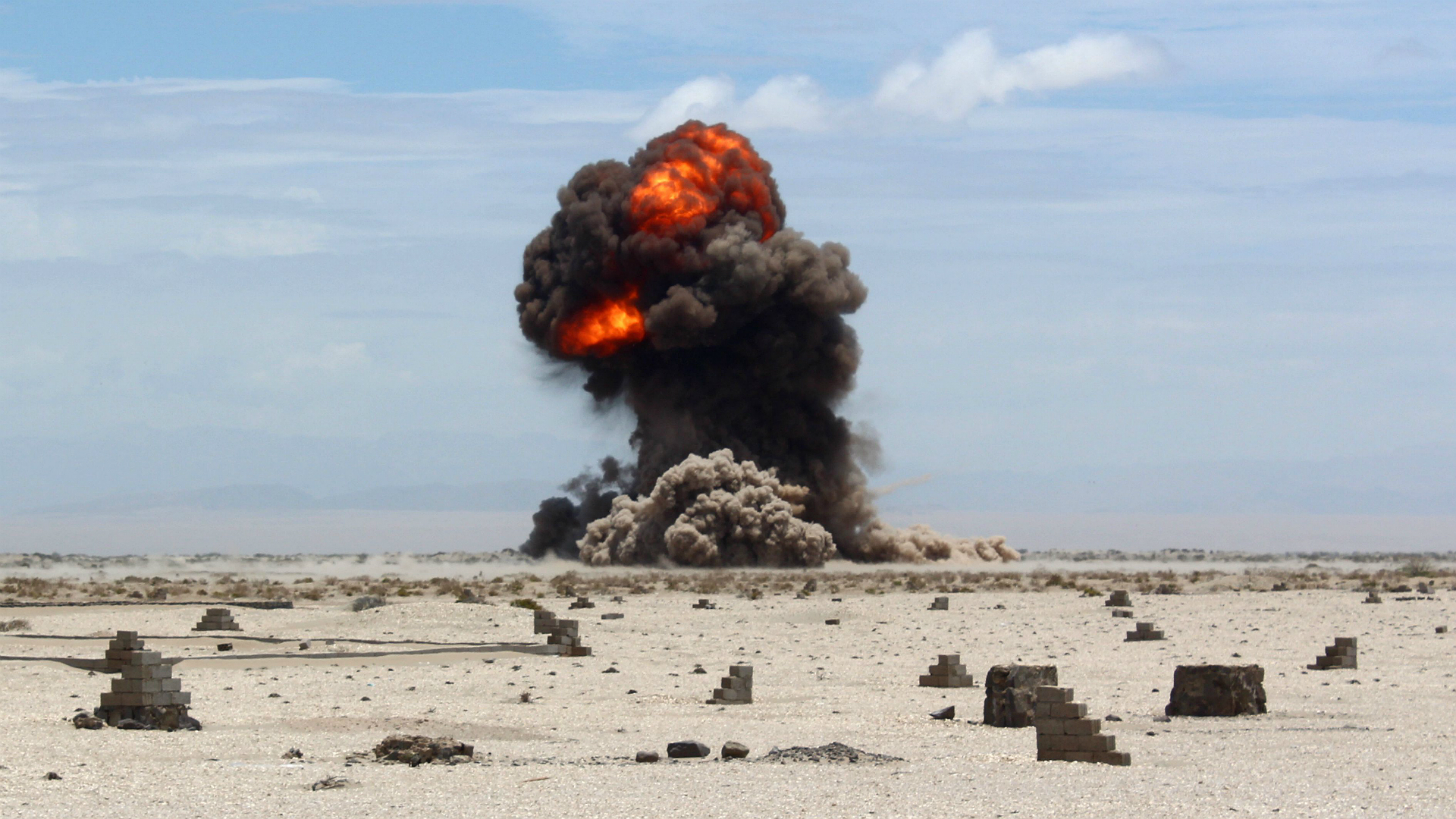
- Strikes targeting Iranian energy infrastructure
- Missile and drone attacks across Gulf nations
- Rising tensions in key shipping routes
The conflict has already disrupted global energy systems, with oil prices surging and supply chains under pressure as the US Iran war escalation continues to expand.
Energy facilities, including gas fields and refineries, are increasingly becoming targets, adding another layer of economic risk.
Threats to Global Energy Security
The Middle East plays a central role in global energy supply, and any disruption can have immediate worldwide consequences.
The Strait of Hormuz, a key shipping route, has already experienced severe disruptions, reflecting the growing impact of the US Iran war escalation.
Analysts warn that continued escalation could:
- Drive oil prices even higher
- Trigger inflation globally
- Disrupt international trade
The economic implications are now being closely monitored by governments and financial markets as the US Iran war escalation deepens.
Riyadh Talks Focus on Preventing Attacks on Vital Facilities
In response to rising risks, international leaders are holding talks in Riyadh aimed at preventing attacks on “vital facilities.”
These discussions are focusing on:
- Protecting nuclear sites
- Securing oil and gas infrastructure
- Preventing cyberattacks on critical systems
- Coordinating regional defense efforts
The goal is to contain the situation before it spirals further due to the ongoing US Iran war escalation.
Russia’s Strategic Position
Russia’s strong reaction reflects its strategic relationship with Iran and its broader geopolitical interests.
While Moscow has avoided direct military involvement, it has:
- Condemned U.S. and allied actions
- Called for diplomatic solutions
- Highlighted the risks of escalation
Russia’s stance signals that the conflict is no longer just regional but part of a larger global power dynamic shaped by the US Iran war escalation.
Growing Risk of Multi-Front Conflict
Experts warn that the US Iran war escalation could evolve into a multi-front conflict involving several layers of confrontation.
These include:
- Direct military engagements
- Proxy battles in neighboring countries
- Cyber warfare targeting infrastructure
- Economic retaliation between major powers
The involvement of nuclear-adjacent sites significantly raises the stakes in the ongoing US Iran war escalation.
Public and Political Reactions
The developments have sparked strong reactions worldwide.
In the United States, political leaders are divided over the approach to Iran, with debates intensifying over military strategy and long-term objectives tied to the US Iran war escalation.
Globally, countries are urging restraint, emphasizing the need to avoid actions that could lead to irreversible consequences.
Public concern is also rising, particularly over the risks associated with nuclear safety.
A Critical Moment for Global Stability
The combination of military escalation, diplomatic tension, and internal dissent marks a pivotal moment in global security.
The situation highlights the fragile balance between:
- National security objectives
- International stability
- Economic impacts
Decisions made in the coming days could determine the trajectory of the US Iran war escalation.
A High-Risk Turning Point
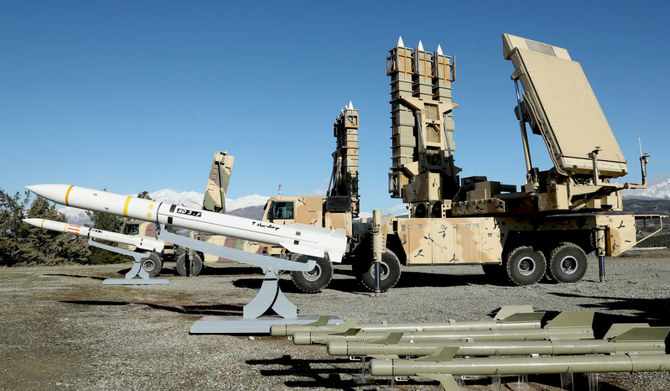
The US Iran war escalation has reached a critical stage, marked by Russia’s condemnation of a strike near Iran’s Bushehr nuclear plant and the resignation of a top U.S. counterterrorism official.
With nuclear infrastructure now at risk and global powers increasingly involved, the situation is more volatile than ever.
As diplomatic efforts continue in Riyadh, the world watches closely — aware that the next steps could either stabilize the region or push the US Iran war escalation toward a broader and more dangerous global conflict.