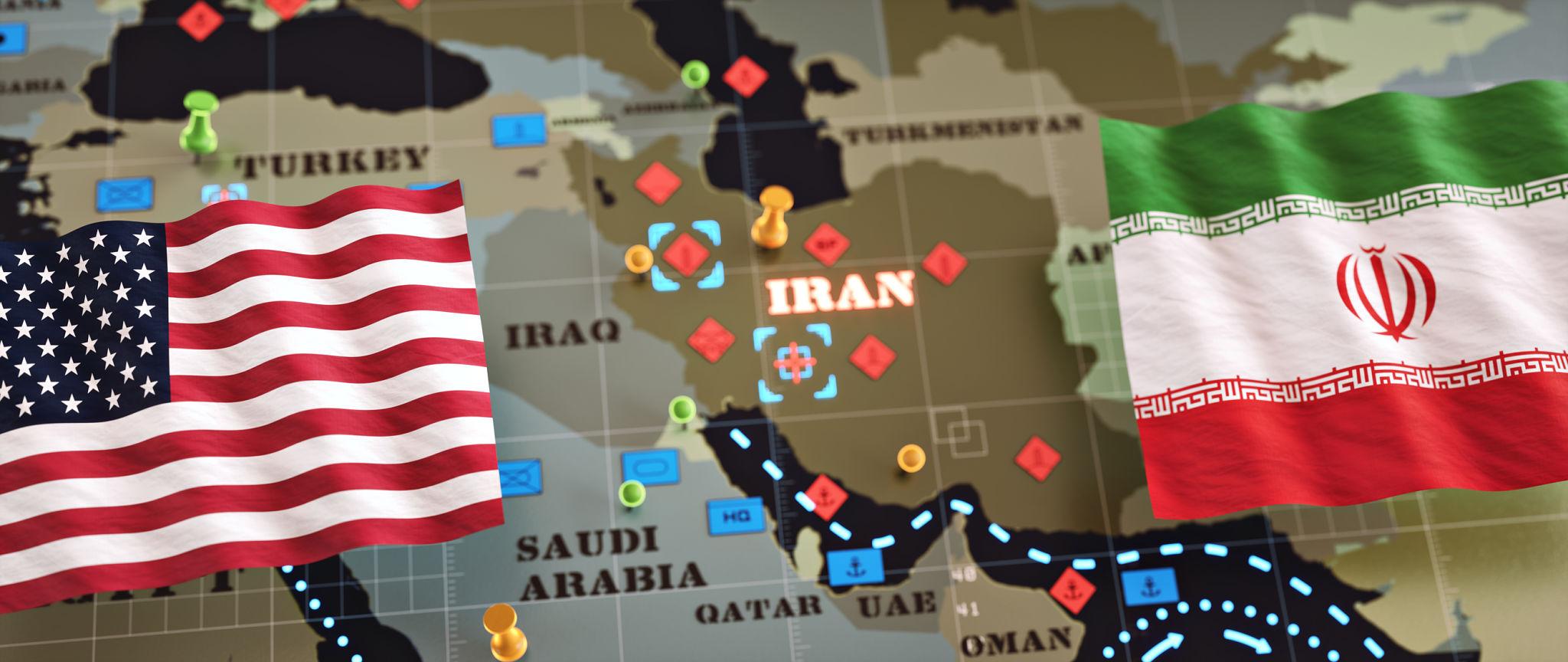
Washington — March 18, 2026 — Parliament Politics Magazine — Washington security crisis intensifies as a top U.S. counterterrorism official resigns in protest of the country’s escalating military posture toward Iran. The sudden departure comes at a critical moment, raising serious concerns about internal divisions within U.S. leadership and the broader implications for global stability.
The resignation has sent shockwaves across intelligence and defense communities, signaling that disagreements over national security strategy may be more severe than previously understood.
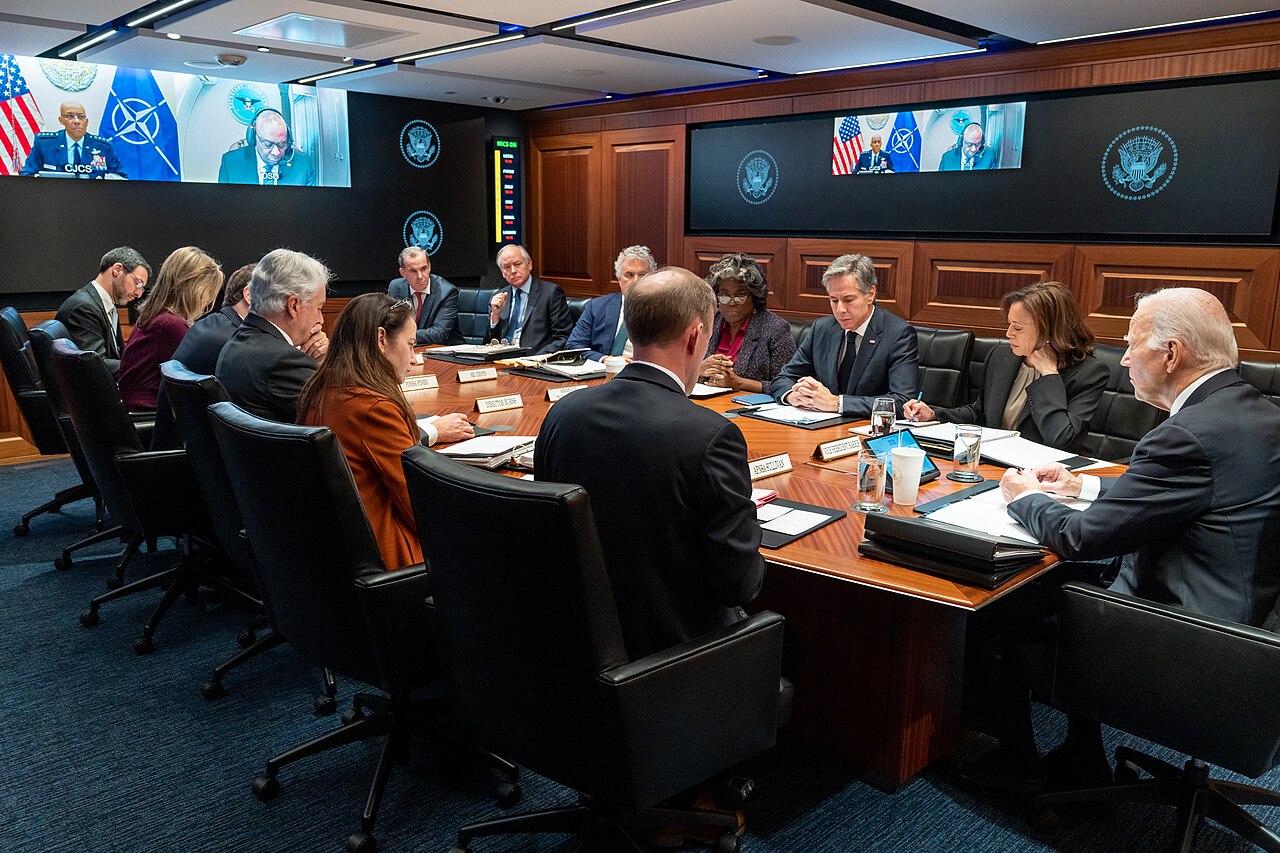
Internal Divisions Shake US Leadership
The unfolding Washington security crisis is now closely tied to growing tensions within the U.S. government. Sources familiar with the situation indicate that the resignation reflects deep concerns about the direction of current military and foreign policy decisions.
Officials suggest that the departing leader had repeatedly warned against aggressive escalation, arguing that it could undermine long-term counterterrorism objectives.
A senior analyst stated,
“This is not just a resignation—it’s a clear indication that internal disagreements have reached a critical point.”
Such a development highlights the rare public exposure of internal conflict at the highest levels.
US–Iran Tensions Reach New Heights
The Washington security crisis is unfolding alongside rising tensions between the United States and Iran. Military movements, economic sanctions, and diplomatic breakdowns have all contributed to a highly volatile situation.
Analysts warn that the current trajectory increases the risk of broader conflict, particularly if retaliatory actions escalate further.
The resignation adds urgency to the situation, emphasizing the seriousness of the geopolitical environment.
Strategic Disagreements Behind Closed Doors
Reports suggest that the Washington security crisis has been building for months, driven by disagreements over strategy. The departing official is believed to have opposed certain military actions, warning they could destabilize the region.
These concerns appear to have reached a breaking point, leading to the decision to step down.
Observers note that such public resignations are rare and often signal deeper systemic issues within leadership structures.
Political Fallout Intensifies in Washington
The Washington security crisis has quickly become a major political issue. Lawmakers are demanding transparency and accountability, seeking answers about the circumstances surrounding the resignation.
Critics argue that the situation exposes weaknesses in current policy, while supporters maintain that strong measures are necessary to address evolving threats.
Despite efforts to maintain stability, the resignation continues to fuel debate across political lines.
Impact on Intelligence Operations
When a Washington security crisis coincides with a high-level resignation, it raises concerns about operational continuity. Leadership transitions can disrupt coordination among intelligence agencies, particularly during periods of heightened tension.
Experts emphasize the importance of maintaining stability to ensure that counterterrorism efforts remain effective.
A former intelligence official noted,
“Leadership changes during a crisis can create uncertainty that affects operations at every level.”
Global Implications and Strategic Concerns
The international community is closely monitoring the Washington security crisis. Allies are assessing the potential impact on coordinated security efforts, while adversaries may interpret the situation as a sign of internal division.
Such perceptions can influence strategic decisions on a global scale, adding complexity to an already tense environment.
The resignation has raised questions about the consistency and reliability of U.S. leadership during a critical period.
Economic and Energy Market Reactions
The Washington security crisis is also affecting global markets. Geopolitical tensions often lead to economic uncertainty, particularly in energy sectors that are sensitive to developments in the Middle East.
Analysts warn that prolonged instability could result in price volatility and broader economic impacts.
The intersection of political and economic factors highlights the far-reaching consequences of the current situation.
A Potential Turning Point in Policy
Many experts believe that the Washington security crisis could mark a turning point in U.S. foreign policy. The resignation has brought internal disagreements into the public spotlight, potentially influencing future decisions.
If similar concerns emerge from other officials, it could lead to a reassessment of current strategies.
Alternatively, the administration may reinforce its existing approach, further shaping the geopolitical landscape.
What Comes Next?
As the Washington security crisis continues to unfold, attention is turning to the future. The appointment of a replacement will be closely watched, as it may signal whether policy direction will change.
Analysts expect further developments in the coming weeks, particularly as tensions with Iran evolve.
The situation remains fluid, with multiple factors influencing its trajectory.
A Critical Moment for Global Stability
The Washington security crisis has entered a new phase following the resignation of a top counterterrorism official. This development highlights deep divisions within U.S. leadership and raises serious questions about the direction of foreign policy.
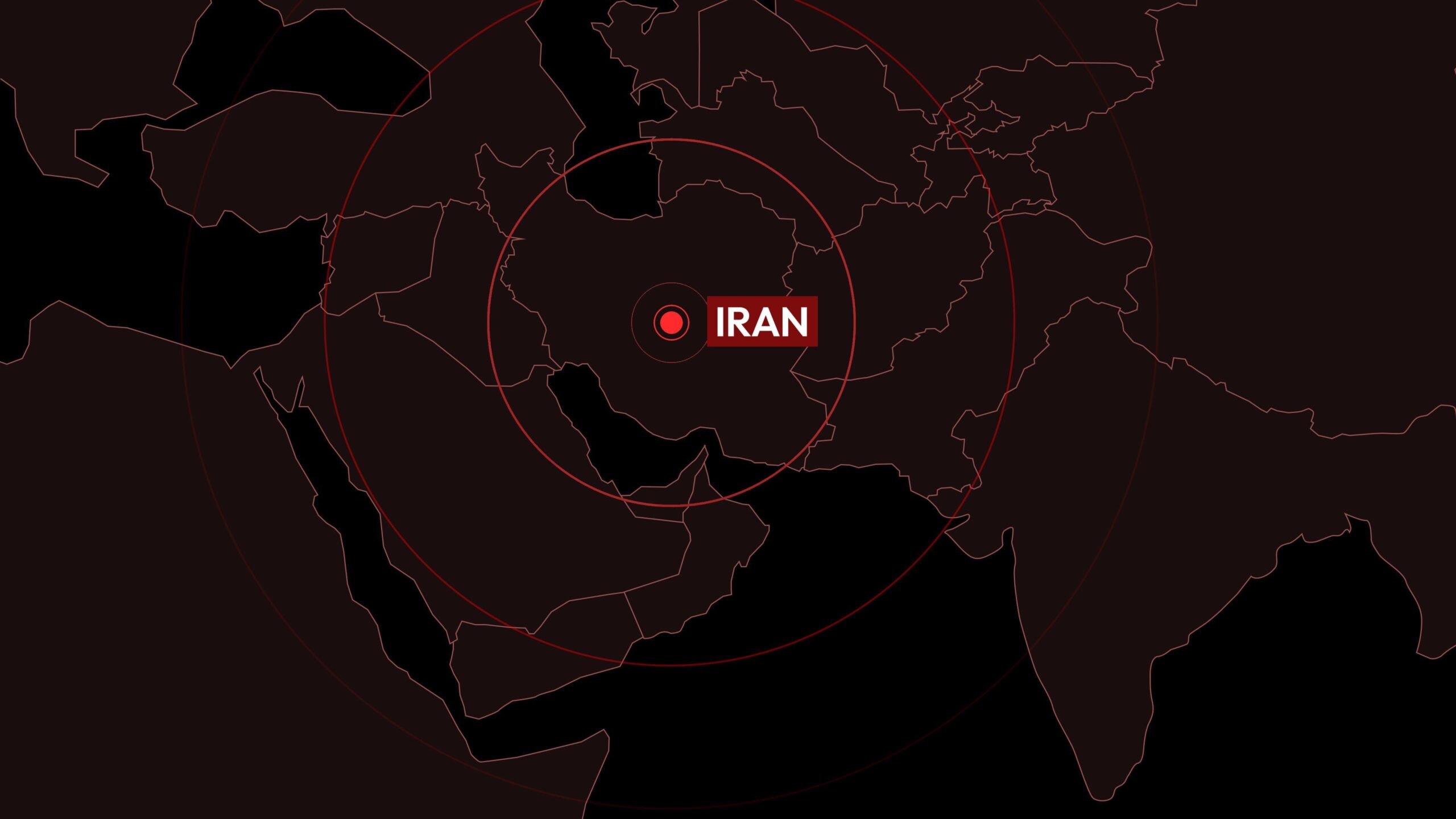
As tensions with Iran persist, the implications of this resignation are likely to be felt globally. The coming weeks will be crucial in determining whether the situation stabilizes or escalates further.