
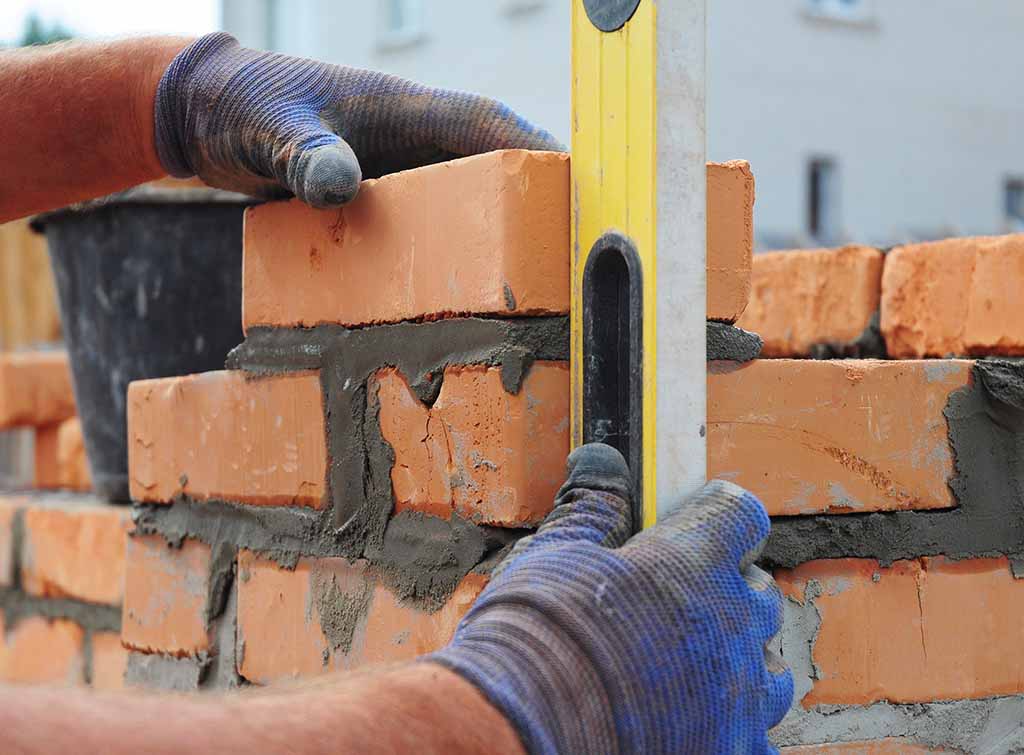
A bricklayer, or brickman, in the UK may receive a variable salary according to both work experience and location and employer. The National Careers Service estimates that a bricklayer in the UK earns an average salary of about 30,000 pounds in a year. The entry-level jobs can, however, be underpaid in the case of inexperienced bricklayers, whereas the experienced bricklaying workers on big projects or your own boss would have a higher salary. It is necessary to note that salaries might also depend on the particular skills and certifications of the concrete bricklayer.
Who is a bricklayer?
A specialist who builds structures by use of different units as building materials, mainly bricks, blocks, and other masonry materials, is called a bricklayer. They combine the materials with mortar to make the walls, partitions, arches, chimneys, and other elements of the infrastructure and structures. Brick masons must be accurate and knowledgeable about the different patterns of bricklaying and modes of operation, as well as materials. Manual dexterity, body strength, knowledge related to safety practices, and interpretations of building drawings are requirements of their profession. Basically, bricklayers are the important tradesmen who build the main part of most buildings, the structure and foundation.
Average bricklayer salary in the UK
The typical UK salary of an average bricklayer differs for an employee with experience, working status, or qualification:
Trainee brickwork earns approximately 11 thousand pounds annually, and that is around 6.3 pounds every hour or 50 pounds daily.
Newly qualified bricklayer: circa £32,000 per year, £145 per day or £18 per hour.
One who earns a living as a bricklayer with experience is estimated to earn approximately 40,000 pounds as an annual salary, including an hourly rate of approximately 19 pounds and about 154 pounds per day.
A self-employed bricklayer who charges between 38 GBP an hour and 304 GBP a day can earn around 56K yearly, although costs reduce after-tax income.
Bricklayer running a limited company (business owner): Again, between 59,000 and 60,000 per annum and an hourly rate of approximately 40 or a 320-day rate. Business expenses also have an influence on net income.
What is the median salary for a bricklayer in the UK?
The statistics held by the Office for National Statistics (ONS) of the UK government have shown the situation with the salary rates of bricklayers. When we speak of the average earnings as a bricklayer in the UK, it would be about 28,000 to 30,000 pounds annually. Nonetheless, this may also differ based on various factors, including location, the highest level of expertise, and even the kind of employer. Some bricklayers may receive less than this amount, whereas others receive much more. It would also be a good idea to know that the self-employed bricklayers might not have the same incomes when compared to those who are employed in a company.
What is the highest salary for a bricklayer in the UK?
Bricklayers’ salaries in the UK can go up to 45,000 and above per annum. This occurs through attaining proficient skills and experience. It involves intricate brickwork or heritage refurbishment, or being involved with luxurious work on luxury houses or multi-story buildings. Salary may also differ according to the nature of employment. The self-employed bricklayers are likely to get higher rates of pay than those who work in an organization. Also, overtime and bonuses can be used to make more income. The occupation of a bricklayer makes you gain a great deal of money.
Self-employed bricklayer’s salary in the UK
A self-employed bricklayer in the United Kingdom will earn, on average, pre-tax earnings of 56,000 a year in 2025. This is equivalent to a charge rate of about 38% an hour and 300 to 304 per day. This net, however, is reduced by the company expenses, which amount to about 7,000 annually and pay out such items as petrol, tools, insurance, materials, and vehicle payments. The income would be less than 37,500 yearly after these deductions in the take-home pay.
Key news for independent bricklayers in the UK:
- The pre-tax annual revenue: roughly 56,000,000.
- Hourly rate: approximately 38 pounds sterling
- Day rate: c.300-304 a day
- The expenses that companies use yearly are estimated to be up to 7,000 pounds.
- Any amount of money coming out after the expenses of the company are set is around 37.5 thousand pounds (take-home pay).
- This compensation level is suitable for skilled and experienced independent bricklayers who manage their portfolio and fund their overheads, e.g., the cost of materials and transport. Those who run limited companies tend to earn a little extra in the trade (£59,000 to 60,000 per year prior to tax); however, they also tend to pay more for their businesses. All things considered, self-employed bricklaying has good earning potential, particularly with experience and a consistent workload, but it also necessitates financial planning and cost control.
Bricklayer wages in the UK
These are the usual bricklayer salaries in the UK in 202,5, and these different salaries would fluctuate according to the area worked, work situation, and experience:
- The pay of a journeyman bricklayer is approximately 11,000 per year, or 6 an hour at 50 a day.
- The starting pay of new bricklayers is approximately £32,000 per year, approximately 18 per hour, and about 145 per day.
- A qualification as a bricklayer is likely to earn a worker in the field an average of 40000 pounds annually, 155 pounds daily, and 19 pounds per hour.
- A self-employed sole proprietor bricklayer would make approximately £56000 a year pretax, which comes to approximately 38 dollars an hour or 300 dollars a day before overhead.
- Partner in a limited (bricklaying) business: Something like 40000 a year before tax, hourly and daily earnings of something like 24 and 280, respectively.
The national average rate of hourly pay is about 14.35; there is, however, a considerable variation in different regions. This could be illustrated through such things as the fact that in London and the southeast, bricklayers could be paid more than north, Manchester, or Birmingham because there was more or more expensive living within the region.
How much does a bricklayer earn per brick in the UK?
A bricklayer in the United Kingdom usually places 400-500 bricks daily with an hourly rate between 240 and 320. That is approximately 60 or 64 cents on every laid brick. The perceptual complexity of the work and the proficiency of the bricklayer, as well as fluctuation in the prices of labor in various regions, can influence the exact figure. The high end of this category can be obtained by freelancers or individuals participating in niche projects.
How to become a bricklayer in the UK?
Training to become a bricklayer in the UK is a mixture of both practical work and education. The following are the stages you can follow in becoming a bricklayer in the UK: You will require a Level 2 Diploma in Bricklaying to become one a bricklayer in the UK. You may even acquire a similar qualification, say an NVQ Level 2 in Trowel Occupations.
1. Obtain an apprenticeship
Seek bricklaying apprenticeships with the construction companies or trade associations. The apprenticeships available are available on the apprenticeship site of the government. Or by reaching the construction companies near your living place.
2. Finish the apprenticeship
The apprenticeships normally are 2-3 years, which involves on-the-job training and classroom training. You will be working with skilled bricklayers and will be shown how to lay bricks, make mortar, and read technical drawings.
3. Gain experience
On leaving your apprenticeship, get more experience as a bricklayer or master bricklayer. This will also assist you in accumulating your skills and knowledge.
4. With a CSCS card
A CSCS (Construction Skills Certification Scheme) card is a prerequisite to be able to work on a construction site in the UK. A CSCS card can be acquired by passing a health and safety assessment.
5. Bear in mind other qualifications
You can seek more qualifications to progress in the career of a bricklayer. It comprises a level 3 Diploma in Bricklaying or NVQ level 3 in Trowel Occupations.
How many hours does a bricklayer work in the UK?
A skilled tradesperson is called the term B. The job title, Brickman, is not as common in the UK. You might be talking about a bricklayer who constructs walls, buildings, and other structures by the use of bricks or other related materials. Depending on the employer and the job, a bricklayer may work as many or as few hours as the employer requires. But a normal week worked by a full-time bricklayer is about 37-40 hours. Overtime can be offered based on the employment and the needs of the employer. One must be aware that certain professions and industries in the UK can work under different working spans. To obtain a clearer picture of the work schedule, you may research particular job titles and industries.
What qualifications do you need to be a bricklayer in the UK?
To acquire a bricklaying certificate in the UK, it is typical to go to college courses or to an apprenticeship. Most start at further education colleges and are either on Level 1 or Level 2 Diplomas in either construction or bricklaying skills. The more common route is via apprenticeships, where there is a mix of theory (at college) and the real-life experience of on-the-job learning, and often demands specific GCSE grades in arithmetic and English. A CSCS card is also required to work on most construction sites, as the card is used to identify those with the right training and knowledge of safety standards. It is also important to read construction drawings, be physically fit, and possess practical skills. These certificates and certifications make sure that industry standards are followed and open more job opportunities.