
When discussing the UK-France border, you are likely to hear about one agreement: the Le Touquet Agreement. The Le Touquet Agreement has shaped how the border between the UK and France has been managed for years. Still, many people are not completely sure what it is, how it works, and why it is relevant today.
What Is the Le Touquet Agreement?
The Le Touquet Agreement is a border contract signed in 2003 by the United Kingdom and France. Its aim is to allow British border checks to be undertaken on French soil and French border checks to be conducted on UK soil. Travelers are checked before crossing the Channel, rather than being checked after arriving in the UK. The agreement was a way of securing a border, managing migration, and facilitating travel across the Channel between the UK and France.
The Purpose of the Le Touquet Agreement
- Security Goals: The most significant objective of the agreement was to reinforce the security of the borders. By carrying out checks before travelers board, authorities can diminish the opportunity for illegal arrivals, decrease smuggling, and better manage the movement of people.
- Travel Efficiency: Another aim was to facilitate easier travel between the UK and France. With checks conducted in advance, passengers would be able to pass from points in the UK to points in France (and vice versa) more easily through the Channel Tunnel and ferry ports.
- International Cooperation: The Le Touquet Agreement is also a demonstration of cooperation. It presents an example of two neighboring countries sharing responsibility concerning security and also providing efficient routes of travel.
The Le Touquet Agreement and Brexit
A frequent question is whether the Le Touquet Agreement was affected by Brexit. The answer is no. Brexit did change many aspects of the UK’s relationship with the EU. The Le Touquet Agreement is a bilateral agreement between the UK and France, and it continues to function as before the UK left the EU.
In the post-Brexit world, it is likely to prove more useful. With the new trade and travel rules coming into place, a system of pre-departure checks helps keep busy borders orderly.
Benefits of the Le Touquet Agreement
The following benefits are
- Greater Border Management: The Agreement provides both countries greater management of who enters and exits their borders. The leverage reduces the number of illegal border crossings in addition to contributing to national security.
- More Efficient Travel Experience: Passengers can benefit from quicker arrivals. With checks already conducted, passengers can now vacate their port or train station without the need for further screening.
- Cost Sharing: In working together, shared costs and responsibility for border control exist between the UK and France. This joint cooperation reduces the burden on either country.
Overview of the Border Deal
The UK-France border deal, also known as the Le Touquet Agreement, on the other hand, is the only arrangement in the world that allows both countries to conduct immigration checks in each other’s territory. The deal allows checks to occur pre-departure instead of waiting until a traveler arrives in France or the UK. This has made the border between the UK and France very different from a border in most parts of the world. It is demonstrative of efficiency, security, and cooperation with clear impacts on millions of journeys each year.
Why It Is Called a Border Deal
It is called a border deal because it is not simply a deal for controlling migration. Furthermore, it is about wider cooperation between the two countries. The border deal structure outlines the way the United Kingdom and France conduct passenger and security movement and how they share responsibilities. As it operates largely as a shared border system, it assists in managing the strictness of checks required on a busy travel route. It is a more typical immigration agreement.
How the Deal Shapes Travel
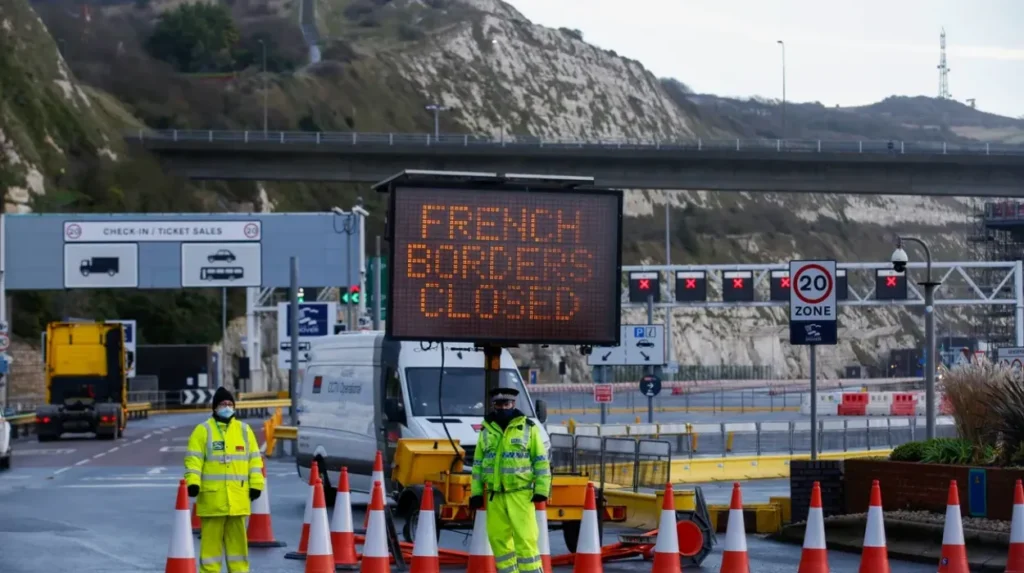
The most significant feature of the UK-France border deal is that all checks are conducted before a traveler comes into contact with the channel. British officers are based in French ports such as Calais and Dunkirk, while French officers are based in Dover and Folkestone. Once travelers undergo these checks, they are cleared to enter the relevant country before they board their train. This arrangement streamlines the arrival process and keeps passenger flow moving onward from the point of entry, but it can produce lengthy queues prior to departure.
Why the Deal Matters for Security
The border deal is vital for maintaining security throughout both countries and across the English Channel. By checking the passengers before travel, authorities can prevent irregular migration and secure smuggling before it becomes disorganized. Furthermore, they manage risks at a point of departure, which helps each country feel more in control. This is one of the main reasons why the deal still holds significant political changes such as Brexit.
Impact on France and the UK
The deal has a positive effect on France and a positive effect on the UK, with different nuances. For France, accommodating British border officers to clear immigration meant that towns like Calais must deal with the social and political problems of a migrant population that crosses on the edge of the international border. Compared to the United Kingdom, the arrangement offers a greater degree of protection, as checks happen before people arrive on that territory. It lowers the risk of illegal entry, and it helps the United Kingdom keep the tightest control of its borders.

A Symbol of International Cooperation
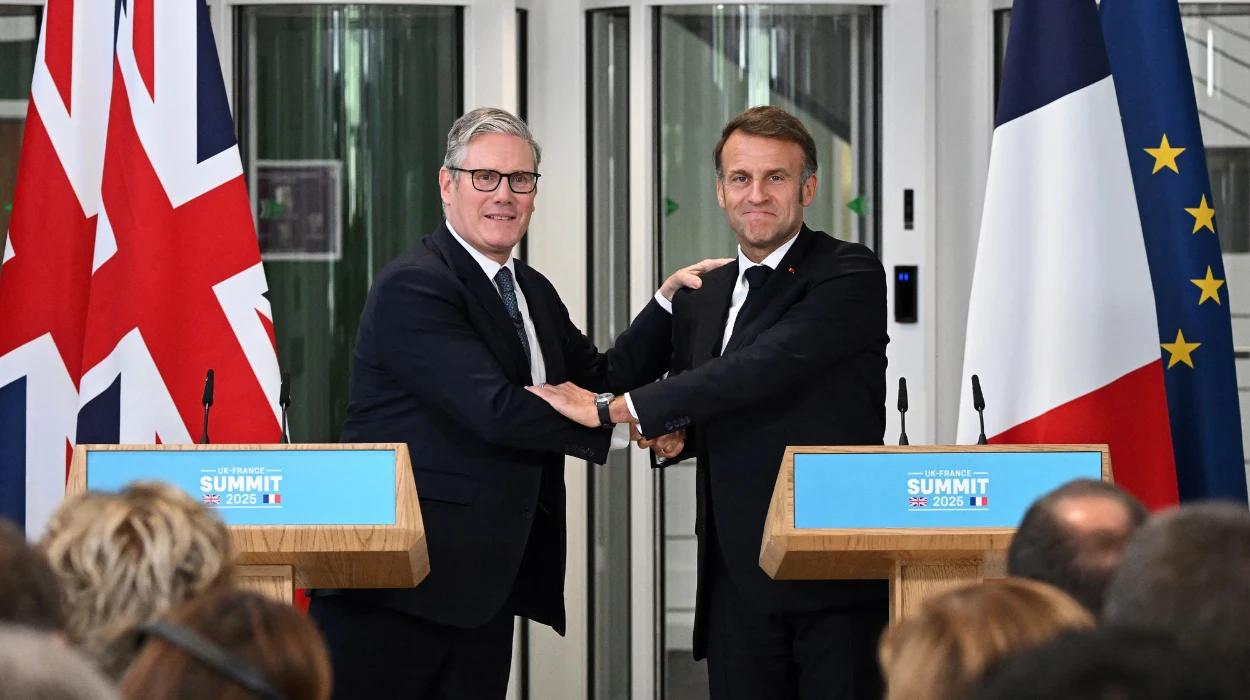
The UK-France border agreement is also a tangible signal of international cooperation between neighbors. Instead of many borders that simply delineate two countries, this border shows how two nations could share responsibilities in areas related to security and travel. It shows a balance of national interests with climbing heeding to collective solutions. It develops the trust that exists between the UK and France when political debate threatens our relationship.
